Cardioversion for AFib: What Happens and How It Feels
Learn what cardioversion for AFib feels like, how the procedure works, recovery steps, and success rates.
What is Cardioversion for AFib
Feeling a fluttering or irregular pulse can be deeply unsettling for patients and families. If you have been diagnosed with atrial fibrillation (AFib), your cardiac team may suggest a cardioversion for afib to help restore a normal heart rhythm. This common procedure offers a way to reset the electrical pathways of the heart, bringing relief from the chaotic, rapid signals that characterize this condition. We understand that facing any heart procedure brings questions and anxiety, and our goal is to provide you with clear, compassionate information.
Cardioversion is a medical intervention used to correct an abnormal heart rhythm, specifically atrial fibrillation or atrial flutter. When the upper chambers of the heart, known as the atrium, beat out of coordination with the lower chambers, blood flow becomes less efficient. By delivering a precisely timed electrical impulse or administering specific medications, doctors can prompt the heart to return to its normal, synchronized beating pattern.
The decision to proceed depends on your specific symptoms, how long the AFib has lasted, and your overall heart health. Your cardiologist will evaluate whether a rapid rhythm reset is appropriate or if a longer-term strategy is safer. Knowing exactly what happens during the treatment helps demystify the experience, allowing you to approach the day of your procedure with greater peace of mind and a clearer understanding of the clinical goals.
How Does the Cardioversion Procedure Work
Understanding the electrical reset: The heart relies on a natural pacemaker called the sinoatrial node to generate electrical signals that travel through the heart muscle. In atrial fibrillation, rogue electrical signals override this natural pacemaker, causing the atrium to quiver rather than squeeze effectively. A cardioversion procedure works by momentarily stunning the heart muscle to interrupt these chaotic signals, allowing the natural pacemaker to resume control.
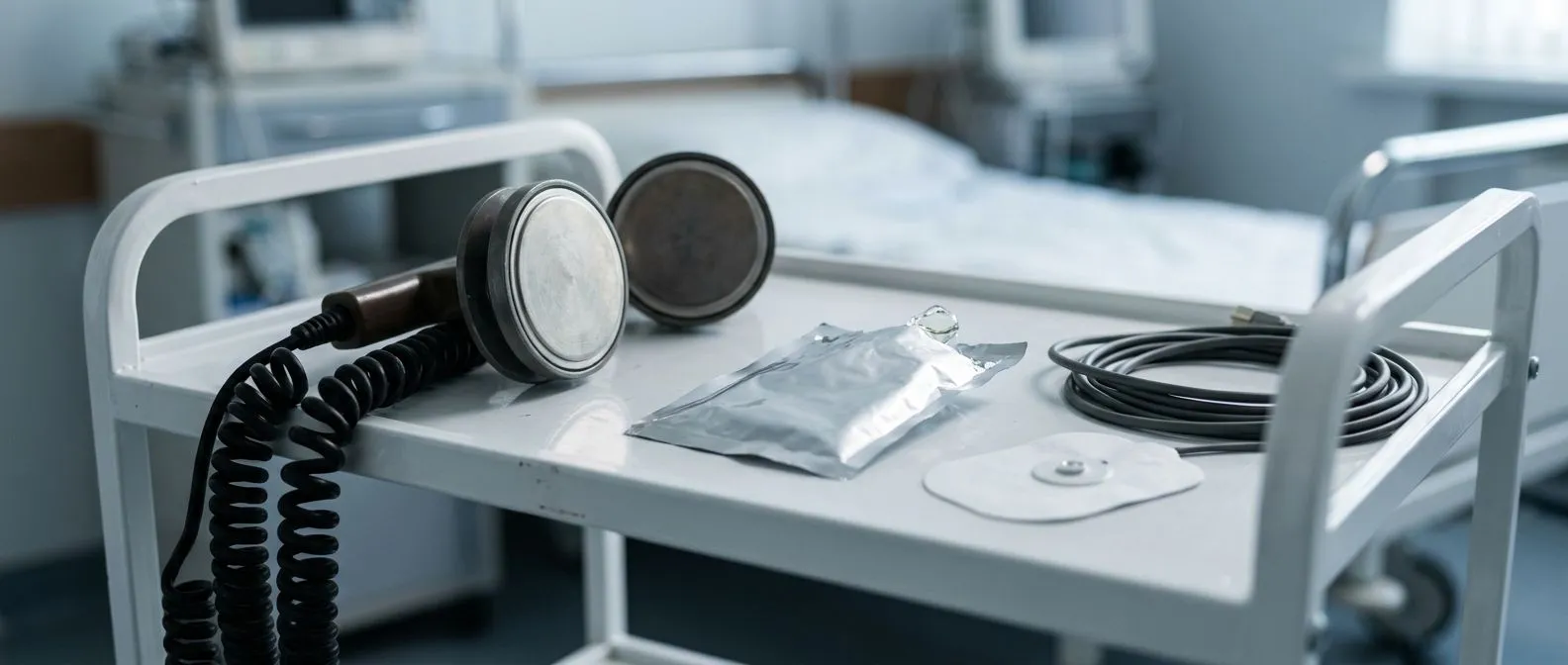
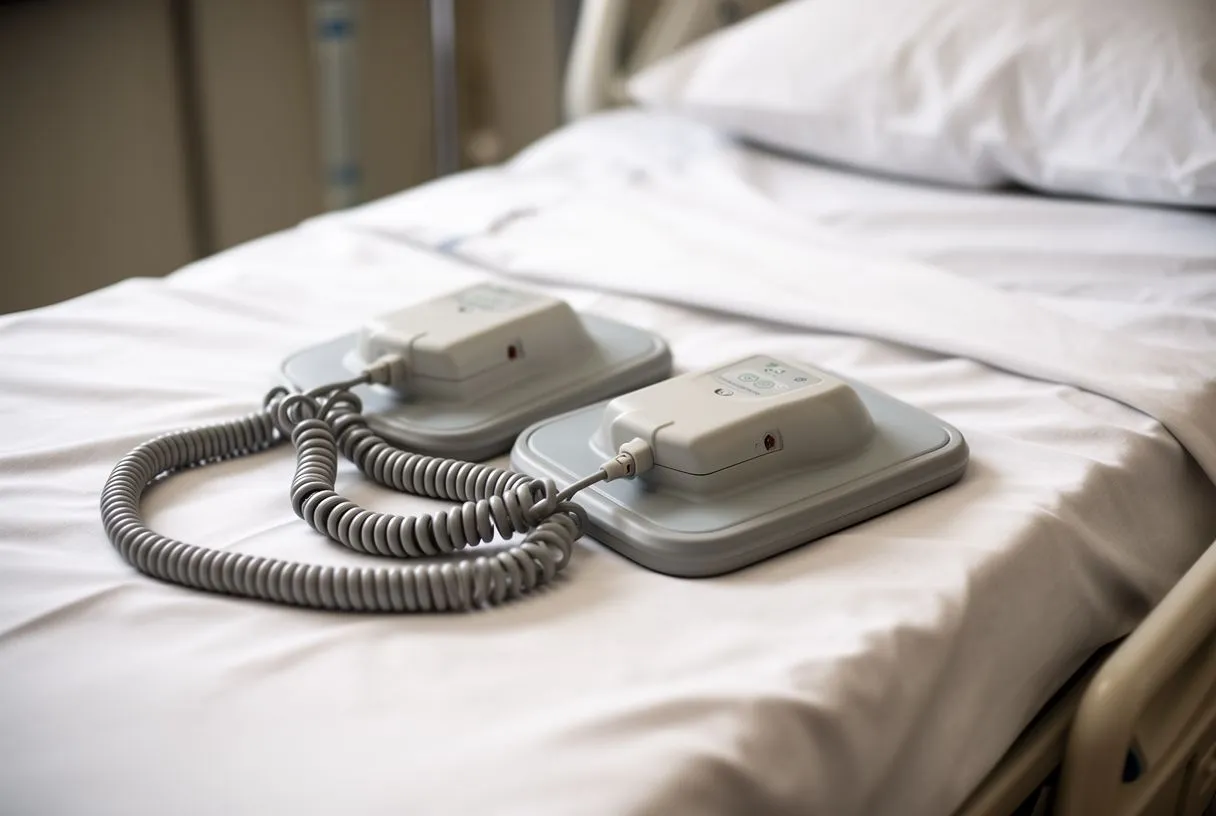
During an electrical cardioversion for afib, specialized pads are placed on your chest and back. A machine called a defibrillator delivers a synchronized, low-energy shock. This synchronization is crucial; the device monitors your electrocardiogram (ECG) and delivers the shock at a precise moment in your heartbeat cycle to avoid triggering more dangerous rhythms in the lower chambers of the heart.
Before the procedure, a comprehensive evaluation is necessary to ensure safety. Your doctor will likely perform an echocardiogram to check for blood clots in the heart. If a clot is present, delivering a shock could dislodge it, leading to a stroke. The Centers for Disease Control and Prevention notes that managing underlying cardiovascular risks is a critical step in preventing stroke complications during heart rhythm interventions (CDC).
Chemical vs Electric Cardioversion
Choosing the right method: When planning your afib treatment options, your cardiology team will decide between chemical and electrical methods. Chemical cardioversion involves using antiarrhythmic medications to restore normal rhythm without the need for electrical shocks. This approach is often chosen for patients who may have a lower tolerance for anesthesia or whose AFib has just started within the last few days.
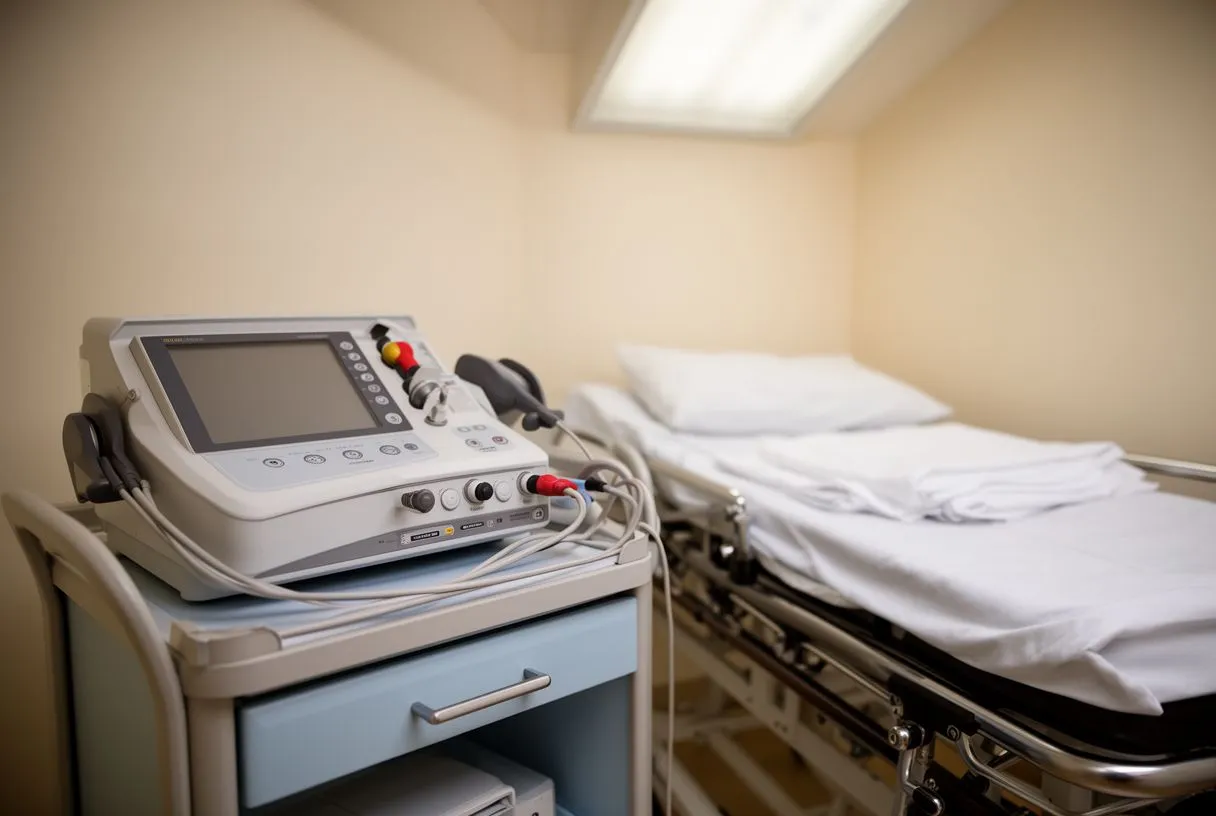
Electrical cardioversion, on the other hand, uses a brief, controlled electrical current to reset the heart. While the concept of a shock can sound frightening, the patient is fully sedated and does not feel the shock itself. The success rate of electric cardioversion is generally higher than the chemical approach, especially in cases where the irregular rhythm has persisted for a longer duration or when the heart muscle walls have thickened.
Sometimes, a combined approach is used to maximize the chances of success. Medications might be administered first to see if they stabilize the rhythm, followed by an electrical shock if the drugs alone are not successful. Your cardiac team will tailor the choice based on your specific anatomy, medical history, and the structural condition of your heart valves and major blood vessels.
What to Expect During Electric Cardioversion
The day of the procedure: On the morning of your electric cardioversion, you will be asked to fast beforehand to ensure the sedation is safe. You will change into a hospital gown, and a nurse will attach sticky pads called electrodes to your chest to monitor your heart rhythm. An intravenous (IV) line is placed in your arm to deliver the sedative that will keep you comfortable and asleep.
The actual delivery of the shock takes only a fraction of a second. You will not feel any pain because the short-acting anesthetic ensures you are deeply asleep. Some patients report a slight soreness in their chest afterward, similar to a mild muscle ache, but the sensation of the shock itself is entirely bypassed due to the carefully managed anesthesia.
After the shock, the medical team continues to monitor your heart rhythm as you wake up. You might feel groggy from the sedation, but this wears off quickly. The team will check your blood pressure, pulse, and breathing. In rare cases, if the first shock does not restore a normal rhythm, the doctor may adjust the energy level and deliver another synchronized shock to achieve the desired reset.
Preparing for Your Cardioversion Procedure
Steps before your appointment: Proper cardioversion preparation is vital for a safe outcome. Because atrial fibrillation can cause blood to pool and form clots in the atrium, your doctor must ensure your blood is adequately thinned. This usually means taking blood thinners, such as aspirin or stronger prescription anticoagulants, for at least three to four weeks before the procedure.
Diagnostic testing and logistics: A transesophageal echocardiogram (TEE) is sometimes performed right before the procedure. This involves passing a thin tube down the esophagus to get a clear ultrasound view of the heart, ensuring no clots are hiding in the left atrial appendage. If a clot is found, the cardioversion is postponed until the clot dissolves. To help you prepare, keep these key points in mind:
- Anticoagulation: Strict adherence to blood thinners is mandatory to prevent stroke.
- Fasting: Do not eat or drink after midnight before your appointment.
- Transportation: Arrange for a family member to drive you home, as sedation prevents safe driving.
You will receive specific instructions regarding your normal medications. Discussing the exact costs, insurance coordination, and travel logistics with the clinic beforehand helps reduce stress on the day of the procedure, especially for international patients traveling for cardiac care.
Cardioversion Success Rate and AFib Rhythm Restoration
Effectiveness of the treatment: The cardioversion success rate is generally quite high, with many patients converting to a normal sinus rhythm immediately after the electrical shock. However, success can depend on how long you have had AFib and the underlying structural health of your heart. Patients who have had AFib for less than a year tend to have better immediate results.
Maintaining the normal rhythm long-term requires a comprehensive approach. While the procedure resets the electrical system, it does not cure the underlying conditions that caused the arrhythmia in the first place. To keep the heart in rhythm, your doctor will likely prescribe antiarrhythmic medications to prevent the rogue signals from returning and to stabilize the heart muscle.
Factors like an enlarged atrium, a diseased mitral valve, or the presence of an atheromatous plaque in the coronary arteries can affect how long the normal rhythm lasts. In some cases, a repeat cardioversion might be needed in the future. Research shared by international health institutions, including guidelines for managing complex systemic therapies, emphasizes the importance of individualized patient plans based on comprehensive diagnostic criteria (5th ESO-ESMO international consensus guidelines for advanced breast cancer (ABC 5).).
Cardioversion Side Effects and Risks
Potential complications: While generally safe, the cardioversion experience does carry some risks. The most serious risk is stroke, which is why strict anticoagulation protocols are followed before the procedure. If a blood clot is present in the heart and dislodges during the rhythm reset, it can travel to the brain and cause severe damage.
Skin and rhythm changes: Minor cardioversion side effects include skin irritation or a mild burn where the electrode pads were placed on the chest and back. This usually heals on its own with basic skin care. Additionally, some patients experience a temporary slow heart rate or other minor arrhythmias immediately after the shock, which the medical team can easily manage with medications or temporary pacing.
Rarely, the shock can cause fluid to build up in the lungs, a condition similar to acute respiratory distress syndrome, though this is highly uncommon in elective, carefully monitored settings (Acute respiratory distress syndrome.). Your anesthesia is also carefully monitored to ensure your breathing remains stable throughout the brief procedure. Understanding these risks helps you recognize what is normal and what requires immediate medical attention.
Life After Cardioversion: Recovery and Maintenance
Immediate recovery: Cardioversion recovery is usually very quick. Most patients go home the same day, a few hours after waking up from the sedation. You might feel tired for the rest of the day, which is a normal effect of the anesthesia rather than the heart procedure itself. You can usually resume normal, light activities the next day without difficulty.
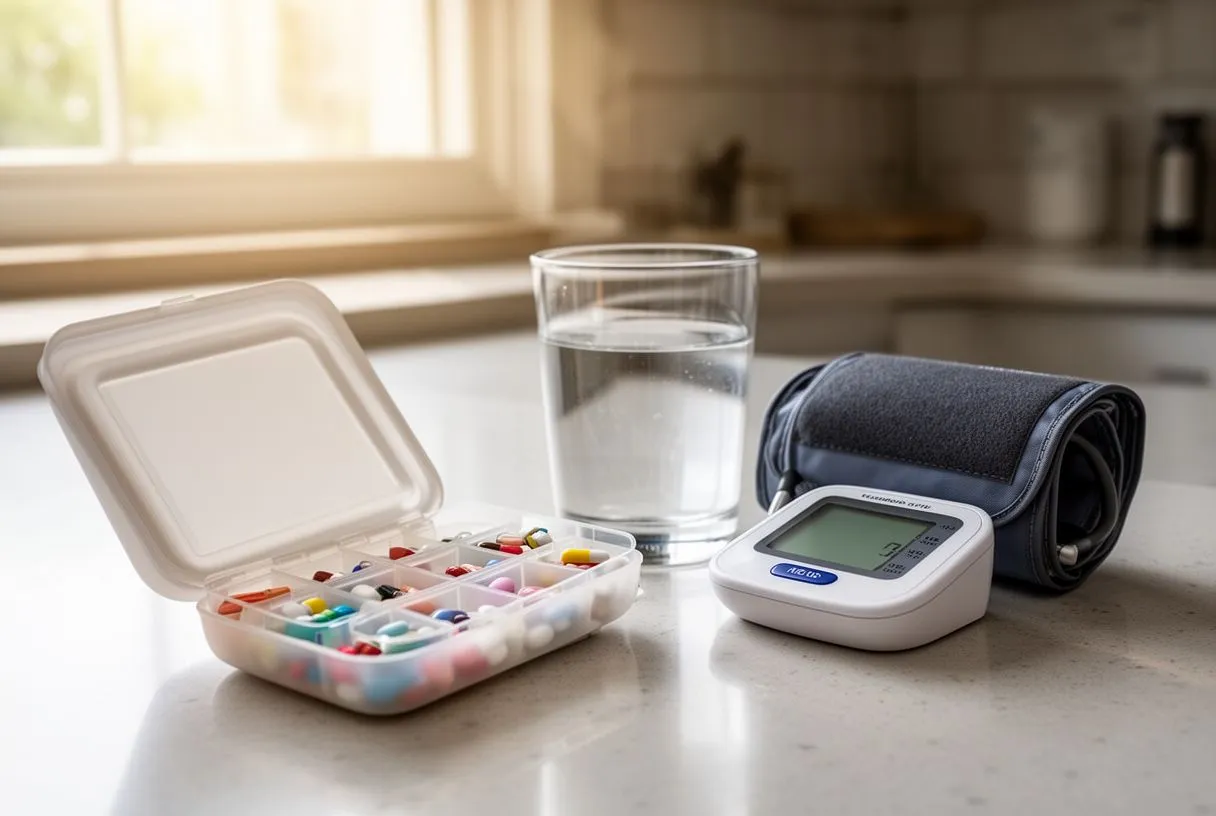
Long-term heart health: Life after cardioversion involves close monitoring and lifestyle adjustments. To maintain the normal rhythm, managing underlying conditions is crucial. This includes controlling high blood pressure, treating sleep apnea, and managing cholesterol levels, which may involve addressing Apolipoprotein B and assessing the need for statin therapy to prevent further vascular disease.
You will likely remain on blood thinners for at least four weeks after the procedure, as the heart muscle takes time to fully recover its normal squeezing function and avoid clot formation. Clinical trials like the ARISTOTLE study have helped define how long patients should remain on anticoagulants after rhythm restoration. Your cardiac team will provide a clear medication schedule and follow-up appointments to check your progress.
Are There Alternatives to Cardioversion for AFib
Exploring other options: If cardioversion is not the right fit, or if AFib keeps returning, there are other afib treatment options available. A common alternative is catheter ablation. In this procedure, a cardiologist threads a catheter through a blood vessel into the heart to scar the tiny areas of tissue that are generating the abnormal electrical signals, effectively blocking the chaotic pathways.
Medication management: Rate control medications are another approach. Instead of trying to restore a perfectly normal rhythm, these medicines slow the heart rate down to a comfortable, efficient level. This strategy is often preferred for older patients or those with long-standing AFib where rhythm control has proven difficult and carries a higher risk of recurrence.
Sometimes, if the AFib is caused by a severely narrowed or leaking heart valve, addressing the valve itself is the priority. Surgical interventions, such as balloon angioplasty for blocked coronary arteries or valve repair, may be recommended to fix the structural issue driving the arrhythmia. Your cardiac team will discuss all these trade-offs to find the lowest risk approach for your specific situation.
When to Seek Help After Cardioversion
Warning signs to watch: Knowing when to seek help after your procedure is a vital part of the recovery process. If you experience severe chest pain, sudden shortness of breath, or weakness and numbness in an arm or persistent arm pain, you should seek emergency care immediately. These could be signs of a stroke or a new cardiac event requiring urgent intervention.
Monitoring your pulse and follow-up: It is helpful to occasionally check your own pulse. If you notice the heart fluttering or irregular beating returning, contact your cardiologist. While a recurrence of AFib is not necessarily a medical emergency, it does mean your treatment plan may need to be adjusted. Keep these warning signs in mind:
- Neurological signs: Sudden confusion, slurred speech, or facial drooping require an immediate emergency call.
- Rhythm changes: A sudden return of a rapid, irregular pulse should be reported to your cardiac team.
- Breathing difficulty: Waking up short of breath or experiencing swelling in the legs indicates fluid retention.
Routine follow-up is the cornerstone of long-term success. We encourage you to discuss your symptoms, recovery timeline, and any concerns about your specific condition with a qualified cardiac team. Do not self-diagnose or rely solely on internet research. Booking a consultation with an expert allows you to receive personalized advice and ensures your heart health is monitored by professionals dedicated to your long-term well-being.