Funnel Chest Repair: Surgical Options for Adults
Funnel chest repair adults can choose minimally invasive Nuss or Ravitch surgery in Guadalajara.
Funnel chest repair for adults is a topic more people are searching for than ever. Many adults have lived for decades with a chest that dips inward at the breastbone — a condition doctors call pectus excavatum, or funnel chest — and only later start asking whether something can be done. This guide walks through what funnel chest is, when it matters for your health, and which surgical options exist for adults, with honest discussion of recovery and results.
What Is Funnel Chest?
Funnel chest is a chest wall deformity in which the breastbone (sternum) and the ribs beside it sink inward, creating a visible depression that can range from a shallow dip to a deep crater. It is the most common congenital chest wall deformity, meaning most people are born with it, even if the shape becomes more noticeable during the adolescent growth spurt. Doctors grade its severity using a measurement called the Haller index, calculated from a CT scan of the chest; values above about 3.25 are generally considered significant.
The deformity itself is a matter of cartilage and bone geometry. The costal cartilages — the flexible cartilage that connects the ribs to the sternum — grow too long or asymmetrically, pushing the sternum backward. In some adults the depression is purely cosmetic; in others it compresses the heart and lungs enough to cause real symptoms.
What Does Funnel Chest Indicate?
In most people, funnel chest indicates nothing more than a variation in chest wall growth. However, doctors pay attention because it can occasionally travel with other conditions. It appears more often in people with connective tissue disorders such as Marfan syndrome, and it can coexist with heart problems, including mitral valve prolapse — a condition where one of the heart's valves does not close completely.
When should it be investigated? If an adult with funnel chest experiences unexplained shortness of breath, palpitations, exercise intolerance, or recurrent chest infections, a proper cardiac and pulmonary evaluation is worthwhile. The heart sits just behind the sternum, and a deep depression can press on the right side of the heart or displace it slightly, which is why an echocardiogram — an ultrasound of the heart — is a standard part of the workup.
Is it linked to chest pain? Some adults report occasional chest discomfort or localized chest pain along the edges of the depression, usually musculoskeletal in origin. That said, chest pain should never be assumed to be "just the pectus" without checking for cardiac causes, especially past middle age.
What Causes Pectus Excavatum?
The exact cause of pectus excavatum remains unknown, but the strongest clue is family history: studies show it runs in families in a significant proportion of cases, suggesting a genetic component. It affects boys roughly three to four times more often than girls, and the depression typically deepens during the rapid growth of puberty.
Because the cartilage of the chest wall grows abnormally, some researchers point to an imbalance in cartilage development — the rib cartilage grows faster than the sternum can accommodate, bending it inward. It can also occur as a feature of broader connective tissue conditions, where the tissues that give the body its structural support are unusually flexible.
Funnel Chest Symptoms in Adults
Adults with funnel chest describe a mix of physical and emotional symptoms. The most common physical complaints are reduced exercise tolerance and a feeling that breathing is "shallow," particularly during exertion. Because the heart and lungs sit directly behind the depression, a deep deformity can restrict how fully the lungs expand and how the heart fills with blood.
- Breathing: shortness of breath during exercise, sometimes attributed for years to "being unfit" when the chest wall geometry is the real limiter.
- Heart sensations: palpitations or awareness of the heartbeat, which can feel frightening even when the heart is structurally sound.
- Compression findings: on testing, a reduced capacity for sustained exertion and, in deeper deformities, evidence of the heart being displaced or compressed.
There is also the psychological weight. Many adults with pectus excavatum spent their teenage years avoiding swimming pools, fitted shirts, or photos without a shirt on. Some adults carry that self-consciousness into their thirties, forties and beyond — and for them, repair is often as much about quality of life as it is about physiology.

Can You Live a Full Life With Pectus Excavatum?
Yes — most people with pectus excavatum live full, healthy lives without surgery. The majority of cases are mild to moderate, and many adults only learn the condition has a name after decades of living with it. Life expectancy is generally not shortened by mild funnel chest, and plenty of athletes have competed at high levels with a noticeable depression.
When does surgery become worth considering? Repair enters the conversation when the deformity is deep enough to produce measurable symptoms — exercise intolerance, cardiopulmonary compression on testing — or when the psychological burden is significant and the person has made an informed decision. A Haller index above about 3.25, combined with symptoms and supporting test results, is the usual threshold specialists use.
The honest answer is that surgery is a quality-of-life decision, not an emergency. Nobody should be pushed into it, and nobody with genuine symptoms should be dismissed either.

Non-Surgical Funnel Chest Treatment for Adults
Before discussing surgery, it helps to know what non-surgical options can and cannot do.
- Targeted exercise: posture training and chest expansion exercises can improve appearance modestly by building the muscles around the depression, but they cannot change the position of the sternum itself. For many adults, "funnel chest exercise vs surgery" is a fair question — exercise helps function and confidence, but it does not correct the anatomy.
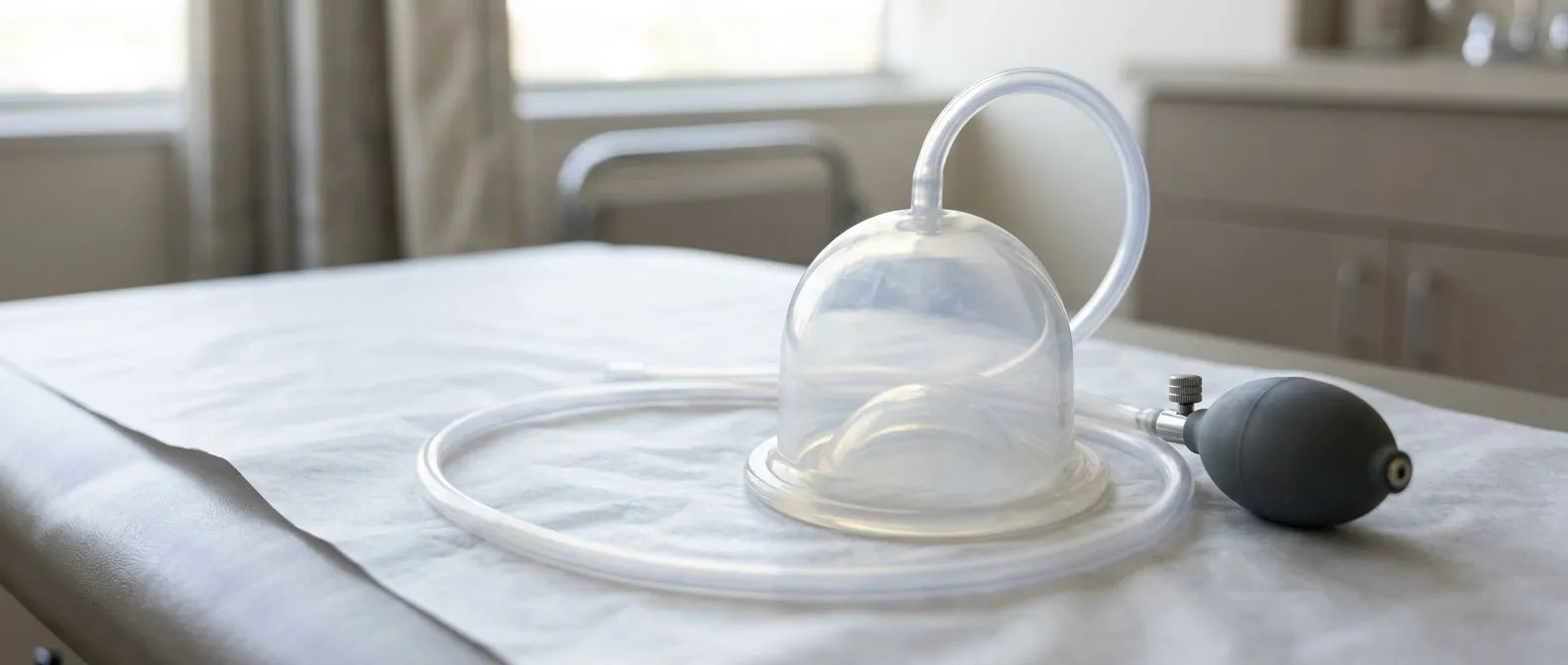
- Vacuum bell: a suction device placed over the depression daily for a period of months. It can flatten mild deformities, especially in younger patients with flexible chest walls, and is the main non-surgical funnel chest treatment with any real evidence behind it.
In adults, the chest wall is far stiffer than in teenagers, so both approaches yield smaller changes. Still, for a mild deformity, a trial of conservative measures is a reasonable first step, and we discuss it candidly with every patient before anyone talks about an operating room.
Funnel Chest Surgery for Adults: What Are the Options?
Funnel chest surgery for adults falls into two main techniques, and the choice between them depends on the severity, the flexibility of the chest wall, and the surgeon's assessment. Both are performed by thoracic or cardiothoracic surgeons, and both aim to reposition the sternum and hold it in place while the chest heals into its new shape.
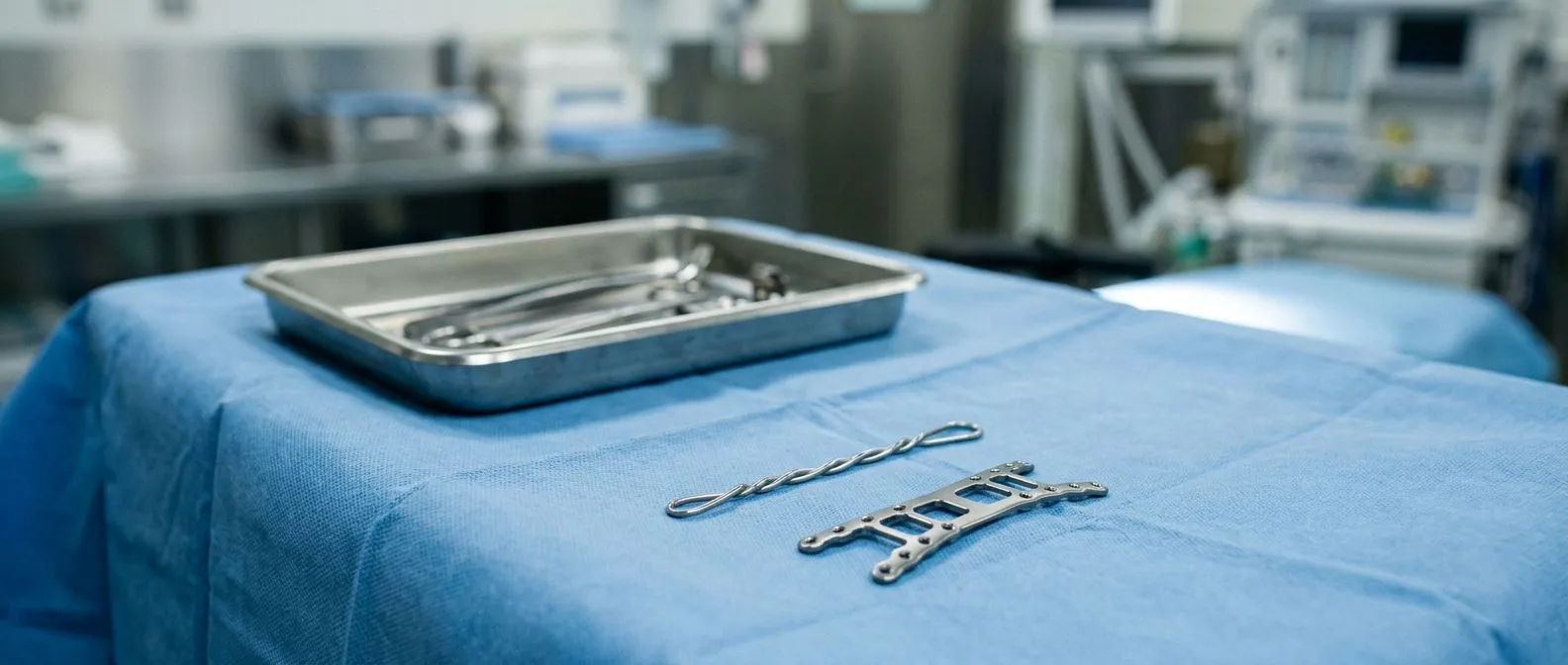
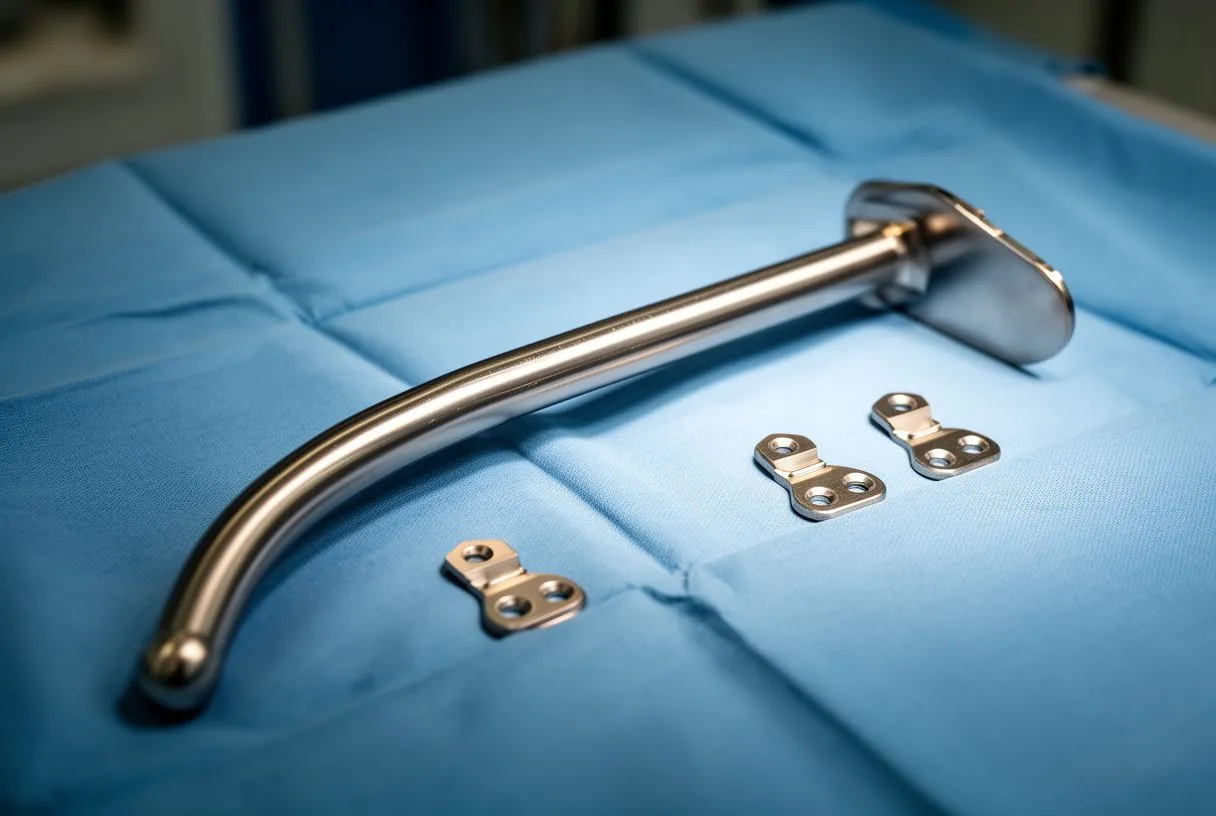
The Nuss procedure (minimally invasive repair). This is the most widely used minimally invasive funnel chest repair. Through two small cuts on the sides of the chest, the surgeon inserts a curved metal bar beneath the sternum and flips it, pushing the depression outward. The bar stays in place for two to four years and is then removed. It avoids any rib or cartilage removal, and the incisions are small and placed at the sides, where they are discreet.
The Ravitch procedure (open repair). This is the classic open approach, through an incision along the chest. The surgeon removes segments of the deformed rib cartilage and repositions the sternum, sometimes with a small supportive bar. It takes longer to recover from but remains the preferred option for many adults, particularly those with very stiff chest walls, asymmetric depressions, or previous failed repairs, where the minimally invasive route is not technically suitable.
Every case we review is discussed by our multidisciplinary team against international practice guidelines before a recommendation is made, and the patient receives a clear proposal with the alternatives — the final decision is always theirs.
The Nuss Procedure in Adults
The Nuss procedure was originally designed for children and adolescents, and adult versions carry important caveats. Adult bones and cartilage are less flexible, so the bar must often be shaped and placed with more precision, and pain management after surgery tends to be more demanding.
What to expect. The operation itself typically takes one to two hours. Patients usually stay in hospital for three to five days, and pain around the bar is the dominant issue in the first weeks — it is managed with medication and eases steadily. Most adults return to desk work within two to four weeks, while sports and heavy lifting wait until the surgical team clears them, often at three months.
Is it right for every adult? No. Adult Nuss repair generally works best in younger, thinner adults with symmetric, flexible deformities. We recommend the less invasive route only where the evidence supports it for that specific patient — for some, the open Ravitch repair is genuinely the lower-risk choice, and we say so plainly.
The Ravitch Procedure in Adults
The Ravitch repair remains a mainstay for adult funnel chest correction precisely because adult anatomy can be difficult. By removing the abnormal cartilage segments, the surgeon directly addresses the structure that is holding the sternum down, rather than forcing it out with a bar alone.
Recovery and results. Hospital stay is usually five to seven days, and the recovery is slower than the Nuss — expect six to eight weeks before returning to normal daily activity, with full healing over several months. The scar runs along the chest, which matters to some patients, and there is a risk of the sternum settling back slightly over time if supportive measures are not used.
Combined procedures. One interesting area of practice is combining chest wall repair with heart surgery when a patient needs both — for example, simultaneous repair of a congenital heart defect and pectus excavatum has been described in the surgical literature, avoiding two separate operations. This kind of planning is exactly why adults with funnel chest should be evaluated by a team that covers both the chest wall and the heart.
Adult Pectus Repair Recovery Time
Recovery is the part patients most want to understand honestly, and it differs meaningfully between the two procedures.
First weeks. Pain is significant with both techniques and is managed with a scheduled medication plan, not just "as needed" doses. Breathing exercises are essential — they keep the lungs fully inflated while the chest is sore and reduce the risk of chest complications. We take the time in the consultation to explain what the studies actually show and what each day of recovery will realistically look like, because patients who know what to expect manage pain and activity far better.
Months ahead. With the Nuss, the bar stays in for roughly two to three years in adults before removal in a smaller procedure. With the Ravitch, healing of the cartilage is the long game — most results are settled by six to twelve months. Contact sports are off the table for several months with either approach.
The first step, though, needs no surgery at all: it is a conversation. We offer a free video consultation where we get to know the patient, talk through the condition, and identify exactly which studies are still needed so no unnecessary ones are ordered. We also encourage second opinions — seeking one is a normal, sensible part of deciding about any heart or chest wall surgery. If you have lived with funnel chest and are wondering whether funnel chest repair for adults could change how you breathe, exercise, or simply feel about your body, the next step is to discuss your own situation with a qualified cardiac and thoracic team rather than self-diagnosing. Dr Alejandro Molina's team in Guadalajara, Querétaro and Hermosillo would be glad to start that conversation.