Nuss Procedure for Pectus Excavatum: Results and Recovery
Nuss procedure recovery week by week: what to expect after minimally invasive pectus excavatum surgery, from hospital stay to return to activity.
Many people with a sunken chest have already spent years wondering whether it matters. Pectus excavatum — often called "funnel chest" — is the most common chest wall deformity in children and young adults, and for some people it is purely cosmetic, while for others it presses on the heart and lungs enough to cause breathlessness, fatigue or palpitations. The Nuss procedure is the best-known operation to correct it, and this guide walks through what the surgery involves, what the nuss procedure recovery timeline really feels like week by week, and how to decide whether it is right for you or your child.
What Is the Nuss Procedure?
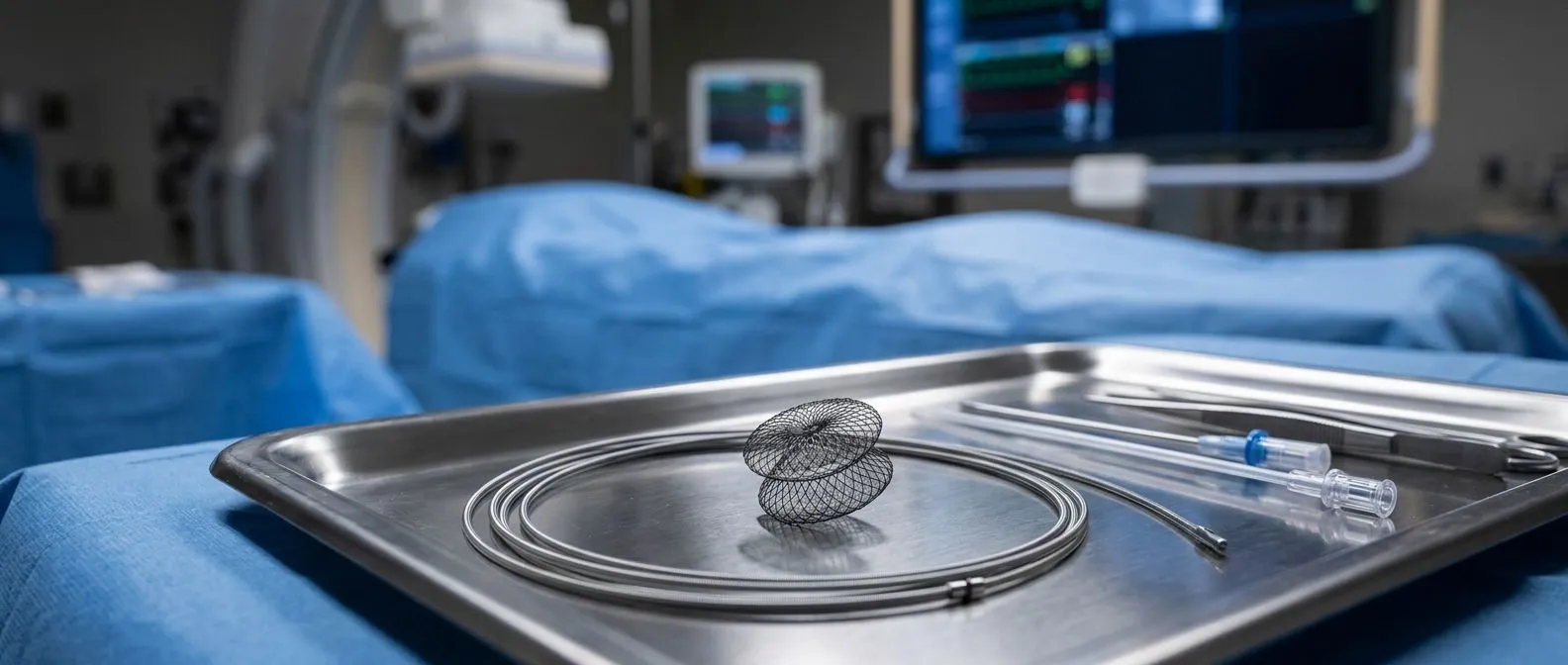
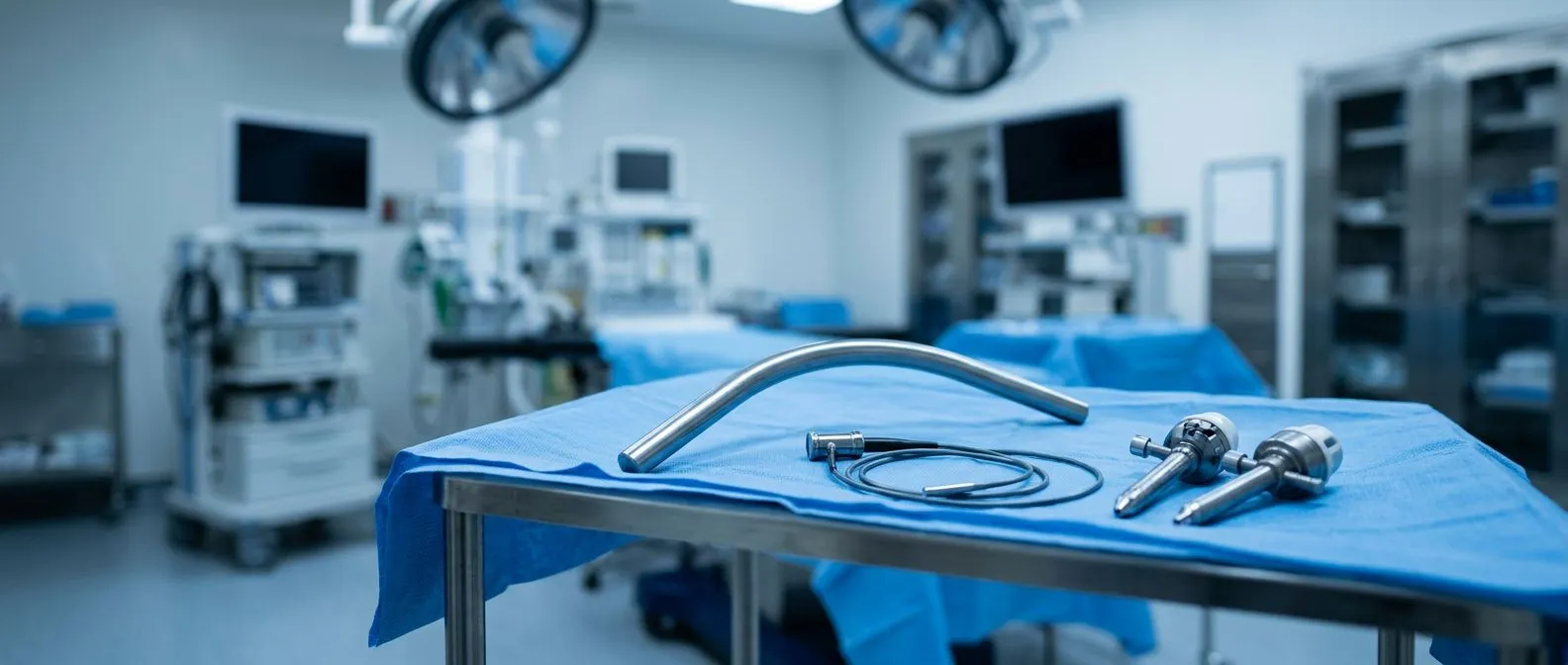
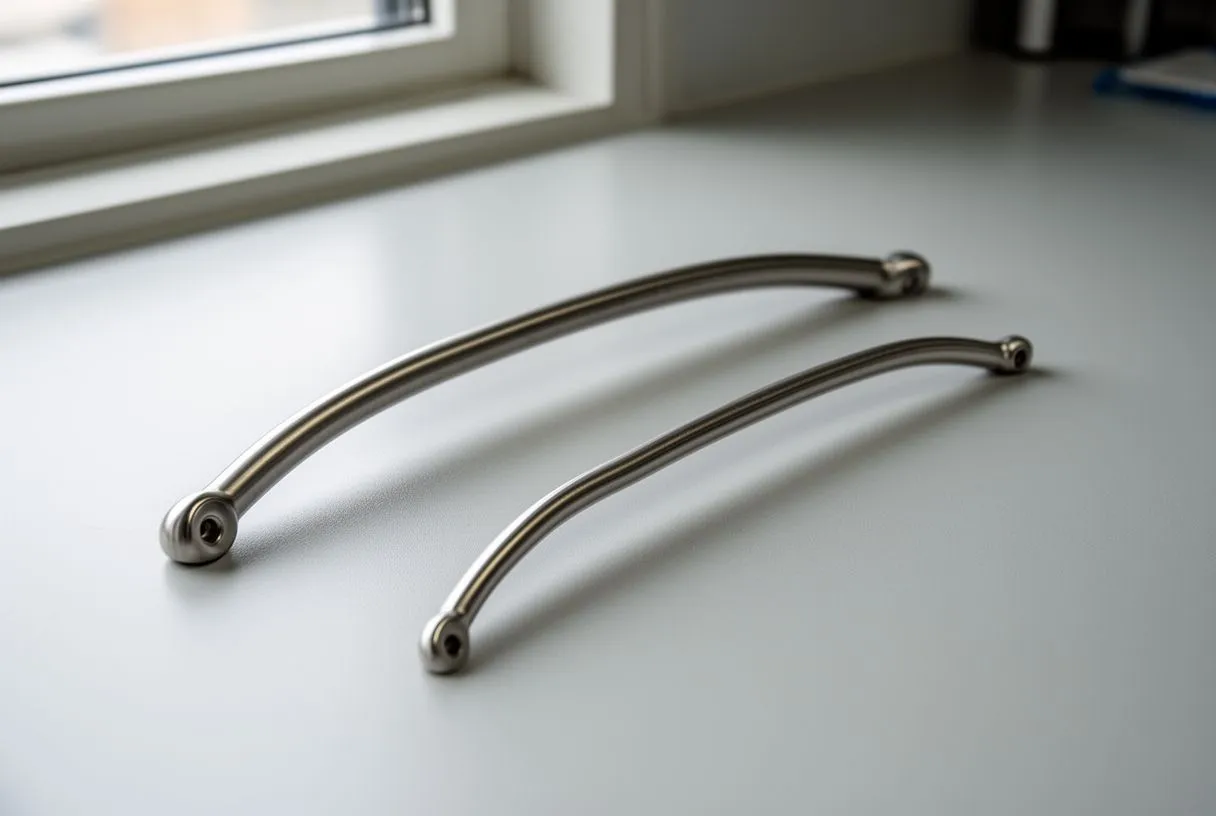
The bar behind the breastbone. The Nuss procedure corrects pectus excavatum by inserting a curved metal bar behind the sternum, the flat bone at the front of the chest. The surgeon makes two small cuts on the sides of the chest, guides the bar through under the breastbone with the help of a small camera, then rotates it so its curve pushes the sunken area outward. No bone is cut, which is why the technique is called minimally invasive pectus repair. The bar stays in place for two to three years while the chest wall remodels into its new position, and it is then removed in a short day procedure.
Why the correction holds. Cartilage — the flexible tissue connecting the ribs to the breastbone — gradually firms up around the bar in its corrected position. In children and teenagers this remodeling is especially reliable, which is one reason the operation is often offered between roughly ages 8 and 15, before the skeleton fully matures.
Who it is for. Good candidates have a depression deep enough to affect the heart or lungs, or a deformity that causes significant distress. Imaging such as a CT scan of the chest, an echocardiogram and lung function tests define the severity — for example, the Haller index, a measurement from the CT scan, is what surgeons use to decide whether the defect is clinically significant. The National Heart, Lung, and Blood Institute describes pectus excavatum as a condition that can restrict heart and lung function in its more severe forms, which is why proper evaluation matters before any operation.
What Are the Options for Surgery for a Concave Chest?
Two main operations. Families usually ask what the alternatives are, and the answer is fairly clear. The Nuss procedure uses the bar described above. The Ravitch procedure is the older, open technique: the surgeon removes the deformed costal cartilage and repositions the breastbone directly, without a bar. Each has trade-offs.
- Nuss procedure: small side incisions, no bone cut, shorter hospital stay, but a bar stays in the chest for years and early pain can be significant.
- Ravitch procedure: no permanent bar, sometimes preferred for older patients or atypical deformities, but involves a longer incision on the chest and a longer healing period.
- Observation: mild deformities with normal heart and lung function often need no operation at all — monitoring and posture therapy are legitimate choices.
Choosing between them. The right operation depends on age, the shape of the deformity, how flexible the chest wall is, and whether the heart or lungs are affected. The decision should be made by a team that reviews the imaging together, not by a single measurement on a scan.
Is the Nuss Procedure Major Surgery?
Minimally invasive, but not minor. This is a fair question and the honest answer is nuanced. The operation is technically "major" in the sense that a metal bar is positioned inside the chest next to the heart, and it is done under general anesthesia in an operating room with a full surgical team. At the same time, it avoids opening the chest, cutting bone or dividing muscle the way the older Ravitch repair did, so the recovery is shorter and the visible scars are small.
What the operation actually involves. Two incisions of a few centimeters on each side of the chest, a camera (thoracoscope) to watch the bar pass safely behind the breastbone, and a bar that is flipped into position. The whole procedure commonly takes one to two hours. In experienced hands, published series describe low rates of serious complications — the most common early problems are pain and temporary bar displacement rather than injury to the heart or lungs. Imaging such as MRI can also be used to evaluate the deformity and the space around the bar; for instance, magnetic resonance imaging of the chest can map the deformity and heart position without radiation.
Our approach. We are a multidisciplinary team of cardiac surgeons led by Dr Alejandro Molina, and every case — including chest wall procedures that involve the heart's neighborhood — is reviewed against international practice guidelines before we recommend anything. The question families should ask is not "is it major?" but "what are the specific risks for this specific chest, and who will be watching for them?"
What Does Nuss Procedure Recovery Look Like Week by Week?
Week 1 — hospital and home. The nuss procedure recovery starts with a hospital stay, usually two to four days. The first days are dominated by pain control and breathing exercises; patients are encouraged to sit up and walk within a day or two. Most go home with oral pain medication and instructions to sleep on their back for a period. This is the week when patience matters most; the first five days are often the hardest part of the entire process.
Weeks 2 to 4 — returning to gentle routines. By around two to three weeks most children and teenagers are back at school, moving normally, and no longer needing strong pain relief. Adult patients who work desk jobs are often back at similar timeframes. Heavy pushing, pulling and lifting remain off the table, and contact sports are far away. Walking is the main exercise at this stage, and it genuinely helps — it prevents lung complications and speeds the sense of normality.
Weeks 4 to 8 — settling in. The bar becomes less noticeable as the body adjusts. Discomfort around the incisions fades to occasional soreness, especially with weather changes or certain positions. Around the six-week mark many surgeons allow gentle swimming and progressive activity, depending on how healing is going. The realistic picture: the nuss bar recovery timeline is measured in weeks for daily life, but months for feeling entirely "normal" around the bar.
What Is the Hospital Stay Like After a Nuss Procedure?
The first 24 hours. After the operation patients wake in a recovery area, often with a thoracic epidural or a nerve block already in place — these pain-control techniques are the single biggest factor in how comfortable the first days feel. Some patients have a temporary chest drain on one side to let air escape from the space around the lung; it is removed within a day or two.
Days 2 to 4. The priority is pain control, deep breathing, and getting upright. Walking the hospital corridor several times a day is standard, and it is the best sign of a smooth recovery. Chest X-rays confirm the bar is in the right position and that the lungs are fully expanded before discharge. Most patients go home between day 2 and day 4.
Going home. Before discharge, families leave with clear instructions: how to use pain medication, what movements to avoid, when to call, and when the follow-up appointments are. In our practice the first contact is a free video consultation, but before any operation we schedule a face-to-face visit at our consulting rooms in Guadalajara, Querétaro or Hermosillo, and we take the time to explain what the studies actually show, in plain words, before anyone decides anything.
How Is Pain Managed During Nuss Procedure Recovery?
Why pain deserves attention. The bar sits behind the breastbone and the muscles between the ribs have to stretch, so postoperative pain is real and well recognized. Modern pectus programs use a combination approach rather than relying on one strong medication — this is what "enhanced pain management" means in recent surgical literature, and it has visibly shortened hospital stays.
- Regional anesthesia: a thoracic epidural or nerve block numbs the chest wall for the first days, reducing the need for strong opioids.
- Scheduled oral medication: anti-inflammatory medication and pain relief taken on a schedule rather than "only when it hurts" keeps pain ahead of itself.
- Breathing exercises: incentive spirometry — a simple device you breathe into — keeps the lungs expanded and helps prevent chest infection.
What we watch for. Patients who follow the pain schedule exactly in the first week, instead of "toughing it out," tend to manage pain best, and the plan can be adjusted in the hospital if the first approach is not enough.
What Exercise and Lifting Restrictions Apply During Nuss Procedure Recovery?
The lifting rule. Nuss procedure lifting restrictions exist for one reason: so the bar does not shift before the chest has healed around it. For roughly the first four to six weeks, patients avoid lifting anything heavy, pushing, pulling, or twisting movements that strain the chest. School bags are carried on both shoulders, or wheels are used. This restriction is temporary, and it is the most important instruction to follow.
Sports timeline. Contact sports — soccer, basketball, martial arts — are typically off limits for about three months, and many surgeons extend this to six months or the first year depending on healing. Non-contact activities such as walking and light swimming return much earlier. Competitive athletics generally resume only when the surgeon has seen good healing on follow-up imaging.
Returning to school and work. Nuss procedure return to school usually happens within two to three weeks, with temporary exemptions from physical education class. Desk work for adults follows a similar pattern. Strenuous jobs that involve lifting may need several more weeks or modified duties — worth planning with an employer in advance.
Can Pectus Excavatum Come Back After a Nuss Procedure?
The honest answer: it can, sometimes. Recurrence after bar removal is one of the known limitations of the technique. It is more likely when the operation is done very young, when the chest wall is unusually rigid, or when the bar is removed earlier than planned. Published long-term series of the Nuss procedure report overall good correction that persists in the large majority of patients, with a minority needing revision or experiencing some return of the depression.
How the risk is managed. Surgeons counter recurrence in several ways: choosing the right age for the operation, leaving the bar in place for the full two to three years, using stabilizers to hold the bar in position, and sometimes combining the Nuss repair with cartilage reshaping in older or atypical patients. Follow-up imaging before bar removal helps confirm the chest wall has genuinely remodeled.
Long-term follow-up matters. A chest that looked perfect at removal can change over subsequent growth years, which is why responsible programs keep reviewing patients after the bar comes out. If a recurrence appears, the options — reinserting a bar or a Ravitch-style repair — exist and are discussed openly rather than presented as a failure.
How Does Nuss Procedure Recovery Differ for Adults and Teenagers?
Teenagers: the fastest lane. Nuss procedure recovery for teenagers is generally the smoothest. Flexible cartilage means the bar moves into position with less force, pain settles quicker, and remodeling around the bar is reliable. School-age patients are also usually highly motivated and adapt to restrictions quickly.
Adults: possible, with caveats. Nuss procedure recovery for adults is feasible and many adults over 20 have excellent results, but the chest wall is stiffer, so the correction may require more force, and pain in the first weeks tends to run stronger. Some adult patients are better served by the Ravitch approach or by a combined technique. Age alone does not disqualify anyone — the anatomy does or does not.
When is it too late to fix pectus excavatum? This question comes up constantly, and the truthful answer is: it is rarely "too late," but the ideal window is before skeletal maturity. Adults can and do undergo successful repair; the trade-offs are longer recovery and somewhat higher risk of bar displacement. If symptoms — breathlessness, reduced exercise tolerance, palpitations — are real, evaluation is worthwhile at any age.
Is Surgery for Pectus Excavatum Worth It?
Function, not just appearance. For patients with a significant deformity, correcting it can improve exercise tolerance and relieve the sensation of breathlessness, and it removes the daily friction of living with a visible chest wall difference. Studies of quality of life after repair consistently show improvements in body image and confidence, particularly among adolescents. That said, "worth it" is a personal judgment, and a chest wall operation to change appearance alone should be entered with clear expectations about pain and recovery.
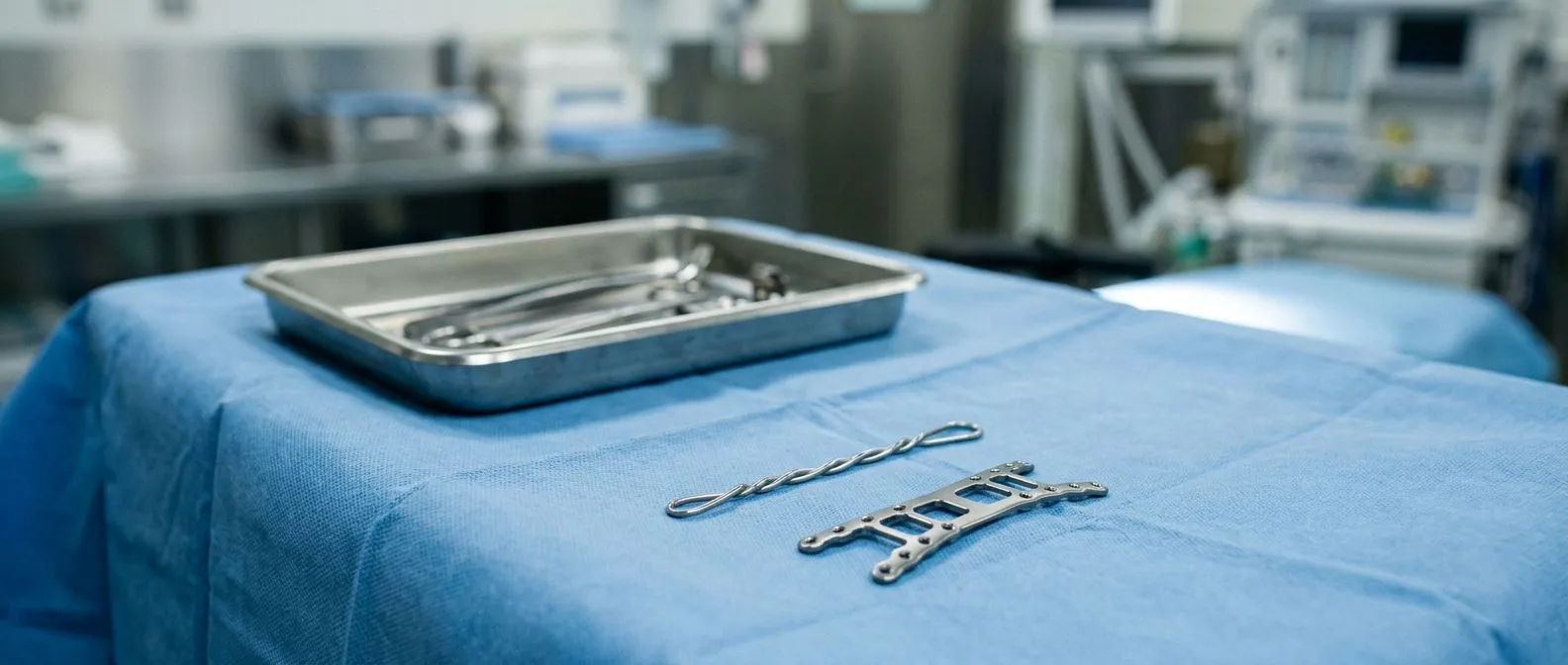
What the risks really are. Beyond the early pain, known complications include bar displacement, allergy to the metal (rare), pneumothorax — air around the lung — wound infection, and rarely injury to nearby structures. These risks are low in experienced hands but not zero, and a good surgical team will state them plainly rather than minimize them. There are also cases in the literature where a pectus repair has been combined with other cardiac operations, such as simultaneous pectus excavatum repair using a sternal plate during a Bentall procedure, showing how chest wall and heart surgery can intersect when a team plans it together.
Making the decision. If you or your child has a concave chest and you are weighing surgery, start with proper evaluation: imaging, heart and lung tests, and a conversation with a team that does both chest wall and cardiac work. We encourage second opinions and treat seeking one as a normal part of deciding about any operation — the final decision always belongs to the patient and family. The best next step is a consultation where your questions are answered in plain language, not a self-diagnosis from the internet. If you would like to talk it through, book a video consultation with our team: we will review what you have, tell you which studies are genuinely needed, and lay out the options — including the option of doing nothing at all.