Ravitch Procedure: Open Repair for Chest Wall Deformity
Ravitch procedure recovery week by week: pain control, activity limits, and return-to-life timelines from Guadalajara's chest wall specialists.
If you or your child has been told that chest wall surgery is on the table, the weeks ahead can feel like a fog of unfamiliar words: cartilage resection, bar placement, drainage tubes. The Ravitch procedure is the most established open repair for chest wall deformity, and understanding how ravitch procedure recovery actually unfolds — day by day, week by week — is the single best way to replace that anxiety with a plan. This guide walks through who the operation suits, what happens in the operating room, realistic timelines for getting back to school, work and sport, and honest answers about pain and risk.
What Is the Ravitch Procedure?
Open repair of the chest wall. The Ravitch procedure is an open operation that reshapes the cartilage connecting the ribs to the breastbone. Surgeon Mark Ravitch first described it in the 1940s, and it has been refined over more than seventy years into the versions used today. Unlike minimally invasive techniques, the surgeon works directly on the chest wall through a small incision, removing abnormal cartilage and repositioning the sternum. The result is a durable, anatomically direct correction — which is why the operation remains a mainstay for complex or recurrent deformities.
Two deformities, one operation. The same technique, with variations, corrects both pectus excavatum — the "funnel chest," where the breastbone sinks inward — and pectus carinatum, where the chest protrudes outward. In funnel chest, cartilage is removed so the sternum can be lifted forward; in carinatum, the repair flattens the projection. Each case is different, which is exactly why the operation is tailored rather than templated.
Why it is still relevant. Minimally invasive repair has transformed care since the 1990s, yet the open approach still wins for adults, older teenagers, asymmetric chests, and patients who have had previous surgery. At our practice, every chest wall case is reviewed by the multidisciplinary team against international guidelines before we recommend any particular operation, and we encourage a second opinion as a normal part of the decision. The patient receives a clear proposal with the alternatives — and the final decision is always theirs.
Who Needs Ravitch Surgery for Funnel Chest?
More than appearance. A sunken sternum can compress the heart and lungs, reducing exercise tolerance and sometimes causing shortness of breath, chest tightness, or a racing heart with exertion. Some patients also carry a psychological burden that affects daily life. Surgery is considered when the deformity is symptomatic, when tests show reduced heart or lung function, or when the psychological impact is significant. Evaluation typically includes physical examination, a chest X-ray, a CT scan to measure the severity index, and lung function and cardiac studies.
Candidates for the open approach. Adults, patients with asymmetric or atypical deformities, those with recurrence after previous repair, and people whose chest wall stiffness makes minimally invasive correction unreliable are generally the best fit for the Ravitch technique. Age matters less than cartilage flexibility: younger chests spring back more readily, while adult cartilage is more rigid and may need resection to allow repositioning. There is rarely a point where it is "too late" to fix pectus excavatum — adults in their forties and beyond undergo successful repair — but outcomes are best discussed case by case with an experienced team.
The assessment we do. In our first contact — a free video consultation — we get to know the patient, talk through the condition, and identify exactly which studies are still needed so no unnecessary tests are ordered. We look at the CT measurements, the symmetry of the deformity, and the flexibility of the chest wall before we ever recommend open versus minimally invasive repair.
Ravitch vs Nuss: Which Surgery Should You Choose?
Two very different strategies. The Nuss procedure is minimally invasive: a curved metal bar is inserted through two small side incisions and flipped to push the sternum outward, staying in place for two to four years. The Ravitch procedure removes abnormal cartilage directly and repositions the sternum, often with a small supportive bar or plate. Each has real trade-offs, and the honest answer to "which surgery should you choose?" is: the one matched to your chest, not a general preference.
- Nuss: no cartilage removal, smaller incisions, faster tissue healing — but bar remains in the body for years and is best for flexible, symmetric deformities in younger patients.
- Ravitch: direct cartilage reshaping, works for asymmetric and adult chests, permanent cartilage correction — but a longer incision and generally a more painful early recovery.
- Recurrence cases: after a failed Nuss or previous surgery, the open approach is usually the reliable route, since it lets the surgeon address scar tissue and stiffness directly.
Making the decision together. When we sit down with patients, we explain what the imaging actually shows in plain words and lay out both operations with their trade-offs before any recommendation is made. Our team trained in conventional, minimally invasive, robotic and transcatheter techniques, so the discussion is genuinely about the least invasive option that the evidence supports for that specific patient — never about steering everyone toward one operation.
How Painful Is the Ravitch Procedure?
Honest answer: the first week is the hardest. Because the operation involves cartilage resection along the ribs, the ravitch procedure recovery period is more painful than minimally invasive alternatives — particularly during the first days after surgery. Most patients describe a deep, aching soreness across the front of the chest that sharpens with coughing, laughing, or changing position. This is expected and it is managed, not endured: modern pain protocols combine regional nerve blocks, scheduled anti-inflammatory medication, and, when needed, short courses of stronger analgesia.
It improves on a predictable curve. Pain typically peaks in the first 48 to 72 hours, drops noticeably after the first week, and becomes a manageable soreness by weeks three to four. Most patients are off strong pain medication by the second or third week. Patients who keep to the prescribed schedule rather than waiting for pain to spike consistently report a smoother course — chasing pain is harder than staying ahead of it.
The breathing paradox. Paradoxically, the main pain control tool is breathing. Deep breaths, incentive spirometry, and gentle movement keep the lungs fully expanded and prevent complications — yet every breath tugs on the healing chest wall. Patients should expect discomfort with breathing exercises in the first days and should push through it anyway, guided by the care team, because the short-term discomfort protects against pneumonia.
What Happens During the Operation?
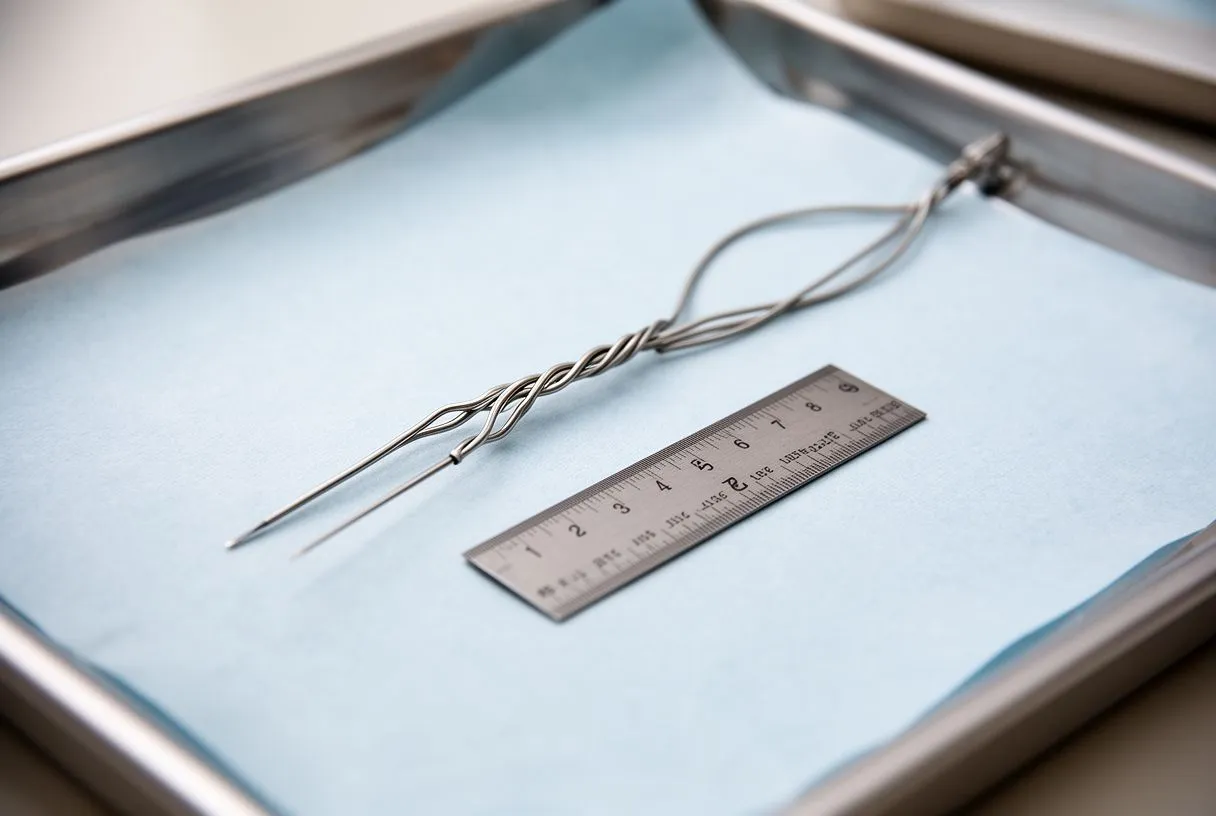
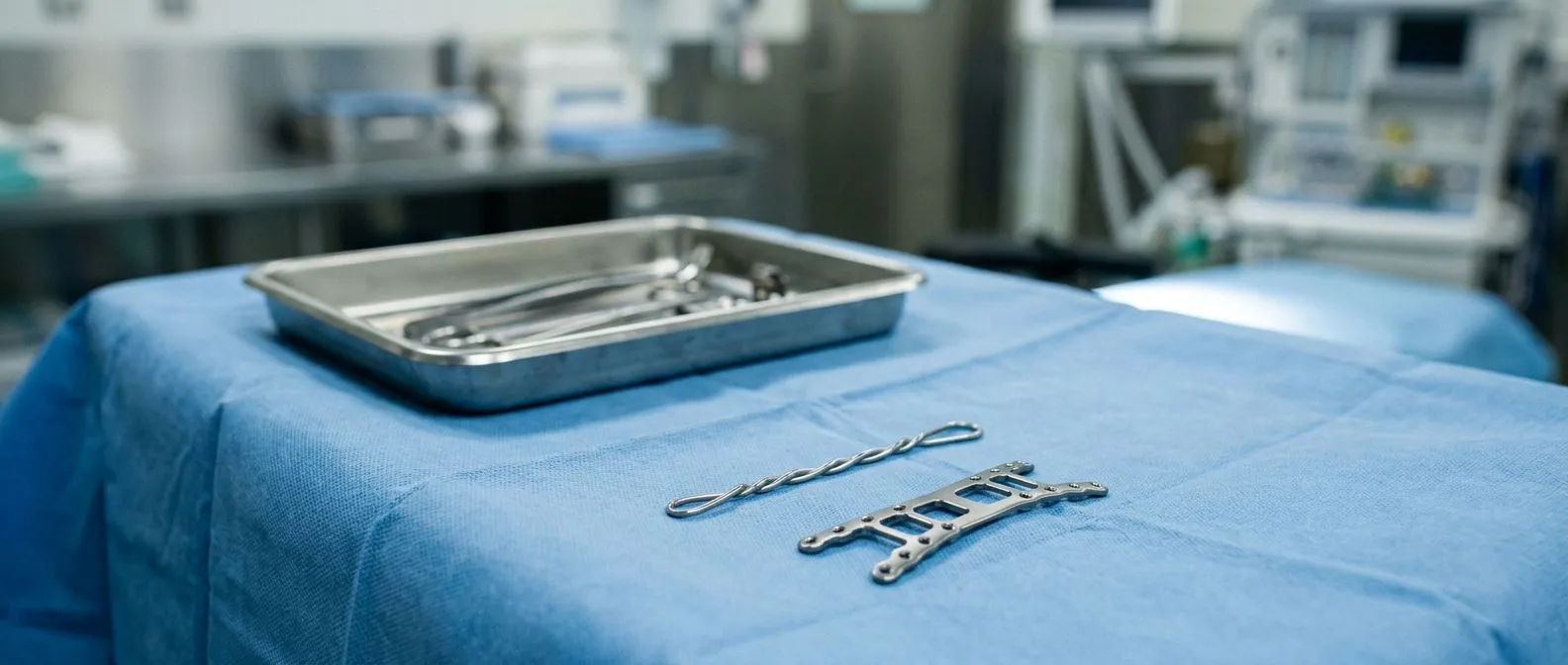
The steps, in plain language. Under general anaesthesia, the surgeon makes a horizontal incision over or just below the breastbone, lifts the soft tissue off the chest wall, and removes the strips of abnormal rib cartilage that hold the sternum in the wrong position. The sternum is then repositioned — lifted forward in funnel chest, flattened in carinatum — and stabilised with a small metal bar, plate, or absorbable struts. A chest drain may be left briefly to evacuate air and fluid. The operation typically takes two to four hours.
What the body does afterward. The excised cartilage regenerates over months, and the ribs heal in their new position, which is what makes the correction permanent. The support bar, if used, is usually removed in a smaller second operation after about six months. The regenerated cartilage actually tends to be firmer than the original, contributing to the long-term stability of the result.
Immediately after surgery. Patients wake in the recovery room, where breathing, oxygen levels and pain are closely monitored. Most stay in hospital for three to five days — longer than after a Nuss procedure, reflecting the more extensive tissue work. A chest drain, if placed, is usually removed within the first day or two once drainage slows.
Ravitch Procedure Recovery Timeline, Week by Week
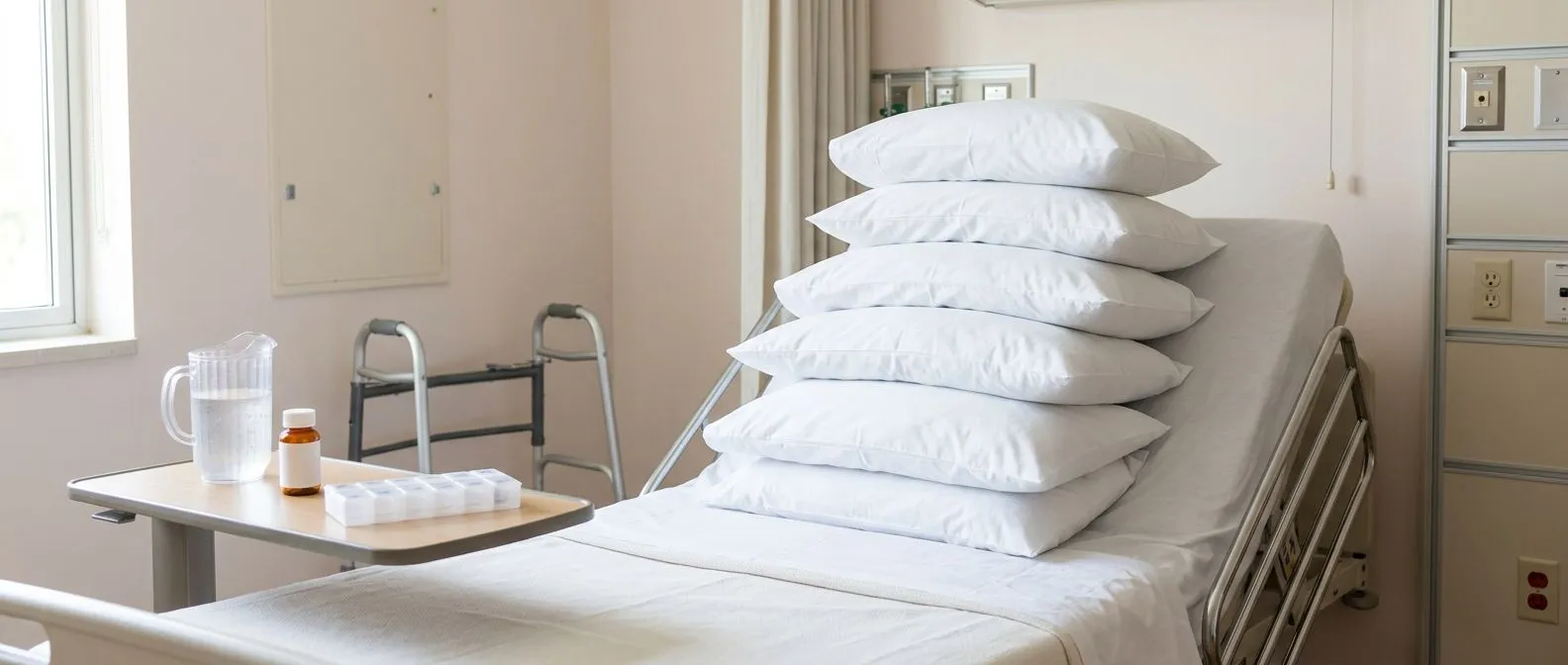
Weeks 1–2: healing and gentle movement. The first two weeks of ravitch procedure recovery focus on pain control, breathing exercises, and short walks inside and outside the house. Sleep is easiest in a reclined or slightly elevated position; many patients find a recliner more comfortable than a bed for the first fortnight. The incision is kept clean and dry, and drivers should plan not to drive in this period — both because of pain and because seatbelt pressure crosses the healing chest.
Weeks 3–6: returning to normal life. Pain settles to soreness, medication steps down, and light daily activity resumes. Desk work and school typically become feasible somewhere between three and six weeks. Upper body lifting stays restricted — most teams cap lifting at a few kilograms for the first six weeks — and sports, swimming and heavy gym work remain off-limits until cleared.
Months 2–6: rebuilding and final healing. By two to three months, most patients feel close to normal for everyday activities. Contact sports and heavy lifting are usually cleared around three months, guided by how the chest wall has healed. Cartilage regeneration continues for six to twelve months, so the final cosmetic and functional result keeps refining long after the soreness is gone. The support bar removal, when planned, happens around the six-month mark as a much smaller procedure with a far shorter recovery.
Everyone's timeline bends a little with age, extent of cartilage resection, and general fitness — a 15-year-old with a partial resection heals faster than a 45-year-old with a full redo repair. The milestones above are the honest middle of the road, not a guarantee for any individual.
Ravitch Procedure Pain Management at Home
Work with a schedule, not against pain. The most effective ravitch procedure pain management strategy is preventive: take prescribed medication on the clock for the first week rather than waiting for pain to build. Ice packs over the chest, in twenty-minute stretches, add real relief in the early days. Most patients transition off stronger analgesia between the second and third week, keeping a simple anti-inflammatory as needed.
Small adjustments, big difference. Practical tactics matter as much as pills:
- Sleep setup: recline or sleep on your back with a pillow supporting the arms, avoiding side sleeping early on.
- Log-roll out of bed: roll onto your side and push up with an arm instead of sitting straight up from lying — it spares the chest wall dramatically.
- Support coughs and sneezes: hug a pillow against the chest before coughing, sneezing or laughing to brace the incision.
- Stay ahead of constipation: pain medication causes it, and straining hurts the chest wall — hydration and gentle stool softeners keep it quiet.
When pain should be reported. Pain that suddenly increases rather than decreases, pain with fever, redness or drainage at the incision, or new shortness of breath should be reported promptly rather than waited out. Before discharge, make sure you have a direct contact so a worrying symptom reaches your team the same day, not at a scheduled visit a week later.
When Can You Return to School and Work?
School-age patients. Most adolescents return to school between three and six weeks after surgery, often starting with half days. Backpacks are the one thing to negotiate: heavy bags should be avoided for at least six weeks, or carried with both straps and a lighter load. Physical education classes typically resume around the three-month mark with the surgeon's clearance.
Adults returning to work. Desk-based work is usually possible at three to four weeks, sometimes sooner with the option to work from home. Physically demanding jobs — construction, warehouse work, nursing that involves lifting — realistically need eight to twelve weeks, depending on the duties and how the healing is progressing. Returning gradually, with modified duties at first, avoids both the frustration of a longer-than-planned absence and the setback of doing too much too soon.
Driving. Driving generally resumes between two and four weeks, once pain medication no longer clouds judgement and an emergency stop would not cause pain. Seatbelt placement matters: many patients slide the shoulder strap behind them or place a small cushion between belt and chest in the early weeks — carefully and legally, of course, and only once off strong pain medication.
How Risky Is Pectus Surgery?
Serious surgery, low complication rate. "How serious is thoracic surgery?" is a fair question, and the honest answer is that pectus repair is a real operation under general anaesthesia with real risks, but performed by experienced teams it carries a low rate of serious complications. The most common issues are expected rather than alarming: pain needing medication, temporary pneumothorax (air around the lung), fluid collections, and wound concerns. Rare but recognised complications include injury to the heart or lung, bar displacement, and recurrence of the deformity over time. The National Heart, Lung, and Blood Institute lists these among the recognised risks of surgical repair for pectus excavatum.
What lowers the risk. Three things consistently reduce complications: an experienced surgical team, appropriate patient selection, and disciplined post-operative care — breathing exercises, wound care, and respecting activity limits. Before any chest wall operation, our multidisciplinary team reviews every case against international practice guidelines, and if a patient's anatomy or medical profile makes one approach riskier than another, we say so plainly.
Red flags after discharge. Fever above 38°C, spreading redness or discharge from the incision, sudden breathlessness, chest pain that is new or different in character, or one leg swelling unexpectedly all warrant immediate contact with the surgical team or emergency services. Most patients never encounter any of these, but knowing them removes the fear of the unknown.
Is Surgery for Pectus Excavatum Worth It?
The evidence on outcomes. Long-term studies of chest wall repair show durable anatomical correction with high patient satisfaction decades after surgery, and improvements in exercise capacity and quality of life are consistently reported in the published literature. The value question is genuinely individual: for a patient who avoids swimming pools and hunches their shoulders through every social situation, the psychological return can be as significant as the physical one. For someone with a mild deformity and no symptoms, surgery may simply not be justified — and an honest team will say that.
Cost and practical realities. For international patients, the first contact is a free video consultation. The first video consultation is free: we discuss the condition, identify which studies are genuinely needed, and give a clear proposal with alternatives before any commitment. Face-to-face evaluation follows at the consulting rooms in Guadalajara, Querétaro or Hermosillo only when the patient decides to proceed.
Our overall view. The Ravitch procedure remains a highly effective, durable repair for chest wall deformity — more invasive than the Nuss in the short term, but the definitive option for adult, asymmetric and recurrent cases. If a chest wall deformity is on your mind, the next step is not a decision but a conversation: book a consultation with a qualified cardiac and thoracic team, bring your questions, and let the imaging and the discussion guide what comes next.