

Spirometry
Spirometry measures lung function before heart surgery.
What is Spirometry?
When your cardiovascular health requires surgical intervention, your medical team needs a complete picture of your overall physical condition. Spirometry is a common and highly effective office test used to measure how well your lungs are working. Specifically, it evaluates how much air you can inhale and exhale, as well as how quickly you can empty your lungs. For patients preparing for cardiac procedures, understanding this respiratory function test is a crucial step in the preoperative assessment process.
By measuring lung capacity and airflow, this diagnostic tool helps your surgeon identify underlying breathing issues that might complicate your recovery. Heart and lung functions are deeply connected; your heart pumps blood through your lungs to gather oxygen, and your lungs supply that oxygen back to the heart. If your lungs are not operating at full capacity, it places extra strain on your cardiovascular system, especially during the stressful period of major surgery.
Why lung health matters before heart surgery: Your surgical team relies on precise data to plan the safest approach for your specific anatomy and health status. Knowing your baseline lung function allows the anesthesiologist to manage your breathing safely while you are under general anesthesia. It also helps your care team anticipate any specialized respiratory support you might need immediately after your operation in the intensive care unit.
How Spirometry Works
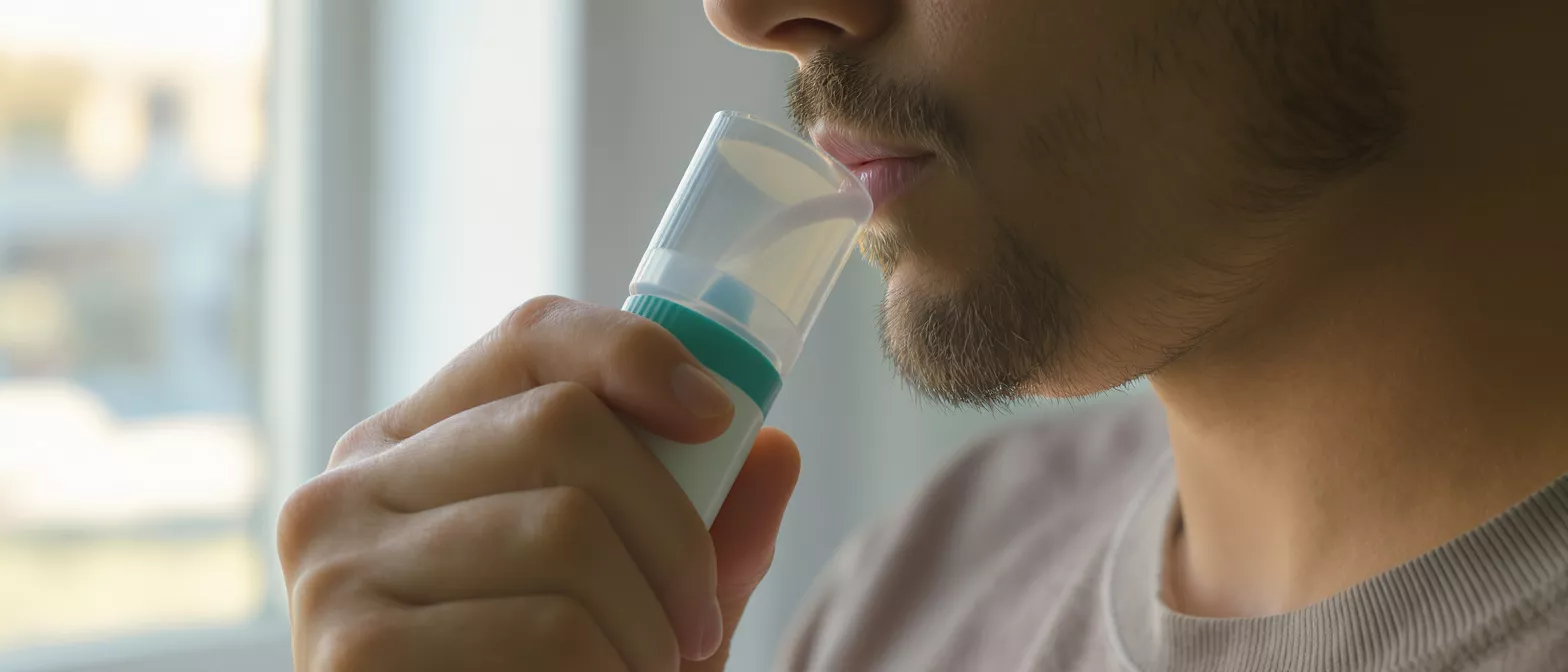
The spirometry procedure is entirely non-invasive and typically takes only a few minutes to complete in a clinic setting. You will be asked to sit upright and wear a soft clip on your nose to ensure no air escapes through your nasal passages. A respiratory therapist will then hand you a sterile mouthpiece connected to a machine called a spirometer, instructing you to seal your lips tightly around it to prevent any air leakage.
Maximizing accuracy during the breathing test: The therapist will ask you to take a deep breath, fill your lungs completely, and then blast the air out as hard and as fast as you possibly can. You will likely need to repeat this effort several times to ensure the machine captures consistent and accurate measurements. You may also be asked to take a quick breath in after emptying your lungs, or to breathe normally for a brief period.
It is completely normal to feel a bit lightheaded or momentarily tired after performing these forceful exhalations. The respiratory therapist is there to guide you, offer encouragement, and ensure the test yields the highest quality data for your cardiac surgery team.
Spirometry and Heart Surgery
Undergoing a cardiac preoperative spirometry assessment is a standard safety protocol at leading cardiovascular centers. Major heart surgeries often require the use of a heart-lung bypass machine, which temporarily takes over the job of circulating blood and oxygen. Because the lungs are temporarily bypassed and the chest cavity is opened, the lungs experience a period of altered function that requires careful postoperative management.
Pre-existing respiratory conditions like asthma, chronic obstructive pulmonary disease (COPD), or mild bronchitis can significantly impact how well your lungs reinflate and clear secretions after surgery. Identifying these vulnerabilities beforehand allows your surgeon to tailor the operation, choose the most appropriate surgical technique, and adjust postoperative care plans to prevent complications like pneumonia.
Reducing respiratory complications: When the surgical team knows exactly how well your lungs perform under stress, they can provide targeted interventions to keep your airways clear. This might involve prescribing specific inhalers, utilizing specialized chest physiotherapy, or planning a longer, more controlled recovery period in the hospital to ensure your breathing remains stable.
What to Expect From a Spirometry Procedure
Many patients feel anxious when facing unfamiliar medical tests, but understanding the spirometry procedure can alleviate those fears. The test requires your active participation, meaning your effort directly contributes to the accuracy of the results. You will be guided by a trained specialist who will demonstrate the exact breathing technique before the actual measurement begins, ensuring you know exactly what to do.
During the lung function test, the spirometer continuously records the volume of air you move and the speed of the airflow. The machine generates a graph called a spirogram, which provides a visual representation of your breathing pattern. This real-time feedback helps the therapist determine if you have given your maximum effort or if another attempt is necessary to get a valid reading.
What happens if you cannot perform the test? If you are experiencing acute chest pain, severe shortness of breath, or have recently undergone certain eye or brain surgeries that make forceful exhalation dangerous, the test may be postponed or adjusted. Always communicate any physical discomfort to your therapist immediately, as your safety and comfort are the top priorities.
Understanding Spirometry Results
Once your test is complete, the data is interpreted by looking at two primary measurements: Forced Vital Capacity (FVC) and Forced Expiratory Volume in one second (FEV1). FVC measures the total amount of air you can forcefully exhale after taking the deepest breath possible. FEV1 measures how much air you can push out of your lungs in the very first second of that exhalation.
Interpreting spirometry guidelines for cardiac patients: Your results are compared against predicted normal values based on your age, height, sex, and ethnic background. If your FEV1 and FVC numbers are lower than expected, or if the ratio between them is off, it indicates a potential airflow obstruction that requires attention before cardiac surgery can proceed safely.
The anesthesiologist will review these results alongside your echocardiograms and blood work. If an obstructive pattern is detected, they may order a bronchodilator response test, where you inhale a quick-relief medication to see if your lung function improves, confirming conditions like asthma and ensuring you are given the right preoperative medications.
- FVC (Forced Vital Capacity): Evaluates the maximum volume of air exhaled, indicating overall lung volume and restriction.
- FEV1 (Forced Expiratory Volume in 1 Second): Measures the speed of air leaving the lungs, crucial for detecting obstructive airway diseases.
- FEV1/FVC Ratio: Helps differentiate between obstructive lung disease (like COPD) and restrictive lung disease (like pulmonary fibrosis).
How Spirometry Results Guide Cardiac Care
Your spirometry results act as a roadmap for your surgical team. If your pulmonary function test reveals mildly reduced capacity, your surgeon might opt for a minimally invasive approach rather than a traditional open-heart procedure. Minimally invasive techniques often result in less postoperative pain and allow for faster re-expansion of the lungs, reducing the risk of prolonged ventilation.
In cases where a full sternotomy is unavoidable, the pulmonary data informs the postoperative ventilation strategy. The intensive care unit team will use this information to determine how long you might need a breathing tube and how to aggressively manage your lung expansion therapies, such as positive expiratory pressure devices, once the tube is safely removed.
Ultimately, a thorough preoperative lung assessment builds a safer surgical environment. By accurately measuring your respiratory baseline, the cardiac team can proactively address breathing challenges before they escalate into serious complications, leading to a smoother, more predictable hospital stay.
Are Spirometry Tests Safe?
Spirometry is considered a very safe diagnostic procedure with minimal risk for the vast majority of patients. Because the test relies solely on your own breathing effort and uses no radiation or contrast dyes, it does not pose the risks associated with imaging scans or invasive diagnostics. The equipment uses sterile, single-use mouthpieces to maintain strict hygiene standards.
Patients occasionally report feeling dizzy, lightheaded, or temporarily short of breath immediately following the forceful exhalations. These sensations are generally brief and resolve quickly with a few minutes of rest. The respiratory therapist monitors you closely throughout the process and will immediately halt the test if you experience chest tightness, severe coughing, or significant distress.
Special precautions for cardiac patients: Forceful exhalation briefly increases pressure inside the chest, which can mildly affect blood flow or heart rate. If you have a history of recent heart attack, unstable angina, or severe hypertension, your doctor will carefully evaluate whether spirometry is appropriate or if it should be delayed until your cardiac condition is more stable.
Preparing for Your Lung Function Test
Proper preparation ensures your spirometry results accurately reflect your true baseline lung function. Your healthcare provider will give you specific instructions prior to your appointment. Generally, you should avoid eating a heavy meal for a few hours before the test, as a full stomach can restrict your diaphragm from moving fully and compromise your breathing capacity.
It is highly important to discuss your current medications with your doctor before the test. Certain inhaled bronchodilators or oral breathing medications must be withheld for a specific number of hours prior to testing, as they can artificially enhance your results and mask an underlying issue. Never stop taking any medication without explicit instructions from your cardiologist or surgeon.
- Wear loose, comfortable clothing that does not restrict your chest or abdomen from expanding fully during deep breathing.
- Avoid smoking for at least six hours before your appointment to ensure your airways are as clear as possible.
- Stay hydrated but avoid drinking large amounts of liquid immediately before the test to prevent a full stomach from limiting deep breaths.
Recovering Lung Capacity After Surgery
The importance of spirometry extends beyond the preoperative phase; it sets the stage for your postoperative recovery. After heart surgery, fully expanding your lungs is vital to prevent fluid buildup and infections. Your preoperative spirometry results serve as the target goal you and your physical therapists will work toward regaining as you heal.
In the days following your operation, nurses and respiratory therapists will teach you how to use an incentive spirometer, a simple handheld device that helps you practice deep breathing. While a clinic spirometry test measures your maximum output, an incentive spirometer provides visual feedback to encourage slow, sustained deep breaths throughout your recovery. Using an incentive breathing exerciser helps keep your airways open and prevents the lower lungs from collapsing, a common postoperative risk known as atelectasis.
Adhering to your breathing exercises is just as critical as taking your prescribed medications. Patients who actively engage their lungs and use postoperative respiratory therapy tools routinely experience shorter hospital stays and a much faster return to their normal daily activities. Understanding your initial spirometry results helps you appreciate the importance of these daily exercises, pushing you to reach your baseline lung capacity once again.
Frequently Asked Questions About Spirometry
Many patients have practical questions about how a lung capacity test fits into their overall cardiac care journey. Addressing these concerns early can significantly reduce anxiety and help you approach your surgery with confidence. Understanding the connection between your respiratory and cardiovascular systems empowers you to take an active role in your preparation and healing process.
Can I eat before a spirometry test? It is generally recommended to avoid heavy meals for at least two hours prior to your appointment. A full stomach pushes against your diaphragm, physically limiting how deeply you can breathe and potentially skewing the accuracy of your lung volume measurements.
What happens if my spirometry results are abnormal? If the test reveals an underlying breathing issue, your cardiac surgeon will likely coordinate with a pulmonologist to optimize your lung function before proceeding with surgery. This might involve prescription inhalers, oral medications, or specialized breathing exercises to ensure your lungs are in the best possible condition to withstand the stress of the operation.






