Vacuum Bell for Pectus Excavatum: Does It Work
Vacuum bell pectus excavatum—does it work?
What Is a Vacuum Bell for Pectus Excavatum?
Pectus excavatum, often called "sunken chest," is the most common congenital chest wall deformity, affecting roughly one in every 300 to 400 births. The sternum, the flat bone at the center of your chest, presses inward toward the spine, creating a visible depression that can range from shallow to severe. For many patients and families, the first sign is cosmetic — a dip in the chest noticed during childhood — but the concern deepens when symptoms like shortness of breath, chest tightness, or exercise intolerance appear. The vacuum bell offers a non-surgical approach that has gained recognition across cardiac and thoracic centres worldwide, including here in Mexico.
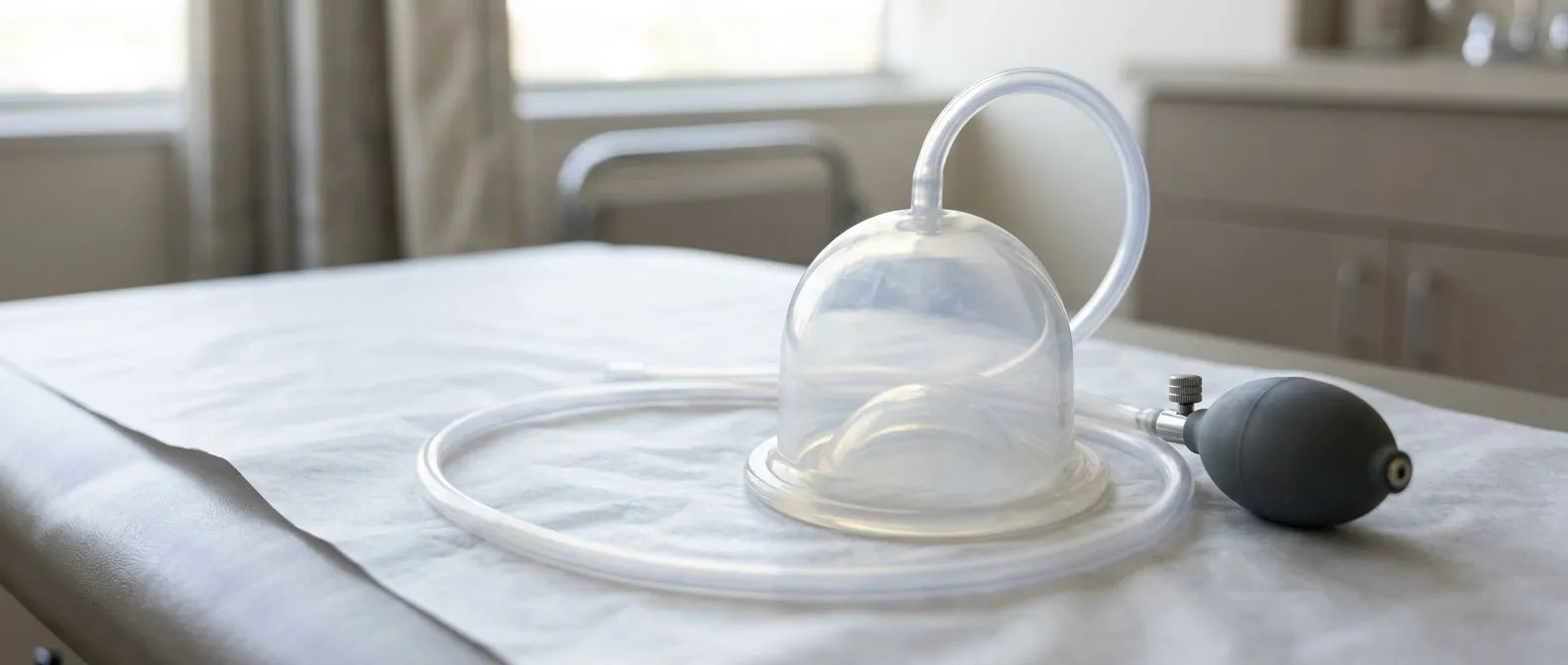
What exactly is the device? A vacuum bell is a cup-shaped medical device made from medical-grade polymer that fits over the sunken area of the chest. A small hand pump attaches to the top, and when you squeeze it, air is drawn out of the cup, creating negative pressure — essentially a controlled suction that gently lifts the sternum outward. The concept is elegantly simple: sustained mechanical force applied over months or years gradually reshapes the cartilage and bone that form the chest wall. Unlike surgery, no incisions are made, no hardware is implanted, and no hospital stay is required.
Why is this option drawing interest now? For decades, the only definitive treatment for moderate to severe pectus excavatum was surgery — primarily the Nuss procedure, which places a metal bar behind the sternum to push it outward. Many patients hesitate at the prospect of surgery, especially when the deformity is mild or the symptoms are borderline. The vacuum bell fills a gap: it gives patients a tool to address the depression without entering an operating room. During a physical examination, your specialist may use auscultation — listening to the heart and lungs with a stethoscope — to assess whether the inward sternum is compressing cardiac structures, particularly the right atrium or the ascending aorta. That assessment helps determine whether a non-surgical approach is reasonable or whether surgical correction carries lower risk for your specific anatomy.
How Does Vacuum Bell Therapy Work?
The mechanism behind vacuum bell therapy draws on a principle that orthopaedics has used for decades: sustained, gentle pressure can reshape cartilage over time. The chest wall in children and adolescents contains significant cartilage — the connective tissue between the ribs and the sternum remains soft and pliable until late adolescence. When the vacuum bell applies negative pressure, it pulls the sternum forward, stretching the costal cartilage on both sides. Applied consistently, this force encourages the cartilage to remodel in a more outward position.
What does the research actually show? Clinical studies tracked through the National Center for Biotechnology Information have documented measurable chest wall elevation in patients who used the vacuum bell consistently. The largest published series, originating from Germany where the device was developed, reported that the majority of compliant paediatric patients achieved visible improvement, though complete correction was less common in severe cases. What the research underscores is that outcomes correlate directly with adherence — patients who wore the device for the recommended hours per day saw the best results, while inconsistent use produced negligible change. No study has yet demonstrated that the vacuum bell works for every patient, and the evidence base for adults remains thinner than for children.
What does a typical session involve? You place the lubricated rim of the bell over the depressed area, pump out the air until you feel a firm but tolerable pull, and then hold that position. Sessions generally last 30 minutes to an hour, performed once or twice daily. The sensation is unusual at first — a tight, pulling pressure across the chest — but most patients acclimate within the first two weeks. Your specialist will set the initial suction level low and increase it gradually as your chest wall adapts. The device itself is portable, meaning therapy can continue at home, at school, or while travelling, which is particularly relevant for families in cities like Guadalajara, Querétaro, and Hermosillo who may not want to travel frequently for appointments.
Who Qualifies for Vacuum Bell Treatment?
Which patients are the strongest candidates? The vacuum bell tends to produce the most reliable results in patients between the ages of 8 and 14, when the chest wall cartilage is still malleable. Candidates typically have mild to moderate pectus excavatum — the depression is visible and may cause self-consciousness, but the depth does not severely compress the heart or lungs. Your specialist will assess the Haller index, a measurement derived from a CT scan or MRI that compares the width of the chest to the depth at the most sunken point. A normal Haller index is around 2.5; values between 3.0 and 3.25 often fall into a grey zone where the vacuum bell is a reasonable first option.
When is the vacuum bell not appropriate? Severe pectus excavatum with a Haller index above 3.5, particularly when accompanied by clear cardiac or respiratory symptoms, usually warrants surgical evaluation. The vacuum bell may struggle to lift a sternum that is deeply depressed or asymmetric, and patients with connective tissue disorders such as Marfan syndrome may have chest walls that resist non-surgical remodelling. Additionally, patients who have already undergone a Nuss procedure and experienced recurrence are generally not ideal candidates, as the internal scar tissue and altered cartilage architecture limit the bell's effectiveness.
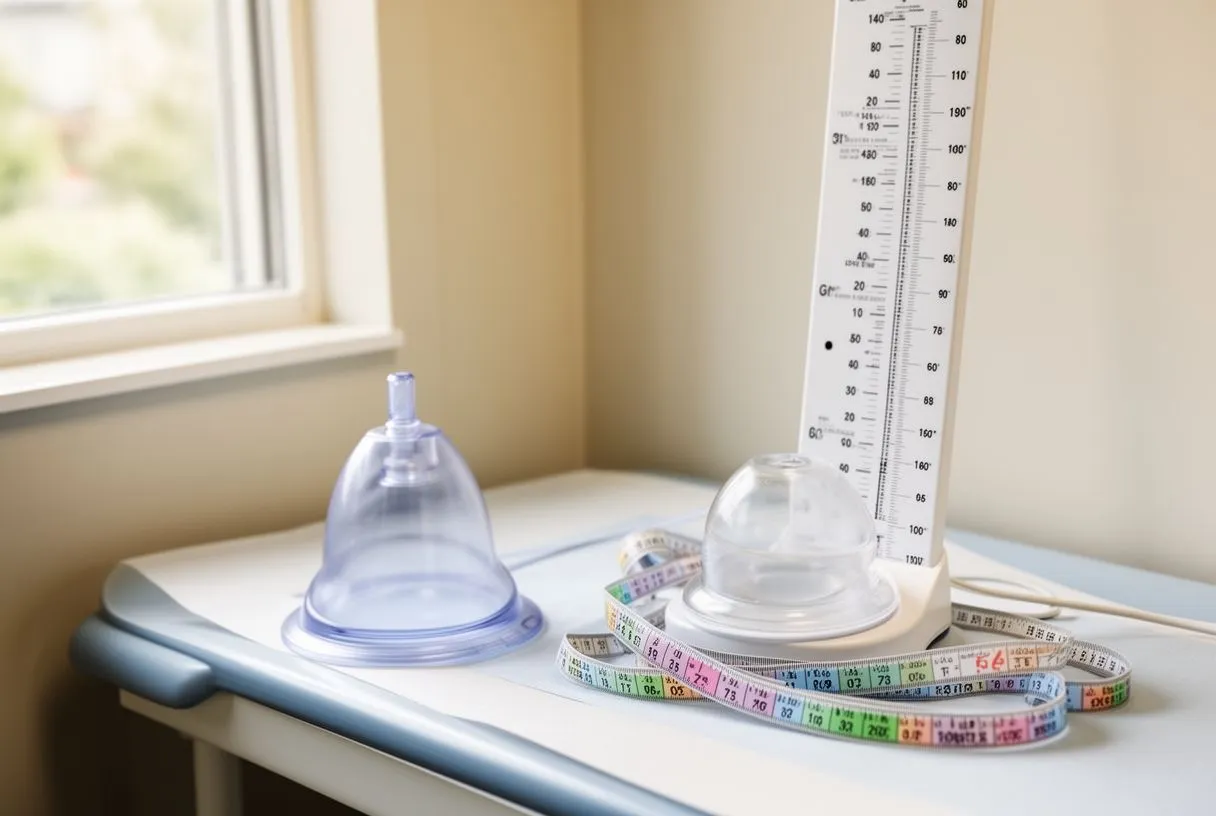
How does your specialist decide? The evaluation is thorough. Beyond imaging, the assessment includes pulmonary function testing to determine whether the sunken chest is restricting lung expansion, and an echocardiogram to check whether the inward sternum is compressing the right side of the heart. Some patients report arm pain or chest discomfort during exertion that stems not from the deformity itself but from postural compensation — rounding the shoulders forward to hide the depression. Distinguishing between symptoms caused by the pectus and symptoms caused by posture is essential, because the vacuum bell addresses the physical depression, not the surrounding muscle imbalance.
Vacuum Bell for Adults vs. Adolescents
One of the most common questions in our consultations is whether adults can benefit from vacuum bell therapy the same way teenagers do. The honest answer is that results differ significantly between age groups, and understanding why requires a brief look at how the chest wall matures.
Why does age matter so much? The costal cartilage that connects the ribs to the sternum begins to ossify — turn from flexible cartilage into rigid bone — in the late teens and continues through the twenties. By age 25, most adults have chest walls that are substantially stiffer than those of a 12-year-old. This does not mean the vacuum bell is useless for adults, but it does mean that the remodelling process takes longer, requires more daily hours of wear, and typically produces more modest elevation. Adults with mild deformity who are motivated and consistent can achieve visible improvement, but those expecting the dramatic correction seen in younger patients may need to adjust their expectations.
- Adolescents (ages 8–16): Cartilage is highly malleable, daily wear of 1–2 hours often produces visible results within 6–12 months, and complete correction is achievable in mild to moderate cases.
- Young adults (ages 17–25): Cartilage is partially ossified, results are slower and more variable, longer daily sessions are needed, and partial correction is the realistic goal.
- Adults over 25: Chest wall is largely rigid, the vacuum bell may provide mild elevation and symptom relief but significant structural change is uncommon; surgical evaluation may be more appropriate for severe cases.
What should adult patients weigh? For adults considering the vacuum bell, the decision often comes down to symptom management versus cosmetic correction. An adult whose primary concern is exercise intolerance or cardiac compression may find that even a small amount of sternal elevation improves breathing mechanics, even if the visible depression remains largely unchanged. Conversely, an adult seeking a normal-appearing chest for cosmetic reasons may find that the months of daily commitment yield a result that falls short of expectations. An open conversation with your cardiac specialist about what the device can realistically deliver for your age and anatomy is essential before investing the time and cost.
Vacuum Bell Results Timeline: What to Expect
Patients beginning vacuum bell therapy naturally want to know how quickly they will see changes. The timeline is gradual, and setting realistic expectations from the outset prevents the frustration that leads to discontinuation.

What happens in the first three months? During the initial weeks, the most noticeable change is not in the chest's appearance but in the patient's tolerance of the device. The suction sensation becomes routine, and the skin under the rim adapts to the pressure. By the end of the first month, some patients report that the sternum feels slightly more mobile — it lifts more readily during a session and takes slightly longer to settle back after the bell is removed. Visible correction at this stage is minimal and often only apparent in photographs taken under consistent lighting.
What about months three through twelve? This is where consistent users typically see the first meaningful changes. The depression appears shallower during sessions, and in some patients, the resting position of the sternum begins to shift outward. Adolescents with flexible chest walls may show visible improvement by the six-month mark, while adults are often still in the early remodelling phase. Your specialist will recommend periodic check-ins — usually every three months — to photograph the chest, reassess the Haller index if needed, and adjust the suction pressure upward as the tissue adapts.
When does treatment end? Full treatment courses typically run 12 to 24 months, sometimes longer for adults. The endpoint is not always complete correction of the depression; for many patients, the goal is sufficient elevation to relieve symptoms and produce a chest contour that is no longer a source of distress. After the active treatment phase, some specialists recommend a maintenance protocol — shorter sessions a few times per week — to prevent regression, particularly in patients whose growth plates are still open. The vacuum bell before and after photos that circulate online often represent best-case scenarios; your results will depend on your age, the severity of your deformity, and most critically, your adherence to the daily protocol.
Vacuum Bell vs. Nuss Procedure: Which Is Right?
The decision between vacuum bell therapy and the Nuss procedure is one of the most significant choices a pectus excavatum patient faces. Each option carries distinct trade-offs, and the right choice depends on the severity of the deformity, the patient's age, symptom burden, and tolerance for risk.
How do the two approaches compare? The Nuss procedure is a surgical correction in which a curved metal bar is inserted behind the sternum through small incisions on the sides of the chest, pushing the sternum outward. The bar remains in place for two to three years while the chest wall remodels around it, and is then removed in a second procedure. It is highly effective for moderate to severe pectus excavatum, producing rapid and dramatic correction. However, it carries surgical risks — pain, infection, bar displacement, and the need for a hospital stay of several days. The vacuum bell, by contrast, is non-invasive, carries no surgical risk, and can be discontinued at any time if the patient chooses. Its limitation is that it works slowly, requires daily discipline over many months, and is less effective for severe deformities.
When does surgery become the safer choice? For patients with a Haller index above 3.5, significant cardiac compression, or pulmonary function test results showing meaningful restriction, the Nuss procedure often carries lower overall risk than prolonged non-surgical therapy that may ultimately fail to correct the problem. Before recommending surgery, your specialist will conduct a comprehensive cardiac evaluation. Patients with cardiovascular risk factors — hypertension, arrhythmias such as atrial flutter, or metabolic conditions — require careful preoperative assessment. Research on intensive blood pressure management and its effect on silent myocardial infarction, published in Annals of Noninvasive Electrocardiology, underscores why a thorough cardiac workup matters before any intervention, even a non-surgical one, in patients with chest wall deformities that may already compromise cardiac function.
Can the two approaches be combined? In some cases, yes. Patients with moderate deformity may begin with the vacuum bell, and if progress is insufficient after six to twelve months, transition to surgical evaluation without having lost meaningful time. Conversely, some surgeons recommend preoperative vacuum bell use to begin softening the cartilage, potentially making the Nuss procedure technically easier. The key is maintaining an open dialogue with your treatment team so that the plan can evolve based on your response.
Is Vacuum Bell Treatment Permanent?
The question of permanence is arguably the most important one patients ask, and the answer requires honesty about what "permanent" means in the context of chest wall remodelling.
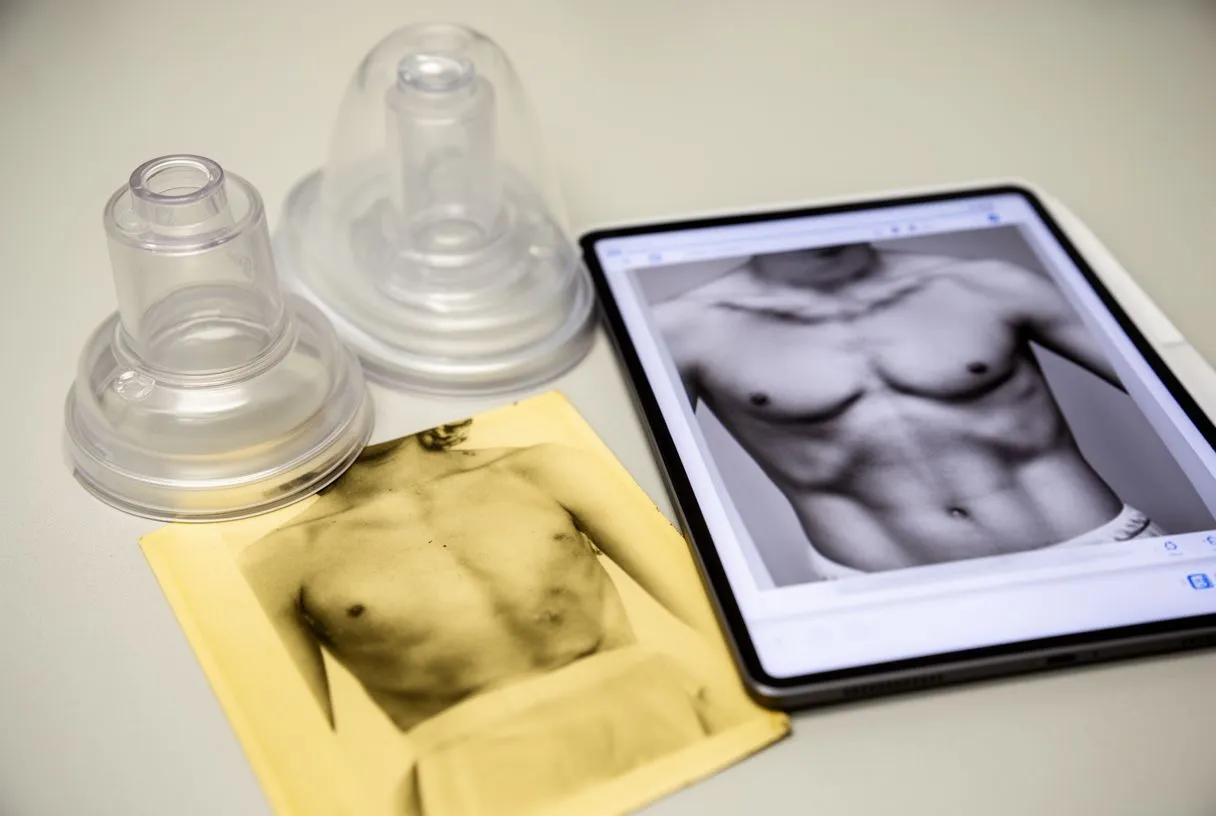
Does the sternum stay in its new position after treatment ends? In growing adolescents, the cartilage that has been reshaped during the active treatment phase continues to ossify in the new, more outward position. This means that for many paediatric patients, the correction achieved by the vacuum bell does become the permanent resting position of the sternum after the cartilage fully hardens. However, the evidence for long-term permanence is still developing — the device has been in clinical use for roughly two decades, meaning the oldest treated patients are only now reaching their thirties, and long-term follow-up data remains limited. Some regression has been observed in patients who discontinued treatment prematurely or who had particularly severe initial deformities.
What about adults — does the correction hold? For adults, the permanence question is more complex. Because the chest wall is already largely ossified, the vacuum bell is less likely to produce permanent structural change. The sternum may elevate during a session and remain slightly more outward for a period afterward, but in many adult patients, the depression gradually returns toward its original depth once sessions stop. This is why some specialists frame adult vacuum bell use as ongoing management rather than a time-limited cure — the device becomes part of a routine, much like wearing a retainer after orthodontic work.
What can you do to protect your results? Maintaining correction after the active treatment phase involves several strategies. A maintenance schedule of two to three sessions per week can help sustain the new sternal position, particularly during periods of rapid growth in adolescence. Postural exercises that strengthen the muscles of the upper back and open the chest complement the mechanical effect of the bell — a patient who rounds the shoulders forward after treatment may see the depression appear more pronounced simply because posture is pulling the chest inward. Finally, regular follow-up with your specialist ensures that any regression is caught early, before it becomes significant enough to require restarting full treatment or considering surgical correction.
Vacuum Bell Side Effects and Risks
While the vacuum bell is non-surgical and generally well tolerated, it is not entirely without risk. Understanding the potential side effects helps patients make an informed decision and recognise when to contact their specialist.
What are the most common side effects? The most frequently reported issues are skin-related. The rim of the device creates a seal against the chest, and prolonged or high-pressure use can cause redness, bruising, and in some cases, small petechial haemorrhages — tiny broken capillaries under the skin. These effects are typically mild and resolve within hours of removing the bell. Some patients develop contact dermatitis from the lubricant used to create the seal, which can usually be managed by switching to a hypoallergenic alternative. Less commonly, patients report a transient pins-and-needles sensation in the chest or upper abdomen during sessions, which generally resolves when the suction is released.
Are there serious risks to watch for? Significant complications are rare, but they do exist. Patients with underlying cardiovascular conditions require particular attention — the negative pressure created by the bell can transiently affect venous return to the heart, and while this has not been shown to cause harm in healthy individuals, patients with arrhythmias, heart failure, or autonomic dysfunction should be monitored. Research connecting glycemic variability to diabetic cardiac autonomic neuropathy, published in the International Endocrinology Journal, highlights how metabolic conditions can affect cardiac autonomic function, which is relevant context for patients with diabetes considering chest wall treatment. Any patient experiencing dizziness, palpitations, chest pain, or fainting during a session should stop immediately and consult their specialist before resuming.
How can you minimise risk? The most effective risk-reduction strategy is adherence to the protocol your specialist prescribes. Starting at low suction pressure and increasing gradually allows the skin and chest wall to adapt. Limiting session duration to the recommended time prevents skin breakdown. Keeping the device clean and replacing the seal as it wears prevents infection. Perhaps most importantly, attending scheduled follow-up appointments means that any developing issue — whether skin irritation, inadequate progress, or an unexpected symptom — is identified and addressed before it escalates. Patients who skip follow-ups and self-adjust the protocol are the most likely to encounter problems.
For families and patients in Mexico considering vacuum bell therapy, practical questions about cost, availability, and logistics are often as important as the clinical considerations.
What does vacuum bell treatment cost? The vacuum bell device itself is a medical-grade product, and pricing varies depending on the manufacturer, the size required, and whether the device is purchased outright or provided through a treatment programme. Because this is a specialised device produced by a limited number of manufacturers — primarily in Germany — the cost in Mexico includes import and distribution factors. We do not quote a fixed price here, as the appropriate device size and treatment protocol vary by patient, and any cost estimate should be provided in the context of a full consultation.
Is the device available in Guadalajara, Querétaro, and Hermosillo? Yes. The fitting process involves selecting the correct cup size based on the patient's chest dimensions and the depth of the depression, adjusting the seal, and teaching proper placement and pumping technique. After the fitting, patients use the device independently at home, returning for follow-up appointments every two to three months.
What about insurance coverage? Coverage for vacuum bell therapy varies widely among insurance providers in Mexico. Some private insurers recognise the device as a medically necessary treatment for symptomatic pectus excavatum and may cover part or all of the cost, particularly when pulmonary function testing or echocardiographic evidence supports the diagnosis. Other insurers classify it as elective or cosmetic and decline coverage.
Vacuum bell cost and access in Mexico
For families and patients in Mexico considering vacuum bell therapy, practical questions about cost, availability and logistics are often as important as the clinical considerations.
How much does vacuum bell treatment cost? The vacuum bell device is a medical-grade product, and the price varies by manufacturer, the size required and whether you buy the device directly or receive it through a treatment programme. Because it is a specialised device made by few companies, mainly in Germany, the cost in Mexico includes import and distribution factors. We do not give a fixed price here, since the right device size and the treatment protocol vary from patient to patient, and any cost estimate should be given in the context of a full consultation. What we can say is that, compared with the total cost of surgical correction, which includes hospitalisation, anaesthesia, surgical fees and postoperative care, the vacuum bell is considerably less expensive, although in exchange it requires a prolonged commitment of time.
Is the device available in Guadalajara, Querétaro and Hermosillo? Yes. Our clinic works with suppliers who provide the vacuum bell to patients in all three cities, and the initial fitting is done during an in-person consultation. The process involves selecting the right cup size for the dimensions of the chest and the depth of the depression, adjusting the seal and teaching you how to place and pump it correctly. After the fitting, you use the device on your own at home and return for follow-up appointments every two or three months. If you travel from another city, ask whether imaging, assessment and protocol adjustment can be combined into a single visit.
What about insurance coverage? Coverage of vacuum bell therapy varies widely between insurers in Mexico. Some private insurers recognise the device as a medically necessary treatment for symptomatic pectus excavatum and may cover part or all of the cost, especially when pulmonary function tests or echocardiographic evidence support the diagnosis. Other insurers classify it as elective or cosmetic and decline coverage. We recommend contacting your insurer directly before the consultation to understand your policy. If you have no insurance coverage, we discuss payment options with you during the consultation to make sure the treatment plan is financially sustainable.
Making Your Pectus Excavatum Treatment Decision
Choosing how to address pectus excavatum is a personal decision that balances anatomy, symptoms, age, lifestyle, and risk tolerance. The vacuum bell is one tool among several, and the best choice is the one that fits your specific situation.
How do you know which path is right? The decision begins with a thorough evaluation that includes physical examination, imaging, and functional testing. If your deformity is mild and your symptoms are minimal, the vacuum bell may offer a reasonable first-line approach — non-invasive, reversible, and effective with consistent use. If your deformity is severe, your symptoms are significant, or imaging shows clear cardiac compression, surgical evaluation is warranted regardless of age. Many patients fall somewhere in between, and for them, the vacuum bell can serve as a trial: if it works, surgery is avoided; if it does not, the surgical option remains fully available and no harm has been done. Your specialist should present both options candidly, with realistic expectations for each, and support whichever direction you choose.
- Key takeaways before deciding: The vacuum bell works best for ages 8–16 with mild to moderate deformity, requires daily commitment of 1–2 hours for 12–24 months, is non-surgical and reversible, and is substantially less expensive than surgery but demands patience and consistency.
- Consider surgical evaluation if: your Haller index exceeds 3.5, pulmonary function tests show significant restriction, an echocardiogram reveals cardiac compression, or you are an adult with severe deformity where non-surgical remodelling is unlikely to succeed.
- Your next step: Schedule a consultation with a cardiac specialist who can perform the full evaluation, explain your options in the context of your anatomy, and help you make a decision based on evidence rather than anxiety or online photos.
If you or your child has been diagnosed with pectus excavatum, you do not need to navigate this decision alone. The right treatment plan is built on accurate diagnosis, honest discussion of what each option can deliver, and a partnership with a specialist who understands both the anatomy and the human experience of living with a visible chest difference. We encourage you to book a consultation with our team in Guadalajara, Querétaro, or Hermosillo, where we can assess your specific situation, explain whether the vacuum bell is a viable option for you, and outline a plan that moves at a pace you are comfortable with. Do not self-diagnose or commit to a treatment based on information alone — let a qualified cardiac team guide you toward the option that carries the lowest risk for your situation and the highest likelihood of a meaningful outcome.