

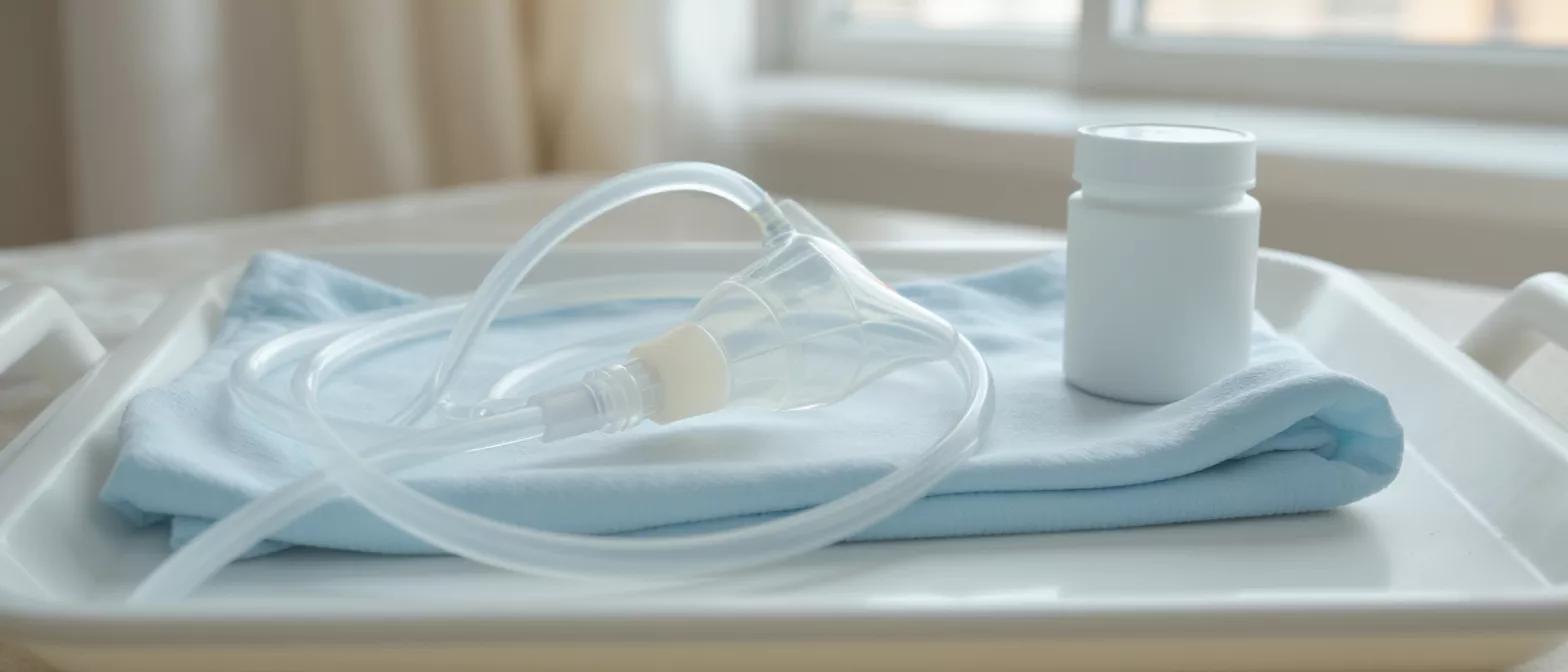
Pulmonary Function Tests
Learn how pulmonary function tests assess lung health before cardiac surgery, what results mean, and why they matter for recovery.
What Are Pulmonary Function Tests?
Pulmonary function tests are a group of non-invasive breathing assessments that measure how well your lungs are working. When you or a loved one are preparing for cardiac surgery, your medical team needs a complete picture of your overall health, which includes evaluating your respiratory system. These tests provide objective data on lung volume, airflow, and gas exchange.
Defining the diagnostic scope: A pulmonary function test evaluates the entire respiratory cycle, measuring how much air your lungs can hold and how quickly you can push that air out. By capturing these baseline measurements, doctors can identify underlying breathing issues that might complicate your recovery from a heart operation.
For cardiac surgery patients, assessing lung health is just as critical as evaluating the heart itself. The heart and lungs work together as a single unit, and your surgery team will use these results to ensure your respiratory system can support you safely through the operating room and the healing process afterward.
How Do Pulmonary Function Tests Work?
During these evaluations, you will be asked to breathe into a sterile mouthpiece connected to a diagnostic machine. The sensors inside the device track the volume of air you inhale and exhale, as well as the speed of your airflow. This creates a precise digital snapshot of your respiratory mechanics.
Measuring airflow resistance: An airflow measurement test calculates how forcefully you can expel air, helping physicians identify any obstructions in your airways. If you have a history of smoking or asthma, this test helps your cardiologist and surgeon understand exactly how your airways respond to forced breathing.
Evaluating total lung volume: A lung volume test determines the total capacity of your lungs and the volume of air left after a complete exhale. Understanding these volumes is essential for cardiac patients, as fluid retention or heart failure can sometimes leave residual effects in the lungs that require special management during your hospital stay.
Why Are Pulmonary Function Tests Important Before Heart Surgery?
Your heart and lungs are tightly connected, sharing the same chest cavity and working in tandem to supply oxygen to your body. Before any cardiac operation, your surgical team must ensure that your lungs can handle the stress of anesthesia and the temporary bypass of your heart. Identifying any pre-existing respiratory weakness allows your doctors to tailor their approach.
General anesthesia and the use of a heart-lung bypass machine temporarily change how your body processes oxygen. If your lung capacity is already reduced, your team will plan for extended breathing support immediately after your procedure. This proactive planning is a standard safety measure.
By reviewing your lung function test results, your anesthesiologist can adjust ventilator settings to protect your lung tissue during the operation. This careful, personalized preparation is what allows surgeons to achieve the best possible outcomes for complex cardiac patients.
Types of Pulmonary Function Tests
There are several specific assessments your medical team might use to evaluate your respiratory system. Each one looks at a different aspect of lung performance, and your doctor will select the ones most relevant to your medical history.
- Spirometry: The most common PFT testing method, measuring how much air you can inhale and forcefully exhale.
- Body plethysmography: A specialized test sitting inside a clear booth to measure total lung volume with extreme accuracy.
- Diffusion capacity test: Evaluates how effectively oxygen crosses from your lungs into your bloodstream.
The spirometry test explained: You will be asked to take the deepest breath possible and blow the air out as hard and fast as you can into a tube. This specific test is excellent for detecting restrictive or obstructive lung disease, ensuring those conditions are managed before your heart surgery.
What to Expect During a PFT Procedure
Understanding what happens during the PFT procedure can ease much of the anxiety surrounding your pre-operative appointments. The test is completely painless and does not involve any needles or dyes. A respiratory therapist will guide you through every step.
You will sit upright in a chair, and a soft clip will be placed on your nose to ensure all air flows through the mouthpiece. The therapist will coach you on how to take deep breaths and how to push the air out rapidly. You will likely repeat these breathing patterns several times to ensure the machine captures consistent, accurate readings.
Duration and effort required: Most pulmonary diagnostic tests take about thirty to forty-five minutes to complete. Because the test requires physical effort and forced breathing, you may feel a little light-headed or tired afterward, but you will be given time to rest before leaving the clinic.
How to Prepare for Lung Function Tests
Preparation for a lung health screening is straightforward, but following your clinic's specific instructions ensures the most accurate results. Your respiratory therapist will usually ask you to avoid heavy meals and to wear loose, comfortable clothing that does not restrict your chest from expanding fully.
Medication adjustments: You may be asked to stop using certain inhalers or breathing medications for a few hours before your appointment. This allows the test to measure your baseline lung function without the temporary boost provided by rescue medications.
It is also advisable to avoid smoking and vigorous exercise for a few hours prior to the test. Always confirm these preparation steps with your cardiologist or the testing center, as your specific care plan may require slight modifications.
Understanding Spirometry Results
Once your spirometry results are compiled, your physician will compare your numbers to predicted averages based on your age, height, and gender. This comparison helps determine if your lung function is within a normal range or if there is an underlying issue that requires attention.
Interpreting the numbers safely: If your pulmonary test results show reduced capacity, it does not automatically mean your surgery will be canceled. It simply gives your cardiac team the information they need to provide extra respiratory support, adjust your anesthesia plan, and monitor your oxygen levels more closely during recovery.
Patients often worry that poor spirometry results will disqualify them from receiving the heart surgery they need. In most cases, the results are used to optimize your care plan rather than prevent treatment. For patients experiencing chronic airway inflammation prior to surgery, doctors may recommend exploring inhalers for asthma management to clear the airways before the operation.
Are Pulmonary Function Tests Safe?
Yes, these breathing capacity tests are incredibly safe. They do not use radiation, contrast dyes, or any invasive instruments. The risks associated with pulmonary function tests are minimal, though the physical effort of deep breathing can occasionally cause temporary dizziness.
Because the test requires forceful exhalation, patients with certain severe heart conditions or recent eye surgeries might need modified testing. Your cardiac surgeon and the pulmonary team will review your specific health history to ensure the testing protocol is completely safe for your situation.
Medical professionals monitor you closely during the entire process. If you feel dizzy or need to catch your breath, you can simply remove the mouthpiece and pause. The respiratory therapist will not force you to continue if you are uncomfortable.
How Lung Capacity Measurement Affects Surgical Recovery
Your pulmonary function test results do not just influence what happens in the operating room; they deeply impact your post-operative recovery plan. Good lung function is essential for coughing effectively after surgery, which is necessary to clear out lingering anesthesia and prevent pneumonia.
- Optimized breathing exercises: Your baseline lung capacity measurement helps nurses teach you the right post-operative breathing techniques.
- Extended monitoring plans: If tests show reduced capacity, your medical team may plan for a slightly longer stay in the intensive care unit to ensure safe weaning from oxygen support.
- Targeted rehabilitation: Results guide your physical therapy team in setting safe, appropriate exertion levels as you begin walking after your operation.
By establishing your exact lung capacity, your recovery team knows precisely how to support your breathing as your heart heals. To assist with clearing mucus and expanding the lungs during the healing phase, clinicians may suggest using a incentive spirometer device. This simple tool helps you practice taking deep breaths, keeping your airways open and functional.
Frequently Asked Questions About Respiratory Function Tests
It is completely normal to have questions when facing a new medical test, especially while preparing for a major cardiac procedure. Understanding the purpose behind respiratory function tests can alleviate much of the stress surrounding your surgical preparation.
Will the test be painful or uncomfortable? The test is not painful, but the repeated deep breathing can feel tiring. You might experience a slight sensation of dizziness from taking rapid, forceful breaths, but the respiratory therapist will allow you to rest as needed between the testing cycles.
Can I eat before my appointment? You can usually eat a light meal, but a heavy stomach can make it uncomfortable to take deep breaths. Wearing comfortable clothing and following your doctor's specific medication guidelines will help ensure the process goes smoothly.
Your medical team relies on these tests to provide the safest, most personalized care possible. The information gathered is a vital piece of your surgical puzzle, ensuring your heart and lungs are both ready for the road ahead.






