

Beating-Heart Surgery: Bypass Without the Heart-Lung Machine
Beating-heart bypass surgery lets surgeons graft arteries while your heart keeps beating—no machine needed.
Being told you need Coronary Artery Bypass Grafting — surgery that reroutes blood around blocked heart arteries — is frightening enough without learning that the standard operation involves a machine taking over your heartbeat. For many patients, the idea of the heart being stopped and restarted is the scariest part of the conversation. Beating-heart bypass surgery offers an alternative: the surgeon sews the new grafts while your heart continues beating on its own, without a heart-lung machine. This guide explains how that is possible, when it makes sense, and what recovery honestly looks like, so you can weigh the options with real information rather than fear.
What Is Beating-Heart Surgery?
Beating-heart surgery, also called off-pump coronary revascularization, is a form of coronary artery bypass grafting performed while the heart is still beating and pumping. In the conventional approach, the heart is stopped with a special solution and a heart-lung machine — a pump-oxygenator outside the body — takes over circulation and breathing for the duration of the operation. In the off-pump approach, that machine stays off entirely. The heart keeps supplying your brain, kidneys and every other organ throughout the surgery.
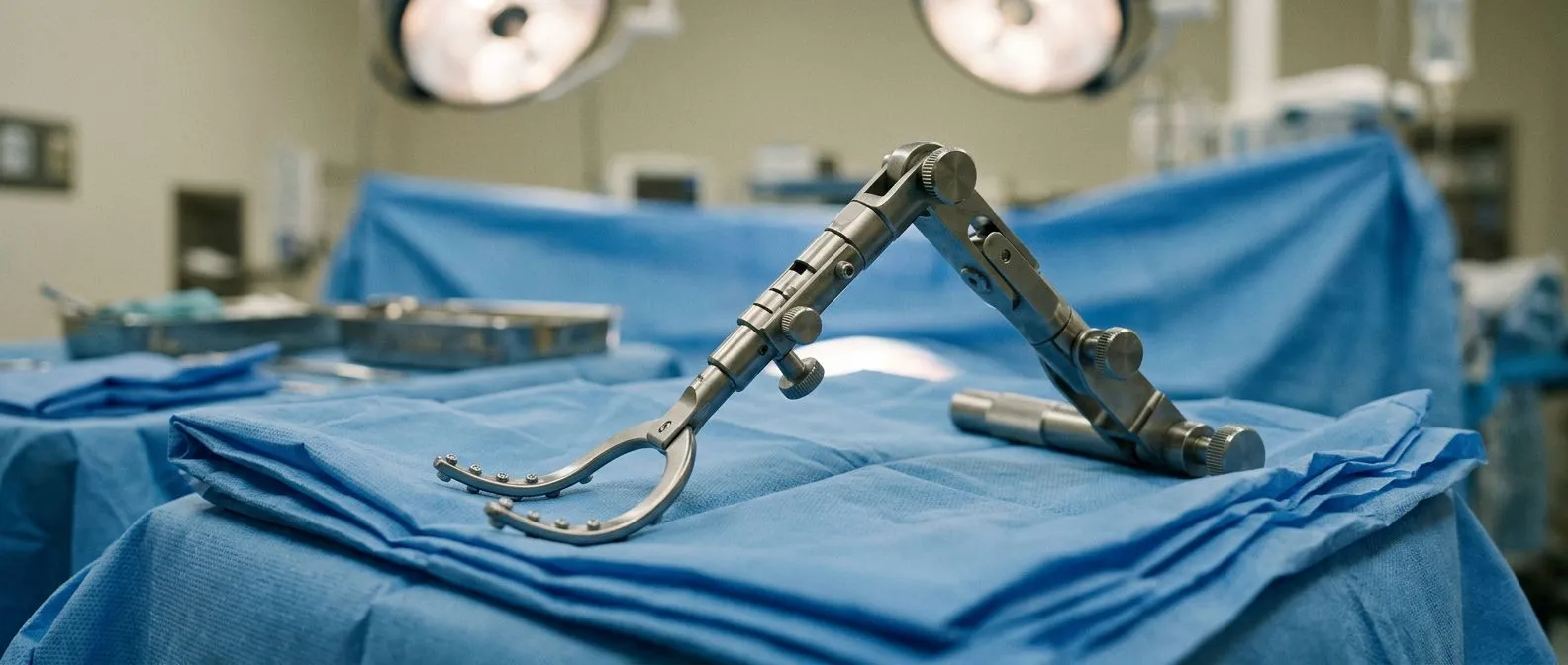
Why the distinction matters to patients. Stopping the heart and routing blood through a machine is remarkably safe in most hands, but it temporarily changes normal blood flow, exposes blood to artificial surfaces, and requires a period of Weaning From Bypass as the heart is restarted and reconnected to the circulation. Beating-heart bypass surgery simply removes that entire step. The surgeon works on a moving heart using specialized stabilizing devices that hold only the small patch of artery being grafted still, a few centimeters at a time.
A brief history you should know. The technique matured in the late 1990s as stabilizing instruments improved, and it has been performed in hundreds of thousands of cases worldwide since. Large clinical trials, including work published in The Lancet, have examined whether it reliably improves outcomes compared with conventional bypass, and the honest answer is that results are similar in experienced hands — with some advantages in specific groups of patients. That nuance is exactly what this article unpacks.
How Does Heart Bypass Without a Heart-Lung Machine Work?
The principle is elegantly simple: you do not need to stop a heart to sew a bypass onto it if you can temporarily quieten one spot at a time. The surgeon opens the chest through the breastbone, just as in conventional surgery, prepares a healthy vessel graft — usually the internal mammary artery from inside the chest, or a vein from the leg — and then attaches a soft tissue stabilizer to the heart surface.
The stabilizer changes everything. This device presses gently around the target coronary artery, creating a small, motionless field of maybe two to three centimeters while the rest of the heart continues beating normally. The surgeon opens the artery and sews the graft with fine stitches under magnification. Because the heart is still pumping, blood continues flowing to the body, and the surgeon may use a tiny intracoronary shunt — a temporary tube inside the artery — to keep blood moving past the work site while the anastomosis, the surgical connection, is completed.
What your circulation does meanwhile. Your heart-lung machine sits idle. Your lungs oxygenate your blood naturally. There is no Bypass Time to record because there is no pump running, no blood thinner in massive doses, and no restart sequence. At the end, the chest is closed and the heart simply continues doing what it has done all along — it never stopped. Understanding this step by step before surgery can remove much of the dread patients carry about the operation itself.
On-Pump vs Off-Pump Bypass: What Is the Difference?
Understanding on-pump vs off-pump bypass starts with what each one asks of your body. Both involve the same target — rerouting blood around blocked coronary arteries with grafts. Both usually use the same incision. The difference lies entirely in how the heart is managed while the surgeon works.
- On-pump (conventional): The heart is stopped with a potassium-rich solution; a cardiopulmonary bypass circuit circulates and oxygenates your blood. The surgeon works on a still, bloodless field, which some complex cases require.
- Off-pump (beating-heart): The heart never stops; a stabilizer holds one small area still. No pump, no full-dose blood thinning, no machine exposure, but a technically more demanding operation for the surgeon.
Trade-offs in plain language. On-pump surgery gives a perfectly still, dry field, which can make very small or deeply buried arteries easier to graft precisely. Off-pump surgery avoids the pump's effects on blood components and inflammation, which may matter most for older patients, those with kidney impairment, or those with a heavily calcified aorta that a pump's cannulas would have to handle. Neither is universally better — the right answer depends on your anatomy and your overall health, which is why the decision deserves a genuine conversation rather than a default.
Beating-Heart Surgery vs Traditional Bypass: Which Is Safer?
Patients naturally ask which approach is safer, and an honest expert resists a simple answer. Across randomized trials, both approaches deliver excellent survival when performed by experienced teams. The differences appear in specific outcomes rather than in overall mortality, and those differences are where beating-heart surgery earns its place.
Where the evidence points. Studies of postoperative complications after coronary surgery consistently identify atrial fibrillation — a temporary, treatable irregular rhythm — as one of the most common problems after bypass, and analyses of postoperative atrial fibrillation after coronary bypass graft surgery suggest it arises from a mix of surgical stress, inflammation and electrolyte shifts, with rates varying substantially between centers and techniques (as reviewed in the Scielo review of this topic). Off-pump surgery may reduce some of these drivers, particularly in higher-risk patients.
Where beating-heart surgery genuinely helps. Avoiding the pump is most valuable for patients with a severely calcified aorta, where clamping or cannulating the aorta risks releasing debris toward the brain, and for patients who cannot tolerate full anticoagulation. Rare complications described in the literature — such as the massive subcutaneous emphysema after off-pump coronary bypass surgery reported in the Annals of Thoracic Medicine — remind us that every technique carries its own specific risks, which your surgical team should discuss openly. In our practice, every case is reviewed by the multidisciplinary team against international practice guidelines before an approach is recommended, and the patient receives a clear proposal with the alternatives.
Who Qualifies for Off-Pump CABG?
Not everyone who needs bypass is a good candidate for the off-pump version, and knowing who qualifies for off-pump CABG helps you ask sharper questions. The technique suits patients whose coronary arteries are accessible on the heart's surface and whose overall condition makes pump avoidance worthwhile.
Good candidates often include: older patients, people with kidney disease, those with a calcified aorta, patients with bleeding concerns, and people with lung disease who tolerate machine circulation less well. Good candidates are also simply patients who prefer an operation where their heart never stops — a legitimate preference, provided their anatomy permits it. Multi-vessel disease on the front and side of the heart is usually very manageable off-pump.
Candidates who may need the pump anyway. Arteries buried deep within the heart muscle, extremely small target vessels, unstable patients in the middle of a heart attack, or concomitant valve surgery typically favor on-pump bypass. The heart-lung machine is not a danger to be feared — it is a tool that makes certain operations possible and safe. When we meet a patient in a free video consultation, we get to know them, talk through their condition, and identify which studies are genuinely needed, so that no unnecessary tests are ordered before anyone can say which approach fits their anatomy.
Why the decision is individual. Guideline-based review, not habit, should drive the choice. A patient's EuroSCORE II — a validated risk score combining age, kidney function, lung function and urgency — helps quantify overall risk, but the final grafting plan depends on the coronary anatomy seen on the angiogram. I always tell patients the anatomy decides more than the preference does.
What Happens During the Operation?
On the day of surgery, you arrive, change, and meet the anesthesiologist, who places monitoring lines and discusses anesthesia. Beating-heart bypass surgery is performed under full general anesthesia — you are completely asleep and feel nothing — the term refers to your heart's activity, not your awareness.
The sequence, step by step. After you are asleep, the surgeon makes the standard incision along the breastbone and opens the pericardium, the sac around the heart. Grafts are prepared while the heart keeps beating. The stabilizer is then positioned on each target artery in turn; grafts are sewn one by one, typically starting with the artery on the front of the heart. Depending on the plan, the operation takes three to four hours, and you wake in the intensive care unit with the heart that has been beating the whole time.
What we check throughout. Continuous monitoring of rhythm, blood pressure and graft function runs through the entire case; flow probes verify each new graft carries blood properly before the chest is closed. In our team, Dr Molina trained in cardiac, minimally invasive, robotic and structural surgery at the University of Montreal, and the team also trained at Jena, Bad Berka and Buffalo — experience levels that matter especially in an operation whose difficulty lies in the surgeon's hands, not the machinery.
What Is the Beating-Heart Bypass Recovery Time?
Patients ask about beating-heart bypass recovery time before almost any other question, and the general shape of recovery is similar to conventional bypass — with a few differences worth understanding. The first 24 to 48 hours are spent in the ICU or a monitored step-down unit, where breathing support is withdrawn the same evening in most cases.
The first weeks. Most patients stand and walk within a day or two and leave the hospital between five and seven days after surgery. Breastbone healing remains the governing constraint: the sternum was opened, and it needs roughly six to eight weeks to knit, during which you must avoid lifting anything heavy, pushing, or driving until your surgeon clears you. This is identical whether the heart was stopped or not.
What differs in the recovery experience. Many patients report a smoother first week off-pump — less generalized inflammation, fewer rhythm disturbances, and sometimes less fluid retention — though individual experiences vary widely and no honest team promises a faster recovery for everyone. Cardiac rehabilitation, the supervised exercise and education program after surgery, remains just as important either way. Recovery discipline, not surgical technique alone, determines much of the long-term result.

What Are the Beating-Heart Bypass Risks and Benefits?
Weighing beating-heart bypass risks and benefits honestly means accepting that the technique is a trade, not an upgrade. The benefit column is real but specific; the risk column includes one item that deserves particular attention.
The benefits, precisely stated: avoidance of pump-related inflammation and blood exposure, no aortic cross-clamping in the standard technique, potentially fewer transfusions and fewer kidney and neurological complications in selected higher-risk patients, and a shorter period of intensive care in many centers. For the right patient, these are meaningful advantages.
The risks, equally stated. The chief concern raised in the literature is graft patency — whether the bypasses stay open over the years — because operating on a moving heart is technically harder, and some trials found slightly higher rates of incomplete revascularization when the technique was used indiscriminately. The modern consensus is that outcomes converge when surgeons are experienced and case selection is disciplined. In our consulting rooms in Guadalajara, Querétaro and Hermosillo, we encourage second opinions and treat seeking one as a normal part of deciding about heart surgery — a decision of this size deserves independent voices.
What Less Invasive Heart Bypass Options Exist?
Beating-heart surgery is one entry in a wider family of less invasive heart bypass options, and knowing the landscape helps you understand what your surgeon is choosing among. The spectrum runs from fully conventional surgery down to procedures done through a catheter in the wrist artery.
The main alternatives:
- Minimally invasive coronary bypass: grafting performed through small incisions between the ribs rather than through the breastbone, sometimes combined with the beating-heart technique.
- Robotic-assisted coronary surgery: robotic arms allow internal grafting through tiny ports; Dr Molina performed the first robotic mitral valve repair in the Ángeles Health System and the first robotic heart surgery in Guadalajara.
- Angioplasty and stents: not surgery at all — balloons and metal scaffolds placed via a catheter, appropriate for certain blockage patterns but not a substitute for bypass in multi-vessel or left main disease in many patients.
How the choice is made. Our work covers valve disease, coronary disease, the aorta and structural heart conditions, and we perform conventional, minimally invasive, robotic and transcatheter procedures — but we recommend the less invasive route only where the evidence supports it for that patient. In the consultation we take the time to explain what the studies actually show, in plain words, and to answer every question before any decision. A smaller incision is never a goal in itself; the right operation for your anatomy is the goal.
What About Costs, Travel and Second Opinions in Mexico?
For international and cross-border patients — a large share of whom travel from the United States and Canada — no machine heart surgery in Mexico raises practical questions alongside medical ones. Costs vary with the number of grafts, the hospital, and whether the case is done off-pump, minimally invasive or robotically, so any figure quoted without a review of your angiogram is not worth trusting. Reputable teams provide a written estimate after reviewing your actual studies.
Planning travel around surgery. Patients typically arrive one to two weeks before the operation for pre-surgical evaluation, remain for the hospital stay and early recovery, and then make a gradual return home once cleared to fly — usually with restrictions on lifting for the sternal healing period.
How to start the conversation. The first contact with our practice is a free video consultation: we get to know the patient, talk through the condition, and say which studies are still needed so no unnecessary ones are ordered; a face-to-face visit at the consulting rooms follows when the patient decides to go ahead. Whether you ultimately choose beating-heart bypass surgery, an on-pump operation, or a non-surgical route, that decision should be made with a qualified cardiac team reviewing your specific anatomy — not made alone from an article. If bypass has been mentioned for you or someone you love, book a consultation and bring every question you have.






