

Graft Patency
Learn which bypass grafts last longest, what causes blockage, and how to protect your heart with Cirugía de Corazón.
What is graft patency?
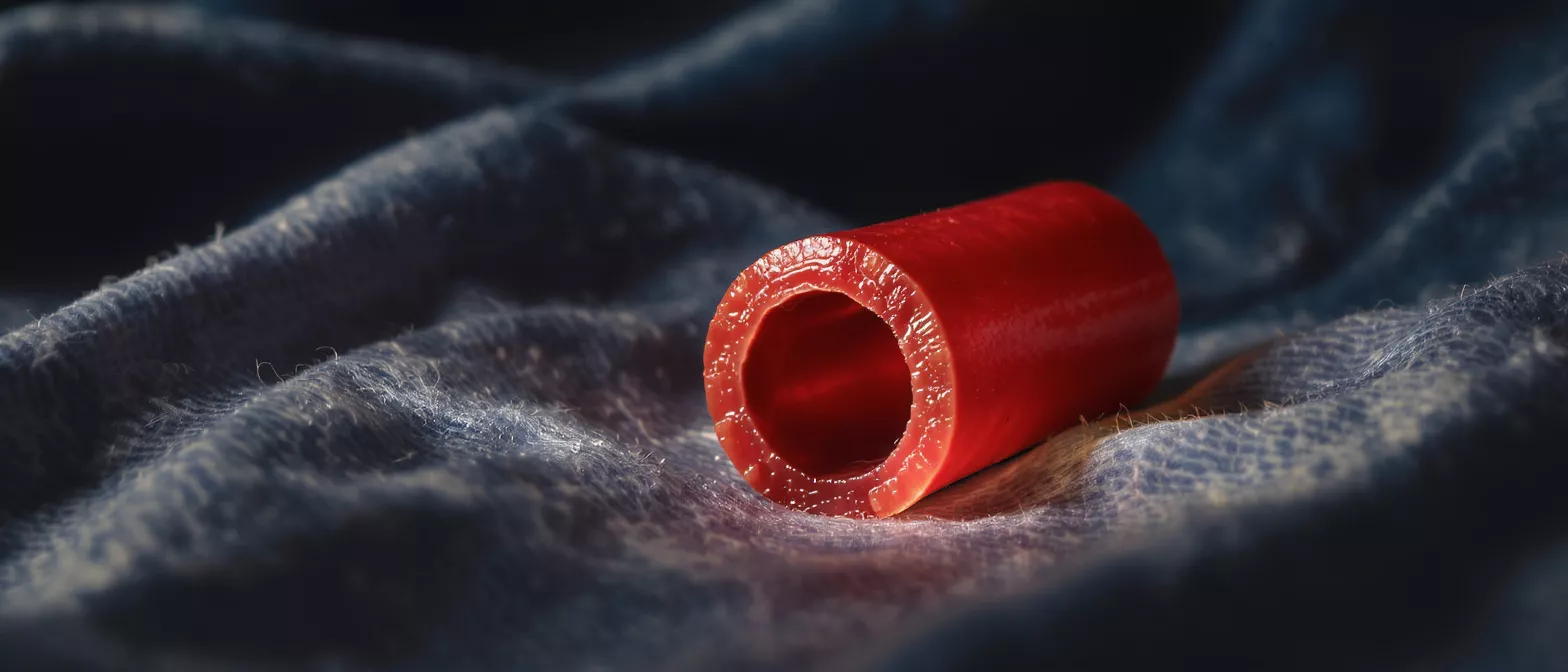
When a surgeon performs a coronary artery bypass grafting procedure, they take a healthy blood vessel from another part of your body and use it to reroute blood around a blocked artery. Graft patency simply means that this new bypass vessel remains open, unblocked, and allows blood to flow freely to your heart muscle. It is the primary indicator of a successful bypass.
Understanding graft patency is often a major concern for patients and families preparing for cardiac surgery. A patent graft is doing exactly what it was designed to do: delivering oxygen-rich blood to the heart. If the graft narrows or closes, it is referred to as graft occlusion or graft failure.
How graft patency works mechanically: The newly attached vessel must heal seamlessly into the heart's circulatory system. The inner lining of the graft must remain smooth to prevent blood clots from forming. When blood flows without resistance, the graft is considered highly patent, and your heart functions optimally.
Why graft patency matters after bypass surgery
The success of your bypass surgery relies entirely on keeping those new pathways open. If graft patency is maintained, your symptoms—such as chest pain and shortness of breath—should disappear, and your risk of a heart attack drops significantly. The entire goal of the operation is to restore blood flow, and patency is the measure of that achievement.
Impact on daily life and symptoms: A fully patent graft means your heart muscle gets the oxygen it needs during exertion. You will likely find you have more energy, less chest tightness, and a greatly improved ability to exercise and perform daily tasks without discomfort.
Preventing future cardiac events: Maintaining good coronary graft patency is essential for preventing the recurrence of severe heart disease. When blood flows smoothly, the heart muscle stays strong, reducing the likelihood of needing a repeat intervention or another major surgery down the road.
Types of bypass grafts and their patency rates
Not all bypass grafts are the same. Surgeons use different blood vessels depending on your specific anatomy and the location of your blockages. The two main categories are arterial grafts and venous grafts. Arterial grafts tend to have higher long-term patency rates because arteries are built to withstand higher blood pressure.
Your surgical team will choose the best grafts for your condition, often using a combination of arteries and veins to maximize long-term success. The decision impacts how long the bypass will function effectively.
- Internal Mammary Artery: Excellent long-term patency, often lasting decades without narrowing.
- Radial Artery: Strong secondary arterial option with good durability when properly matched to target vessels.
- Saphenous Vein: Commonly used but requires careful management as veins are more prone to narrowing over time.
Saphenous vein graft patency over time
The saphenous vein is a long blood vessel removed from your leg. It is frequently used in bypass surgery because it is easily accessible and provides a good length for reaching multiple blocked arteries. However, saphenous vein graft patency over time requires careful monitoring.
Because veins are not naturally designed to handle the high pressure of the arterial system, they can sometimes thicken or develop plaque build-up years after surgery. This is why vein grafts have a higher rate of narrowing compared to arterial grafts.
Preventing vein graft narrowing: Protecting a vein graft requires strict adherence to prescribed medications and healthy lifestyle changes. Managing cholesterol and blood pressure is absolutely critical to keeping these leg-vein grafts open and functioning smoothly for as long as possible.
Internal mammary artery patency and long-term success
The internal mammary artery (IMA) is located in your chest, running parallel to your sternum. Surgeons highly value the internal mammary artery because its patency rates are exceptionally high. It is naturally designed to handle arterial blood pressure, making it incredibly resilient against the wear and tear that affects vein grafts.
Because of its durability, the left internal mammary artery is almost always the first choice for bypassing a blockage in the front of the heart. Using this artery provides the best chance for lifelong, uninterrupted blood flow.
Why arteries outperform veins: Arteries have thicker, more muscular walls that resist the stretching and microscopic injuries that can lead to plaque accumulation. This structural advantage is the primary reason internal mammary artery patency remains the gold standard in bypass procedures.
Radial artery graft patency explained
The radial artery is a vessel in your lower arm that can be safely harvested for bypass surgery. Radial artery graft patency is generally very good, though slightly more sensitive to the size of the native heart artery it is attached to. Surgeons typically use the radial artery when they need a second arterial graft alongside the internal mammary artery.
Before surgery, the medical team performs a simple, non-invasive test called an Allen test to ensure your hand has adequate blood flow from the ulnar artery. This testing lowers, but does not remove, the risk that taking the radial artery will compromise the blood supply to your hand.
Managing radial graft sensitivity: Radial arteries have a tendency to spasm if blood pressure drops too low or if certain medications are used. Your cardiology team will prescribe specific blood pressure medications and calcium channel blockers to keep the vessel relaxed and fully patent during the healing process.
Causes of graft failure and occlusion
Understanding the causes of graft failure helps patients take an active role in protecting their new blood vessels. Graft occlusion rarely happens without underlying factors. It is usually the result of biological processes that accelerate artery disease, combined with the stress of surgery.
Graft failure can happen early, within the first few weeks, or late, occurring months or years down the line. The causes differ depending on the timeline, making early detection and continuous management vital.
- Early occlusion: Often caused by blood clotting at the surgical connection points.
- Late occlusion: Usually driven by the progression of atherosclerosis and plaque buildup inside the graft.
How graft patency is assessed
After bypass surgery, you may wonder how doctors actually know if your grafts are still open. Graft patency assessment is typically done through imaging tests. The most direct method is a coronary angiogram, where a special dye is injected into the heart vessels and tracked via X-ray to reveal exactly how blood is flowing.
However, doctors do not routinely perform angiograms unless you are experiencing new symptoms. Instead, they rely on non-invasive stress tests and regular clinical check-ups to monitor your heart function.
Non-invasive monitoring techniques: Your medical team will often use stress echocardiography or nuclear imaging to watch how your heart muscle performs under physical exertion. If these tests show excellent blood flow, it is a strong indirect indicator that your grafts are patent and working well. Maintaining these assessments often leads patients to use post-surgery blood pressure monitors at home to ensure their vessels remain stable.
Protecting your graft patency after CABG
The work of maintaining bypass graft patency does not end when you leave the hospital. The lifestyle choices you make every day directly impact how long your new blood vessels stay open. Cardiac rehabilitation and strict medication adherence are your best defenses against graft failure.
Protecting your grafts means preventing the same disease that blocked your original arteries. This involves a comprehensive approach to cardiovascular health, supervised closely by your cardiology team.
Key habits for long-term patency: Quitting smoking, eating a heart-healthy diet, and taking prescribed blood thinners and statins are essential. These medications prevent clot formation and lower cholesterol, stopping the plaque that threatens to block your new grafts.
Graft patency and your long-term recovery
Understanding graft patency empowers you to take control of your recovery journey. A successful bypass surgery is a partnership between the surgeon's technical skill and the patient's commitment to long-term health. By focusing on the factors that keep your grafts open, you give your heart the best chance to heal and thrive.
Your care team will guide you through cardiac rehabilitation, helping you safely return to physical activity while monitoring your progress. This supervised exercise is vital for strengthening your heart and encouraging excellent blood flow through your new pathways. Many individuals benefit from adopting heart-healthy lifestyle programs to sustain these new habits.
Ultimately, good graft patency means a return to normal life. By attending your follow-up appointments, taking your medications exactly as prescribed, and living a heart-conscious lifestyle, you are actively ensuring that your bypass remains successful for years to come.






