

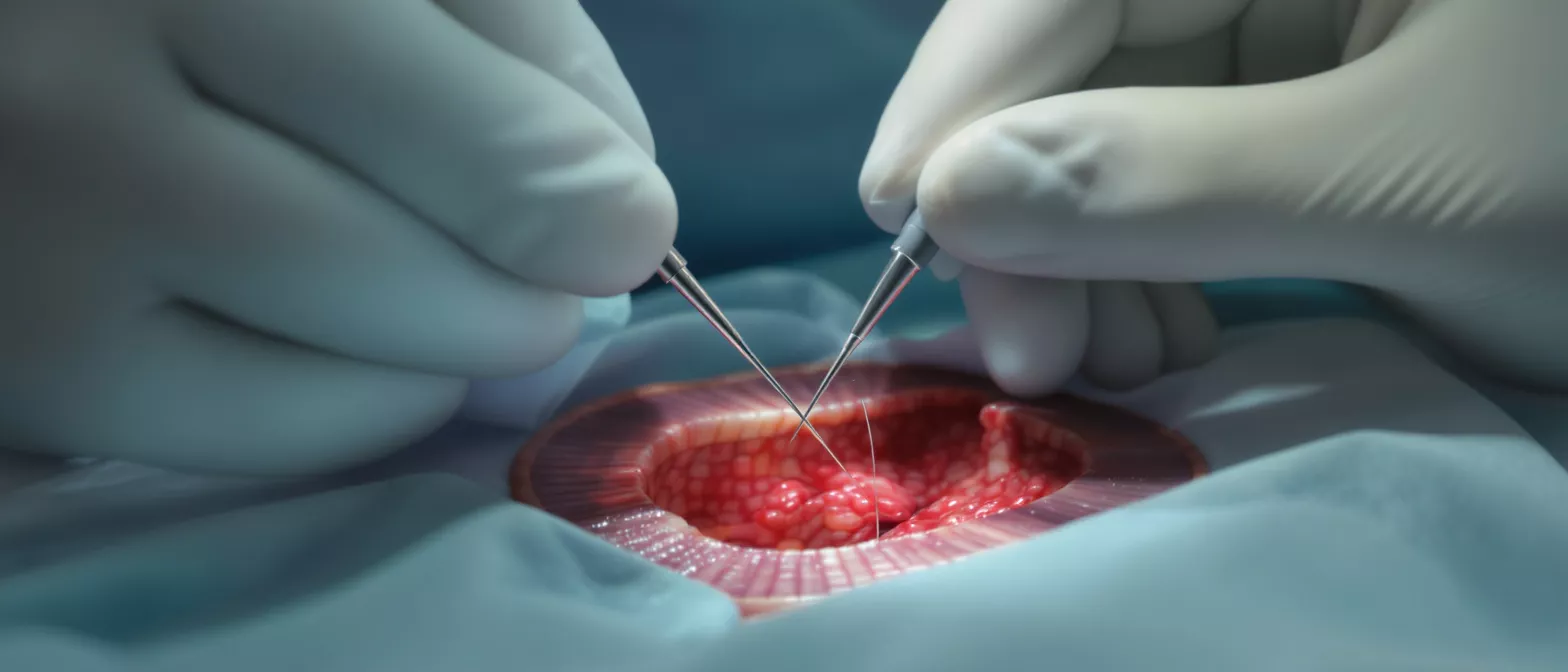
Venous Graft
Learn how venous grafts work in coronary bypass surgery, plus risks, recovery, and long-term patency.
What is a Venous Graft?
A venous graft is a healthy blood vessel, usually taken from your own leg, that a cardiac surgeon uses to create a new route for blood to flow around a blocked artery in your heart. When fatty deposits narrow the vessels that supply your heart muscle, blood cannot circulate freely. The surgeon removes a segment of vein and carefully attaches it above and below the blockage, effectively bypassing the obstruction. This creates a clear path so oxygen-rich blood can reach the heart muscle again.
Surgeons most commonly use the great Saphenous vein graft: this long vessel runs just beneath the skin along the inside of your leg, making it relatively easy to access through small incisions. Because it is long, a single segment can be used to bypass multiple blockages. Using your own tissue means your body readily accepts it without any risk of rejection.
Understanding the venous graft definition helps take away the fear of the unknown. If you or a loved one are facing coronary bypass surgery, knowing exactly what the surgeon will do brings enormous peace of mind. The concept is simple: it is like a highway detour built to route traffic around an accident, keeping everything moving smoothly.
How Does a Venous Graft Work in Bypass Surgery?
During the operation, your surgeon stops the heart temporarily and uses a heart-lung machine to keep your blood circulating. They inspect the coronary arteries to pinpoint exactly where the blockages sit. The venous graft is then attached to the aorta, the large main artery leaving the heart, and connected downstream past the blocked area. This creates a detour path.
Bypass venous graft placement: the surgeon sutures one end of the vein to a tiny opening in the aorta and the other end to the coronary artery just beyond the narrowing. Blood now flows freely from the aorta through the new graft, skipping the diseased section entirely. The heart muscle immediately receives the oxygen it has been starving for.
The procedure is meticulously planned using imaging taken before surgery. Once the surgeon completes the connections, they restore normal blood flow, restart the heart, and close the chest. The newly placed cardiac venous graft immediately takes on the important job of keeping the heart tissue nourished and functioning properly.
Why Might I Need a Venous Graft for Heart Surgery?
Your cardiologist might recommend a venous graft if you have severe coronary artery disease. When the vessels supplying your heart become heavily calcified, blood flow is restricted, which can lead to chest pain or shortness of breath. A coronary venous graft provides a reliable way to restore circulation and relieve these exhausting symptoms.
Surgeons rely on venous grafts because they offer excellent length and versatility. While an arterial graft from the chest wall is often used for the most important blockage, the venous graft anatomy allows surgeons to reach multiple areas of the heart that need bypassing. This is particularly helpful if you have several blocked arteries requiring multiple grafts.
Vein graft procedure candidates: patients with multiple blockages or small arteries deep in the heart muscle often benefit most from this approach. Your surgical team will evaluate your overall heart anatomy to decide exactly how many grafts you need and which vessels are best suited for your specific condition.
Venous Graft vs Arterial Graft: What is the Difference?
The main difference lies in the source of the vessel and how long it tends to stay open inside the chest. Arteries, like the internal mammary artery in your chest wall, are naturally designed to handle the high pressure of blood pumped directly from the heart. They tend to remain open for decades, making them the preferred choice for the most critical blockages.
Veins, on the other hand, normally carry low-pressure blood back to the heart from your legs. When a venous graft is placed in the high-pressure arterial system, the vein walls must adapt. Over time, these walls can thicken, which sometimes affects how long the graft stays fully open compared to an arterial graft.
Venous graft vs arterial decision: your surgeon will usually use a combination of both. They will use an artery for the most important bypass and venous grafts for other blockages. This approach maximizes long-term success and ensures all areas of your heart get the blood they need.
- Arterial grafts: typically taken from the chest wall, built for high pressure, and tend to last longer without narrowing.
- Venous grafts: taken from the leg, excellent length for multiple bypasses, but may require closer monitoring over the years.
How is a Venous Graft Harvested from the Leg?
Removing the vein requires a careful surgical process called harvesting. In the past, this involved a single long incision down the inner thigh. Today, surgeons frequently use minimally invasive techniques, making just a few small incisions and using a tiny camera to gently remove the vein. This modern approach causes much less tissue trauma.
Endoscopic harvesting significantly reduces pain after surgery and lowers the risk of leg wound infections. The surgeon visualizes the vein on a monitor and carefully detaches it from surrounding tissue using specialized instruments. Once the healthy segment is removed, the small incisions are closed, and the leg naturally adapts to rely on other veins for blood return.
Because the leg has a deep network of veins, removing the superficial saphenous vein rarely causes circulation problems. The body quickly redirects blood flow through remaining healthy vessels. Your leg will heal alongside your chest, and most patients walk comfortably within a few days of surgery.
What to Expect During Venous Graft Recovery?
Recovery from bypass surgery is a gradual process that takes several weeks. You will spend a few days in the intensive care unit so the medical team can monitor your heart rhythm and blood pressure. Once stable, you will move to a regular room and begin walking with assistance.
You can expect some soreness around the chest incision and minor aching in your leg where the graft was taken. It is completely normal to feel tired and emotional during the first few weeks. Your surgical team will provide specific guidelines for lifting restrictions, wound care, and pain management to ensure safe healing.
Cardiac venous graft healing: the newly placed graft begins functioning immediately, but the surrounding tissues take time to fully recover. Attending cardiac rehabilitation is one of the best ways to ensure a smooth recovery. These supervised exercise programs help strengthen your heart safely while closely monitoring your progress.
What Are Venous Graft Complications and Risks?
Like any major surgery, using a venous graft carries some risks. Bleeding and infection are possible at the incision sites, though strict sterile protocols keep these rates very low. Some patients experience irregular heartbeats right after surgery, which is usually temporary and easily treated with medication while in the hospital.
Venous graft complications: the most specific long-term risk is graft narrowing or occlusion. Because veins are not naturally meant to carry high-pressure arterial blood, the vessel walls can sometimes thicken over time. This process, called intimal hyperplasia, can gradually narrow the graft and reduce blood flow months or years later.
Your surgical team takes several steps to minimize these risks, including using meticulous surgical techniques and prescribing medications to prevent clotting. Knowing the warning signs, such as returning chest pain, allows you to seek prompt care. Regular follow-up appointments ensure that any potential issues are caught and managed early.
How Long Does Venous Graft Patency Last?
Patency refers to how well the graft stays open over time. A venous graft generally functions very well in the short and medium term, providing excellent blood flow that immediately relieves symptoms and improves quality of life. However, their long-term patency differs slightly from arterial grafts.
Over the course of several years, a percentage of venous grafts may develop blockages due to the natural wear of handling arterial pressure. Your cardiovascular health plays a major role in how long the graft remains clear. Patients who maintain healthy habits after surgery tend to have much better long-term outcomes.
Venous graft patency rates: while individual results vary, modern surgical techniques and careful vein handling have significantly improved how long these grafts last. Your surgeon will discuss realistic expectations based on your specific anatomy and the condition of your veins during your consultation.
How to Prevent Venous Graft Failure After Surgery?
Preventing venous graft failure is largely about protecting your entire cardiovascular system. The same lifestyle factors that caused the original blockages can threaten your new grafts if left unchanged. Taking your prescribed medications, such as statins and blood thinners, is critical for keeping the grafts open and preventing new plaque buildup.
Adopting a heart-healthy diet low in saturated fats and sodium helps keep your veins clear. Regular physical activity, approved by your cardiologist, strengthens your heart and improves circulation. Managing stress and avoiding smoking are absolute cornerstones of protecting your new bypasses from developing new blockages.
- Diet and medication: eat a balanced diet and take prescribed blood thinners to prevent clotting inside the new graft.
- Exercise regularly: attend cardiac rehab and maintain an active lifestyle to promote healthy blood flow.
Venous Graft Summary and Key Takeaways
A venous graft is a life-saving tool in cardiac surgery that allows your surgeon to bypass dangerous blockages and restore vital blood flow to your heart. By using a healthy vein from your leg, the surgical team creates a new path for oxygen-rich blood, immediately improving your heart function. Understanding this process helps replace fear with confidence as you prepare for your operation.
The key to long-term success lies in partnership with your medical team and a commitment to heart-healthy changes. While veins adapt beautifully to their new role, protecting them through medication, diet, and exercise ensures they continue serving your heart well for years to come.
Remember that recovery is a journey, and asking questions is an important part of the process. Trust your surgical team, follow your rehabilitation plan closely, and focus on the renewed health waiting for you on the other side of your surgery.






