

Venous Graft Failure After Bypass Surgery
Venous graft failure after bypass surgery can threaten your heart.
Venous graft failure is one of the most important long-term considerations for anyone who has had, or is planning, coronary artery bypass surgery. When a surgeon bypasses a blocked coronary artery, the new conduit — whether a vein from the leg or an artery from the chest wall — becomes the lifeline that carries blood to the heart muscle. Understanding why these grafts can narrow or close over time, what warning signs to watch for, and how modern care protects them can make the years after surgery far safer and less frightening.
What Is Venous Graft Failure?
The basic idea. A coronary bypass works by rerouting blood around a blocked artery using a healthy blood vessel taken from elsewhere in the body. When that vessel — typically a vein — narrows, develops blockages of its own, or closes completely, doctors call it venous graft failure. The bypass that was meant to protect the heart stops doing its job fully, and the heart muscle beyond the blockage can be at risk again.
Failure is not one single event. Venous graft failure happens on a spectrum. Some grafts fail within the first days or weeks, often from technical factors or clot formation. Others fail years later as the graft develops its own form of hardening of the arteries, a process doctors call vein graft atherosclerosis. Knowing which type of failure is occurring shapes what treatment makes sense.
Why it matters to you. If you or a family member has had a bypass, knowing about graft failure is not a reason for alarm — it is a reason for follow-up. Grafts are monitored, risk factors can be controlled, and many failing grafts are found before they cause symptoms. Our team reviews every case, including patients who had surgery elsewhere, against international practice guidelines before suggesting any next step, and the final decision always rests with the patient.
What Is a Bypass and Why Grafts Are Used?
A simple plumbing analogy. A bypass is exactly what the word suggests: a new route for blood to flow around a blockage. Coronary arteries are the small vessels that feed the heart muscle itself. When cholesterol plaque narrows one of them severely, the heart muscle downstream is starved — that is what causes angina (chest pain) and, in some cases, damage to the heart muscle. Rather than trying to clear the blockage, a surgeon attaches a healthy vessel above and below it, so blood flows through the detour instead.
How the operation works. During conventional coronary bypass, the surgeon takes the graft vessel — a leg vein or an artery from inside the chest or arm — and connects one end to the aorta, the main artery leaving the heart, and the other end to the coronary artery beyond the blockage. Most operations are performed on cardiopulmonary bypass (the heart-lung machine, which temporarily takes over circulation) with a bypass time measured in minutes to hours, though some cases are done off-pump, on the beating heart, when it suits the patient. After the grafts are in place, the patient is carefully weaned from bypass and the chest is closed.
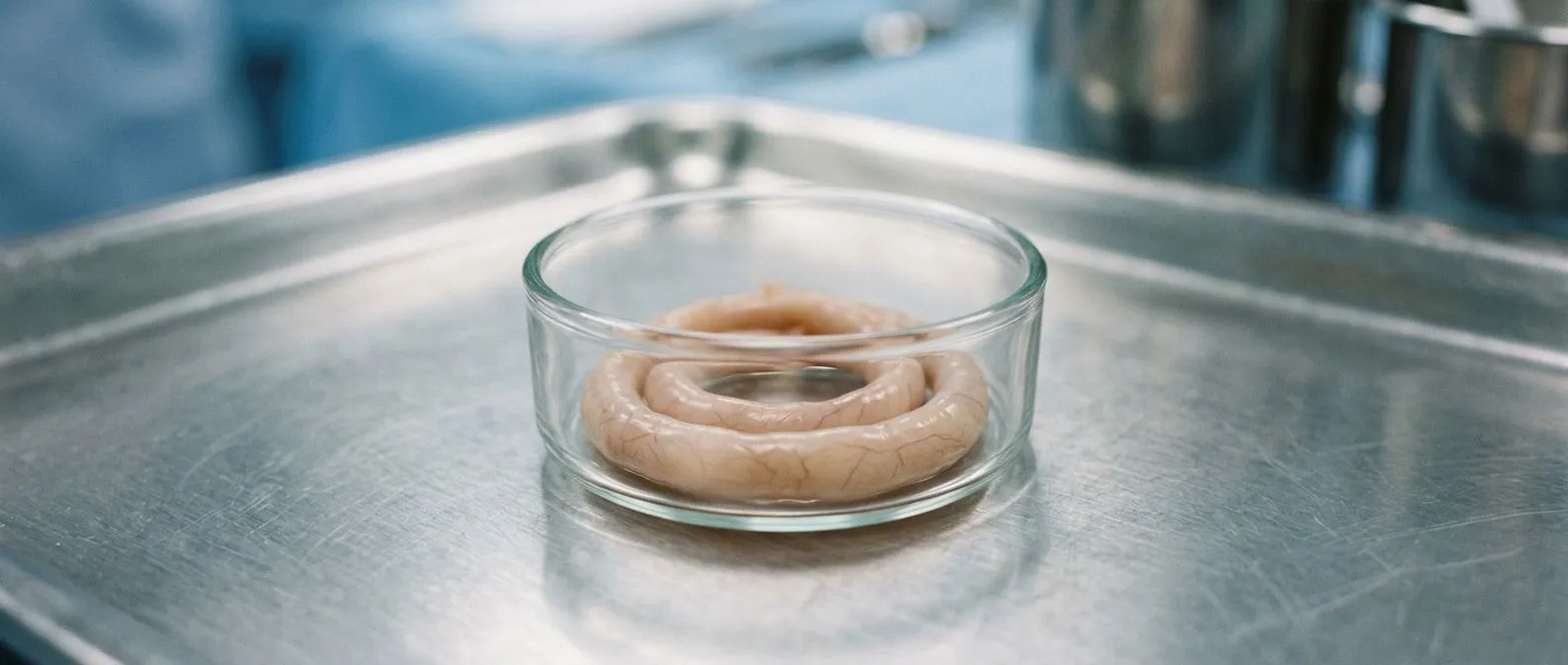
Where the graft vessel comes from. The most commonly used vein is the saphenous vein, which runs just beneath the skin of the inner leg from ankle to groin. It is long, accessible, and easy to shape into bypass grafts. In the consultation we take the time to explain what the studies actually show — in plain words — about which conduit suits which artery, and we answer every question before any decision is made.
Types of Grafts Used in Coronary Bypass Surgery
Four main conduits. When people ask what the four types of grafts are, the answer is fairly straightforward. Surgeons choose between them based on the artery being bypassed, the patient's anatomy, and long-term durability data.
- Arterial graft (internal mammary artery): the artery running inside the chest wall, used for the left anterior descending artery; it is the most durable conduit and the standard of care.
- Saphenous vein graft: the leg vein, used for multiple arteries and the workhorse of bypass surgery for decades.
- Radial artery graft: an artery from the forearm, increasingly used for its good durability in selected arteries.
- Gastroepiploic or other arteries: occasionally used, typically in redo surgery or when other conduits are unavailable.
Which graft is better for CABG? For the most important coronary artery — the left anterior descending, which supplies a large area of the heart — the internal mammary artery outperforms vein grafts in durability, and surgeons aim to use it in nearly every patient. For the other arteries, veins are still widely used because they are plentiful and easy to handle, though arterial grafts are increasingly preferred where the evidence supports them. Dr Molina trained in cardiac, minimally invasive, robotic and structural surgery at the University of Montreal, and the team also trained at Jena, Bad Berka and Buffalo — so conduit selection is always discussed in the light of current international practice.
Trade-offs to understand. Arterial grafts last longer but are limited in number and length. Vein grafts are abundant and flexible but carry a higher rate of late failure. Many patients receive a combination — an arterial graft to the key artery and vein grafts to the rest — which balances durability with completeness of revascularization.
Why Do Vein Grafts Fail?
Three phases of failure. Vein grafts fail for different reasons at different times, and understanding the timeline helps patients and families know what to expect and when vigilance matters most.
- Early (days to weeks): technical problems at the connections, poor run-off in the small downstream vessels, or clot formation inside the graft causing early vein graft occlusion.
- Intermediate (months to a few years): the graft wall thickens and narrows as the vein adapts to artery-like pressures, a process called intimal hyperplasia.
- Late (years onward): the graft develops its own atherosclerosis — vein graft atherosclerosis — with soft, fragile plaque that can rupture, causing late venous graft failure.
The vein is not designed for arterial pressure. A leg vein is used to carrying low pressure. Placed into the high-pressure arterial system, its wall responds: the inner lining thickens, the muscle layer grows, and over time plaque can form. This is why vein grafts, unlike artery grafts, have a built-in tendency to deteriorate. The no-touch harvesting technique — removing the vein with its surrounding tissue intact to protect the wall — is one approach surgeons use to reduce this injury, and careful handling during surgery matters a great deal.
Patient factors play a role too. Smoking, diabetes, high cholesterol, high blood pressure, and inflammation all accelerate graft disease. This is why the medications prescribed after bypass — antiplatelet drugs, statins, blood pressure control — are not optional extras; they are the main defense against graft failure. Our team emphasizes that patients who control these factors meaningfully change their graft outlook.
Venous Graft Failure Symptoms to Watch For
Return of familiar symptoms. The most common signs of a failing bypass graft resemble the symptoms that led to surgery in the first place: chest pressure or pain during exertion, shortness of breath, fatigue, or discomfort in the jaw, arms, or back. If a patient felt fine after surgery and these symptoms gradually return, it is a signal that one or more grafts may be narrowing.
More urgent warning signs. Some changes should never be ignored. Chest pain at rest, pain that wakes you at night, pain that is worse and more frequent than before, or symptoms accompanied by sweating, nausea, or lightheadedness need immediate medical attention. Heart bypass failure signs can also include new irregular heartbeats, unexplained swelling of the legs, or breathlessness when lying flat — all of which warrant prompt evaluation.
Some failures are silent. Not every failing graft announces itself. Especially when the graft supplies a smaller area of heart muscle, or when collateral vessels have grown around the blockage, patients may feel nothing. This is precisely why scheduled follow-up — and honest reporting of any new sensation, however mild — matters so much. We tell our patients that no symptom is too small to mention at a follow-up visit.

How Long Does a Saphenous Vein Graft Last?
The general picture. Saphenous vein grafts typically work well for many years, but a meaningful proportion develop narrowing or blockage over time — the highest risk of failure is in the first year, and failure continues to accumulate gradually after that. A widely cited study of postoperative atrial fibrillation occurring after coronary bypass graft surgery also notes that early complications and arrhythmias can complicate the first months, underscoring that the first year is a period of particular vigilance (Revista Brasileira de Cirurgia Cardiovascular).
Patency is a moving target. Graft patency — whether the graft stays open — depends on the artery it feeds, the patient's risk factors, and how the graft was handled. Grafts to arteries with good downstream flow tend to do better than grafts to poorly run-off vessels. The American Heart Association emphasizes lifelong risk-factor control as the foundation of keeping grafts open (American Heart Association).
What this means practically. A vein graft is not a "set and forget" part. It is a living conduit that changes with the body. Patients who take their medications, stop smoking, control diabetes and cholesterol, and attend follow-up give their grafts the best chance of lasting decades. I have seen in my own practice how much difference disciplined follow-up makes to graft outcomes over the years.
How Venous Graft Failure Is Detected
Non-invasive testing first. The usual pathway begins with tests that do not require entering the body: a stress test (exercise or medication-based) to see whether areas of the heart show reduced blood supply, an echocardiogram (an ultrasound of the heart) to check pump function and valve behavior, or a CT angiogram, which uses contrast dye and X-rays to image the grafts directly and has become a mainstay of graft surveillance.
Invasive confirmation when needed. If non-invasive tests raise concern, coronary angiography — a catheter study in which dye is injected into the grafts under X-ray — remains the definitive way to see whether and where a graft is failing. It allows the team to measure the narrowing, assess the downstream vessels, and plan treatment in the same session if required.
Surveillance without symptoms. Many centers now use routine imaging in the first year after bypass, precisely because early vein graft occlusion and disease can be silent. We have consulting rooms in Guadalajara, Querétaro and Hermosillo, and every case is reviewed by the team so the patient receives a clear proposal with the alternatives explained.
Venous Graft Failure Treatment Options
It depends on the graft and the territory. Treatment is tailored to which graft has failed, how severe the failure is, how much heart muscle it supplies, and how the patient is doing overall. There is no single answer — and that is why a careful, individual review matters.
- Optimized medication: adjusting antiplatelet therapy, statins, and blood pressure medicines can stabilize a graft with mild disease and prevent progression.
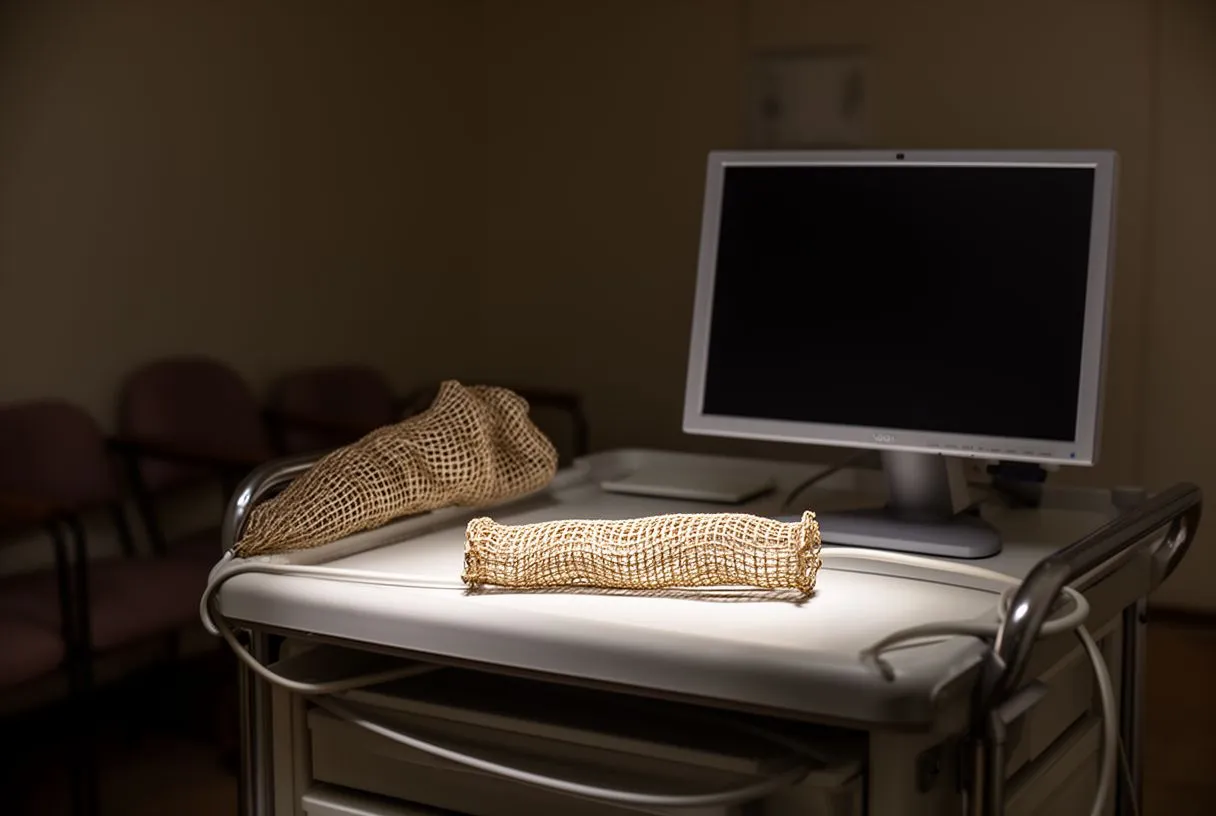
- Stenting of the graft: a balloon and stent can open a focal narrowing in a vein graft in suitable cases, often through the wrist artery.
- Redo coronary bypass surgery: when grafts fail and medication or stenting is not enough, a second bypass operation using new conduits is an option for selected patients.
Redo surgery is a real but carefully weighed option. Failed bypass graft options include a second operation, which is more complex than the first because of scar tissue and the need for new conduits. Modern techniques — and in selected cases, off-pump or minimally invasive approaches — have made redo surgery safer than in the past, but it is reserved for patients in whom the benefit clearly outweighs the added risk. Our team reviews each such case against international practice guidelines before recommending surgery, and where the evidence supports a less invasive route for that patient, that is the route we propose.
Second opinions are normal. Facing a failing graft after major surgery is daunting, and no one should decide alone. We encourage second opinions and treat seeking one as a normal part of deciding about heart surgery. If you would like to talk a situation through, the first contact is a free video consultation: we get to know the patient, talk through the condition, and say which studies are still needed so no unnecessary ones are ordered; a face-to-face visit at the consulting rooms follows when the patient decides to go ahead.
Can a Person Live 30 Years After Bypass Surgery?
Yes — and many do. Long-term survival after bypass depends less on the operation itself than on what happens afterwards. Patients who protect their grafts — by not smoking, controlling cholesterol, blood pressure, and diabetes, staying active, and attending follow-up — can live decades after surgery. The arterial grafts used in the operation often remain open for the rest of the patient's life.
Quality of life matters as much as quantity. Most patients who recover well from bypass return to normal activities, work, travel, and exercise. The goal of surgery is not just survival but a life with fewer symptoms and less fear. Managing conditions that may arise — such as congestive heart failure if the heart muscle has been weakened — is part of long-term care, and modern treatments make a real difference.
Realistic expectations. Coronary bypass is a highly effective treatment, but it does not stop the underlying disease process. The same plaque that blocked the native arteries can affect grafts. Living 30 years after surgery is realistic for many patients, and it is most likely for those who treat the years after surgery as an ongoing partnership with their cardiac team.
Graft Failure Prevention: What Patients Can Do
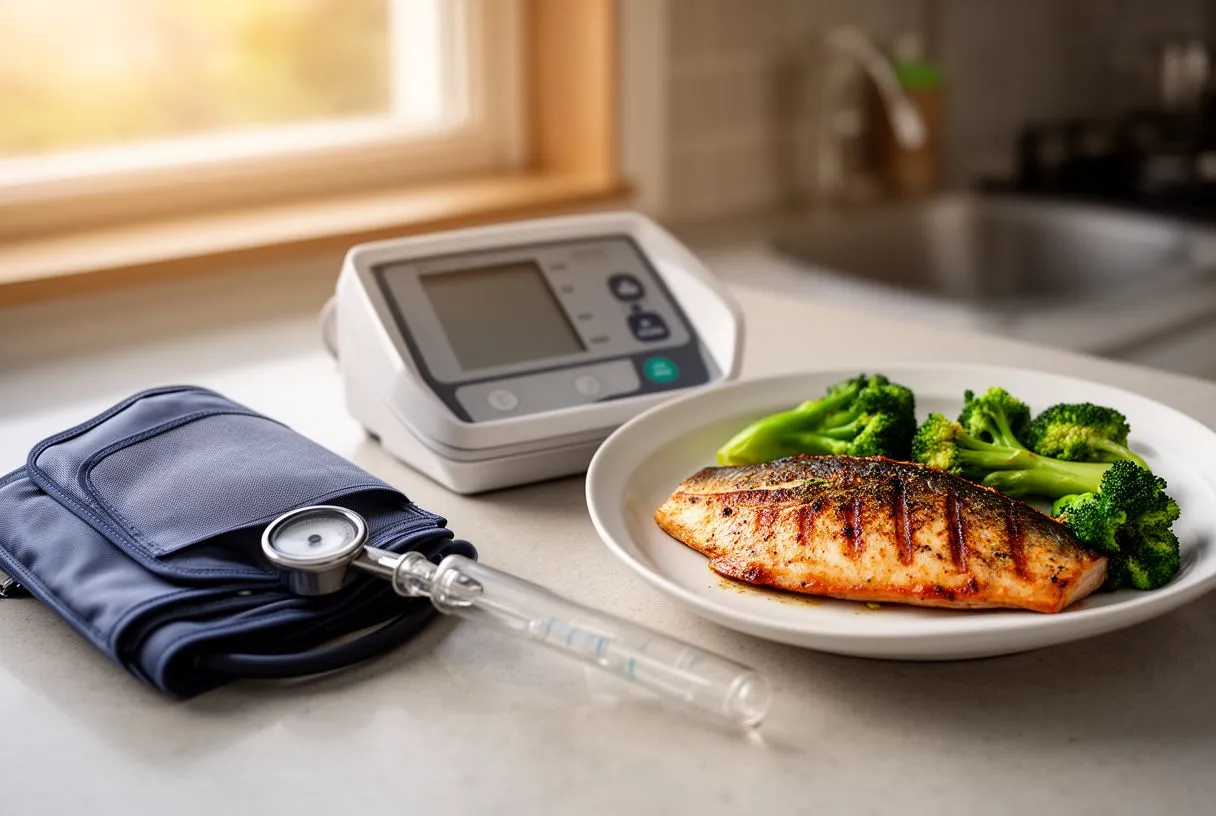
Medications come first. The single most effective prevention measures after bypass are the ones prescribed at discharge: antiplatelet drugs (usually aspirin, sometimes with a second agent), a statin to keep cholesterol low, and blood pressure and diabetes control. These are not short-term treatments — they are lifelong. Patients should never stop or adjust them without discussing it with their cardiologist.
Lifestyle is the second pillar. The evidence is consistent on what protects grafts:
- Stop smoking completely: smoking is one of the strongest accelerators of graft disease; quitting at any point helps.
- Eat for the arteries: a Mediterranean-style diet rich in vegetables, fish, and olive oil supports graft and native artery health.
- Move daily: regular walking or cardiac rehabilitation improves circulation, graft health, and overall survival.
- Keep every follow-up: grafts are monitored over time; silent problems are best found on schedule, not by symptoms.
Know your own numbers. Cholesterol, blood pressure, blood sugar, and weight are the levers patients control. Ask your team what your targets are and check them at each visit. Reviewing these numbers at follow-up and adjusting the plan as needed matters, because graft protection is a shared project between the patient and the care team.
Where to go from here. Venous graft failure is a known, monitorable, and often treatable complication of bypass surgery — not a secret or a doom. If you or someone you love has had a bypass and is worried about symptoms, or if you are facing surgery and want to understand which conduits would be used in your case, the best next step is a conversation with a qualified cardiac team. Do not self-diagnose; bring your questions and your studies, and let a multidisciplinary team review them with you. Dr Molina and the team at Cirugía de Corazón are available for consultations in Guadalajara, Querétaro and Hermosillo, and the first video consultation is free.






