Heart Warning Signs You Should Never Ignore
Heart warning signs that need attention: chest pressure, shortness of breath, irregular beats and cold sweats.
Your heart rarely fails without giving notice first. The trouble is that its early messages — pressure, tiredness, an odd flutter in the chest — are easy to blame on stress, age or a poor night's sleep. In this guide we walk through the heart warning signs never ignore, explain what is actually happening inside the chest when they appear, and describe when a symptom deserves a same-day visit and when it deserves an ambulance. If you finish this article recognizing one or two signals in yourself or someone you love, it will have done its job.
What Are Heart Warning Signs?
Why the body sends signals early. The heart is a muscle fed by its own small arteries, the coronary arteries. When those arteries narrow, the heart receives less oxygen-rich blood, and the body responds with what doctors call cardiac warning symptoms. These can range from a tight feeling during a climb upstairs to a swollen ankle after a long day. Learning to read them is one of the most useful health skills a family can have.
The difference between discomfort and danger. Not every twinge is a heart problem. Muscle strain, acid reflux and anxiety can all imitate heart signals, which is why pattern matters more than any single episode. Pain that appears with physical effort and eases with rest points toward the heart; pain that changes with posture or a deep breath usually points elsewhere. The key is noticing when a symptom is new, repeated, or getting stronger.
Common signals across the body. Heart trouble rarely announces itself only in the chest. It can show up as breathlessness, an irregular pulse, sudden fatigue, swelling in the legs, or sensations in the jaw, back and arms. The sections below look at each of these in turn, because the more patterns you recognize, the faster you can act. That speed is what protects heart muscle.
Chest Pain Warning Signs You Should Never Ignore
Pressure, not always pain. The classic heart symptom is less often a sharp pain than a pressure, squeezing or heaviness — many people describe it as "someone sitting on my chest." It typically builds over minutes rather than arriving in a single flash, and it can spread to the neck, shoulders, or upper back. If you feel this, do not try to self-diagnose; get checked. Distinguishing cardiac from non-cardiac chest pain is exactly what a cardiologist is trained to do.
Chest pain warning signs that need emergency care. Pressure that lasts more than a few minutes, pressure that wakes you at night, or pressure accompanied by breathlessness, nausea or cold sweat should be treated as an emergency. Call emergency services rather than driving yourself — an ambulance can begin monitoring and treatment on the way. Time matters because blocked coronary arteries starve heart muscle, and that muscle does not recover.
Chest discomfort that is still worth investigating. Even when the pain is mild, brief, or clearly tied to exercise, it deserves a proper evaluation. In our practice we take the time in consultation to explain what the studies actually show, in plain words, and to answer every question before any decision is made. A chest pain that comes back with effort is called angina, and it is a signal — not a sentence. The right workup usually includes an electrocardiogram, blood tests and an imaging study to see how the coronary arteries are behaving.
Shortness of Breath and Signs of Heart Failure
When the pump struggles. The heart's job is to move blood forward; when it cannot keep up, blood backs up and fluid collects in the lungs and body. This condition is called heart failure, and the signs of heart failure are often surprisingly quiet at first: breathlessness on stairs, a stuffed feeling lying flat, waking at night gasping, needing an extra pillow. These are heart symptoms not to ignore, because they tend to progress slowly and are far easier to treat early.
Fluid in the legs and abdomen. As the pressure builds, fluid may also gather in the ankles, feet or abdomen. Press a thumb into the skin of a swollen ankle; if it leaves an indentation, that is edema. Weight gain of several pounds over a few days can also reflect fluid retention rather than fat. None of these signs confirm heart failure on their own, but together they justify a heart check rather than another round of "probably my knees."
Why evaluation matters. Heart failure has many causes — narrowed valves, weak pumping, coronary disease, long-standing high blood pressure — and each has a different treatment. At our team every case is reviewed by the multidisciplinary team against international practice guidelines before a recommendation is given, so that the patient receives a clear proposal with the alternatives. If a valve is the culprit, options range from medication to repaired or replaced valves, sometimes through minimally invasive or transcatheter approaches rather than open surgery.
Irregular Heartbeat Symptoms: When to See a Cardiologist
Flutters, skips and racing. An occasional skipped beat is common and usually harmless. Irregular heartbeat symptoms that matter are different: a pulse that races without cause, a flutter that lasts minutes to hours, dizziness with the palpitations, or a heartbeat that feels chaotic and fast. The most common arrhythmia of this kind is atrial fibrillation, an electrical rhythm problem in the heart's upper chambers.
Why rhythm matters. When the upper chambers quiver instead of contracting, blood can pool and form clots, and those clots can travel to the brain and cause a stroke. That is why a cardiologist takes irregular heartbeat symptoms seriously even when they feel mild. Diagnosis is usually straightforward: an electrocardiogram catches the rhythm in the act, and a wearable monitor records it over a day or more if it comes and goes.
What treatment looks like. Depending on the cause and the risk, care may involve medication to steady the rhythm or thin the blood, a catheter procedure, or treatment of the underlying condition — sleep apnea, thyroid problems, or valve disease are frequent contributors. The final decision always belongs to the patient, and we encourage second opinions as a normal part of that process.
Heart Attack Warning Signs in Men
The textbook picture. Heart attack warning signs in men tend to follow the classic pattern: central chest pressure that builds over minutes, often radiating to the left arm, jaw or back, accompanied by shortness of breath, nausea or a cold sweat. Men frequently experience this during exertion, and many describe it as a strong, unmissable pressure. The mistake is not failing to notice it — it is waiting too long, hoping it will pass.
Why men delay. Studies and emergency-room experience consistently show that people with chest pain often wait hours before calling for help, dismissing it as indigestion or muscle strain. That delay is the single most dangerous variable in a heart attack. If you are unsure whether it is a heart attack, call emergency services — the cost of a false alarm is a few hours and a night's reassurance, while the cost of a real one left untreated is permanent heart damage.
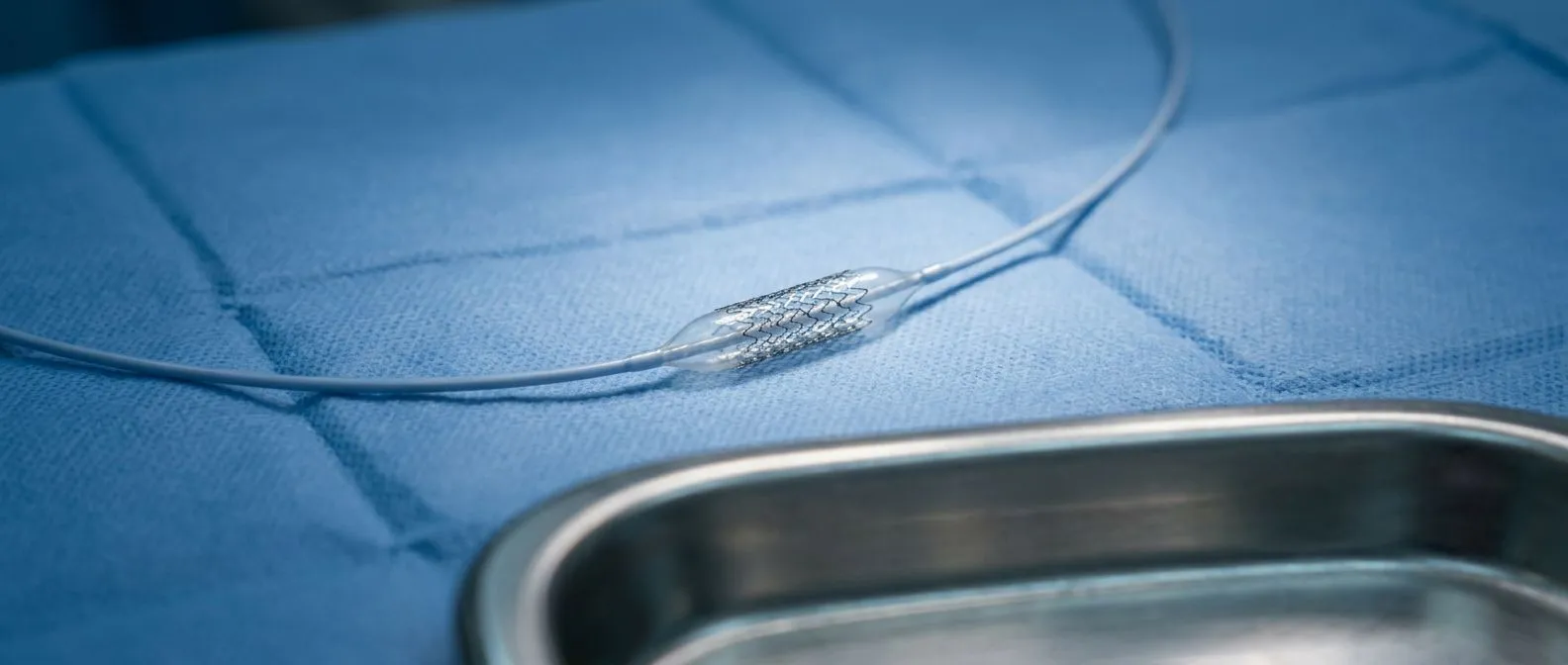
What happens after the diagnosis. Once a heart attack is confirmed, treatment depends on how the coronary arteries are blocked. Options range from a stent placed through a catheter to bypass surgery, and sometimes both. Our team performs conventional, minimally invasive, robotic and transcatheter procedures, and we recommend the less invasive route only where the evidence supports it for that particular patient. The goal is always the same: restore blood flow quickly and protect the heart for the years ahead.

Heart Warning Signs Never Ignore in Women
Signals that look different. Heart warning signs never ignore in women often differ from the classic picture. Women are more likely to experience breathlessness, extreme fatigue, nausea, back or shoulder discomfort, and jaw pain as their primary symptoms — sometimes without chest pain at all. This is why women's heart attacks are statistically more often missed or misattributed to stress, indigestion or exhaustion.
The fatigue trap. Unusual tiredness is one of the most common and most dismissed symptoms in women before a cardiac event. The distinguishing feature is change: fatigue that is sudden, unexplained, and different from ordinary busy-life tiredness. A woman who can no longer walk to the mailbox without resting should be evaluated, not told to sleep more.
Speaking up in the clinic. Women are often less likely to have their symptoms attributed to the heart, so it helps to ask directly: "Could this be cardiac?" A good heart team will take that question seriously. In our consultations we see patients of every age and presentation, and we order only the studies still needed — the first contact is a free video consultation where we get to know the patient and say which studies are actually required, so no unnecessary ones are done.
Cold Sweats, Jaw Pain and Left Arm Numbness
Why the heart is felt in distant places. The heart shares nerve pathways with the jaw, neck, shoulders and left arm, so when the heart is deprived of blood the brain can misread the location of the pain. This is called referred pain. It explains why jaw pain heart warning, left arm numbness heart episodes, and even toothache-like sensations can all be cardiac in origin.
How to read the pattern. These distant signals are more concerning when they appear with exertion, come with other symptoms, or occur in someone with risk factors such as high blood pressure, diabetes, smoking, high cholesterol, or a family history of early heart disease. A jaw ache after a heavy meal is probably dental; a jaw ache that arrives with a climb and a cold sweat is not.
Cold sweats are the body's alarm bell. A sudden, cold, clammy sweat — different from the warmth of exercise or a hot room — is a classic sign that the body is under serious stress. It frequently accompanies heart attack warning signs and deserves immediate attention, especially when combined with any chest, jaw or arm sensation. When patients describe this combination to us, we treat it as an urgent evaluation and do not wait for a routine appointment slot.
One pattern to remember. If several of these symptoms arrive together, they are far more likely to be cardiac than any one of them alone. The combination of cold sweats, breathlessness and jaw or arm discomfort is the body raising a red flag — treat it that way and call for help.
Sudden Fatigue and Heart Disease Early Signs
The quietest symptom. Fatigue is the most common and most misunderstood of the heart disease early signs. When the heart's output falls — because of a narrowed valve, weakened muscle, or blocked arteries — the body receives less oxygen during activity, and the result is exhaustion that no amount of sleep fixes. Sudden fatigue heart episodes are especially telling when they follow a change: a new inability to climb the same stairs, mow the same lawn, or carry the same groceries.
Other early signs worth knowing. Fatigue rarely travels alone. Watch for the company it keeps:
- Breathlessness with familiar activity: needing more pauses than before during routine effort.
- Swelling in the ankles or feet: fluid that leaves a dent when pressed.
- Waking at night breathless: a sign fluid is shifting into the lungs when lying flat.
- A decline in exercise tolerance: the same activities now cost noticeably more effort.
What evaluation involves. A heart checkup for these symptoms is usually simple: an examination, an electrocardiogram, an echocardiogram — an ultrasound of the heart that shows valves and pumping strength — and blood tests. In our team we explain the findings in plain words so the patient understands exactly what the heart is doing and why. That clarity is what allows a confident decision about whether treatment, monitoring, or simple lifestyle change is the right next step.
When to Get a Heart Checkup
Who should get screened. Screening is worthwhile for anyone over forty with risk factors, and for anyone who has noticed any of the heart symptoms not to ignore described above. Risk factors include high blood pressure, high cholesterol, diabetes, smoking, obesity, and a family history of heart disease before age sixty. A heart checkup in Guadalajara, Jalisco typically starts with an examination and an electrocardiogram, and adds an echocardiogram or stress test if the findings warrant it.
What a good consultation feels like. You should leave understanding what was found, what it means, and what happens next — in language you can repeat to your family. At our consulting rooms in Guadalajara, Querétaro and Hermosillo, the first contact is a free video consultation where we talk through the condition and identify exactly which studies are still needed. If you already have results from another clinic, bring them; a second read of an echo or angiogram is often where new information appears. We encourage second opinions and treat seeking one as a normal part of deciding about heart surgery.
Choosing a cardiac team. Look for a team rather than a single doctor, because complex heart conditions benefit from more than one specialty. A surgeon, an interventional cardiologist, an imaging specialist and an anesthesiologist each see a different side of the same problem. Our multidisciplinary team, led by Dr Alejandro Molina, reviews every case against international practice guidelines before making a recommendation, and the patient always receives a clear proposal with the alternatives — the final decision is theirs.
When to Seek Help Right Away
Emergency situations — call for help immediately. Some symptoms should never wait for a scheduled appointment:
- Chest pressure lasting more than a few minutes — especially with sweating, nausea or breathlessness.
- Sudden severe breathlessness at rest or waking from sleep gasping.
- A fast, irregular heartbeat with dizziness or fainting — this can be a serious arrhythmia.
- Sudden weakness, facial droop or trouble speaking — these are stroke signs and need immediate emergency care.
Urgent but not emergency situations. Symptoms that are new, recurring, or worsening — such as chest discomfort with exercise, growing breathlessness, ankle swelling, or sudden fatigue heart episodes — deserve a consultation within days, not weeks. If you have already been told you have valve disease, coronary disease or an aneurysm of the aorta, new or changed symptoms deserve a prompt review. Ask your own cardiac team what specific symptoms should trigger a call, because thresholds differ by condition. For aortic conditions, for example, size drives the decision — a dilated aorta above roughly 5.5 cm generally moves toward repair, while smaller aneurysms are often monitored.
Trust your instincts, then verify with an expert. People who eventually have a cardiac event often say they knew something was wrong days or weeks before. That instinct is worth acting on. If you or someone in your family has noticed any of the heart warning signs never ignore in this article, the right next step is a conversation with a qualified cardiac team — not self-diagnosis. We would be glad to start that conversation with a free video consultation, where we get to know you, explain your situation in plain words, and tell you exactly which studies — if any — are still needed. The heart gives warnings; the task is simply to answer them in time.