Advantages and disadvantages of cardiac catheterisation
Advantages and disadvantages of cardiac catheterisation explained by Guadalajara heart specialists.
You have probably heard of cardiac catheterisation. Perhaps you or a relative have been told you need one. There is a great deal of information about it, but it is not always clear or appropriate. Don't worry: this article is for you, and by the end you will understand the subject better and be able to make better decisions.
In cardiology, cardiac catheterisation is a crucial diagnostic and treatment tool for assessing and treating a range of heart conditions. We will look at what cardiac catheterisation is, when it is indicated, how long it takes, what is assessed during the test, possible complications, the conditions it treats and its disadvantages.

What is cardiac catheterisation?
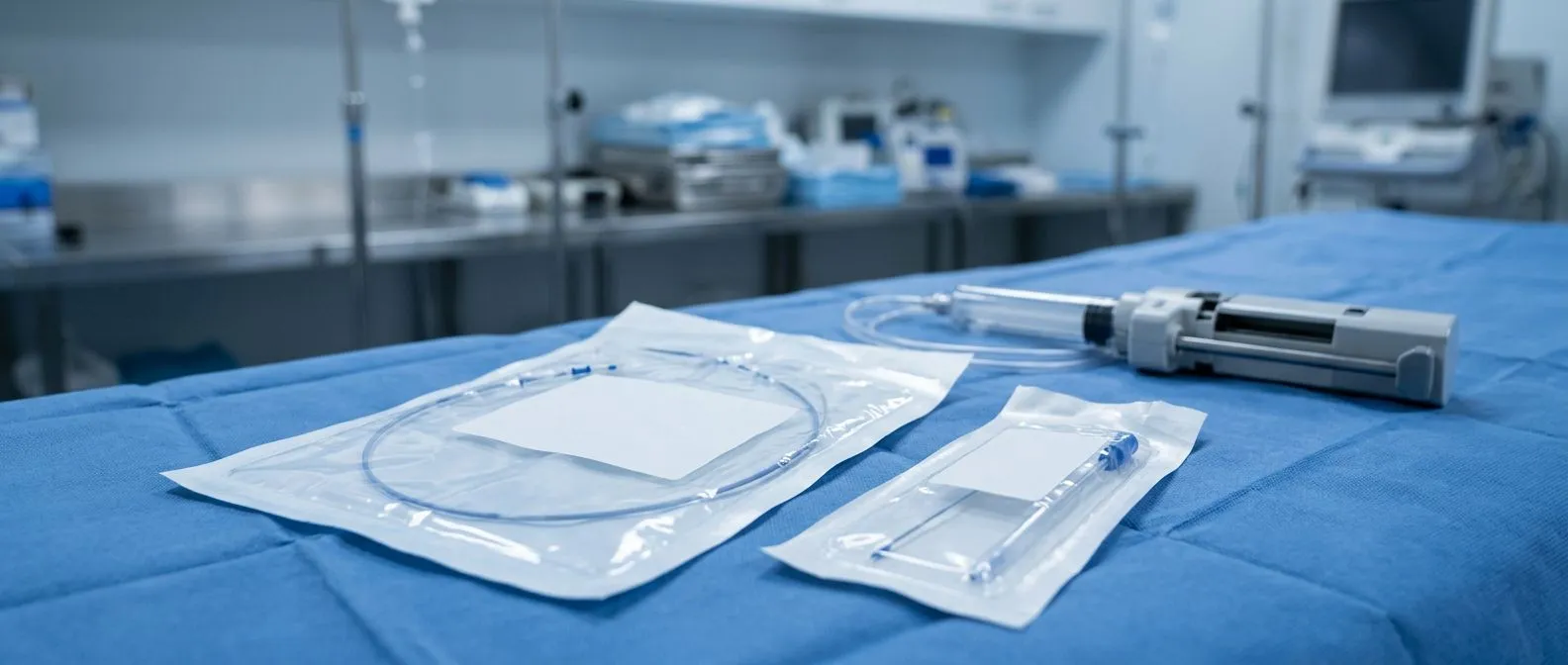
Cardiac catheterisation is a medical procedure in which a thin, flexible tube called a catheter is inserted into a peripheral blood vessel (usually the femoral artery in the groin or the radial artery at the wrist) and advanced to the chambers of the heart or the coronary arteries. This technique lets interventional cardiologists and your doctors obtain detailed images of the heart and blood vessels, and carry out treatment if you need it.
Essentially, it is a test that lets us draw a “map” of the anatomy of the coronary arteries and see whether there is any abnormality or blockage to blood flow. It is a procedure that serves both for diagnosis and, at the same time, for treatment when needed. It also lets us assess the different chambers and pressures inside the heart.
When is cardiac catheterisation indicated?
Cardiac catheterisation is indicated in a variety of situations, such as:
- Assessing coronary disease: it identifies blockages in the coronary arteries (the cause of heart attacks) and how extensive they are.
- Measuring pressures in the heart: it helps assess the function and pressures in the different parts of the heart.
- Diagnosing valve disease: it helps identify possible abnormalities or narrowing of the heart valves, although these conditions also need to be assessed with other tests such as echocardiography, CT or MRI.
- Treating heart disease: in some cases, treatment can be carried out, such as coronary angioplasty with a stent (a small mesh) to open blockages and so prevent a heart attack or treat one in progress.
How long does it take?
The length of cardiac catheterisation can vary, but the procedure usually takes between 30 minutes and 2 hours, depending on its complexity and whether additional treatment is carried out.
What is assessed during the test
During cardiac catheterisation, the specialists can assess:
- Coronary blood flow: whether there are blockages or narrowings in the coronary arteries that could restrict blood flow to the heart.
- Valve function: how well the heart valves are working and whether there is any abnormality that could affect the circulation. In particular, it can measure gradients, or pressure changes, across the valves that may point to certain conditions; as mentioned, it needs to be complemented by other tests.
- Pressures in the heart: measurements are taken to assess function and pressures in the chambers of the heart.
- Treatment: in some cases, narrowed coronary arteries can be opened with angioplasty and a stent to restore blood flow.
What is the difference between right and left heart catheterisation?
Right and left heart catheterisation are two related procedures, but they focus on different parts of the heart and its blood vessels.
Right heart catheterisation
A catheter is inserted through a large vein (usually the femoral vein) and passed to the right atrium and right ventricle of the heart. It is done to assess function and pressures on the right side of the heart and in the blood vessels of the lungs. Common reasons for it include:
- Measuring pressures: it measures pressures in the right chambers of the heart, which can help diagnose conditions such as right heart failure or lung disease.
- Assessing shunts: it can detect congenital or acquired abnormalities, such as abnormal connections between the right and left chambers of the heart.
- Assessing heart function: it helps assess how the right ventricle is working and detect problems such as pulmonary hypertension.
- Taking blood samples: in some cases, blood samples can be taken directly from the right-sided chambers to measure oxygen levels and other values.
Left heart catheterisation
A catheter is inserted through a large artery (usually the femoral or radial artery) and passed to the coronary arteries and the left chambers of the heart. It is done to assess function and circulation on the left side of the heart. Reasons for it include:
- Assessing coronary disease: contrast dye is used to visualise blood flow through the coronary arteries and detect blockages or narrowings.
- Assessing the valves: the left-sided valves, such as the aortic or mitral valve, can be assessed for problems such as stenosis or regurgitation.
- Assessing heart function: pressures can be measured and the function of the left ventricle, the heart's main pumping chamber, assessed.

Possible complications and disadvantages of catheterisation
Although cardiac catheterisation is generally safe, it can have certain complications, including:
- Bleeding or bruising at the catheter insertion site.
- An allergic reaction to the contrast dye used during the test.
- Damage to the blood vessels or the heart.
- The risk of a heart attack during the procedure.
- Kidney failure.
Conditions treated with cardiac catheterisation
Cardiac catheterisation is used to treat various conditions, including:
- Coronary disease: it allows angioplasty and stent placement to open narrowed coronary arteries. This is without doubt the most commonly performed procedure.
- Valve disease: some catheter procedures allow heart valves to be repaired or replaced; examples include TAVI, MitraClip and transcatheter mitral or tricuspid valve replacement.
- Aortic stenosis: aortic balloon valvuloplasty can be performed to improve blood flow, or the valve can be replaced with a procedure known as TAVI.
What happens straight after catheterisation?
Immediately after cardiac catheterisation, the patient is usually taken to a recovery room or post-procedure unit, where they are closely monitored to ensure a safe recovery. These are the most common steps:
- Monitoring: the patient is connected to monitors that continuously record blood pressure, heart rate and blood oxygen levels, so the team can keep track of their condition and spot any complication.
- Care of the insertion site: if the catheter went in through the femoral or radial artery, pressure is applied to the site for a while to prevent bleeding and make sure the vessel seals properly. Sometimes a vascular closure device is used to speed this up.
- Rest and recovery: it is common to lie flat for a while after the procedure to help healing and prevent complications.
- Vital signs: the team watches for any change in vital signs and in the patient's general condition.
- Hydration: good hydration after catheterisation is important; the patient may receive intravenous fluids during recovery.
- Eating: depending on the case and the hospital's policy, the patient may be allowed to eat and drink soon after the procedure, or may need to wait a few hours.
- Information and aftercare: the medical team will give you clear instructions on aftercare and any restrictions or activities to avoid during recovery.
- Pain or discomfort: some pain, discomfort or swelling at the insertion site is normal; the team can prescribe painkillers to control it.
- Observation time: this varies with the complexity of the procedure and each person's response. In most cases the patient can go home the same day or the next day, although more complex situations may need a longer hospital stay.
It is important to stress that, although cardiac catheterisation is a safe procedure in experienced hands, there is always a small risk of complications. Close monitoring and medical follow-up are therefore essential for a smooth, successful recovery.
Other options, alternatives and the benefits of open-heart surgery
Although cardiac catheterisation is a less invasive and safe option for many heart conditions, in some cases — blockages in the coronary arteries or heart valve problems — open-heart surgery or minimally invasive heart surgery may be more beneficial in the long term. The disadvantages of catheterisation include its limited ability to deal with more complex problems or extensive disease involving several coronary arteries. Open-heart surgery, on the other hand, gives a direct view of the heart and a more complete and durable repair in challenging situations, and many operations can be done through minimally invasive surgery. Read more in catheterisation vs heart surgery: what you need to know.
What does the medical literature say? The SYNTAX trial
The SYNTAX trial was a clinical trial comparing the results of coronary bypass surgery with coronary angioplasty and stenting in patients with complex coronary disease. It showed that, in patients with high-risk, complex coronary disease, bypass surgery had significant advantages in terms of a lower risk of long-term adverse cardiac events compared with angioplasty and stenting.
It is important to stress, however, that every case is unique, and the choice between open-heart surgery and cardiac catheterisation must be based on an individual assessment of each patient by a team of specialists known as a Heart Team.

The take-home message
In conclusion, cardiac catheterisation is an invaluable tool for diagnosing and treating a range of heart conditions. Although it has many advantages, it is crucial to understand its limitations and that it may not be suitable for every patient. Open-heart surgery remains a valuable option in certain cases, especially in complex situations.
If you or someone you love is in this situation, it is essential that a specialised medical team assesses the best option for comprehensive, personalised care. It is vital that you and your family are part of the decision-making before going ahead with a treatment plan: the long-term success or failure of the procedures depends to a great extent on sound decision-making and teamwork. If you need more information, do not hesitate to request a video consultation or a consultation in clinic to discuss your case in detail. Remember: you are not alone.