

Left Heart Catheterisation
Learn about left heart catheterisation, how it works, risks, and recovery.
What is Left Heart Catheterisation?
Left heart catheterisation is a minimally invasive cardiac diagnostic procedure used to examine how well your heart is functioning. By threading a thin, flexible tube called a catheter through an artery, doctors can directly access the left side of the heart to measure pressures, take blood samples, and evaluate blood flow. This test provides highly detailed information that non-invasive imaging cannot always capture.
Purpose of the heart catheter test: The primary goal of this procedure is to gather precise data about the heart's pumping ability and the condition of the coronary arteries. If you are experiencing chest pain, shortness of breath, or abnormal stress test results, your cardiologist may recommend this test to determine if there are blockages or structural issues.
Understanding this procedure helps alleviate anxiety. Knowing exactly what the test involves, why it is necessary, and what the results mean empowers you to make informed decisions about your cardiac care.
How Does the Heart Catheterisation Procedure Work?
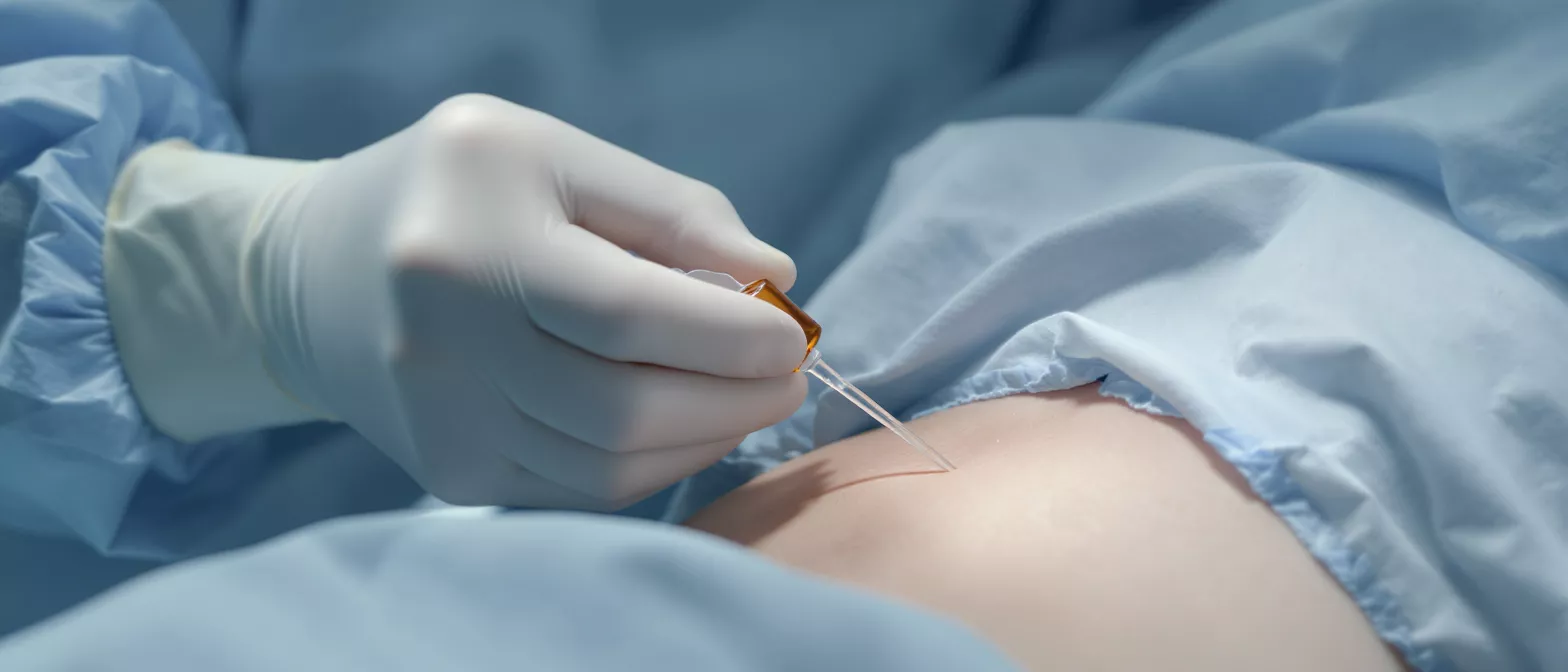
The heart catheterisation procedure relies on vascular access, typically through the radial artery in the wrist or the femoral artery in the groin. Once the skin is numbed with local anaesthesia, the cardiologist makes a tiny needle puncture and carefully threads the catheter up to the heart. Fluoroscopy, a specialised real-time X-ray, guides the doctor safely through the vascular system.
Visualising the coronary arteries: Once the catheter is positioned at the openings of the coronary arteries, a contrast dye is injected. This dye makes the blood vessels visible on the X-ray monitor, revealing any narrowings or blockages. It also outlines the left ventricle, showing how forcefully the heart muscle contracts.
Throughout the procedure, you remain awake but sedated. You might feel a brief warm sensation when the dye is injected, but you should not feel sharp pain. The entire test usually takes between thirty and sixty minutes.
Why is Left Heart Catheterisation Performed?
Doctors recommend a left heart cath to diagnose several specific cardiac conditions. The procedure helps identify coronary artery disease by pinpointing the exact location and severity of plaque buildup. It also checks the function of heart valves, particularly the aortic and mitral valves on the left side of the heart.
Beyond diagnosis, this procedure is essential for planning treatment. If a blockage is found, the cardiologist can often treat it immediately during the same session using a balloon angioplasty and coronary stent placement. Alternatively, the results might indicate the need for open-heart surgery.
Having a clear picture of the heart's internal mechanics ensures that any subsequent treatment is targeted and effective.
How to Prepare for a Left Heart Cath
Left heart catheterisation prep involves a few straightforward steps. Your medical team will ask you to fast for several hours before the test, typically starting at midnight the night before. You may need to adjust certain medications, particularly blood thinners, so it is vital to follow your cardiologist's exact instructions.
Arranging post-procedure support: Because sedation is used, you will not be able to drive yourself home. You must arrange for a family member or friend to accompany you to the clinic and stay with you overnight. Having proper cardiac recovery support supplies on hand at home is also wise.
- Fast as directed: No food or drink to prevent aspiration during sedation.
- Review medications: Bring a full list of your prescriptions to the clinic.
- Plan logistics: Confirm your designated driver is available beforehand.
What to Expect During Left Heart Catheterisation
When you arrive at the cardiac suite, the staff will attach monitoring leads to your chest and place an intravenous line. The skin over the access site is cleaned and numbed. You will lie flat on a special table under a large X-ray camera.
As the catheter is advanced, you might feel mild pressure but no sharp pain. The doctor will ask you to hold your breath for a few seconds while X-ray images are captured. Continuous heart rhythm monitoring equipment ensures your safety throughout.
The environment is highly controlled. Nurses and technicians are present at all times to monitor your vital signs and comfort. If you feel anxious, tell the staff, as they can administer extra sedation as needed.
Left Heart Catheterisation Recovery and Aftercare
Left heart catheterisation recovery is generally quick, especially if the radial approach is used. You will rest in a recovery room for a few hours while the nurses monitor your access site for bleeding. If the groin was used, you must lie flat for a few hours to ensure proper clotting.
Immediate post-op care: Once you return home, avoid heavy lifting and strenuous activity for at least a week. Keep the puncture site clean and dry. Watch for any signs of infection or swelling.
Drink plenty of water to flush the contrast dye out of your system. Mild bruising at the insertion site is normal, but severe pain or sudden swelling warrants an immediate call to your doctor.
Left Heart Catheterisation Risks and Complications
While generally safe, it is important to understand left heart catheterisation risks. Complications are rare, but they can occur. Potential risks include bleeding at the insertion site, allergic reactions to the contrast dye, and irregular heart rhythms.
More serious but uncommon left heart catheterisation complications include damage to the blood vessels, heart attack, or stroke. The medical team takes extensive precautions, including sterile techniques and continuous monitoring, to prevent these events.
Your overall health plays a role in your risk profile. Be sure to discuss your full medical history, including any kidney issues or dye allergies, with your cardiologist prior to the test.
Coronary Angiography vs Left Heart Catheterisation
Patients often confuse these terms. Coronary catheterisation is essentially the specific part of the left heart catheterisation procedure that focuses strictly on the coronary arteries. Left heart catheterisation is the broader term that encompasses the entire diagnostic session.
Scope of the diagnostic test: The complete procedure evaluates the coronary arteries, measures pressures inside the left ventricle, and assesses valve function. Coronary angiography is just one component, albeit the most common one, of that overall evaluation.
Understanding this distinction helps clarify your medical records. When your doctor schedules a left heart cath, they are planning a comprehensive evaluation of your heart's left-sided structures and blood supply.
Are Heart Catheter Tests Safe?
Yes, heart catheter tests are considered very safe and are performed thousands of times daily worldwide. The technology and techniques have evolved significantly over the past few decades. The use of radial access has reduced bleeding complications dramatically.
Safety depends heavily on the expertise of the medical team performing the test.
Ultimately, the benefit of identifying a critical blockage before it causes a heart attack far outweighs the small risk of the procedure.
Cardiac Diagnostic Procedure Takeaways
This cardiac diagnostic procedure remains a cornerstone of modern cardiology. It provides unparalleled insight into the heart's anatomy and function. If your doctor recommends left heart catheterisation, view it as a proactive step toward protecting your long-term heart health.
By diagnosing blockages early, you can prevent severe cardiac events. The procedure is quick, recovery is usually straightforward, and the data gathered is essential for planning your next steps, whether that involves medication, stents, or surgery.
Always communicate openly with your healthcare team. Understanding the procedure, preparing properly, and following recovery guidelines will ensure the best possible outcome for your cardiac care.






