Heart Catheterisation: How It Is Done and Recovery
Heart catheterisation recovery explained: procedure steps, healing timeline, and home care tips from Guadalajara heart specialists.
If your cardiologist has scheduled a heart catheterisation, you probably have two questions on your mind: what actually happens during the test, and how long heart catheter recovery takes. This guide walks you through both, in plain language, from the moment you arrive at the hospital to the day you are back to your normal routine. Understanding heart catheterisation recovery before the procedure removes much of the anxiety that surrounds it, because most patients are surprised by how quickly they are on their feet again.
What Is Heart Catheterisation?
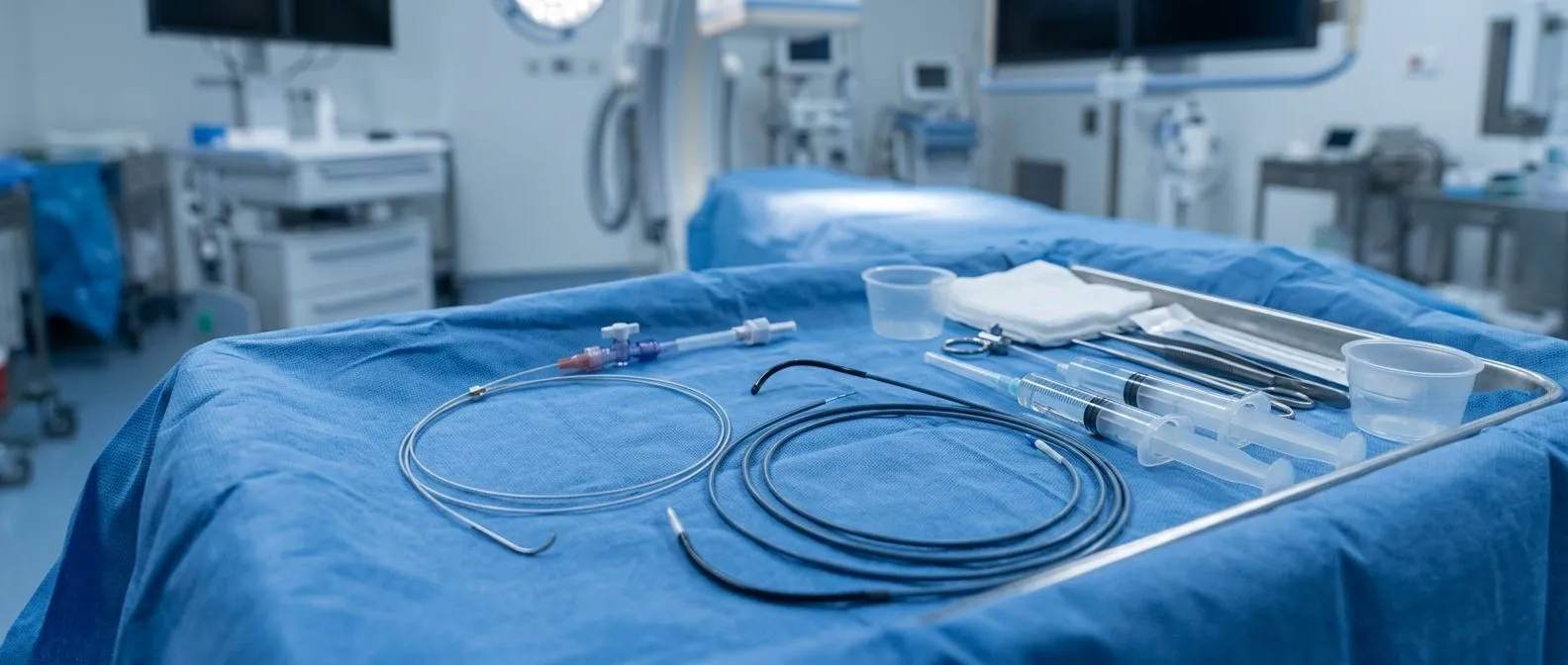
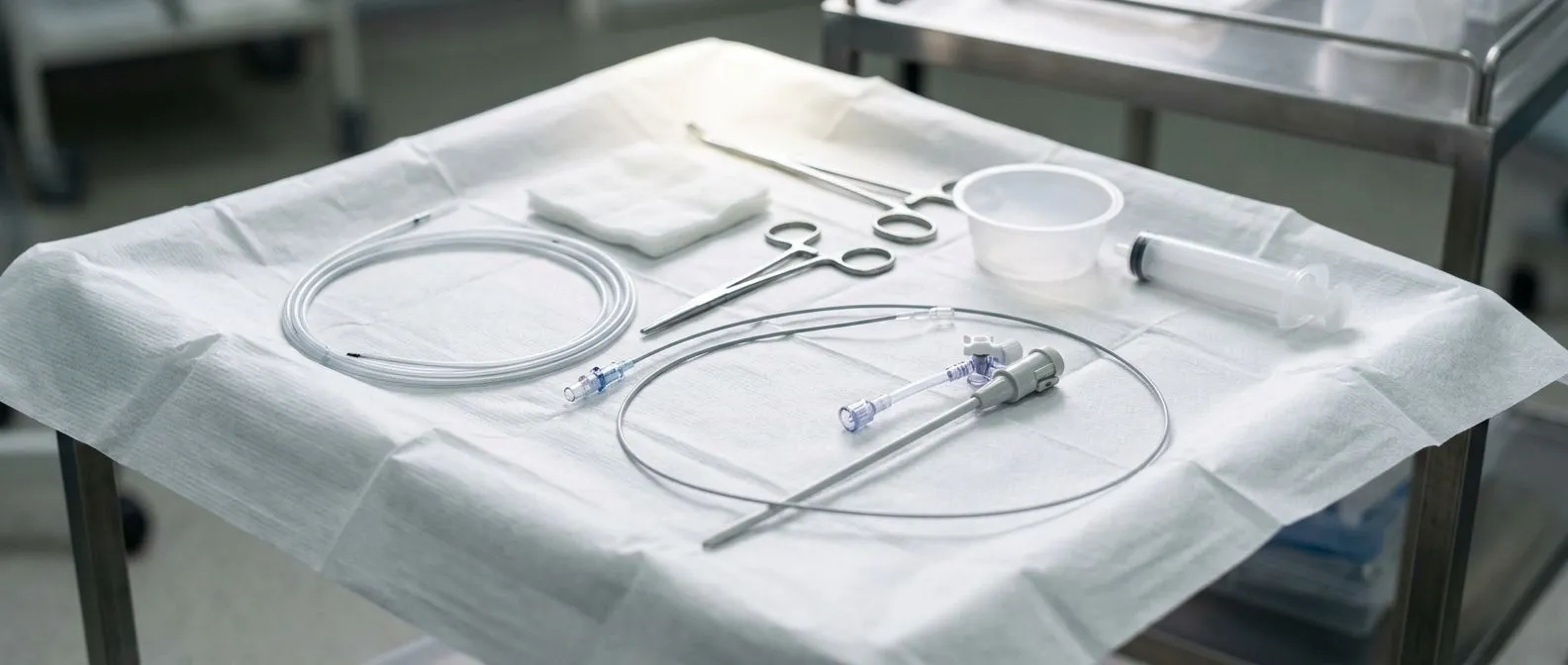
Heart catheterisation is a procedure in which a thin, flexible tube called a catheter is guided into the blood vessels that supply the heart. The catheter is usually inserted at the wrist or the groin, then moved gently through the arteries until it reaches the heart itself. Once in place, it can measure pressures inside the heart chambers, take pictures of the arteries with a contrast dye, and in some cases treat a narrowed artery on the spot.
Why it matters for diagnosis: No other test gives a cardiologist as direct a picture of what is happening inside your heart. An electrocardiogram, a stress test, or an ultrasound can suggest a problem, but catheterisation shows the exact location and severity of a blockage. It is the reference standard for diagnosing coronary artery disease, the condition where cholesterol plaque narrows the arteries that feed the heart muscle.
Diagnostic versus therapeutic: Some catheterisations are purely diagnostic, meaning the team looks and measures without intervening. Others are therapeutic, meaning the catheter is used to open a blocked artery with a balloon and a stent, a small metal scaffold. Your cardiologist will tell you beforehand which type is planned, though in real practice the diagnostic study sometimes leads to a treatment in the same session if a significant blockage is found. Every case we see is reviewed by our team against international practice guidelines before a recommendation is given.
Why Your Cardiologist Recommends Catheterisation Tests
Doctors do not order catheterisation tests without reason. The decision usually follows a chain: you report symptoms, other tests raise suspicion, and catheterisation provides the definitive answer. Common triggers include chest pain during exertion, an abnormal result on a Treadmill Test, a positive Stress Test on imaging, or a heart attack that needs urgent treatment.
Symptoms that prompt the test: Chest pressure, breathlessness on climbing stairs, jaw or arm discomfort during activity, and unexplained fatigue can all point toward restricted blood flow to the heart muscle. In women and older adults, symptoms are often subtler than the classic crushing chest pain, which is why additional testing matters.
When non-invasive tests are enough: Not every concerning symptom needs a catheter. A cardiologist will usually start with an electrocardiogram, an echocardiogram, and possibly a stress test or a CT scan of the heart arteries. Catheterisation is reserved for when those tests show a problem that needs clarification, or when the risk of a missed blockage is high. In our first consultation we take the time to explain in plain words which studies are actually needed, so no unnecessary ones are ordered.
Planning treatment: When a blockage is confirmed, catheterisation also helps decide between medication, a stent, or bypass surgery. The anatomy of the blockages, how many there are, and where they sit all influence which option offers the lowest risk for your situation. For a comparison of the two, see our guide to catheterisation versus heart surgery.
Types of Heart Catheterisation Procedures
The term covers several different procedures, and knowing which one you are having helps you understand the heart catheter procedure recovery ahead.
- Left Heart Catheterisation: The catheter is passed into the left side of the heart and the coronary arteries to look for blockages and measure pumping function. This is the most common type and the one used for diagnosing coronary artery disease.
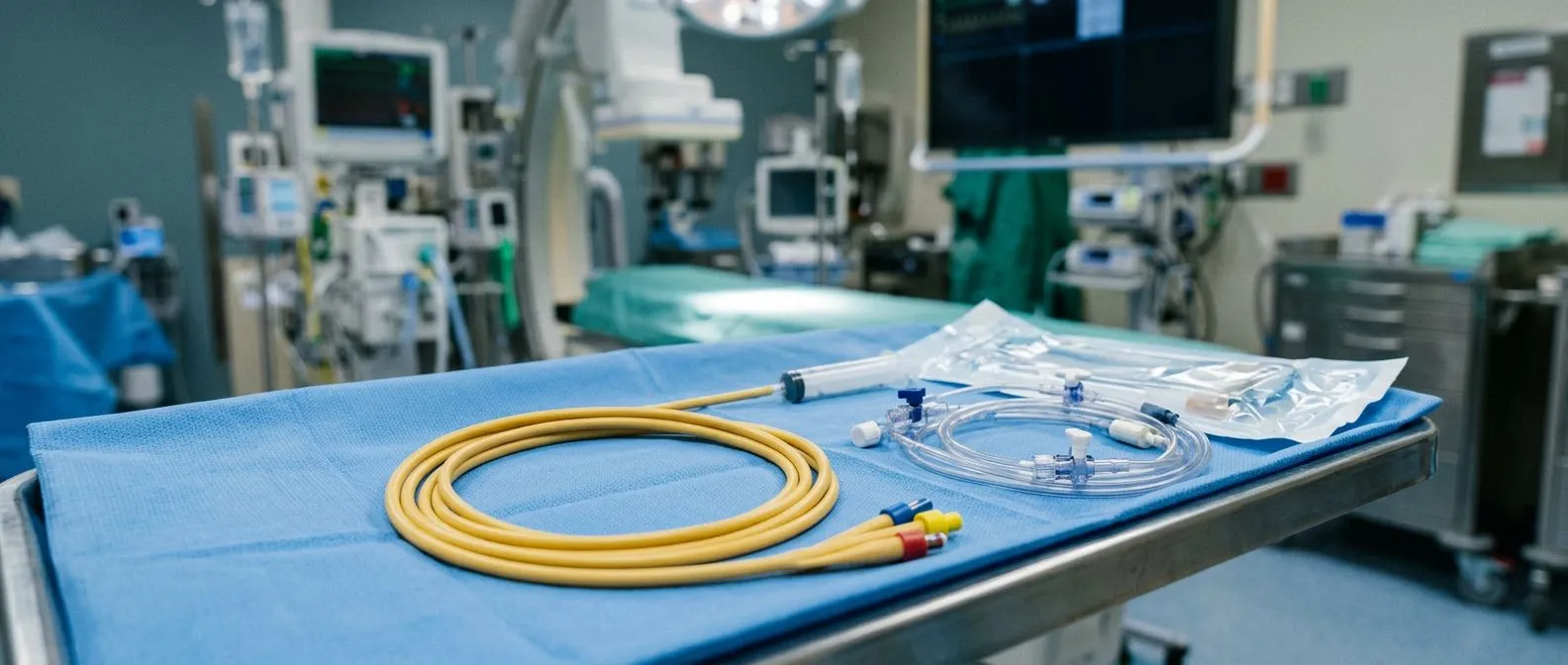
- Right Heart Catheterisation: The catheter goes into the right side of the heart and the pulmonary arteries to measure pressures in the lungs. It is used to diagnose pulmonary hypertension and heart failure problems.
- Angioplasty and stenting: A balloon opens a narrowed artery and a stent keeps it open, usually done during the same catheterisation session.
- Structural heart procedures: Newer catheter-based treatments, such as TAVR, replace the aortic valve through the same type of access without open surgery.
Comparing the approaches: A Left Heart Catheterisation and a Right Heart Catheterisation serve completely different purposes, though both use the same basic technique of inserting a catheter through a blood vessel. The recovery differences are mostly about the access site and whether the procedure was diagnostic or interventional. Cardiac catheterisation: advantages and disadvantages are best discussed with your own cardiologist, because what is an advantage in one situation can be a drawback in another. For a fuller overview, see our guide to the advantages and disadvantages of cardiac catheterisation.
How the Heart Catheter Procedure Is Done Step by Step
Knowing the sequence of events makes the day far less intimidating. The whole procedure typically takes between thirty minutes and two hours, depending on complexity, and most patients remain awake throughout.
Before the procedure: You will fast for several hours, and blood tests are usually done to check kidney function, because the contrast dye is filtered by the kidneys. Some Pulmonary Function Tests or other studies may be ordered if your case requires them. Tell your team about every medication you take, especially blood thinners, and about any allergies to iodine or contrast dye.
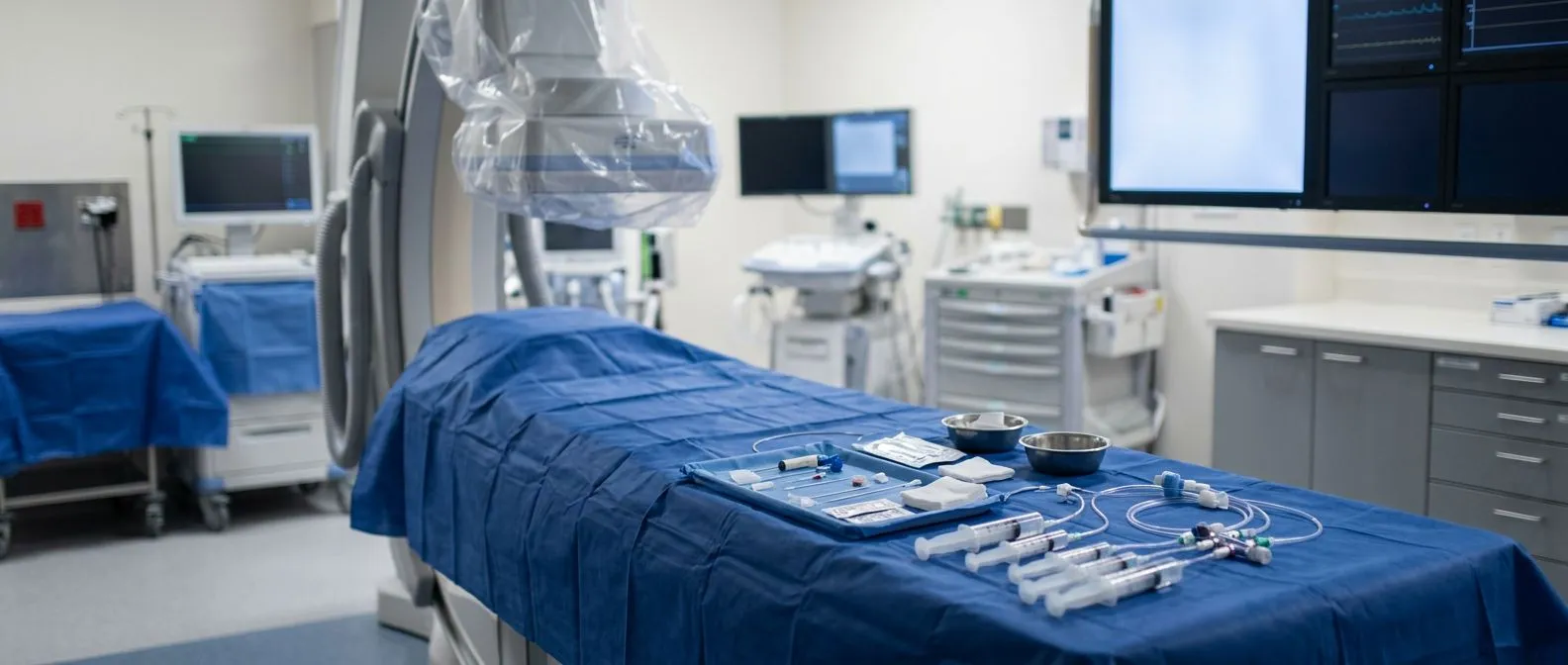
During the procedure: You lie on a table in the Catheterisation Laboratory, a specialised room with X-ray imaging that the team calls the cath lab. A local anaesthetic numbs the wrist or groin, and the catheter is introduced through a small puncture. You may feel mild pressure but not pain, and you may be asked to take deep breaths at certain moments. Our team explains each step as it happens and we never begin a procedure until the patient has had every question answered.
After the catheter comes out: The catheter is removed, and pressure is applied to the insertion site for ten to fifteen minutes to stop bleeding. A wrist closure device or a small plug in the groin may be used. You are then moved to the Recovery Room for monitored observation, which is where the cardiac catheterisation recovery period begins.
Heart Catheterisation Recovery: The First 24 Hours
The first hours after the procedure are the most important part of heart catheterisation recovery, because the insertion site needs to seal properly.
Bed rest and positioning: If the catheter was inserted at the wrist, you can usually sit up and walk within a couple of hours, with the wrist kept straight and monitored. If the groin was used, you will lie flat with the leg straight for several hours, often two to six, depending on the size of the catheter and the closure method used. This heart catheterisation bed rest is not about the procedure itself but about preventing bleeding at the puncture.
Monitoring: Nurses check your pulse, blood pressure, and the insertion site frequently during this window. They are looking for bleeding, a expanding lump under the skin called a haematoma, and changes in the pulse below the puncture. Staying still and following instructions during these hours dramatically lowers the risk of complications.
Going home the same day: Most diagnostic catheterisations allow discharge the same evening. Interventional procedures with stents often require an overnight stay for observation. Patients who understand the discharge instructions before they leave tend to recover with fewer worries, so ask for anything you are unsure about to be explained before you go home. Medical News Today notes that many people leave the hospital within hours of a routine catheterisation, which reflects common clinical practice.
Heart Catheter Recovery Time at Home
One of the most frequent questions patients ask is how long heart catheter recovery actually lasts at home. The honest answer depends on which procedure was done.
After a diagnostic catheterisation: Most people feel back to normal within two to three days. The puncture site may be tender for a few days, and mild bruising is common. You can typically resume light activities the next day and most routine activities within a week.
After angioplasty with a stent: The physical recovery from the puncture is similar, but your cardiologist will add medication, usually antiplatelet drugs, and adjust the timeline for returning to work. The stent itself does not cause ongoing pain; the artery heals around it over the following weeks.
After more complex procedures: Structural interventions such as TAVR use the same catheter access, but because a valve is replaced, the cardiac catheterisation recovery period is longer and closer to a few weeks. Your team will give you a specific timeline for your own case rather than a general rule.
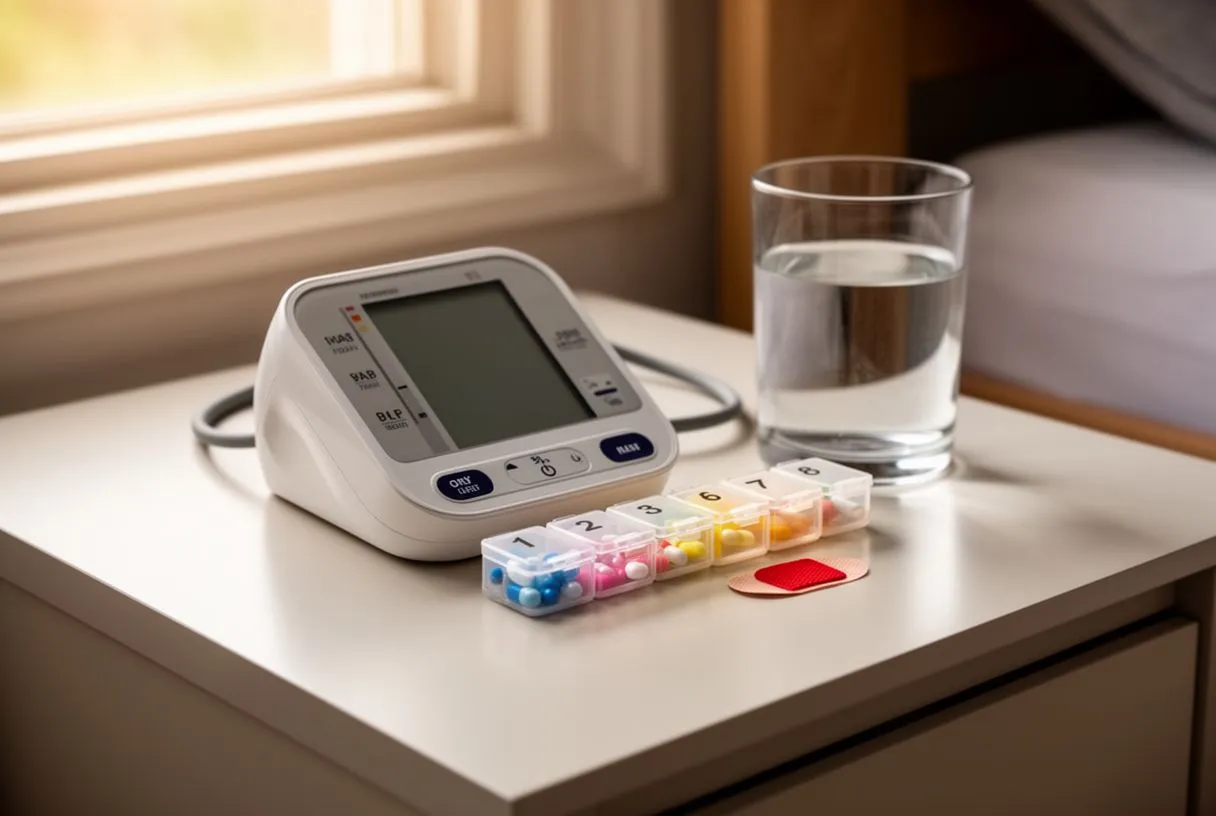
What speeds things up: Recovery after heart catheterisation responds well to simple habits. A useful checklist for the first week:
- Hydration: Drink plenty of water in the first 24 to 48 hours to help your kidneys clear the contrast dye.
- Gentle movement: Short, easy walks improve circulation and mood without stressing the puncture site.
- Site care: Keep the insertion site clean and dry, and follow the specific heart catheterisation wound care instructions given at discharge.
- Sleep position: Sleep with the puncture site arm or leg in a comfortable, supported position for the first few nights.
- No smoking: Smoking delays healing of the puncture and worsens the underlying artery disease.
Heart Catheterisation Wound Care and Bruising
The insertion site is the focus of home recovery, and knowing what is normal versus what is not prevents unnecessary worry.
Normal findings: A small bruise, about the size of a coin, is expected and can take up to two weeks to fade. Heart catheter bruising recovery is gradual, with the colour changing from purple to green to yellow as it heals. A tiny hard lump under the skin may also persist for a few weeks; this is usually part of normal healing, not a complication.
Wound care basics: Keep the small dressing over the puncture for the first 24 hours or as directed, then leave the site open to air if your team says so. Showering is usually fine the next day, but soaking in a bath or pool should wait until the skin is fully healed, typically about a week. Do not apply creams or ointments to the puncture unless instructed.
Signs the site needs attention: Contact your doctor if you notice fresh bleeding, a rapidly growing lump, increasing pain rather than decreasing pain, redness spreading outward, or warmth and discharge from the site, which can indicate infection. These are uncommon, but early reporting makes treatment simple.
Heart Catheterisation Activity Restrictions and Return to Work
Most patients want to know one thing: when can I get back to my life? The answer follows a simple pattern.
The first few days: Avoid lifting anything heavier than about 5 kilograms with the arm on the puncture side, and avoid strenuous pushing, pulling, or climbing that strains the site. Walking is encouraged; straining is not. This heart catheterisation activity restriction is temporary and short.
Returning to work: For a desk job, most patients return within two to four days after a diagnostic catheterisation. For physically demanding work involving heavy lifting, one to two weeks is more typical, and your cardiologist will give you a specific date. When the procedure included a stent or a structural intervention, the return-to-work timeline is longer and individualised.
Exercise and driving: Driving is usually safe within 24 to 48 hours after a diagnostic procedure, once you are no longer taking strong pain medication. Formal exercise, such as gym sessions or running, generally waits about a week and returns gradually. Your cardiac catheter discharge instructions will spell out the details for your specific case, and your heart catheter follow-up care visit is the right moment to confirm you are cleared for full activity.

Heart Catheterisation Risks and Symptoms to Watch
Heart catheterisation is a routine and safe procedure, but honest patient education means discussing heart catheterisation risks and recovery without either alarmism or false reassurance.
Common, minor effects: Bruising, tenderness at the puncture, and mild fatigue for a day or two are expected and self-resolving. The contrast dye can cause a temporary warm flushing feeling during injection and, rarely, a temporary dip in kidney function, which is why hydration matters.
Uncommon but serious risks: These include bleeding at the access site requiring further treatment, damage to the artery, irregular heart rhythms during the procedure, allergic reaction to contrast, kidney injury, and in a small minority of patients, heart attack or stroke. The overall complication rate for diagnostic catheterisation is low, and your team calculates your individual risk beforehand rather than quoting a generic figure.
Symptoms after discharge that need urgent attention: The following warning signs should never be ignored:
- Chest pain: New or worsening chest pressure at rest, especially pain unlike anything you have felt before.
- Bleeding or swelling: Active bleeding at the puncture or a swelling that grows quickly.
- Coldness or numbness: A hand or foot below the access site that becomes cold, pale, or numb.
- Breathlessness: Sudden shortness of breath or fainting.
Research in progress: The field keeps improving safety even further. Recent studies such as work published in BMJ Open Quality on preventing hypothermia in very small infants undergoing catheterisation show how teams are refining even the smallest details of care around these procedures. Radiation safety is another active focus, with journals like Interventional Cardiology Review examining how the use of protective lead caps can better protect staff who work in the cath lab every day.
Heart Catheter Follow-Up Care and Next Steps
The catheterisation is not the end of the story; it is the beginning of a treatment plan tailored to what was found.
The follow-up appointment: A review visit is typically scheduled one to four weeks after the procedure. At this heart catheter follow-up care visit, your cardiologist checks the puncture site, reviews the results in detail, and finalises the treatment plan, whether that is medication alone, further intervention, or a referral to a surgeon.
Long-term medication and lifestyle: If coronary disease was confirmed, you will likely be prescribed medication to protect the arteries, and lifestyle changes around diet, exercise, blood pressure, and cholesterol become part of the plan. These changes are not optional extras; they are what keeps the treated arteries healthy.
When surgery becomes the discussion: When catheterisation shows blockages that are better treated with bypass surgery rather than stents, or when a valve problem needs correction, the conversation moves from the cath lab to a cardiac surgical team. Our team, led by Dr Alejandro Molina, reviews every case as a multidisciplinary group before recommending a treatment, and we always present you with the alternatives so the final decision remains yours. We offer the less invasive option only where the evidence supports it for that particular patient.
Getting a second opinion: Seeking a second opinion is a normal and sensible part of deciding about heart treatment, not a betrayal of your doctor. If you have had a catheterisation and are weighing options, a consultation with a qualified cardiac team, including a discussion of whether a free video consultation could help you understand your results first, is always worthwhile. If you are in Guadalajara, Querétaro, Hermosillo, or the surrounding regions, our consulting rooms welcome patients from across Mexico and abroad, and we would be glad to review your heart catheterisation recovery and results with you. Book a consultation rather than trying to interpret your own results, because the right answer depends on your individual anatomy and circumstances.
Summary: Heart catheterisation is a well-established procedure that gives doctors a direct view of your heart's arteries and chambers. The heart catheterisation recovery timeline is short for diagnostic tests, a little longer for stents, and individualised for structural procedures. Follow the wound care instructions, watch for the warning signs, keep your follow-up appointment, and remember that a second opinion is always a reasonable step before any major decision about your heart.