Left Heart Catheterisation: Preparation and Risks
Left heart catheterisation preparation guide: fasting rules, medications to stop, recovery time, risks, and cost in Mexico.
If your cardiologist has recommended a left heart catheterisation, you probably have a long list of questions: what exactly happens, how you should get ready, and whether the procedure is safe. A left heart catheterisation is one of the most common and informative heart tests performed today, and understanding the left heart catheterisation preparation steps before the day arrives removes much of the anxiety. This guide walks you through why the test is done, how to prepare, what you will feel, how long recovery takes, and what risks you should honestly weigh — in plain language, without jargon.
What Is Left Heart Catheterisation?
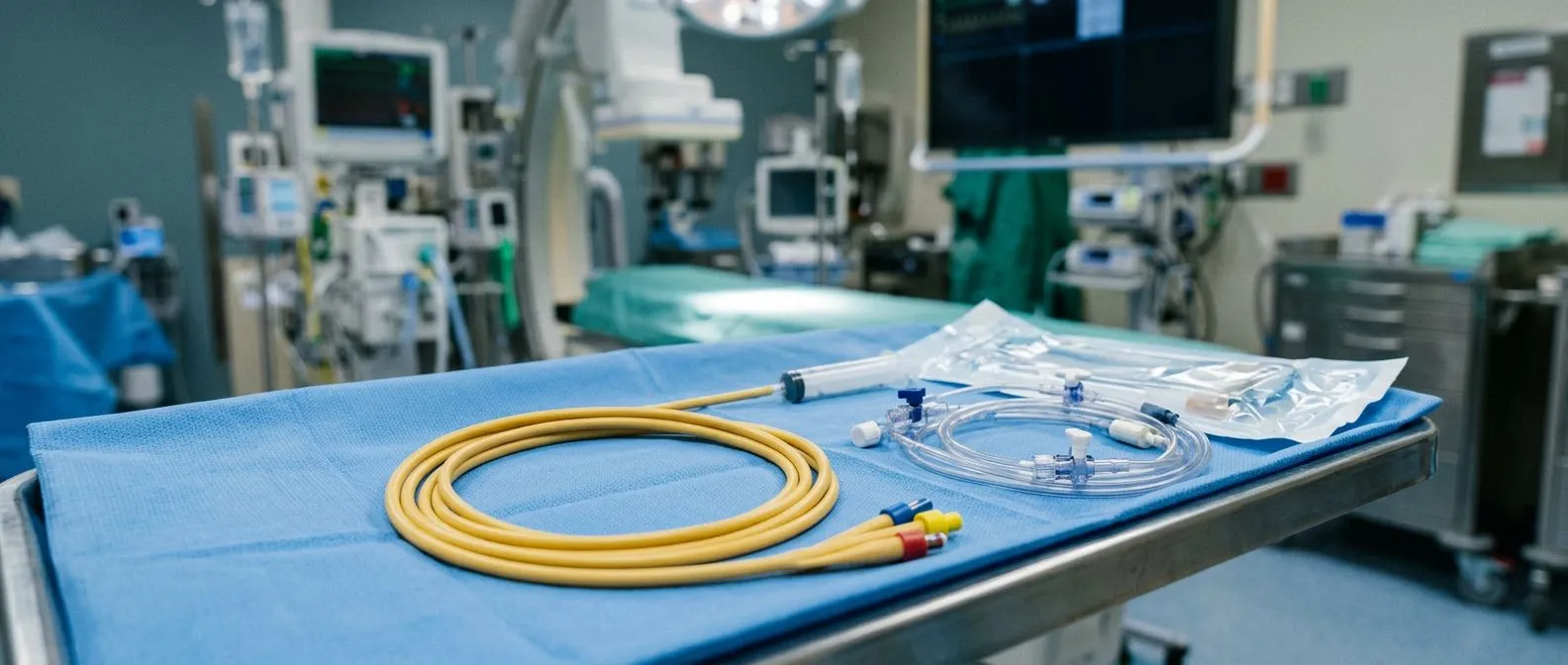
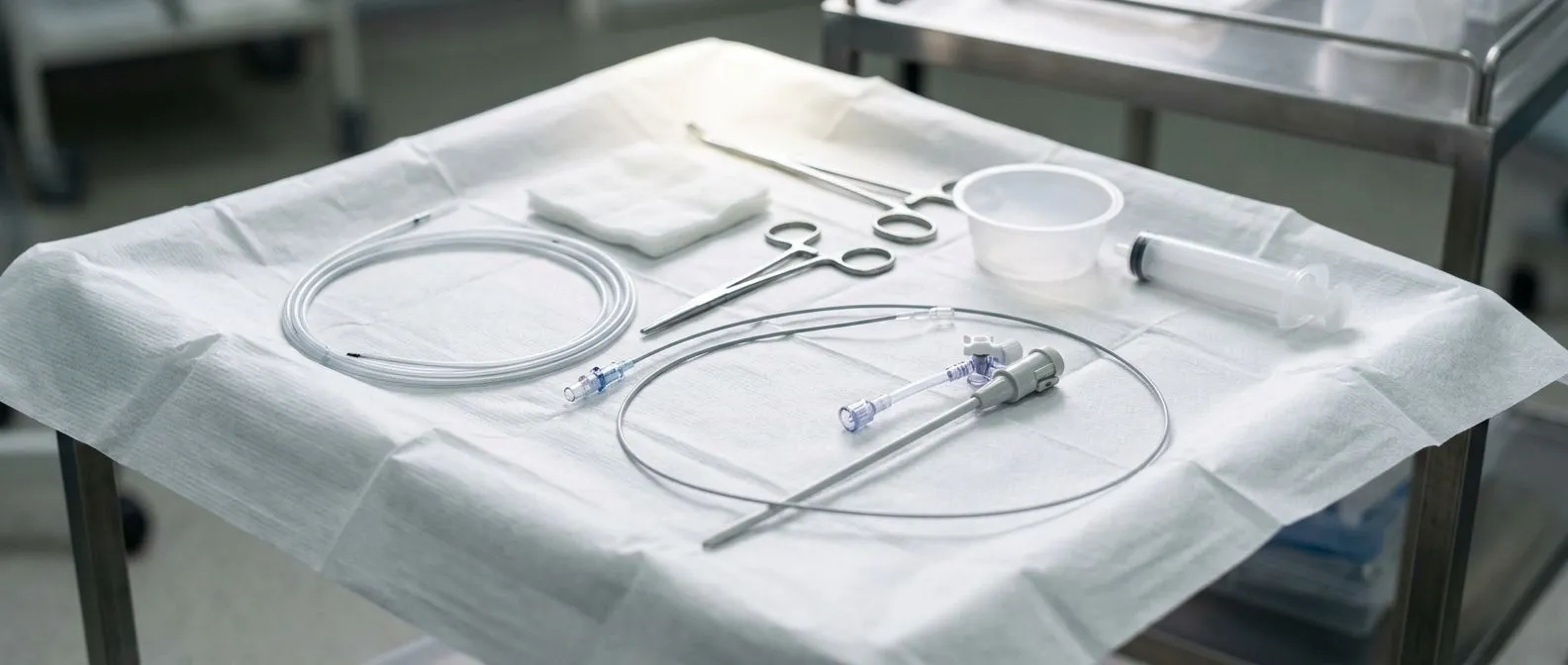
What the test actually measures. During a left heart catheterisation, a cardiologist threads a thin, flexible tube called a catheter through a blood vessel — usually in the wrist or groin — and guides it up to the Left Ventricle, the heart's main pumping chamber, and the Left Atrium above it. Once the catheter is in place, the team measures pressures inside these chambers and, when needed, injects contrast dye to film the coronary arteries in a study called a coronary angiogram. This shows whether any artery is narrowed or blocked.
Left-sided versus right-sided studies. The name matters: a Left Heart Catheterisation examines the left side of the heart and the arteries that feed it, while a Right Heart Catheterisation measures pressures in the right side and the lungs. They answer different questions, and sometimes both are done in the same sitting.
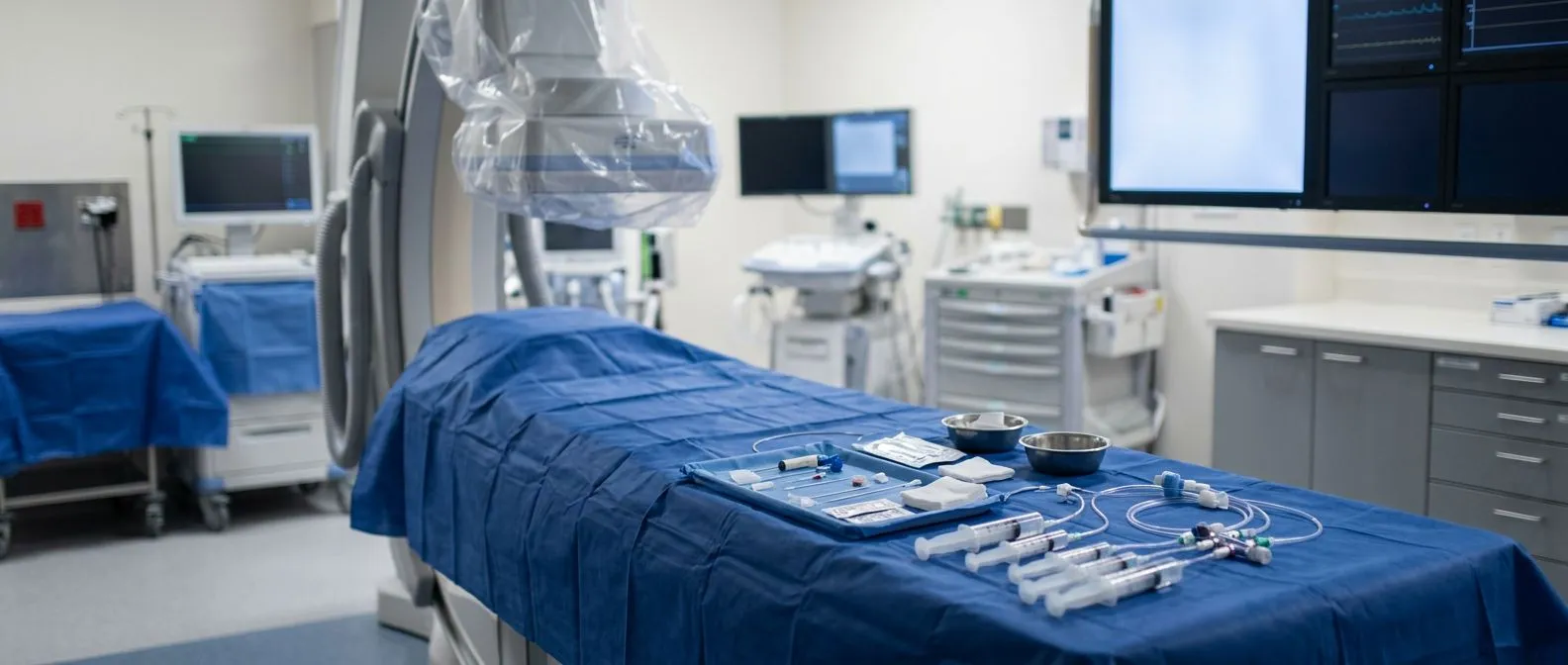
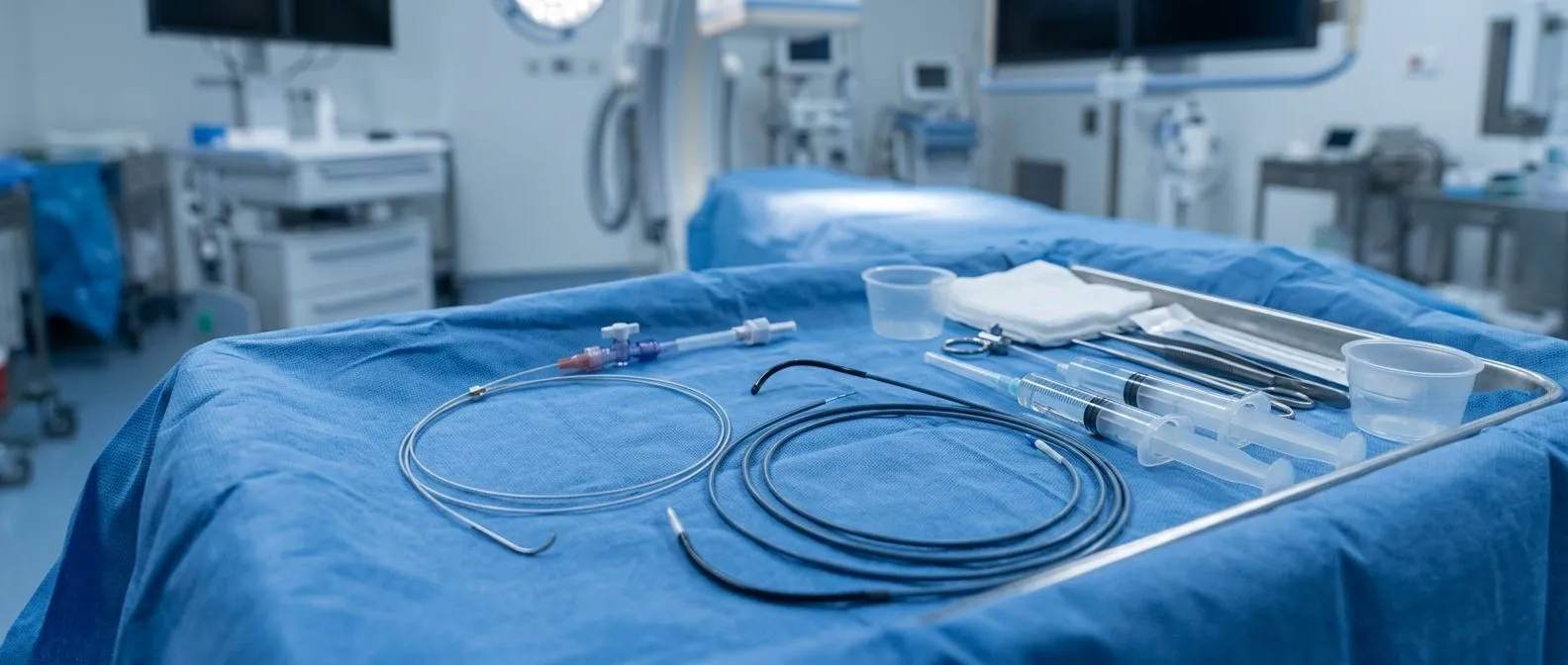
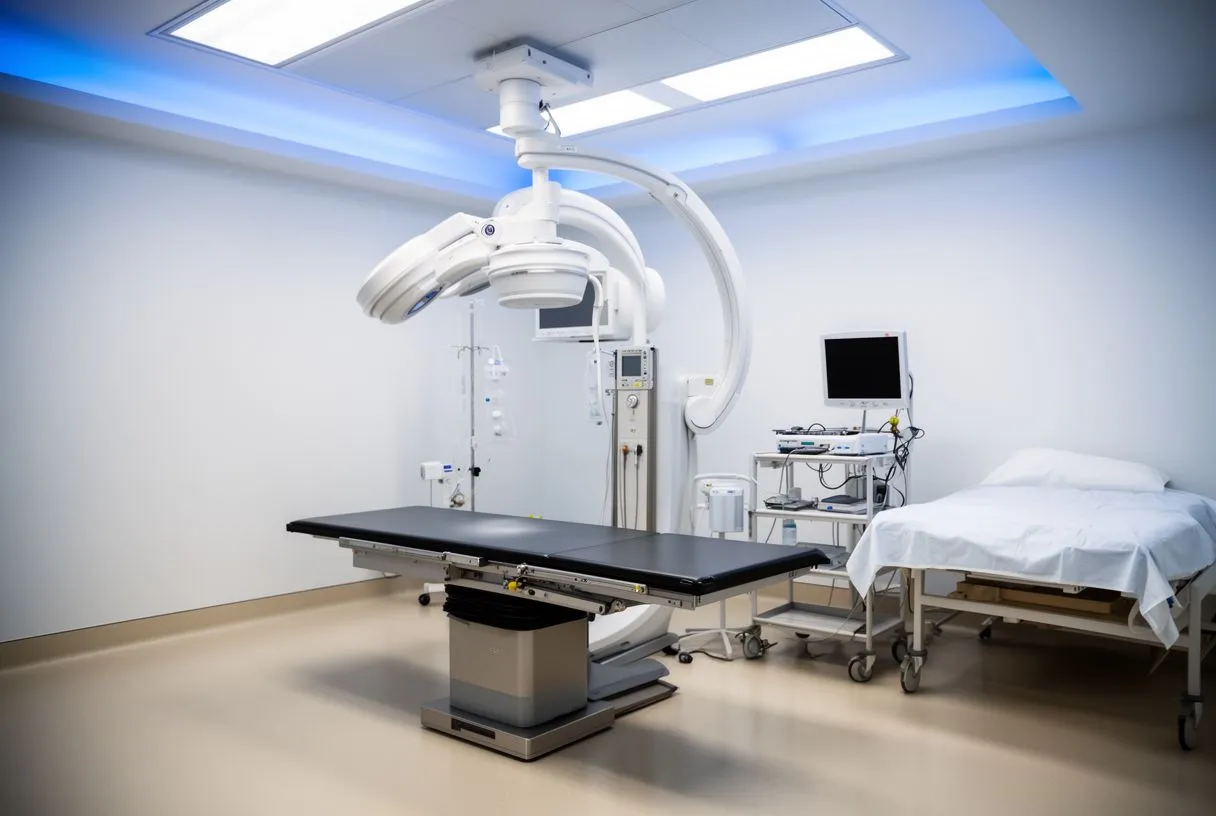
Where it happens. The procedure takes place in a Catheterisation Laboratory — a specialised room that looks like a small operating theatre, with an X-ray camera, monitoring screens, and a sterile team. At our practice, every proposed catheterisation is reviewed by the multidisciplinary team against international practice guidelines before the recommendation is given, and the patient receives a clear proposal with the alternatives; the final decision is always theirs.
Why Do Doctors Recommend a Left Heart Cath?
Finding the cause of symptoms. Chest pain, breathlessness, abnormal stress tests, or unexplained heart failure are the usual reasons a cardiologist orders this test. Scans and ECGs can suggest a problem, but catheterisation shows the anatomy directly — which artery is narrowed, how severely, and whether the heart valves are leaking or stiff.
Planning treatment before surgery. The results often decide what happens next. A blocked artery may be opened with a stent during the same procedure, or the findings may point toward bypass surgery or a valve intervention such as TAVR (transcatheter aortic valve replacement). When we plan a surgical repair, we often map the coronary arteries first so the operation can be designed around what the catheterisation shows.
Risk assessment for major procedures. Before a patient undergoes major heart surgery, the team may use the catheterisation to complete a formal Risk Stratification — a structured way of estimating how much strain the procedure will place on the heart. Patients whose surgical risk is judged Prohibitive Risk — meaning surgery would be too dangerous — are often redirected toward transcatheter options instead.
How to Prepare for Left Heart Catheterisation
Your preparation checklist. Good left heart catheterisation preparation is mostly about organisation rather than anything difficult. Most hospitals will ask you to:
- Bring a complete list of every medication and supplement you take, with doses.
- Bring recent lab results, especially kidney function tests, if you have them.
- Wear loose, comfortable clothing and leave jewellery at home.
- Arrange for someone to drive you home — you will not be allowed to drive yourself.
- Bring your identification and insurance or payment information.
Tell the team your full history. Mention any bleeding problems, previous reactions to contrast dye, allergies (especially to iodine or latex), kidney disease, and whether you might be pregnant. These details change how the team prepares, which drugs are safe, and which access site is chosen.
At the first contact, which is a free video consultation, our team gets to know the patient, talks through the condition, and says which studies are still needed so no unnecessary ones are ordered. A face-to-face visit at the consulting rooms follows when the patient decides to go ahead.
Left Heart Catheterisation Fasting Requirements
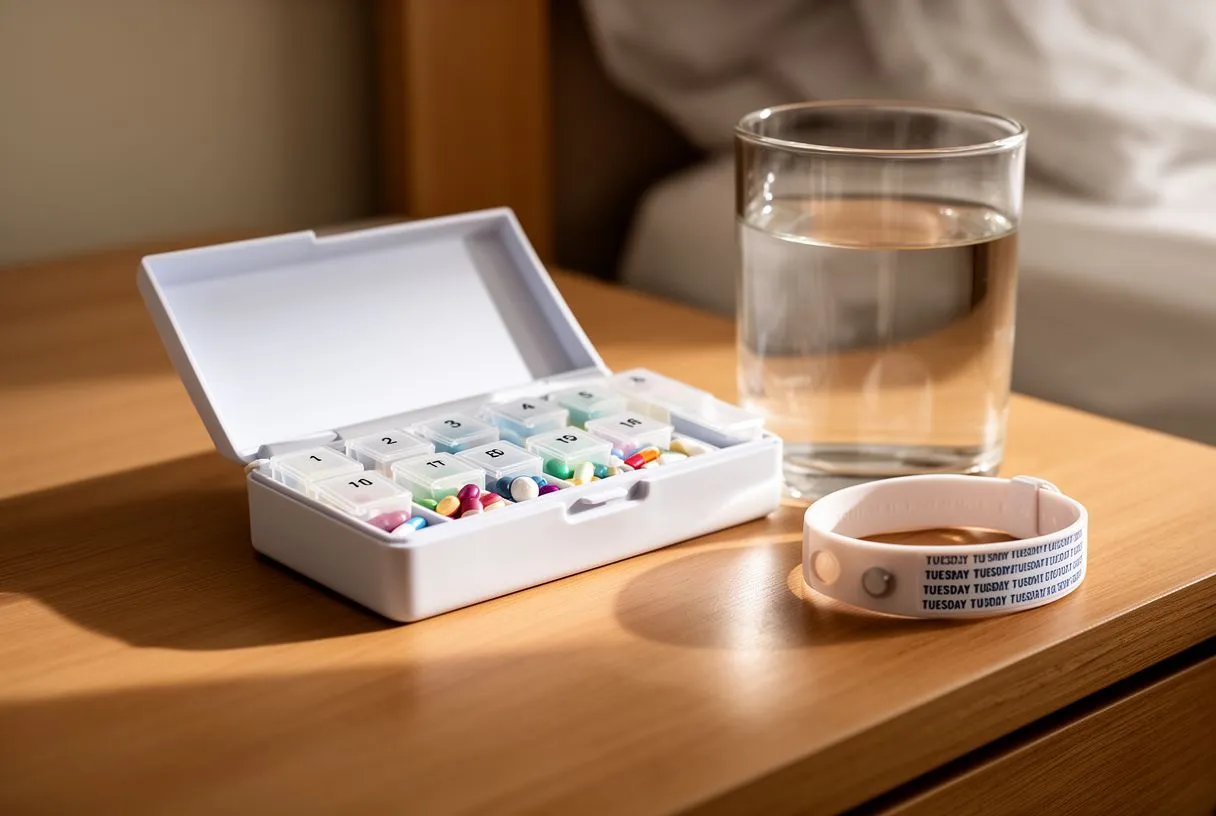
Why you cannot eat beforehand. Left heart catheterisation fasting requirements exist for one practical reason: sedation. If your stomach is full and you feel nauseated during or after the procedure, vomiting while sedated is dangerous. Most centres ask you to stop eating solid food for 6 to 8 hours before the procedure.
Water is usually different. Modern guidelines generally allow — and often encourage — clear fluids up to about two hours before the procedure, because dehydration makes vein access harder and can affect kidney function after the contrast dye. Always follow the exact instructions from your own centre, as timing varies.
A light meal the night before. A simple, low-fat dinner the evening before is a sensible approach. Heavy, fatty meals slow digestion and can interfere with the fasting window, so it is worth keeping that last meal small and early.
Heart Cath Prep: Medications to Stop
Blood thinners deserve a conversation. Part of careful heart cath prep involves reviewing your medications with your doctor several days ahead. Drugs that affect bleeding — such as warfarin, rivaroxaban, apixaban, or clopidogrel — may need to be paused or adjusted, but never stop them on your own. The decision depends on why you take them and your individual Thrombotic Risk, meaning your personal chance of forming a clot if the medication is withdrawn.
Diabetes medications and contrast dye. Metformin is commonly held for 48 hours after the procedure, because the combination of metformin and contrast dye can, in patients with reduced kidney function, strain the kidneys. Insulin doses are often adjusted for the fasting period. Bring your glucose meter and confirm the plan with your care team.
What you usually keep taking. Most blood pressure medications, statins, and thyroid medicines are taken as usual with a small sip of water. Before a catheterisation, each medication should be checked against the planned access site and sedation plan, so nothing important is overlooked.
What to Expect During Left Heart Catheterisation
Are you awake during a left heart catheterisation? Yes, in most cases you are awake but relaxed. You receive a mild sedative through a drip, which makes you drowsy and calm without putting you to sleep. You may feel pressure when the local anaesthetic is injected and a brief warm flush when the contrast dye enters — many patients describe it as a hot wave through the chest.
How long it takes. A purely diagnostic left heart catheterisation usually takes 30 to 60 minutes. If a blockage is found and treated with a stent in the same session, the procedure can extend to an hour or more. You will be monitored in a recovery area afterwards, typically for a few hours if the wrist was used, or longer if the groin was used.
The access site. The radial artery in the wrist is now the preferred route in many centres because bleeding is easier to control and recovery is faster. The femoral artery in the groin is still used, particularly for complex studies. In the consultation we take the time to explain what the studies actually show, in plain words, and to answer every question before any decision.
How Painful Is a Heart Catheterisation?
The honest answer: mostly discomfort, not pain. How painful is a heart catheterisation, really? The needle used to numb the access site stings for a few seconds — that is typically the worst of it. After that, the catheter moves inside blood vessels, which have no nerves that register the movement, so most patients feel nothing as the tube travels. A 2024 review in Nature of vascular access techniques notes that wrist-based access has substantially improved patient comfort compared with older groin-based approaches.
Sensations worth knowing in advance. You may feel a firm pressing at the wrist or groin when the sheath — a short plastic tube inserted first to guide the catheter — goes in. This is the answer to another common question: what is a cardiac sheath? It is simply the access port through which every catheter enters and exits. Some patients feel palpitations for a few seconds when the catheter touches heart muscle; this is normal and stops immediately.
Sedation makes the difference. Because you are relaxed rather than fighting anxiety, the experience is far easier than most patients expect. Patients often say afterwards that the anticipation was worse than the procedure itself.
Left Heart Catheterisation Recovery Time
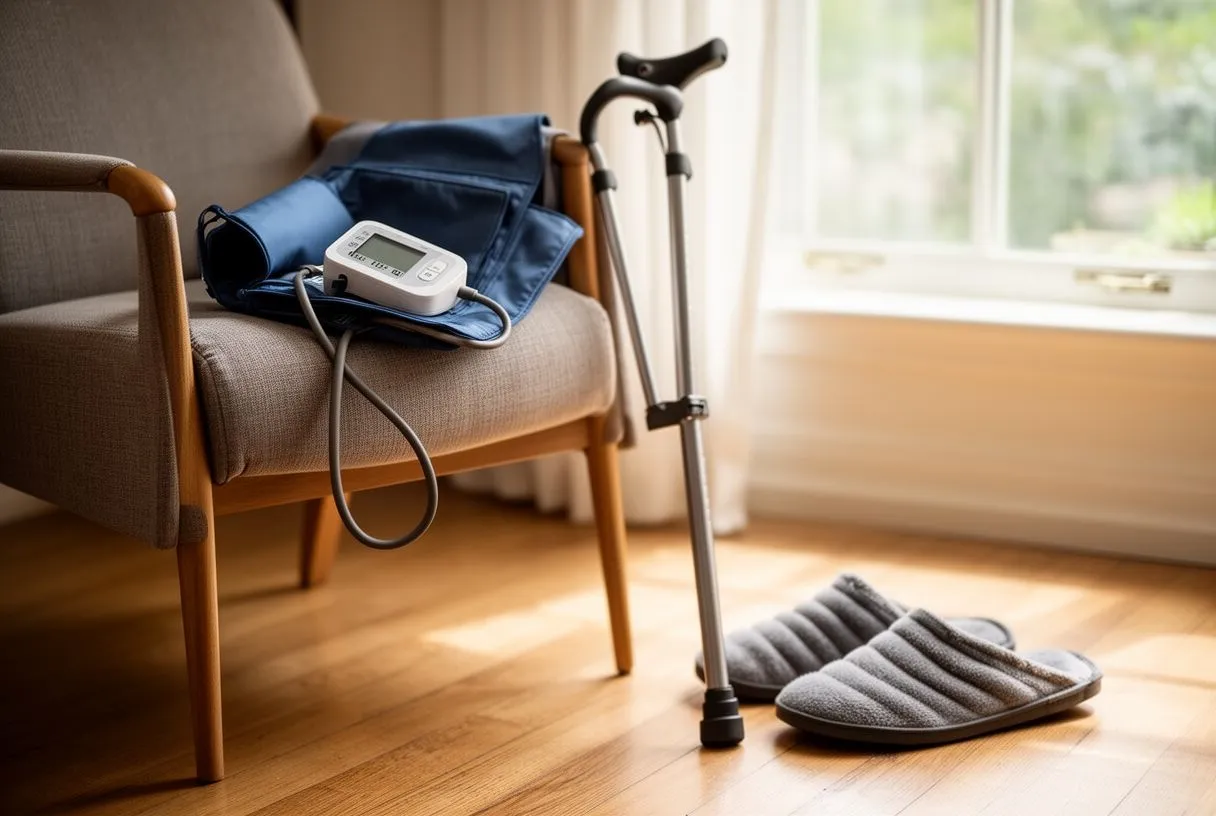
The first few hours. The typical left heart catheterisation recovery time is short. After the sheath is removed, pressure or a small closure device seals the artery. Wrist access usually means 1 to 2 hours of monitoring before home; groin access may require 4 to 6 hours lying relatively flat. Many centres offer same day discharge for uncomplicated diagnostic cases, meaning you arrive in the morning and sleep in your own bed that night.
The first week at home. Plan to take it easy for 24 to 48 hours. You can walk, eat normally, and return to desk work within a day or two in most cases. For the first few days, avoid heavy lifting (nothing over about 5 kilograms), strenuous exercise, swimming, and driving until your doctor clears you.
Warning signs after discharge. Recovery is straightforward for most people, but a few signs need urgent attention:
- Bleeding, swelling, or a growing lump at the access site.
- The hand or foot on the treated side becoming cold, pale, or numb.
- New or worsening pain at the access site hours after you get home.
- Chest pain or breathlessness that is new or severe.
- Fever or signs of infection around the puncture.
If any of these appear, contact your medical team immediately rather than waiting to see if they pass. Ask for clear written instructions about exactly these signs before you leave, and for who to contact with questions during recovery.
Left Heart Catheterisation Risks and Side Effects
How serious is a heart catheterisation? For most patients, not very — but the question deserves a straight answer. Left heart catheterisation risks are real but low. The most common side effects are bruising and soreness at the puncture site. Less common complications include bleeding around the artery, injury to the vessel itself, allergic reactions to contrast dye, and kidney strain from the dye. The most serious complications — heart attack, stroke, damage to the artery, or death — are rare, occurring in well under one percent of diagnostic procedures in contemporary series, and risks are highest in patients who are already acutely unwell.
Survival and safety context. When people ask about the survival rate for a heart catheterisation, the honest framing is that this is among the safest invasive procedures in medicine when performed in an experienced Catheterisation Laboratory. Patient selection matters as much as technique: the team weighs the Bleeding Risk, kidney function, and overall condition before recommending the test at all. Cardiac catheterisation has well-documented advantages and disadvantages, and a good team will discuss both openly.
Reducing your personal risk. You can influence several factors: follow the fasting and medication instructions exactly, stay hydrated, tell the team about every drug you take, and report any allergy history. When our team reviews a case, every recommendation is checked against international practice guidelines, and the less invasive access route is chosen where the evidence supports it for that patient.
Left Heart Catheterisation Cost in Mexico
What drives the price. The left heart catheterisation cost in Mexico varies widely depending on whether the study is purely diagnostic or includes treatment, the hospital chosen, the access route, and whether you are an international patient. Costs typically include the cardiologist's fee, the catheterisation laboratory and equipment, contrast dye, sedation, recovery care, and the disposables used. A stent, if needed, adds a significant amount.
Asking for a transparent quote. Reputable teams will give you a written estimate before scheduling and tell you what could change it. Ask specifically what is included, what happens if a stent is required, and what the follow-up appointments cost. For patients travelling from abroad, factor in two or three nights of accommodation near the hospital and a companion to accompany you home.
Second opinions are normal. If you are weighing an invasive test or a major procedure, seeking a second opinion is a sensible and widely accepted step — there are many reasons to ask for a second opinion before high-risk surgery, and no good team should resent it. We encourage second opinions and treat seeking one as a normal part of deciding about heart surgery. Our consulting rooms in Guadalajara, Querétaro and Hermosillo receive patients from across Mexico and abroad, and the first contact is a free video consultation so you can understand your options before committing to travel.
Left heart catheterisation is a mature, well-understood procedure that gives your cardiologist information no other test can: direct pictures of your coronary arteries and precise pressures inside your heart. The preparation is mostly common sense — fasting, medication review, arranging a driver — and the recovery is measured in hours, not weeks. The risks are real but small, and they are lowest when an experienced multidisciplinary team plans the procedure around your specific health. If you have been advised to have this test, or if your symptoms suggest you might need one, the best next step is a conversation with a qualified cardiac team who can review your case, explain the findings in plain words, and lay out every option. Book a consultation with our team in Guadalajara, Querétaro or Hermosillo, and bring every question you have — that is exactly what the consultation is for.