
Pressure Gradient Across a Heart Valve: Reading the Number
Heart valve pressure gradient explained: learn what your mmHg number means, how severity is measured, and when to seek treatment.
When you or a loved one is facing a cardiac evaluation, understanding the numbers on your report can feel overwhelming. One of the most critical metrics cardiologists use to evaluate valve function is the heart valve pressure gradient. This measurement tells us how hard the heart is working to push blood through a valve. By understanding this number, you can better grasp the severity of a valve condition, the urgency of treatment, and the realistic expectations for recovery. We want to bridge the gap between complex cardiology terms and clear, calm explanations so you feel empowered to discuss your care plan with confidence.
What Is a Heart Valve Pressure Gradient
The heart valve pressure gradient is the difference in blood pressure on each side of a heart valve. In a healthy heart, blood flows smoothly from one chamber to the next with minimal resistance. However, when a valve becomes narrowed or diseased, the heart must generate higher pressure to force the blood through the restricted opening. This pressure difference is measured in millimeters of mercury (mmHg).
Why pressure builds up: Think of a garden hose. If you place your thumb over the end, the water speeds up and the pressure behind your thumb increases. Similarly, when a heart valve narrows—a condition known as stenosis—the heart muscle must squeeze harder to push blood through the smaller opening. Over time, this extra workload can cause the heart muscle to thicken and weaken.
Doctors rely on the heart valve pressure gradient to determine if a valve is functioning normally or if there is a significant obstruction. A higher gradient means the heart is working harder, which often indicates more severe disease. Understanding this baseline measurement is the first step in deciding whether you need close monitoring or a surgical intervention.
How Is the Heart Valve Pressure Gradient Measured
There are two primary ways to measure the heart valve pressure gradient: non-invasive echocardiography and invasive cardiac catheterization. An echocardiogram uses sound waves to create images of the heart and measures the speed of blood flow. By applying specific formulas, the machine can estimate the pressure gradient across the valve. Initial assessments often begin with simple Auscultation, where your doctor listens for a heart murmur using a stethoscope.
The role of cardiac catheterization: When echocardiogram results are unclear or conflict with the patient's symptoms, doctors may recommend a cardiac catheterization. During this procedure, a thin tube called an Arterial Line is inserted into a blood vessel and guided to the heart. This allows the medical team to directly measure the pressure in the heart's chambers, providing a highly accurate gradient reading.
Both methods have their place in cardiac care. Echocardiography is excellent for routine monitoring and initial diagnosis because it carries no surgical risks. Cardiac catheterization provides the definitive numbers needed before making complex surgical decisions. Your cardiac team will choose the method that provides the most accurate information for your specific clinical scenario.

What Is the Normal Heart Valve Pressure Gradient Range
A normal heart valve pressure gradient is typically very low, usually less than 5 mmHg. This low number indicates that blood is flowing freely through the valve without significant obstruction. According to Harvard Health Publishing, maintaining this smooth blood flow is essential for preventing long-term damage to the heart muscle. When the gradient remains low, the heart is not under undue stress.
Gradients in different valves: The aortic valve, which sends blood to the rest of the body, and the mitral valve, which moves blood from the upper Atrium to the lower pumping chamber, each have slightly different normal ranges. However, any gradient significantly above 5 mmHg typically warrants closer investigation to rule out valve disease.
When the heart valve pressure gradient begins to rise, it serves as an early warning sign. Even if you feel perfectly fine, an elevated gradient detected during a routine echocardiogram can prompt your doctor to schedule more frequent monitoring. Catching these changes early allows for timely intervention before the heart muscle sustains irreversible damage.
Aortic Valve Pressure Gradient Explained
The aortic valve sits at the exit of the left ventricle, leading into the Ascending Aorta. The aortic valve pressure gradient specifically measures the resistance blood faces when leaving the heart's main pumping chamber. As this valve ages or becomes calcified, the opening narrows, driving the pressure gradient higher. Severe aortic stenosis is usually defined by a gradient of 40 mmHg or higher.

Interventional options: When the aortic valve pressure gradient reaches severe levels, interventions like Balloon Aortic Valvuloplasty can temporarily open the valve, though it is often a bridge to a more permanent solution. For many patients, a transcatheter aortic valve replacement (TAVR) using a Balloon-expandable Valve is the preferred treatment, offering a less invasive route than traditional open-heart surgery.
In some younger patients, the Ross procedure might be considered, where the diseased aortic valve is replaced with the patient's own pulmonary valve, known as an Autograft. Understanding your specific aortic valve pressure gradient helps your surgical team determine whether you need a minimally invasive TAVR, a traditional valve replacement, or a complex structural repair. The goal is always to find the lowest risk option for your situation.
Mitral Valve Pressure Gradient Explained
The mitral valve controls blood flow from the left Atrium into the left ventricle. The mitral valve pressure gradient becomes elevated when this valve narrows, a condition called mitral stenosis. Because the left Atrium is not a muscular pumping chamber like the ventricle, it struggles to push blood through a narrowed mitral valve. This backup of pressure can lead to fluid accumulation in the lungs, causing shortness of breath.
Associated arrhythmias: Patients with an elevated mitral valve pressure gradient are at a higher risk for developing Atrial Flutter or atrial fibrillation. Managing these rhythm issues is critical. Decisions regarding blood thinners may be influenced by clinical trials like ARISTOTLE, and everyday medications such as Aspirin might be used in specific low-risk scenarios, though your doctor will tailor this to your exact needs.
Furthermore, patients with mitral stenosis often require careful management of other cardiovascular risk factors. Monitoring lipid profiles, including Apolipoprotein B levels, is important to prevent additional plaque buildup in the arteries. If the mitral valve pressure gradient becomes critically high, surgical repair or replacement is usually necessary to relieve the pressure on the left Atrium and restore normal lung function. Guidelines from the 2016 ESC Guidelines for the management of atrial fibrillation developed in collaboration with EACTS often inform these clinical decisions.
How Heart Valve Stenosis Pressure Gradient Shows Severity
The heart valve stenosis pressure gradient is a direct indicator of disease severity. It helps cardiologists categorize valve disease into mild, moderate, and severe stages. A higher gradient corresponds to a tighter valve and a heavier workload on the heart. This objective measurement is crucial because symptoms alone can be misleading; some patients with severe gradients feel fine, while others with moderate gradients experience significant distress.
Distinguishing severity levels: Doctors use the gradient alongside valve area and jet velocity to paint a complete picture of the valve's condition. Recognizing where you fall on this spectrum dictates how often you need monitoring and when surgical intervention becomes necessary to prevent irreversible heart damage.
- Mild Stenosis: Gradient less than 20 mmHg, often monitored with yearly echocardiograms.
- Moderate Stenosis: Gradient between 20 and 40 mmHg, requiring closer observation and symptom management.
- Severe Stenosis: Gradient greater than 40 mmHg, usually indicating the need for surgical evaluation.
Sometimes, severe valve disease can lead to an Atypical Infarction, where the heart muscle suffers damage due to the extreme workload and altered blood flow dynamics. Patients might also experience radiating discomfort, such as Arm Pain, which can be confused with other conditions. This is why an accurate heart valve pressure gradient is essential for a correct diagnosis and prompt treatment.
Heart Valve Pressure Gradient Echo vs Cardiac Catheterization
Comparing the heart valve pressure gradient echo versus cardiac catheterization helps patients understand their diagnostic journey. An echocardiogram is entirely non-invasive and uses ultrasound to estimate the gradient. It is the standard first-line test, providing a reliable, quick, and safe assessment of heart valve function. It allows doctors to visualize the heart's structure and blood flow without any surgical risk.
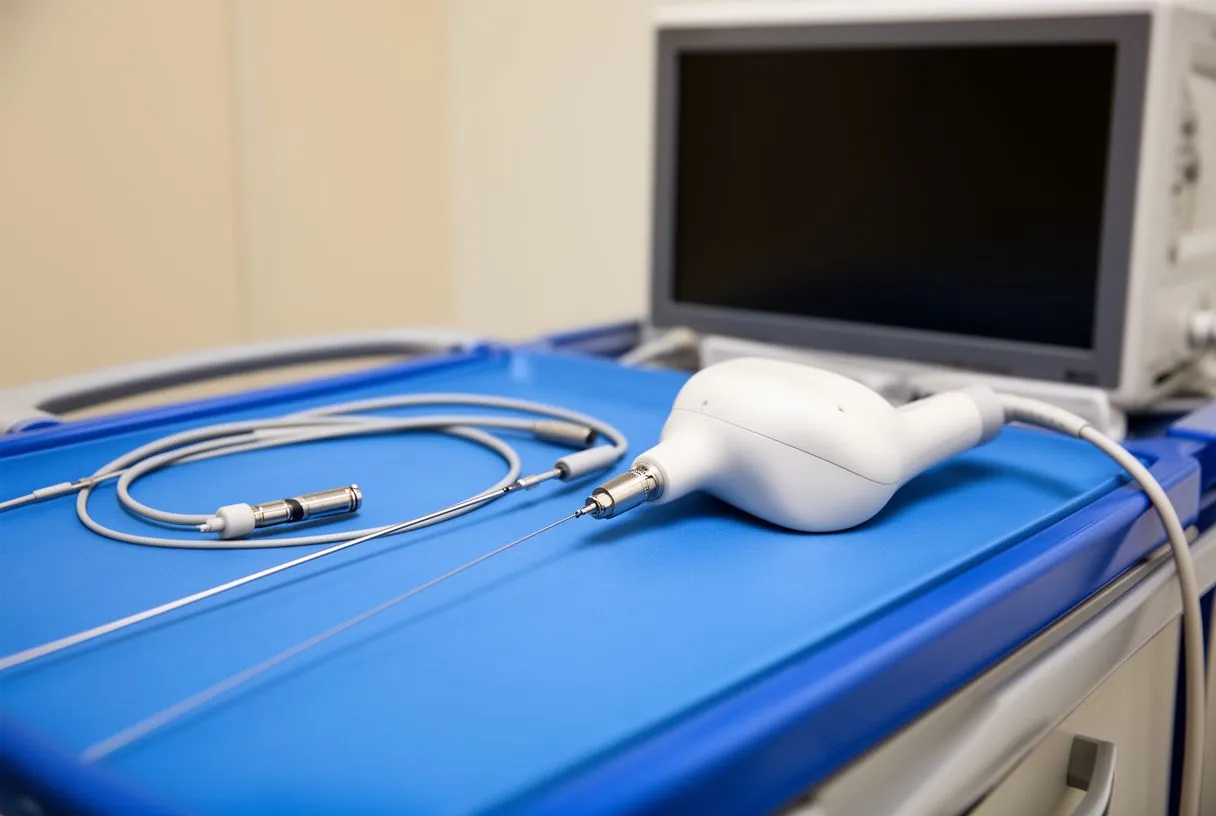
When catheterization is necessary: If the echo results do not match your clinical symptoms, or if other coronary artery diseases are suspected, a cardiac catheterization is performed. This involves placing an Arterial Cannula to access the heart's vessels. In complex cases, patients might even be supported by Awake ECMO (Extracorporeal Membrane Oxygenation) if their heart function is severely compromised during the diagnostic process.
During catheterization, doctors can also perform interventions like Balloon Angioplasty if they discover blocked arteries alongside the valve disease. The procedure might utilize Autologous Blood for testing or transfusion purposes if needed. By directly measuring the pressures inside the heart, catheterization provides the most definitive heart valve pressure gradient, ensuring that any surgical plan is based on precise, irrefutable data.
What Causes a High Pressure Gradient Heart Valve
A high pressure gradient heart valve is primarily caused by stenosis, the narrowing of the valve opening. The most common cause of aortic stenosis is age-related calcification, where calcium deposits build up on the valve leaflets. This process is similar to the formation of an Atheromatous Plaque in the arteries, making the valve stiff and narrow over time. As the valve hardens, the heart must generate more pressure to push blood through, elevating the gradient.
Other underlying factors: Rheumatic fever, a complication of untreated strep throat, is a historical cause of valve narrowing that still affects patients today. Congenital valve abnormalities, such as a bicuspid aortic valve, can also lead to early calcification and a rising heart valve pressure gradient. In some cases, radiation therapy to the chest for cancer treatment can accelerate valve thickening.
When a valve is severely narrowed, the heart's electrical system can become unstable, increasing the risk of sudden cardiac arrest, where an Automated External Defibrillator might be required to restore a normal rhythm. Recognizing these underlying causes helps your cardiac team address not just the valve, but the systemic factors contributing to your overall cardiac health.
Managing Symptoms Associated with Heart Valve Disease
Managing the symptoms associated with an elevated heart valve pressure gradient involves a combination of medication, lifestyle changes, and surgical intervention. While medications cannot cure a narrowed valve, they can help control the heart's workload and manage fluid levels. Diuretics help remove excess fluid from the lungs, while beta-blockers can help control the heart rate, giving the ventricle more time to fill.
Surgical symptom relief: When the heart valve pressure gradient reaches severe levels, surgery is the only definitive treatment to relieve symptoms and prolong life. During open-heart surgery, surgeons might use an Arterial Graft to bypass blocked vessels while replacing the diseased valve. This comprehensive approach addresses both the valve obstruction and any concurrent coronary artery disease.
- Shortness of Breath: Often the first symptom, caused by blood backing up into the lungs due to the high gradient.
- Dizziness or Fainting: Occurs when the narrowed valve prevents enough blood from reaching the brain during exertion.
- Chest Pain: Caused by the heart muscle demanding more oxygen than the narrowed valve can supply; it is important to differentiate this from sudden lung issues like a pneumothorax, as outlined in the Management of spontaneous pneumothorax: British Thoracic Society pleural disease guideline 2010.
It is vital to seek medical attention if you experience these symptoms, as they indicate the heart is struggling to compensate for the high gradient. Ignoring these signs can lead to severe heart failure. A qualified cardiac team will evaluate your symptoms alongside your heart valve pressure gradient to recommend the most appropriate timing for surgical intervention.
Heart Valve Pressure Gradient Interpretation and Next Steps
Interpreting your heart valve pressure gradient is a nuanced process that goes beyond simply reading a number. Your cardiologist will consider the gradient in the context of your overall heart function, the thickness of your heart muscle, and your clinical symptoms. A high number in a completely asymptomatic patient might warrant watchful waiting, while a slightly lower number in a very symptomatic patient might require immediate intervention.

Building your care plan: The ultimate goal of measuring the heart valve pressure gradient is to guide the creation of a personalized care plan. This plan will detail the frequency of your monitoring, the medications you should take, and the surgical options available to you when the time is right. Understanding your numbers empowers you to be an active participant in these critical discussions.
If you or a loved one has been diagnosed with an elevated heart valve pressure gradient, we encourage you to discuss these findings with a qualified cardiac team. At Cirugía de Corazón, Dr Alejandro Molina and our experienced staff in Guadalajara, Querétaro, and Hermosillo are here to provide clear, compassionate, and expert guidance. Do not self-diagnose based on a single number; book a consultation so we can evaluate your unique situation and chart the safest, most effective path forward for your heart health.