

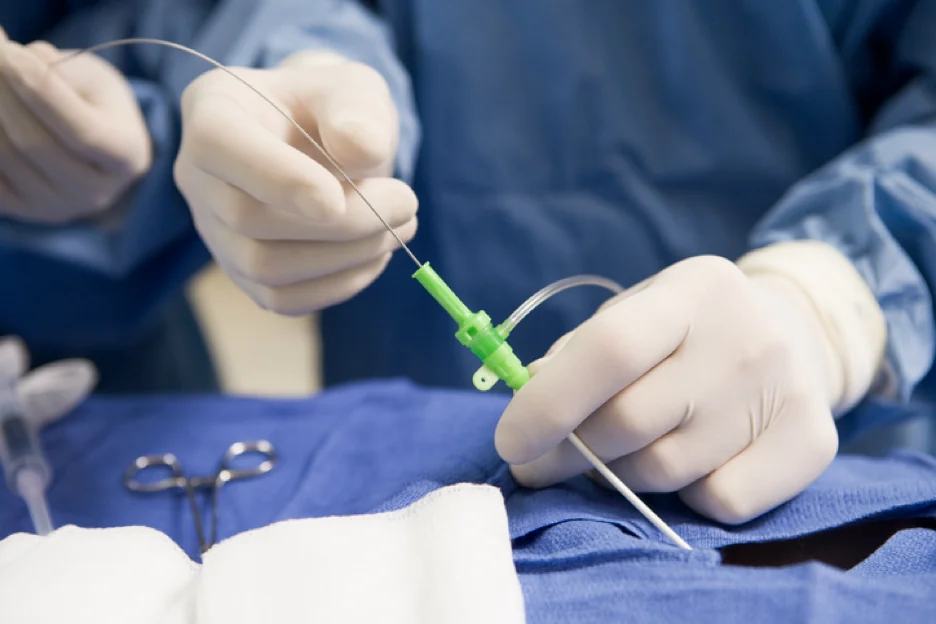
Cardiac catheterisation: advantages and disadvantages
Explore the advantages and disadvantages of cardiac catheterisation, from diagnosis to recovery, in our guide to this minimally invasive heart test.
What is cardiac catheterisation
Cardiac catheterisation is a minimally invasive medical test that allows your cardiologist to look inside your heart. By threading a thin, flexible tube called a catheter through your blood vessels to your heart, doctors can see how well your heart muscle, valves, and arteries are functioning. For many patients, learning about this procedure brings immediate relief, as it avoids the need for large surgical incisions.
Is cardiac catheterisation a surgery? It is not considered open surgery, though it is performed in a specialised hospital room called a catheterisation laboratory. You typically remain awake under light sedation, and the skin puncture is tiny. This makes the procedure far less taxing on the body than traditional operations, allowing for faster mobilisation and discharge.
Understanding this test helps remove the fear of the unknown. It is a powerful diagnostic tool that provides highly detailed, real-time images of your heart's anatomy, helping your medical team plan the exact treatment you need.
How does the cardiac catheterisation procedure work
The cardiac catheterisation procedure works by using live X-ray imaging to guide a catheter from a small access point in your wrist or groin directly to your heart. Once the catheter is in position, a special contrast dye is injected. This dye highlights the blood vessels on the X-ray monitor, revealing any blockages or structural abnormalities.
How long does a heart catheterisation take? The actual procedure usually takes between 30 minutes and two hours, depending on what your doctor finds and whether any treatment, like placing a stent, is performed at the same time. You will lie on a comfortable table while the team monitors your heart rhythm and blood pressure continuously.
Throughout the test, you might feel a warm sensation when the dye is injected, but you should not feel sharp pain. The medical team will talk to you constantly, ensuring you are relaxed and informed at every step of the journey.
What are the benefits of cardiac catheterisation
The cardiac catheterisation benefits are substantial for both diagnosis and treatment. On the diagnostic side, it offers the most accurate way to see blockages in the coronary arteries, measure the exact pressures inside the heart chambers, and check how well the heart valves are opening and closing. It gives doctors a precise map of your heart.
Can a heart attack be treated during catheterisation? Yes, one of the greatest advantages is that it allows for immediate treatment. If a blocked artery is found, your doctor can often perform an angioplasty to open it and place a stent right away. This rapid intervention can stop a heart attack in its tracks and restore blood flow to the heart muscle.
Because it is minimally invasive, recovery is generally quick, and patients usually go home the same day or the next morning. When a patient requires more advanced support or specific surgical planning, the care team might suggest reviewing advanced haemodynamic monitoring equipment to ensure optimal cardiac function during treatment. This dual ability to both diagnose and treat makes the procedure indispensable.
Right heart vs left heart catheterisation
Doctors divide the procedure into right heart and left heart catheterisation based on which side of the heart they need to examine. A right heart catheterisation involves passing the tube through a large vein into the right side of the heart and the pulmonary artery. This is primarily used to measure pressures in the right side of the heart and assess lung function.
What does left heart catheterisation show? A left heart catheterisation targets the arteries that supply the heart muscle with blood. By advancing the catheter through an artery, doctors can visualise the coronary arteries, check the pumping strength of the left ventricle, and inspect the mitral and aortic valves.
Often, a patient will only need a left heart study if the goal is to check for coronary artery disease. However, in complex cases, your cardiologist may perform both sides to get a complete picture of your cardiac health and ensure no detail is missed.
Coronary angiography and diagnosing heart disease
Coronary angiography is the specific part of the catheterisation where the contrast dye is injected into the coronary arteries. It is the gold standard for diagnosing coronary artery disease. By watching the dye flow on the monitor, your doctor can see exactly where blood flow is slowed or blocked by plaque.
Why is coronary angiography necessary? Non-invasive tests like stress tests or CT scans can suggest a problem, but angiography confirms it. It shows the exact location and severity of a blockage, which is vital information for deciding whether you need medication, a stent, or coronary bypass surgery.
Getting an accurate diagnosis is the first step toward feeling better.
Femoral artery vs radial artery catheterisation
When planning the procedure, your cardiologist must choose an access point. The two main options are femoral artery catheterisation, which goes through the groin, and radial artery catheterisation, which goes through the wrist. The radial approach has become very popular in recent years because it is safer and easier for patients.
Is radial access safer than femoral access? The radial artery is close to the surface, making it easy to compress and virtually eliminating the risk of serious bleeding. Patients can sit up and walk almost immediately after a radial procedure, whereas the femoral approach requires lying flat for several hours to prevent bleeding from the larger groin artery.
- Radial access: Faster mobilisation, lower bleeding risk, preferred for most patients.
- Femoral access: Used if the wrist arteries are too small or for certain complex procedures.
- Doctor's choice: Your cardiologist will select the safest route based on your anatomy.
Understanding these options helps ease anxiety, as the wrist approach offers a significantly more comfortable experience for the vast majority of patients.
What are the risks and complications of cardiac catheterisation
While the procedure is very safe, it is important to discuss cardiac catheterisation risks with your doctor. Major complications are rare, but they can include an allergic reaction to the contrast dye, damage to the blood vessels at the insertion site, or acute kidney injury from the dye. Your medical team takes specific precautions to minimise these risks.
Who is at higher risk for complications? Patients with severe kidney disease, diabetes, or heavily calcified arteries may face a slightly higher risk. In these cases, doctors use lower dye volumes or provide extra hydration before and after the procedure to protect kidney function. Bleeding or a small bruise at the wrist or groin is the most common issue, but it is usually harmless.
However, the most important safeguard is having an experienced, dedicated Heart Team performing the test and watching your recovery closely.
Cardiac catheterisation recovery and aftercare guide
Proper cardiac catheterisation aftercare is crucial for a smooth recovery. Immediately after the test, you will rest in a recovery area where nurses check your pulse and the insertion site frequently. If the doctor used the radial artery in your wrist, you might be able to sit up and walk within an hour, but you should avoid heavy lifting for a few days.
What to watch for after going home? You should keep the puncture site clean and dry. Mild soreness or a small bruise is normal, but you must watch for warning signs like spreading redness, active bleeding, or numbness in your hand or leg. If you notice any of these, you should contact your medical team immediately.
Hydration is a key part of your recovery, as drinking water helps flush the contrast dye out of your system. Your doctor will give you a detailed list of instructions regarding medications, physical activity, and when you can safely return to your normal daily routine.
- Hydrate: Drink plenty of water to clear the dye from your kidneys.
- Rest: Avoid strenuous exercise and heavy lifting for a few days.
- Monitor: Check the insertion site for swelling, bleeding, or pain.
When is open-heart surgery better than catheterisation
While catheterisation is excellent for treating single or a few blockages, it is not always the best solution for extensive heart disease. When all three major coronary arteries are heavily diseased, or when the main left artery is blocked, open-heart surgery often provides better long-term results and survival rates.
What did the SYNTAX trial prove? This famous medical study compared stents with coronary bypass surgery for complex disease. It proved that for patients with complex blockages, bypass surgery was superior in preventing future heart attacks and the need for repeat procedures. The catheter simply cannot fix everything.
Additionally, certain heart valve diseases require surgical repair rather than catheter-based approaches. Your Heart Team will review your angiogram results and overall health to decide whether a minimally invasive stent is enough, or if you need a more durable surgical solution.
Key takeaways on heart catheterisation
Understanding heart catheterisation diagnosis helps you approach the procedure with confidence rather than fear. It is an incredibly safe and effective tool that allows doctors to see your heart in real-time, measure internal pressures, and immediately open blocked arteries. For most patients, it is a straightforward experience with a very fast recovery.
However, it is not a cure-all for every cardiac condition. Complex, multi-vessel disease often requires the more comprehensive and durable solution of coronary bypass surgery. Your cardiologist and surgeon will work together as a Heart Team to weigh the advantages and disadvantages in your specific case.
The most important step is open communication with your medical team. By understanding the procedure, its limits, and your surgical options, you can actively participate in the decisions that will protect your heart health for years to come.






