

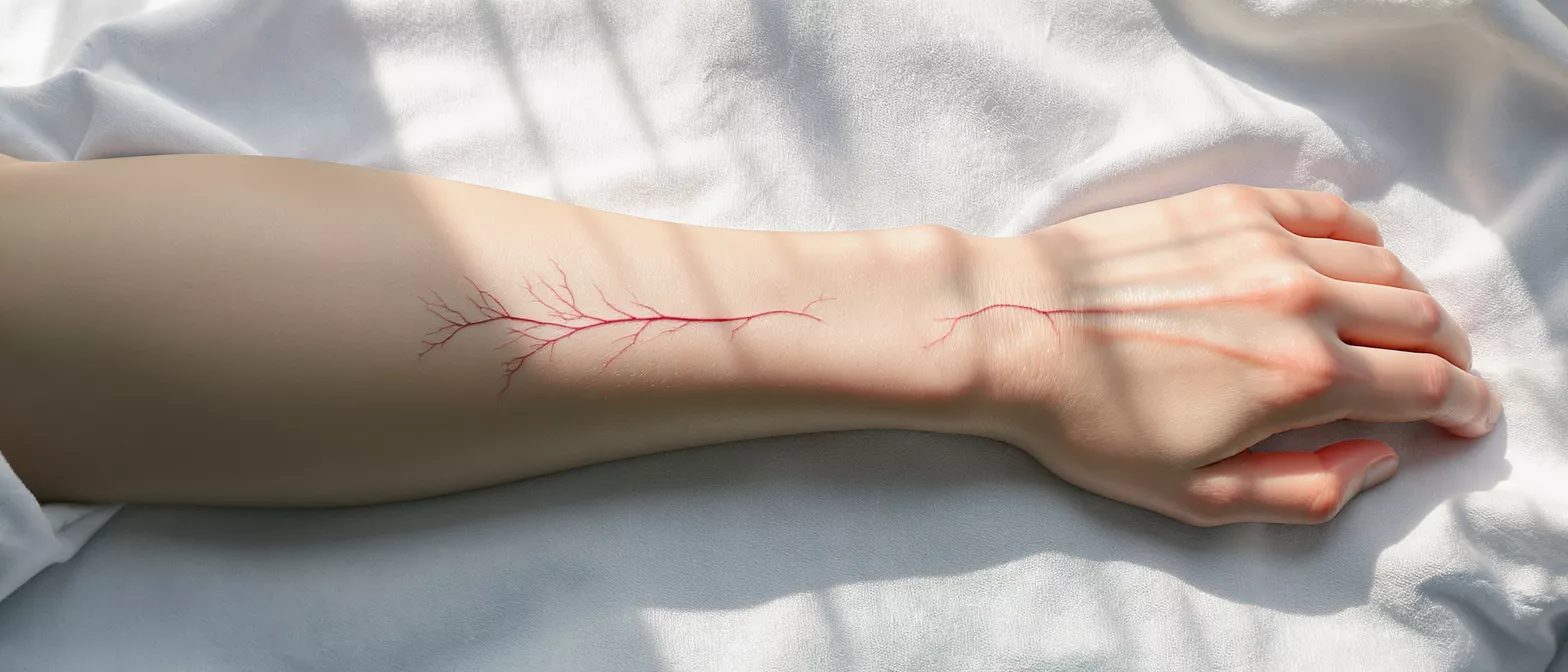
Radial Artery
Discover how the radial artery is harvested and used as a durable bypass graft in coronary surgery.
What is the Radial Artery Anatomy and Function?
The radial artery is a major blood vessel in the human arm that plays a critical role in supplying oxygen-rich blood to the forearm and hand. It originates near the elbow as a branch of the brachial artery and travels down the thumb side of the forearm. As a key component of the circulatory system, it works alongside the ulnar artery to ensure continuous, healthy blood flow to the lower arm and hand tissues.
What is the primary radial artery function? Beyond delivering blood to the hand, this artery is highly valued in medicine because of its robust wall structure and excellent durability. Because of these physical properties, the vessel is frequently utilized as a graft in coronary bypass procedures. It is strong enough to withstand the high pressure of the aorta, making it an excellent choice for routing blood around a blocked heart vessel.
When used as a radial artery conduit, the blood vessel is carefully removed from the arm and attached to the heart to restore circulation to the heart muscle. Understanding its normal function helps patients and families appreciate how a vessel from the arm can effectively save the heart. This dual role—supplying the hand and serving as a bypass graft—makes it an essential topic in cardiac medicine.
Where is the Radial Artery Location in the Arm?
Identifying the radial artery location is straightforward and something most people do during a routine checkup. If you place two fingers on the thumb side of your inner wrist, just below the base of your thumb, you will feel a pulsing rhythm. That pulse is the radial artery pumping oxygenated blood to your hand. It runs parallel to the radius bone, which is how it gets its name.
The vessel runs superficially along the forearm, making it highly accessible for medical evaluations. Because of its accessible location, doctors frequently use it for drawing arterial blood gas samples or inserting catheters for various procedures. Before any surgical procedure, the medical team will thoroughly map the arm to ensure the vessel is healthy.
How does the arm adapt after radial artery removal? A common concern for cardiac surgery patients is how the arm will function after the graft is taken. The human body is remarkably adaptable, and the ulnar artery, which runs down the other side of the forearm, naturally takes over the blood supply. Over time, the ulnar artery widens to ensure the hand continues to receive adequate circulation without the missing vessel.
Why Use a Radial Artery Graft in Coronary Bypass?
When coronary arteries become blocked, a surgeon must create a new pathway for blood to reach the heart muscle. This is known as a coronary bypass, and the chosen vessel is called a graft. The radial artery graft has become a highly preferred option for this procedure because it tends to stay open and resist the buildup of plaque much better than some other types of grafts. Surgeons frequently choose this vessel when the internal mammary artery cannot be used or when multiple bypasses are required.
Using the radial artery in heart surgery offers patients a strong, durable conduit that adapts well to the coronary circulation. The muscular wall of this vessel handles the high pressure of the heart's pumping action very effectively. This resilience translates to a better long-term outcome for many patients, reducing the likelihood of needing repeat interventions.
When discussing surgical options with your doctor, they may recommend utilizing an arterial conduit over a venous one. Ultimately, the decision to use this graft depends on your specific anatomy and the number of blockages requiring treatment.
How Does Radial Artery Harvest Work?
The radial artery harvest is a precise surgical technique used to remove the vessel from the arm for use in the heart. The procedure typically involves making an incision along the forearm to carefully expose the artery. Surgeons use specialized instruments to detach the vessel from surrounding tissue, ensuring it remains entirely intact and undamaged. Once removed, the graft is immediately prepared for transplantation to the chest.
What happens to the arm incision during radial artery grafting technique? The surgeon meticulously closes the incision in layers to promote optimal healing and minimize scarring. The arm is then wrapped in a compression bandage to reduce swelling and protect the surgical site. Because the ulnar artery compensates for the removed vessel, the arm gradually regains its normal strength and function.
Modern surgical approaches often use a minimally invasive radial artery procurement method, utilizing small incisions and cameras to reduce tissue trauma. This advanced radial artery grafting technique allows for faster recovery times and less postoperative discomfort compared to traditional open incisions. Your surgical team will determine the best approach based on your body type and the overall cardiac procedure being performed.
Radial Artery vs Saphenous Vein Graft Comparison
When planning a coronary bypass, surgeons evaluate the radial artery vs saphenous vein graft to determine the best route to restore blood flow. The saphenous vein is taken from the leg, while the radial artery comes from the arm. The main difference lies in their structure—arteries have thick muscular walls designed to handle high pressure, while veins have thinner walls and rely on valves to prevent backflow.
Why is arterial patency better than venous patency? Patency refers to how well a graft stays open over years. Arterial grafts like the radial artery generally exhibit superior long-term patency compared to venous grafts because their muscular walls are better suited to the pressure of arterial blood flow flowing from the aorta. This means they are less likely to narrow or develop atherosclerosis over time.
- Arterial Grafts: Thicker walls, high pressure tolerance, better long-term durability.
- Venous Grafts: Harvested from the leg, often used for multiple blockages, require adaptation to arterial pressure.
- Long-term Outcome: Arterial grafts generally show higher patency rates over a decade post-surgery.
What to Expect After Radial Artery Procurement
Recovering from radial artery procurement involves caring for both your chest and your arm. In the first few days after surgery, the arm may feel stiff, and some mild swelling or bruising around the incision is completely normal. Nurses will regularly check the hand for warmth, color, and pulse to ensure the ulnar artery is successfully taking over the blood supply.
Patients are encouraged to move their fingers and wrist gently to promote circulation and prevent stiffness, but heavy lifting is strictly avoided during the initial healing phase. Pain medication is typically provided to manage discomfort, allowing patients to begin their cardiac rehabilitation comfortably. The surgical dressing is usually removed within the first week, revealing the healing incision.
Proper wound care is essential to prevent infection and ensure a clean scar. Many patients benefit from using silicone scar therapy gel once the incision has fully closed. Following your surgeon's guidelines for arm mobility and wound care will significantly improve your recovery trajectory and restore full function to the limb.
Are There Radial Artery Complications for Heart Patients?
While the procedure is generally safe, understanding potential radial artery complications helps patients prepare for their recovery. The most significant concern is hand ischemia, a condition where the hand does not receive enough blood after the vessel is harvested. Before surgery, doctors perform an Allen test to confirm the ulnar artery is healthy enough to supply the entire hand. If the test fails, the radial artery cannot be used.
Sensory changes are another possible side effect, as the nerves running close to the artery can be temporarily irritated during the harvest. Some patients report mild numbness or tingling on the thumb side of the back of their hand. This usually resolves over time as nerves heal, but it should be discussed with your cardiologist during follow-up visits.
Less common complications include infection at the incision site or hematoma formation. Keeping the wound clean and dry, and monitoring for excessive redness or drainage, is crucial. If you are experiencing arm discomfort during your recovery, your care team might recommend a medical-grade arm support sleeve to provide gentle compression and stability while the tissue heals.
Radial Artery Approach for Catheterization and Tests
Beyond its use as a graft, the radial artery approach is the standard route for performing diagnostic heart catheterizations. In this procedure, a cardiologist inserts a thin tube through the wrist and guides it up to the heart to inject contrast dye for X-ray imaging. This approach is preferred over the traditional femoral approach because it carries a lower risk of bleeding complications and allows for earlier mobility after the procedure.
The radial artery approach for catheterization is generally well-tolerated by patients, who can often sit up and walk shortly after the test is completed. The compression band applied to the wrist after the catheter is removed effectively stops bleeding without needing stitches. This has revolutionized cardiac diagnostics, making the process safer and more comfortable.
It is important to distinguish between a radial artery catheterization for diagnostics and a radial artery harvest for surgery. In a catheterization, the artery remains in the arm and is simply used as an entry point. In a harvest, the vessel is relocated to the heart. Both uses rely on the vessel's accessible location and robust nature.
How to Promote Radial Artery Blood Flow Recovery
After the radial artery is harvested, the body needs time to reroute the blood supply through the ulnar artery. Promoting radial artery blood flow recovery—or rather, the adaptation of the ulnar artery—requires gentle, consistent movement and careful monitoring. Squeezing a soft ball or performing wrist flexion exercises helps stimulate the collateral circulation in the forearm.
It is vital to protect the affected arm from extreme cold and heavy labor in the months following surgery. Cold temperatures cause blood vessels to constrict, which can temporarily decrease blood flow to the healing hand. Patients should wear gloves in cold weather and avoid using the arm for heavy pushing or pulling until cleared by their surgeon.
Long-term cardiovascular health also supports optimal blood flow throughout the body. Eating a balanced diet, managing cholesterol, and staying hydrated are fundamental steps in maintaining overall vascular wellness. Maintaining healthy vascular walls ensures the ulnar artery can efficiently expand and supply the hand with the blood it needs.
Key Takeaways for Radial Artery Cardiac Surgery
Understanding the role of the radial artery in cardiac surgery empowers patients to approach their procedure with confidence. The use of this vessel as a graft offers excellent long-term durability and patency, rivaling and often exceeding the performance of traditional venous grafts. The body's ability to adapt to its removal ensures the arm remains fully functional.
Open communication with your surgical team at every step is the most important factor in a successful outcome. Discussing the radial artery grafting technique, understanding the incision care, and knowing the signs of potential complications allows for a smoother, safer recovery. Patients should never hesitate to ask questions about their specific surgical plan.
Ultimately, the radial artery is a remarkable blood vessel that serves dual purposes in human health. By continuing your rehabilitation and maintaining healthy habits, you can protect your new bypass grafts and your overall heart health for years to come.






