

Coronary bypass surgery (CABG)
Learn about coronary bypass surgery, who it suits, its risks, and how it compares to stents in this patient guide from Cirugía de Corazón.
What the operation involves, how long it takes, who it suits, the risks, graft choice, and what the major trials show against stents.
A practical guide to coronary bypass surgery: what it involves, who it is for, the benefits, the risks, and what the major trials say when comparing it with stents.
One of the moments in your life, or in the life of someone you love, that can most significantly change or alter everything around you is the day you find out you may need heart surgery.
Although most cardiac procedures can now be performed with a relatively low risk of complications, we should not diminish how significant this situation is. We understand how you feel.
That is why we created this guide to myocardial revascularisation, or coronary bypass surgery, so you can better understand what these procedures involve and make well-informed decisions. It should help you have a deeper conversation with your family and the people close to you.
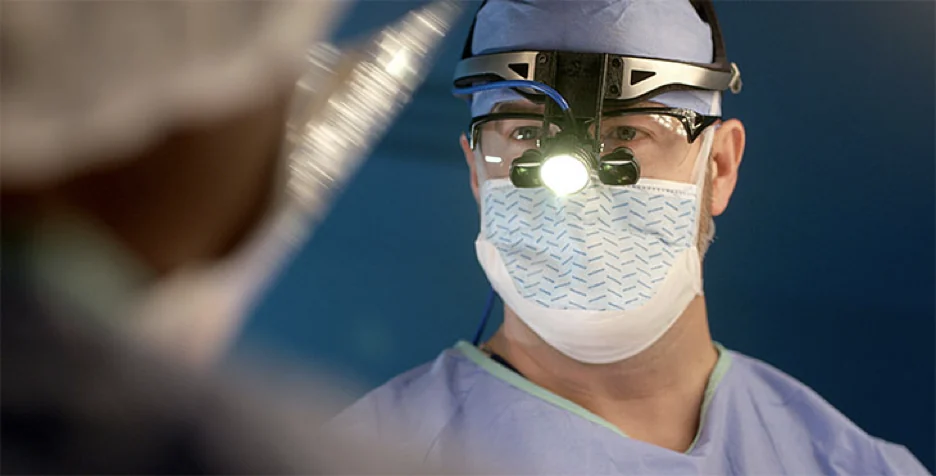
1. What does revascularisation or bypass surgery refer to?
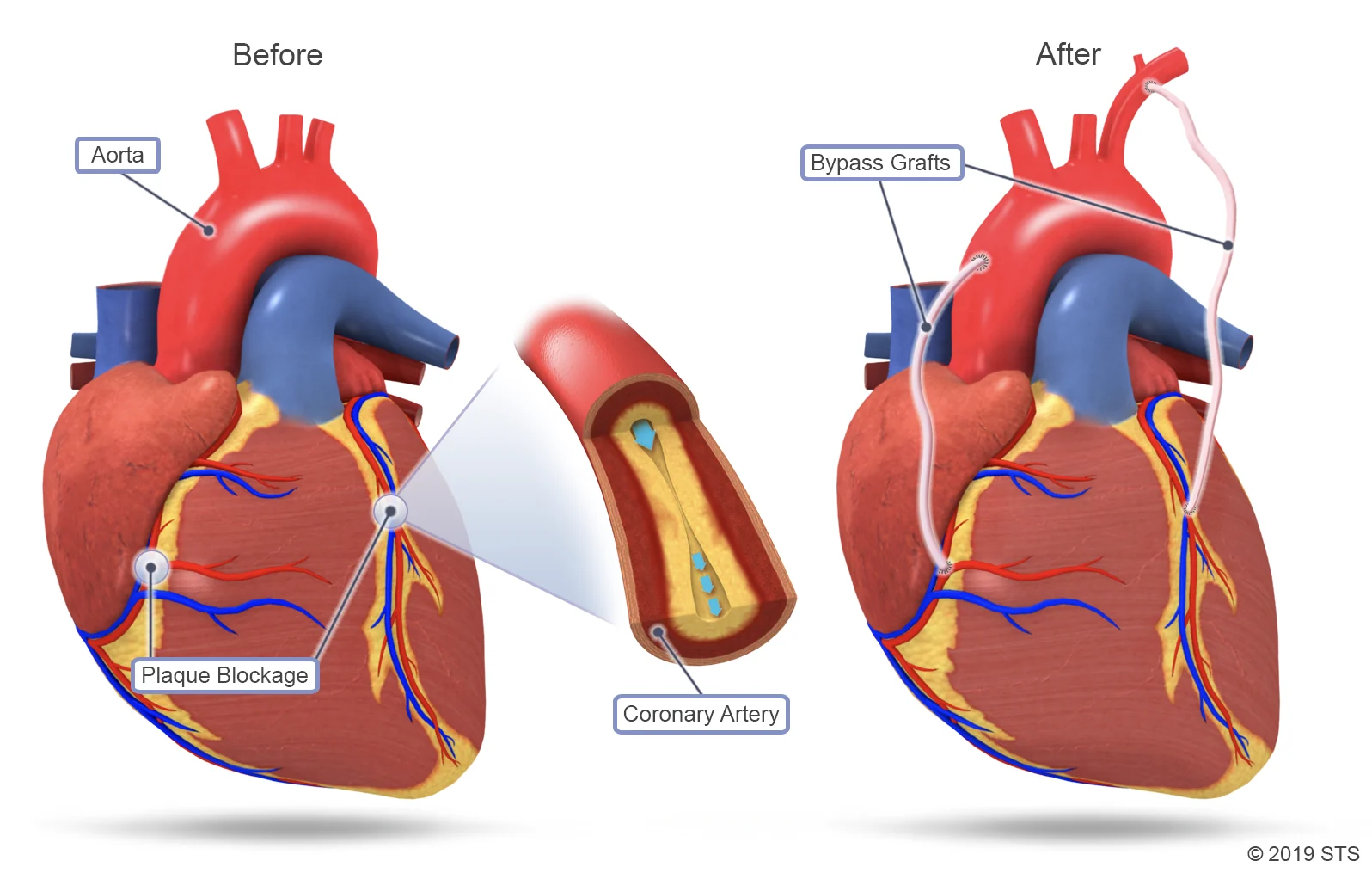
This is the surgery we perform when there is a blockage in the coronary arteries — the arteries that cause acute heart attacks when they close completely.
The coronary arteries are responsible for carrying blood and oxygen to the heart muscle so that it can contract and do its job properly. When there are varying degrees of blockage in these arteries, there can be signs of angina — pain in the chest — through to an acute myocardial infarction.
Revascularisation or bypass surgery is aimed precisely at restoring the flow that has been compromised or lost completely. In practical terms it allows us to restore a continuous flow of blood and oxygen to the heart so that it can go on working properly.
This is the most common operation, and the one most performed in cardiac surgery centres around the world even today.

2. How is this kind of surgery performed?
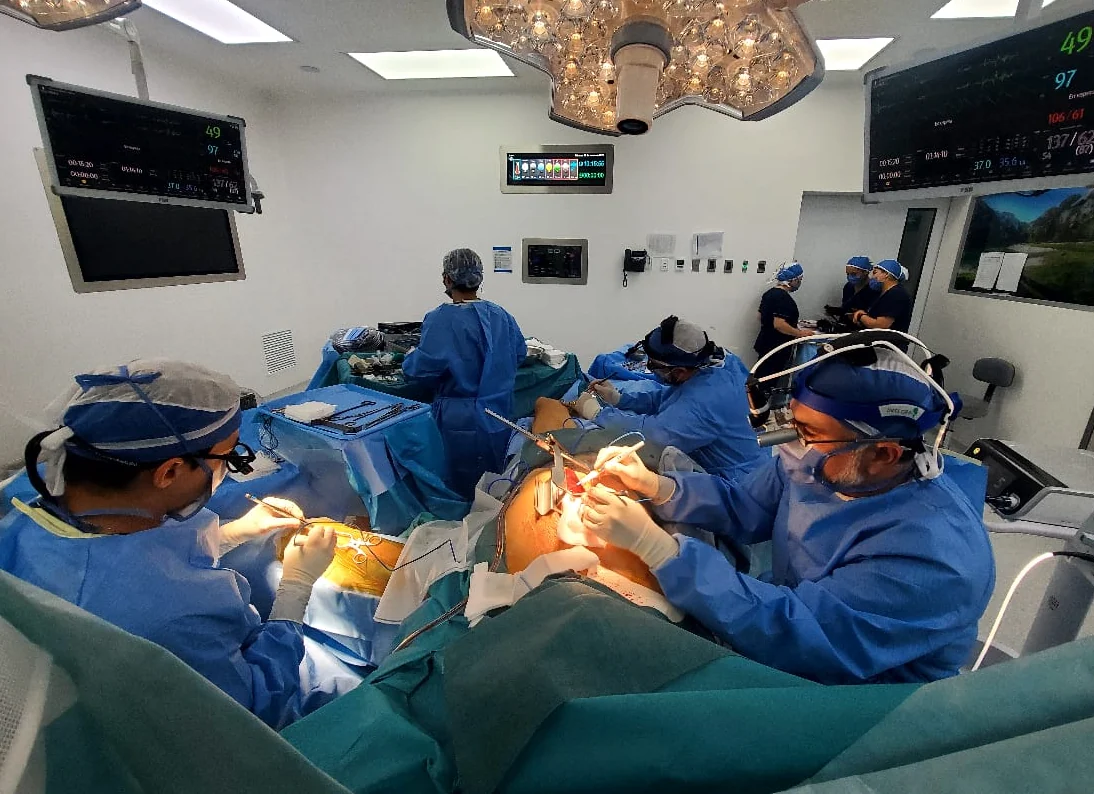
In the great majority of cases this procedure is performed through an incision in the sternum, what we commonly know as open-heart surgery. In selected cases minimally invasive or hybrid procedures can be used.
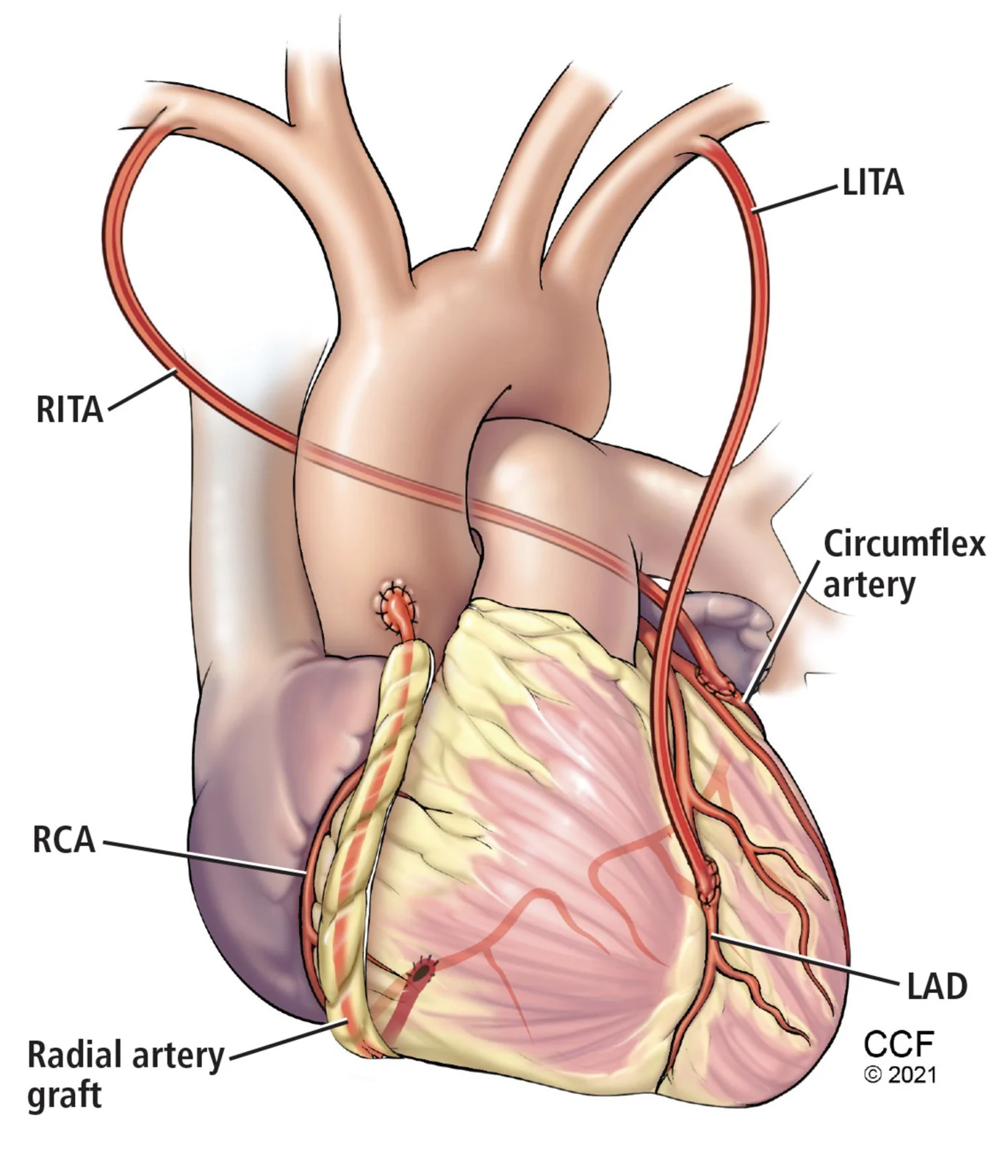
To create the coronary grafts or bypasses we use various arteries and veins, depending on how many the patient needs. The artery most frequently used is the left internal mammary artery, which is almost always used to revascularise the most important artery of the heart, the left anterior descending. Besides the mammary artery, we commonly use the radial artery in the left arm, the right-sided mammary artery, and very frequently the saphenous veins from the legs. This depends on each patient's anatomy.
3. How long does the procedure take?
The procedure in theatre usually takes between four and six hours, although this depends on a number of anatomical and haemodynamic factors during the intervention.
Once it is finished you will go to intensive care for monitoring and immediate management after the revascularisation, where a team of experts will take charge around the clock. Time in intensive care generally ranges between 36 and 48 hours, but it depends on how each person progresses.
Total time in hospital averages 4–7 days, though again we should not generalise. We have to be careful and treat each person individually at every stage of this procedure.
4. How do I know whether I am a candidate for coronary bypass surgery?
As with any heart surgery, the first thing we have to assess is whether there really is an indication for heart surgery. To do that we carry out imaging studies that let us establish the individual anatomical and functional characteristics of the heart's arteries.
The most common studies are:
- Stress test. Carried out by a cardiologist, this test lets us assess both the symptoms brought on by exercise or exertion and the electrical behaviour of the heart during it. From this we can form a reasonable clinical suspicion about the state of your coronary arteries.
- Cardiac catheterisation. This study lets us see the anatomy and the sites of blockage in the coronary arteries. It is essentially a map of the arteries, from which we can determine their state and judge whether they require any intervention. The procedure usually takes one to three hours and may require admission in some cases.
- Transthoracic echocardiogram. Carried out by a cardiologist specialising in imaging, usually taking between 30 minutes and an hour, with no admission required. It lets us assess the heart valves and determine whether there is an indication to replace or repair any of them during the same bypass operation. Cardiac function is also assessed.
- Coronary CT angiography. Sometimes performed instead of catheterisation, and on other occasions to confirm or complement what we have seen in other studies. It lets us take various measurements and assess the coronary anatomy, and helps us plan the operation. It does not normally require admission.
- Other studies: electrocardiogram, blood tests, viability or ischaemia testing of the heart, lung function tests, and other studies that may be indicated.
Once we have all the indicated imaging studies, a group of several specialists will determine whether you are a candidate for myocardial revascularisation. The final decision about the procedure will always be yours and your loved ones'. It is taken once a level of mutual trust has been established in the doctor–patient relationship.
What are the benefits of coronary bypass surgery?
This operation aims to restore the flow of blood and oxygen to the coronary arteries. Once that is achieved, a long-term benefit is seen both in symptoms and in quality of life.
The cardiology literature has also demonstrated a protective effect against further heart attacks, by offering alternative routes or collateral circulation to the coronary arteries.
The benefits of this surgery are significant. Coronary bypass can relieve the symptoms of coronary artery disease, improve quality of life and reduce the risk of serious cardiac events.
According to the SYNTAX trial, coronary bypass surgery has been shown to be particularly effective in patients with complex coronary artery disease, where a significant improvement in survival and a reduction in the need for further procedures are seen.
What are the risks associated with this intervention?
Although CABG is a common and effective procedure, essentially a routine one, it also carries certain risks and complications, which can include:
- Lung complications. Surgery can increase the risk of pneumonia, particularly in people with pre-existing lung disease.
- Bleeding. CABG involves cutting the sternum, which can cause excessive bleeding. Sometimes a transfusion of blood or blood products is needed to make up the loss. In fewer than 4% of cases it is necessary to return to theatre and reopen the patient to carry out a surgical exploration and systematically assess sites of bleeding.
- Infection. As with any surgery, there is a risk of infection at the incision and in the surgical wound.
- Kidney failure. CABG can affect kidney function, particularly in people with pre-existing kidney disease. In the most severe cases, where the kidney fails after surgery, support with dialysis may be needed for some days to help it recover.
- Neurological complications. Rarely, surgery can cause brain injury, which may show as problems with memory, concentration, motor skills or speech.
- Anaesthetic risks. The general anaesthetic used during surgery can have complications, particularly in older people or those with chronic conditions.
- Allergic reactions. Some people may have an allergic reaction to the medicines used during surgery.
- Heart attack during or after the procedure. Although the risk of this complication is usually under 1%, its outcome is potentially fatal and it is plainly the most feared. It is very rare, but it is important to be with a highly capable medical team able to deal with the situation.
It is important to point out that these risks are relatively rare and that, in general, CABG is a safe and effective procedure for treating coronary disease. Even so, it is important that you discuss all the risks and benefits with your doctor before deciding about surgery.
Is blood donation necessary, and are many transfusions given afterwards?
Is it necessary to donate blood before surgery?
- In heart surgery the patient or their family will almost always be asked to donate blood beforehand. Although not all the donated blood is usually used, having blood available is recommended as a safety measure for genuinely urgent cases where we have to act quickly.
- In many cases hospitals maintain blood reserves for emergencies, and the surgical team is prepared to give transfusions if needed.
Are many transfusions given after surgery?
How often transfusion is needed. Roughly 30–50% of patients undergoing coronary bypass surgery receive a blood transfusion during or after the procedure. The need depends on several factors: the complexity of the surgery, blood loss during the operation, the patient's age and general condition, and the haemoglobin level before surgery.
How much blood is transfused. Most patients who need a transfusion receive 1–2 units, although in complex operations or where there are complications a greater volume may be necessary.
Use of the patient's own blood. In some cases autologous blood is used — blood donated by the patient themselves before surgery — to minimise the risk of reactions or infection. Intraoperative blood recovery techniques can also be used, where blood lost during the operation is collected, processed and returned to the patient.
Factors that increase the need for transfusion: anaemia before surgery, a prolonged or complicated operation, older age or associated conditions such as kidney failure.
In summary: although it is not always necessary, transfusion during or after surgery is common, particularly where there is significant blood loss. Donating blood is not compulsory, but in some cases it is advisable in order to ensure an adequate reserve.
How is the choice made between saphenous vein grafts and arterial grafts?
The choice between saphenous vein and arterial grafts for revascularisation surgery depends on several factors:
The location and severity of the blockage. Arterial grafts, such as the internal mammary artery or the radial artery, are preferred for the main coronary arteries, particularly the left anterior descending, because of their greater durability and lower risk of re-occlusion. Saphenous vein grafts are commonly used when multiple grafts are needed, or when arterial grafts cannot be used because of the patient's anatomy.
Long-term durability. Arterial grafts tend to stay open longer, with patency rates of 85–90% after 10 years. Saphenous vein grafts have a lower patency rate, with a greater risk of blockage in the long term — around 50% after 10 years.
The condition of the patient's arteries and veins. If the arteries are in good condition and suitable for grafting, surgeons prefer to use arterial grafts. If the patient has good-quality saphenous veins and several arteries need grafting, a combination of venous and arterial grafts may be chosen.
The patient's general condition. In older patients or those with other conditions, saphenous vein grafts can be easier to harvest and carry less risk during the procedure.
In most cases surgeons use a combination of both types of graft to ensure better blood flow and optimise long-term results.
What are the benefits of a completely arterial operation?
A completely arterial revascularisation uses only arterial grafts, such as the internal mammary artery, the radial artery or, rarely, the gastroepiploic artery. This approach offers several important benefits.
Greater durability and long-term patency. Arterial grafts, particularly the internal mammary artery, have patency rates above 90% after 10 years, compared with saphenous vein grafts, which can block sooner. That reduces the need for future interventions or repeat revascularisation.
Lower risk of re-occlusion. Arteries have a thicker wall and are less prone to developing atherosclerosis, which lowers the risk of blockage in the long term.
Better results in younger patients. In younger patients, a completely arterial operation offers a greater likelihood of the grafts continuing to work well for decades, which can avoid the need for further surgery in future.
Fewer postoperative complications. By avoiding use of the saphenous vein, the risk of infection or complications at the site where the vein is taken from the leg is reduced.
Better adaptation to coronary flow. Arteries adapt better to the pulsatile flow of the coronary arteries, which improves the effectiveness of the graft and reduces stress on the vessel wall.
Greater protection against future cardiovascular events. Studies have shown that the use of arterial grafts improves long-term survival and reduces the risk of subsequent heart attacks.
Although a completely arterial operation is not possible in every patient, where it is feasible it offers a better quality of life and better long-term results.
What additional risks do diabetic patients face in revascularisation surgery?
Diabetic patients undergoing revascularisation surgery face some additional risks because of the complications associated with diabetes.
Greater risk of infection. Diabetes can affect the immune response, which increases the risk of postoperative infection, both in the chest wound and at the site where the saphenous vein is taken, if one is used. Raised blood glucose levels also make healing more difficult, which can lead to more serious infections.
Poorer wound healing. Diabetic patients have a greater risk of healing complications, particularly at the sternotomy, which can increase the risk of dehiscence — the wound opening — or of deep infection such as mediastinitis.
Greater risk of graft occlusion. The endothelial dysfunction and chronic inflammation associated with diabetes can accelerate atherosclerosis, increasing the risk of early graft occlusion, particularly where saphenous veins are used.
Higher incidence of kidney complications. Diabetic patients have a higher risk of developing acute kidney failure after surgery, because of surgical stress and the contrast given during earlier procedures.
Raised risk of cardiovascular events. Diabetes is an important risk factor for the progression of cardiovascular disease, which can increase the risk of heart attack or arrhythmia after surgery.
The need for strict glucose control. Poor glucose control in the postoperative period can worsen a patient's course, so keeping levels optimal is essential to reducing risk.
Preventive management includes prophylactic antibiotics to prevent infection, rigorous glucose control before, during and after surgery, and — in many cases — a preference for arterial grafts in diabetic patients, given their greater durability and lower risk of blockage compared with venous grafts.
Although the risks are greater, good metabolic control and careful planning can significantly improve results in diabetic patients.
Is the heart–lung machine used in revascularisation surgery?
Yes — in most cases cardiopulmonary bypass is used, but there are also techniques that allow the operation to be performed without it.
Surgery with cardiopulmonary bypass ("on-pump" CABG). This is the traditional and most widely used method. The machine takes over the function of the heart and lungs, pumping oxygenated blood to the body while the heart is temporarily stopped so the surgeon can work with greater precision. It allows complex grafts to be performed with greater precision and is ideal for multivessel disease or high-risk patients. The disadvantage is a greater risk of systemic inflammation, coagulopathy and neurological complications such as stroke, from prolonged use of the machine.
Surgery without cardiopulmonary bypass ("off-pump" CABG). Also known as beating-heart surgery. It is performed without stopping the heart or using the machine; the surgeon uses stabilising devices to immobilise only the part of the heart being worked on. It carries a lower risk of neurological and kidney complications and a faster recovery in some patients. The disadvantage is that it can be technically more difficult for the surgeon, particularly in multivessel disease, and it is not always possible in patients with complex anatomy.
Hybrid surgery, combining CABG and PCI. In some cases revascularisation surgery is combined with the placement of stents in less affected arteries, reducing the time on the machine or avoiding its use altogether.
What do the major trials say about stents (PCI) versus bypass (CABG) in the long term?
Several high-impact clinical trials have compared the long-term results of percutaneous coronary intervention with stents against coronary bypass surgery. The results vary depending on the complexity of the coronary disease and the characteristics of the patient, but the key findings from major trials such as SYNTAX, EXCEL, FREEDOM and NOBLE point in a consistent direction.
CABG is superior in patients with:
- Complex coronary disease — multivessel or left main.
- Diabetes mellitus.
- A high risk of repeat revascularisation.
PCI can be appropriate for:
- Less complex or lower-risk coronary disease.
- Patients at greater surgical risk, or who prefer to avoid an invasive operation.
CABG offers better long-term results in terms of mortality, a lower risk of heart attack and less need for repeat intervention, while PCI provides a faster and less invasive recovery, but with a greater risk of repeat revascularisation. We cover this comparison in depth in our guide to coronary bypass versus stent.
How long does it take for the surgery to take effect?
Coronary bypass surgery begins to take effect immediately after the procedure, but recovery and the full improvement of symptoms can take longer.
Immediate improvement in blood flow. Once the grafts, arterial or venous, are connected to the coronary arteries, blood flow to the heart muscle improves immediately. Patients who had angina usually experience relief immediately or within the first 24–48 hours after surgery.
Stabilisation of the heart and a reduced risk of heart attack. The risk of heart attack falls significantly soon after surgery, since blood flow to the affected areas of the heart is restored. In patients at high risk of complications, protection of the myocardium improves markedly within the first weeks.
Full physical recovery, 6–12 weeks. Complete physical recovery usually takes between 6 and 12 weeks, depending on age, physical condition and any postoperative complications. During this time patients should follow a cardiac rehabilitation programme to strengthen the heart and improve physical capacity.
Long-term benefits stabilising, 3–6 months. Maximum improvement in cardiac function and exercise capacity is usually reached between three and six months after surgery. The reduction in the risk of cardiovascular events — heart attack, recurrent angina — is maintained for 10–15 years or more if the grafts stay patent.
Important considerations. Patients need to keep looking after themselves through lifestyle changes, controlling blood pressure, cholesterol and glucose to maintain the long-term benefits. A healthy diet, regular exercise and stopping smoking are essential to avoiding future complications.
In summary: the surgery begins to take effect immediately, but full recovery and the stabilisation of its benefits can take from weeks to months, depending on the individual.
Once you are home
Once home, it is essential to follow your medical team's advice. You will be given guidance for cardiac rehabilitation, which will include lifestyle changes, a healthy diet and supervised physical exercise. You may be told to avoid driving for a set period, and to avoid air travel until your doctor authorises it.
As you progress through rehabilitation you will probably be encouraged to start light physical exercise, such as walking, and then to progress gradually to more demanding activity. Remember that every person is different; the exercise programme has to be adapted to your individual needs.
You are not alone
As we said earlier, this guide does not replace a face-to-face consultation with your doctor, nor a solid doctor–patient relationship. But we know that access to the right information should be a priority, and that it can help you have a far more productive conversation with your family and with your medical team.
When you feel ready, if you decide to look for more information, you can request a video consultation with one of our specialists, or even a face-to-face appointment at the practice, to go on exploring treatment options, talk through alternatives, and work out a management plan together, individually.

About the author
Dr Alejandro Molina is a cardiovascular surgeon practising in Guadalajara, Querétaro and Hermosillo. He trained in cardiothoracic surgery at the Universidad de Guadalajara, completed advanced training in cardiac surgery, minimally invasive surgery, robotic surgery and structural interventions at the University of Montreal, and a fellowship in structural cardiology and TAVR at CHU Bordeaux, France. He performed the first robotic mitral valve repair in the Ángeles Health System and the first robotic heart surgery in Guadalajara.
Medical degree: Universidad Autónoma de Guadalajara, Cédula Profesional 5757260 · Cardiothoracic surgery: Universidad de Guadalajara, Cédula de Especialidad 10768871 · Current certification, Consejo Nacional de Cirugía del Tórax, no. 447
Talk to a specialist
Request a free video consultation to clear up your questions and make a better-informed decision.





