

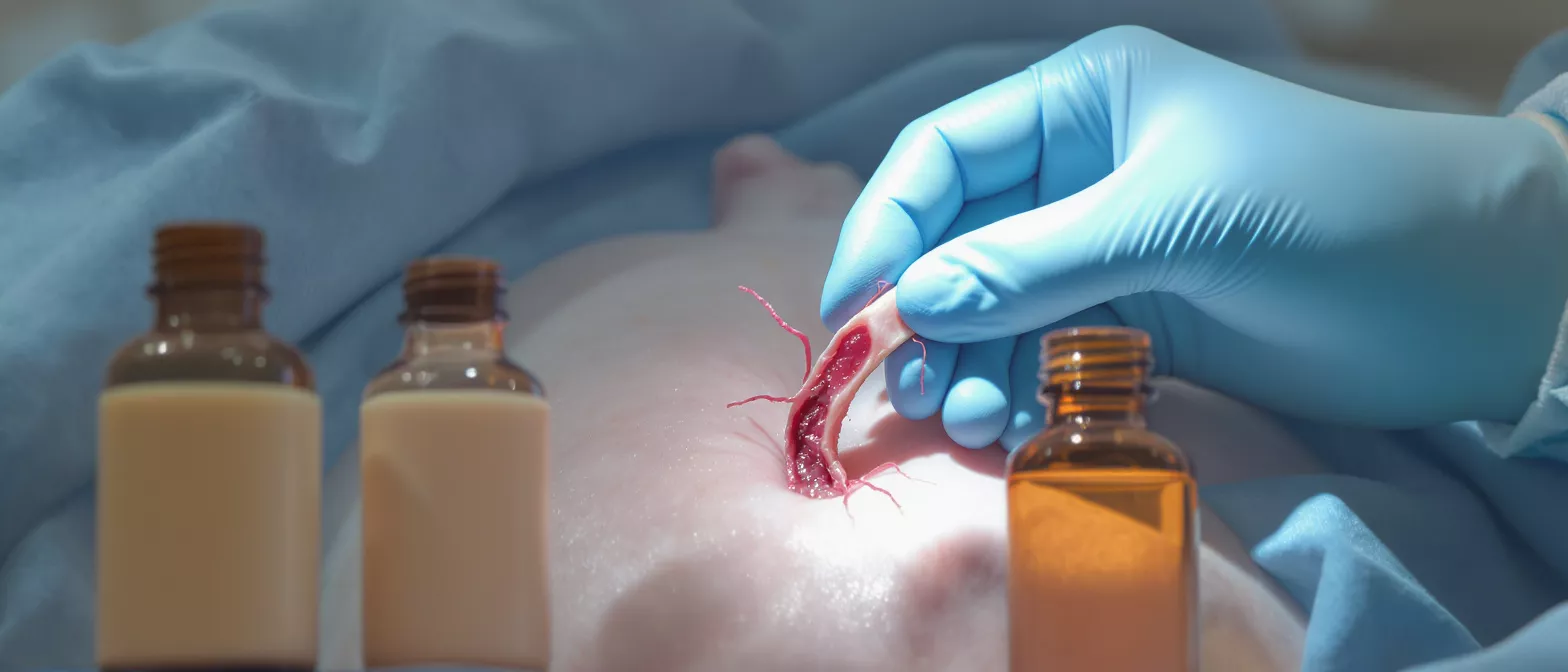
Gastroepiploic Artery
Learn how the gastroepiploic artery is used in coronary bypass surgery, including its anatomy, surgical techniques, graft patency, and long-term outcomes.
What is the gastroepiploic artery?
The gastroepiploic artery is a blood vessel that runs along the greater curvature of the stomach. In everyday life it supplies oxygen-rich blood to the stomach and the surrounding omental fat. For most people it works quietly in the background, but in cardiac surgery it becomes valuable as a bypass conduit when coronary arteries are diseased.
Why heart surgeons use a stomach vessel for the heart: When a patient needs coronary revascularization, the surgeon looks for healthy, durable arteries outside the chest to route blood around a blockage. The right gastroepiploic artery is long, has a calibre similar to a coronary vessel, and is remarkably resistant to atherosclerosis, which makes it an excellent secondary or tertiary graft in arterial bypass graft options.
Understanding this vessel helps patients and families see why a surgeon may choose a graft from the abdomen rather than relying only on leg veins or chest wall arteries. It also explains why a heart operation sometimes involves a small abdominal incision.
Gastroepiploic artery anatomy and origin
The gastroepiploic artery anatomy is best understood as two paired vessels, right and left, that meet along the stomach's greater curve. The right side arises from the gastroduodenal artery, while the left side comes from the splenic artery. Together they form an arch that mirrors the stomach's outer border.
Origin and course of the right gastroepiploic artery: It begins below the duodenum, passes behind the stomach, and then travels left along the greater curvature until it meets the left branch. Because of this predictable path, surgeons can mobilise a generous length for a gastroepiploic artery graft without disturbing stomach digestion.
Even though the vessel is named for the stomach, its structure is muscular and elastic, similar to an internal mammary artery. That structural similarity is one reason it performs well as a coronary conduit.
Right gastroepiploic artery vs left gastroepiploic artery
The right gastroepiploic artery is the branch most commonly harvested for cardiac surgery. It is larger, longer, and easier to free from surrounding tissue than its left counterpart, which makes it the preferred choice when a surgeon needs an additional arterial graft.
Differences in size, reach, and surgical use: The right vessel can be tunnelled up through the diaphragm to reach the heart's anterior or inferior surface. The left gastroepiploic artery is shorter and rarely used as a direct coronary graft, though it remains vital for maintaining stomach blood supply after the right side is repurposed.
Surgeons always confirm that the stomach will still receive adequate blood from the remaining left branch and short gastric vessels before taking the right side. This collateral network is the reason the stomach continues to function normally after minimally invasive arterial harvest.
What is the normal blood supply of the stomach?
The stomach has a rich, overlapping blood supply that comes from several branches of the celiac trunk. This redundancy means the organ can tolerate the loss of one vessel without starving for oxygen.
- Right and left gastroepiploic arteries: Supply the greater curvature and surrounding omentum.
- Right and left gastric arteries: Supply the lesser curvature along the stomach's inner border.
- Short gastric arteries: Branch from the splenic artery to supply the fundus at the very top of the stomach.
Because these vessels communicate with one another, taking the right gastroepiploic artery for a bypass does not leave the stomach undernourished. The body simply reroutes flow through the remaining network.
How gastroepiploic artery cardiac surgery works
Gastroepiploic artery cardiac surgery is a technique where the vessel is detached from the stomach and reattached to a blocked coronary artery on the heart's surface. Blood then flows from the aorta, through the graft, and into the heart muscle beyond the blockage.
How blood is rerouted from abdomen to heart: The surgeon carefully frees the artery from the greater curvature, divides it at its distal end, and pulls it upward through a small opening in the diaphragm. The graft is then sewn directly to the target coronary vessel during the bypass procedure.
Because the artery remains attached at its origin near the duodenum, it continues to receive blood from the aorta without needing a separate proximal connection. This single anastomosis at the heart is one of the reasons the procedure is technically efficient.
Gastroepiploic artery graft for coronary bypass
A gastroepiploic artery graft is usually chosen when a surgeon wants an all-arterial revascularisation strategy. Arteries last longer than vein grafts because their muscular walls resist both plaque buildup and late degeneration, which keeps the bypass open for more years.
Which coronary targets are best suited: The right gastroepiploic artery is an ideal length for reaching the posterior descending artery, the right coronary artery, and sometimes the inferior branches of the circumflex. This makes it a valuable alternative when the internal mammary arteries are already used on the front of the heart.
Choosing a second arterial graft conduit reflects a strategy focused on durability. Patients with complex multi-vessel disease often benefit from this approach because it lowers the chance of needing a coronary artery bypass revision later in life.
Gastroepiploic artery in CABG surgical technique
The use of the gastroepiploic artery in CABG requires a coordinated plan. The surgeon begins by making an abdominal incision to enter the peritoneal cavity and identify the vessel along the stomach's greater curvature. Precision is crucial to avoid damaging the surrounding omentum or short gastric vessels.
Once identified, the artery is mobilised with meticulous care. Surgeons use special instruments to free the vessel from surrounding fat and tissue, preserving the side branches until the optimal length is achieved. Preparing the graft length: The harvest must provide enough length to reach the heart without tension, but not so much that the vessel becomes redundant and prone to kinking.
- Step 1: Abdominal entry and visual identification of the right gastroepiploic artery.
- Step 2: Gentle skeletonisation and mobilisation along the greater curvature.
- Step 3: Tunneling through the diaphragm and precise anastomosis to the coronary target.
After the graft is attached, blood flow is restored and assessed with transit-time flow measurement to confirm that the new pathway is functioning properly before the chest and abdomen are closed.
Gastroepiploic artery patency and long-term flow
Gastroepiploic artery patency refers to how well the graft stays open over the months and years after surgery. Arterial grafts generally maintain better long-term flow than saphenous vein grafts, and the right gastroepiploic artery is known for its resistance to late narrowing.
What keeps the graft open over time: The artery's muscular wall adapts well to the higher pressures of the coronary circulation. This biological flexibility helps the graft maintain a wide lumen, which supports consistent blood delivery to the heart muscle.
Patients can support graft patency by controlling standard cardiovascular risk factors. Managing blood pressure, keeping cholesterol in a healthy range, and avoiding tobacco use all help keep both native vessels and the new bypass graft clear.
Are gastroepiploic artery grafts safe?
Gastroepiploic artery grafts are considered safe and are used routinely in specialised cardiac centres. The stomach tolerates the harvest well because of its robust collateral blood supply, and the abdominal incision typically heals alongside the chest incision without complications.
Abdominal healing and digestion after surgery: Most patients do not notice changes in digestion or stomach function after the procedure. The body reroutes blood through the left gastroepiploic and short gastric arteries, ensuring the stomach continues to receive the oxygen it needs.
As with any surgery, there are general risks such as bleeding or infection, but serious complications specific to this graft are uncommon. Your surgical team will discuss how this approach fits your overall risk profile during the consultation.
Key takeaways about the gastroepiploic artery
The gastroepiploic artery is a versatile vessel that serves the stomach in daily life and can serve the heart in coronary bypass surgery. Its predictable anatomy, durable muscular wall, and resistance to atherosclerosis make it a trusted secondary arterial graft for patients needing multi-vessel revascularisation.
By understanding the origin, course, and surgical application of this vessel, patients and families can approach surgery with greater confidence. Knowing why a surgeon chooses a particular conduit helps remove the mystery from the operating room and puts the focus back on long-term recovery.
Ultimately, the decision to use a gastroepiploic artery graft reflects a commitment to building a durable, long-lasting bypass. Combined with expert surgical technique and good postoperative care, this vessel helps many patients return to an active, heart-healthy life.






