

Gastroepiploic Artery Graft in Bypass Surgery
A gastroepiploic artery graft gives patients a durable arterial conduit for coronary bypass.
What Is a Gastroepiploic Artery Graft?
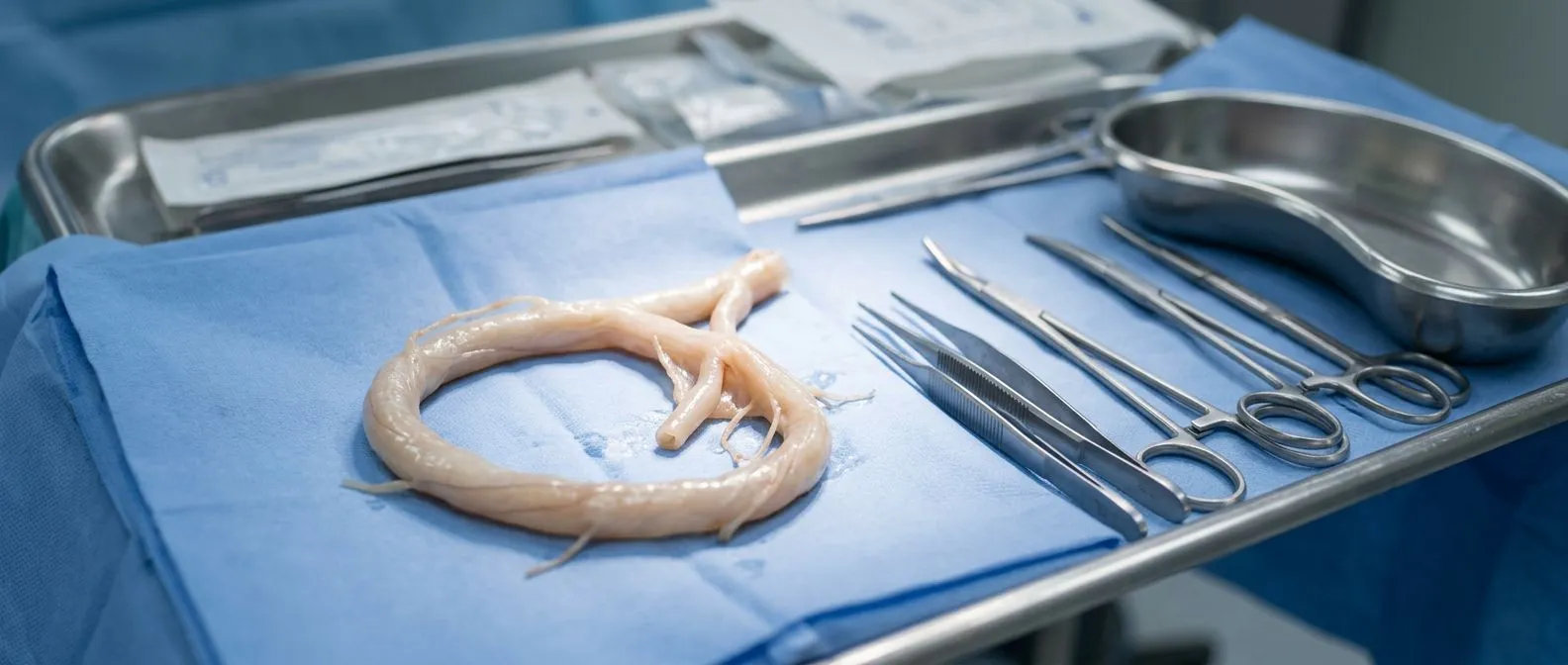
A gastroepiploic artery graft is a type of blood vessel used in coronary artery bypass surgery to reroute blood around a blocked section of the heart's own arteries. The right gastroepiploic artery, which normally supplies blood to the stomach and greater omentum, is repositioned and connected to a coronary vessel on the inferior surface of the heart. Because it remains attached at its origin — an approach surgeons call in situ — the graft continues to receive blood flow from its native source while its other end is sewn directly to the heart.
Why choose a stomach artery for the heart? Surgeons increasingly prefer arterial grafts over traditional saphenous vein grafts because arteries resist the long-term narrowing that veins tend to develop. The internal thoracic artery has long been the gold standard, but when multiple coronary vessels need bypassing, the surgeon needs additional arterial conduits. The right gastroepiploic artery offers a second or third arterial option, especially useful for reaching the posterior descending artery and other vessels on the heart's underside.
This technique is not new — it was first described in the 1980s and has been refined over decades. Patients facing complex or redo CABG (coronary artery bypass grafting) may benefit most, particularly when vein graft quality is poor or prior venous bypasses have failed. Understanding how this graft works, who it helps, and what recovery looks like can help you and your cardiac team decide whether it fits your situation.
How Gastroepiploic Artery Bypass Works
During surgery, the surgeon mobilizes — carefully frees — the right gastroepiploic artery from the greater curvature of the stomach while preserving its origin from the gastroduodenal artery. A small upper abdominal incision allows access to the abdomen, and the artery is then tunneled upward through the diaphragm into the chest cavity. The distal end is anastomosed, or surgically joined, to the target coronary artery on the inferior wall of the heart, creating a new pathway for oxygen-rich blood.
What happens to the stomach's blood supply? This is a common and understandable concern. The stomach receives blood from multiple arteries, including the left gastroepiploic, short gastric, and left gastric arteries. Redirecting the right gastroepiploic artery does not compromise stomach function or digestion. Surgeons have verified this through decades of clinical experience and imaging follow-up, as documented in cardiovascular literature from The BMJ and other major journals.
The graft is most often used as an in situ conduit, meaning it stays connected to its natural origin and only the far end is redirected to the heart. This preserves the artery's native endothelial lining, which produces substances that help keep the vessel open and resist the buildup of atheromatous plaque. Because the artery remains alive and functional, it adapts to the heart's demands over time, potentially widening to accommodate increased flow when needed.
Right Gastroepiploic Artery Graft Anatomy
The right gastroepiploic artery runs along the greater curvature of the stomach, originating from the gastroduodenal artery. It travels from right to left, anastomosing with the left gastroepiploic artery near the middle of the stomach's curve. This anatomical position makes it naturally suited for reaching the inferior and posterior surfaces of the heart, areas that can be difficult to access with other grafts.
How does the route reach the heart? After mobilization, the artery is passed through a surgically created opening in the diaphragm and routed either anteriorly (in front of the liver) or posteriorly (behind the liver) into the pericardial sac. The anterior route is more common and technically simpler. The surgeon then positions the graft alongside the target coronary artery, most commonly the posterior descending artery, and performs the anastomosis with fine sutures.
Understanding this anatomy helps patients grasp why the gastroepiploic artery graft is particularly effective for specific coronary territories. The posterior descending artery supplies the inferior wall of the left ventricle, a critical region for pumping function. When an atheromatous plaque blocks this vessel, the right gastroepiploic artery provides a natural-length, well-matched conduit that lies in close anatomical proximity to the target, reducing tension and kinking risk.
Arterial Graft vs Venous Graft Comparison
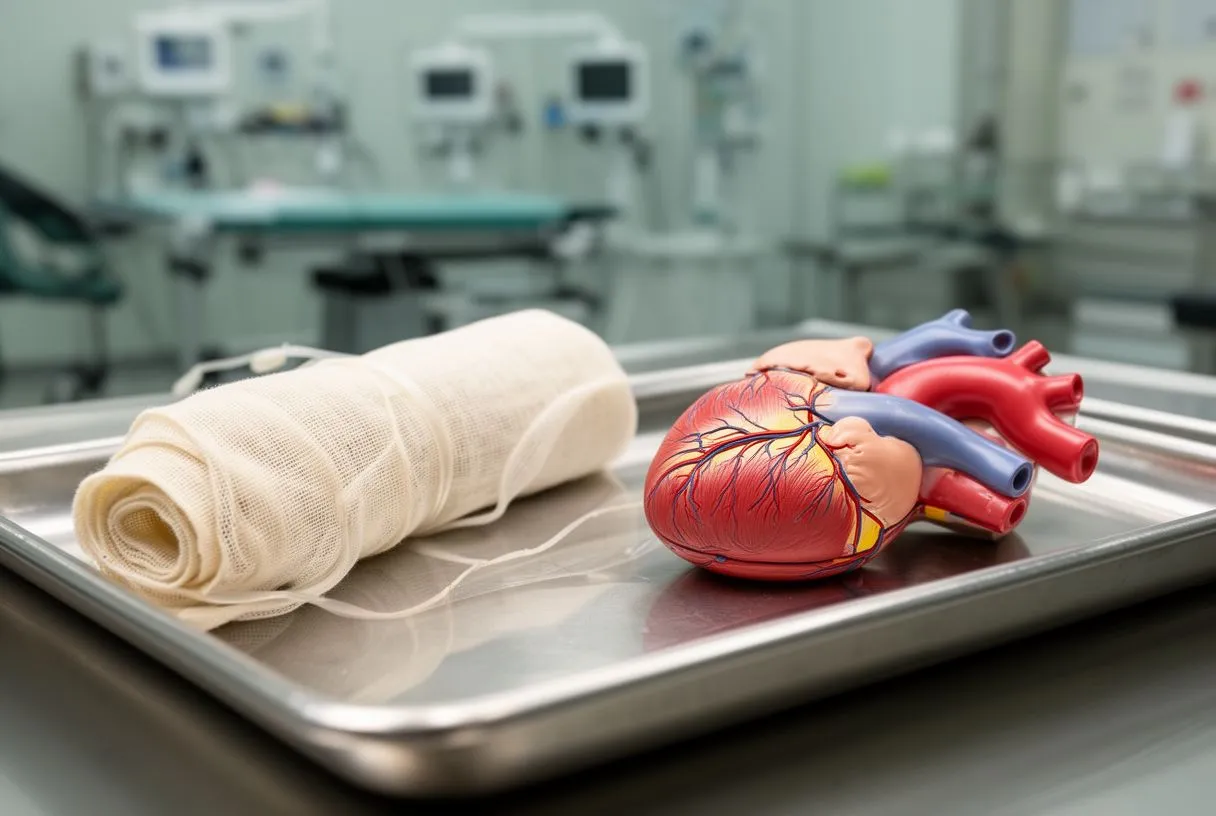
Vein grafts — simple but less durable. Saphenous vein grafts, harvested from the leg, have been used in bypass surgery for over fifty years. They are easy to obtain, available in long segments, and technically straightforward to implant. However, vein grafts are not designed to carry arterial pressure. Over years, they may develop intimal hyperplasia (thickening of the inner wall) and accelerated atherosclerosis, leading to progressive failure.
Arterial grafts — longer-lasting but more demanding. Arterial conduits like the internal thoracic artery, radial artery, and gastroepiploic artery graft resist the degenerative changes that plague veins. The internal thoracic artery has patency rates exceeding 90% at ten years, and the right gastroepiploic artery shows comparable durability in well-selected patients. The trade-off is technical complexity: harvesting and handling arteries requires meticulous surgical technique and specialized training.
- Internal thoracic artery: Gold standard, 90%+ patency at 10 years, anastomosed to the left anterior descending artery.
- Radial artery: Excellent for lateral and posterior vessels, requires careful preoperative circulation testing (Allen test) of the arm.
- Right gastroepiploic artery: Ideal for inferior wall targets, in situ use avoids proximal anastomosis, adds abdominal incision.
- Saphenous vein: Fastest to harvest, available in any length, but higher failure rate over 5–10 years.
The choice of conduit depends on the specific coronary anatomy, the patient's overall condition, and the surgeon's experience with arterial revascularization. Many cardiac surgeons now favor total arterial revascularization — using only arterial grafts — for suitable candidates, reserving vein grafts for situations where arterial conduits are unavailable or unsuitable.
Gastroepiploic Artery Patency and Long-Term Results
Graft patency — the percentage of grafts that remain open and functional over time — is the single most important metric in bypass surgery. When a graft closes, the patient may experience recurrence of symptoms, require repeat procedures, or face worsening heart function. The gastroepiploic artery graft has demonstrated favorable patency rates in clinical series, with several studies reporting patency above 80% at five years and remaining functional at ten years and beyond.
What factors affect graft survival? Several variables influence whether the gastroepiploic artery graft stays open. The target vessel's quality matters: grafts anastomosed to severely diseased or small coronary arteries face higher failure risk. The patient's metabolic profile — including diabetes, lipid levels, and smoking status — also plays a role. Patients with elevated Apolipoprotein B levels, for example, may have more aggressive atherosclerosis that can affect both native vessels and grafts over time. Postoperative management with medications such as Aspirin and statins is essential to protect graft patency.
Long-term survival after arterial revascularization using the gastroepiploic artery appears favorable when compared with vein graft strategies, particularly in patients who require redo operations or who have no suitable vein conduits. The published data support its use as a reliable second or third arterial graft, though long-term comparative trials remain limited. Your cardiac team can discuss whether the evidence applies to your specific coronary anatomy and risk profile.
Who Needs Gastroepiploic Coronary Bypass?
Not every bypass patient needs a gastroepiploic artery graft. This conduit is typically reserved for specific clinical scenarios where its advantages outweigh the additional surgical complexity. The most common indication is the need to bypass the posterior descending artery or other inferior-wall coronary vessels, especially when the surgeon aims for total arterial revascularization and the internal thoracic and radial arteries are already committed to other targets.
Redo CABG and complex cases. Patients facing a second or third bypass operation often have existing vein grafts that have narrowed or closed. In these redo procedures, available venous conduits may be scarce or of poor quality, and the surgeon may have already used the internal thoracic arteries in the prior operation. The right gastroepiploic artery, which has not been touched in previous cardiac surgeries, becomes a valuable alternative. Surgical approaches to chest wall and abdominal anatomy for redo procedures require careful planning, as described in clinical literature on thoracoabdominal surgical techniques, including the work published by Pectus excavatum: abordagem terapêutica.
Patients with severe peripheral vascular disease or prior vein stripping may also lack suitable leg veins, making arterial conduits the only viable option. Additionally, younger patients — those in their forties or fifties — may benefit from the longer durability of arterial grafts, since they will live long enough for vein graft failure to become a significant problem. Your surgeon evaluates the overall picture: coronary anatomy, available conduits, age, comorbidities, and the expected benefit of total arterial revascularization.
Minimally Invasive Coronary Bypass With Gastroepiploic Artery
Traditional bypass surgery uses a full sternotomy — a vertical incision through the breastbone — to access the heart. Minimally invasive approaches use smaller incisions and specialized instruments to achieve the same surgical goals with potentially less trauma to the chest wall. The gastroepiploic artery graft can be used in some minimally invasive coronary bypass procedures, particularly when combined with the internal thoracic artery through a small left thoracotomy.
What does minimally invasive mean for recovery? Smaller incisions may translate to less postoperative pain, shorter hospital stays, and faster return to normal activities. However, minimally invasive bypass is not suitable for everyone. Patients with multivessel disease, poor lung function, or complex anatomy may still require a conventional approach. The surgeon's experience with these techniques is critical — the learning curve is steep, and not all cardiac centers offer minimally invasive arterial grafting with the gastroepiploic artery.
It is important to understand that minimally invasive does not mean risk-free or faster in every case. The heart-lung machine may still be needed, and complications such as bleeding, infection, or graft problems can occur regardless of incision size. What matters most is matching the surgical strategy to your anatomy and overall health, not simply choosing the smallest incision available. A candid discussion with your cardiac team about whether minimally invasive bypass with an arterial graft is appropriate for you is essential.
Off-Pump Gastroepiploic Graft Technique
Off-pump bypass surgery, also called beating-heart surgery, allows the surgeon to perform grafting without stopping the heart or using the cardiopulmonary bypass machine. Instead, specialized stabilizing devices hold the targeted section of the heart still while the surgeon sews the graft in place. The gastroepiploic artery graft is well suited to off-pump techniques because it targets the inferior wall of the heart, which is generally accessible without excessive cardiac manipulation.
Does off-pump surgery reduce complications? Avoiding the heart-lung machine may reduce certain risks, including inflammation, blood transfusion needs, and neurological complications associated with bypass circuits. Some surgeons use autologous blood — the patient's own blood — for any necessary transfusion to further reduce risks. However, off-pump surgery is technically more demanding, and not all grafts can be performed safely on a beating heart. The decision depends on the surgeon's expertise and the specific coronary anatomy.
For the gastroepiploic artery graft specifically, off-pump techniques can be advantageous because the inferior wall targets are often well-exposed through a small incision in the diaphragm, and the graft can be positioned without needing to rotate or lift the heart extensively. This anatomical advantage is one reason the gastroepiploic artery remains a useful conduit in off-pump arterial revascularization programs. If you are considering off-pump surgery, ask your surgeon about their experience and outcomes with this approach.
Recovery After Gastroepiploic Artery Graft Surgery
Recovery from bypass surgery that includes a gastroepiploic artery graft follows the general timeline of conventional CABG, with an additional consideration: the abdominal incision. Patients typically spend one to two days in the intensive care unit followed by three to five days in a regular hospital room. The abdominal incision heals alongside the chest incision and usually does not cause significant additional discomfort, though patients may notice mild soreness when coughing or moving.
What to expect in the first weeks. After discharge, you will gradually resume light activities over four to six weeks. Walking is encouraged from the first day after surgery. Strenuous lifting, driving, and heavy household tasks should wait until your surgeon clears you, typically around six weeks. Medications play a central role in protecting your grafts: antiplatelet therapy (commonly Aspirin, and sometimes a second agent as studied in trials like ARISTOTLE), statins, beta-blockers, and other cardiac medications must be taken exactly as prescribed. Patients should also be aware that thromboembolic events, though uncommon, can occur after major surgery — understanding risk factors is important, as illustrated by cases such as those documented in Recurrent Venous Thromboembolism as the Initial Clinical Presentation of Gastric Cancer: A Case Report.
- ICU stay: 1–2 days with continuous cardiac monitoring and chest tubes draining excess fluid.
- Medications: Antiplatelets, statins, and beta-blockers are essential for graft protection — never stop without consulting your team.
- Walking: Begin on day one or two, gradually increasing distance each week.
- Warning signs: Fever, increasing chest or arm pain, wound redness, or shortness of breath require immediate medical attention.
Cardiac rehabilitation is strongly recommended for all bypass patients. A structured program — typically starting four to six weeks after surgery — combines supervised exercise, education on heart-healthy living, and psychological support. For international patients traveling to Mexico for surgery, coordinating follow-up care with your local cardiologist is essential. Your surgical team should provide a complete operative report and discharge summary that your home physician can use to guide long-term management.

Are Gastroepiploic Artery Grafts Safe?
Safety is the first question every patient and family asks. The gastroepiploic artery graft has been used safely in cardiac surgery for decades, and published clinical series report complication rates comparable to other arterial grafts when performed by experienced surgeons. The key safety considerations include the additional abdominal incision, the technical demands of mobilizing the artery, and the need for precise anastomosis to the target coronary vessel.
What are the specific risks? Potential complications include bleeding from the abdominal harvest site, diaphragmatic hernia at the tunneling site, and graft spasm — a temporary narrowing of the artery that can reduce blood flow. These events are uncommon and typically manageable. More general risks of bypass surgery — including infection, stroke, kidney injury, and atrial arrhythmias such as atrial flutter — apply regardless of graft type. Your surgical risk can be estimated using validated scoring systems such as EuroSCORE II, which accounts for age, comorbidities, and the planned procedure.
The most important factor in safety is the surgical team's experience. Arterial grafting, particularly with less common conduits like the gastroepiploic artery, requires specialized training and regular practice. Not every cardiac surgeon routinely uses this graft, and that is perfectly acceptable — what matters is that your surgeon is honest about their experience and outcomes. If a gastroepiploic artery graft is recommended, ask how many they perform per year and what their patency results look like. A qualified cardiac team will welcome these questions and give you straightforward answers.
Ultimately, the decision to use a gastroepiploic artery graft should be made collaboratively. You and your surgeon should discuss your coronary anatomy, your overall health, the expected benefits of arterial revascularization, and the specific risks of adding an abdominal incision. No single graft type is universally best — the goal is finding the lowest-risk option for your individual situation. If you or a loved one is facing bypass surgery and wondering whether a gastroepiploic artery graft might be appropriate, we encourage you to book a consultation with our cardiac team to review your case in detail rather than relying on general information alone.






