

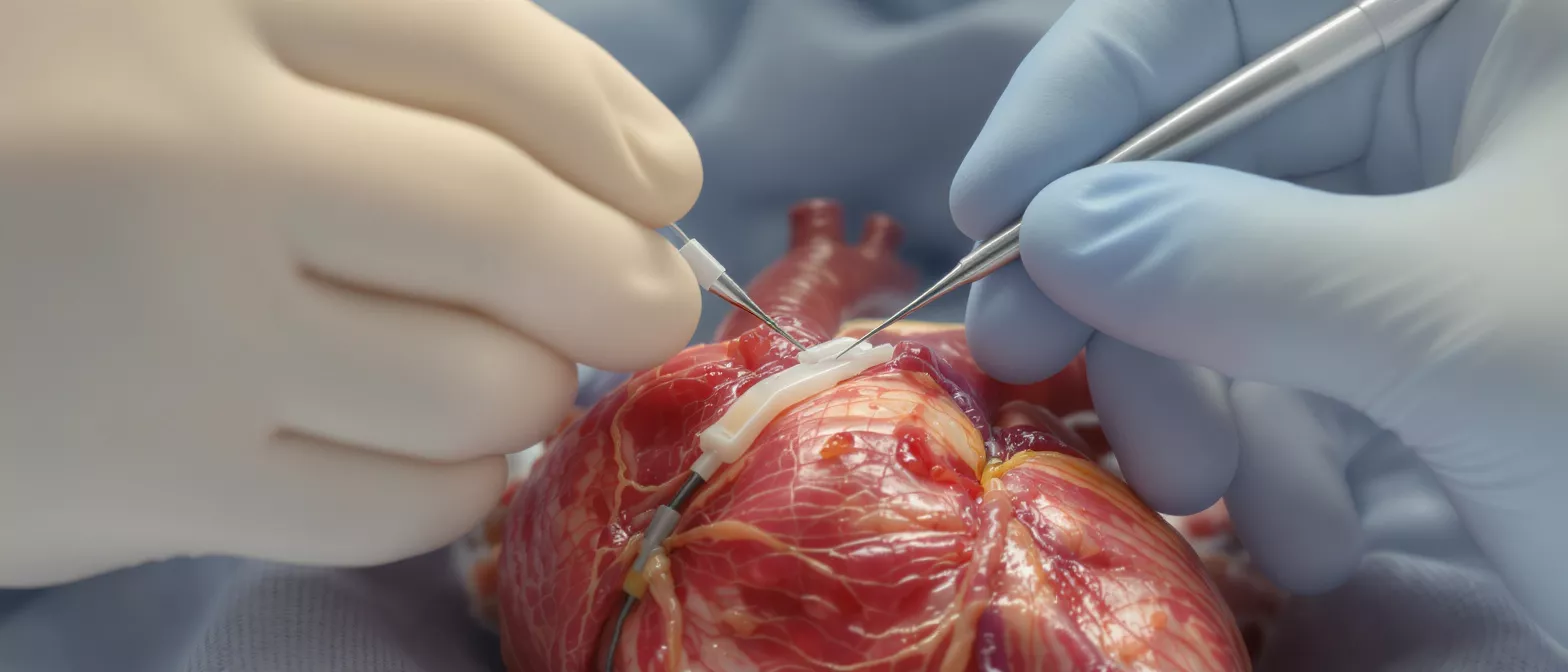
Beating-heart Surgery
Learn how beating-heart surgery works without stopping your heart, plus its benefits, risks, and off-pump bypass recovery.
What is beating-heart surgery?
Beating-heart surgery, also known as off-pump coronary artery bypass (OPCAB), is a highly advanced surgical technique that allows cardiovascular surgeons to operate on a beating heart. Unlike traditional bypass surgery, where the heart is temporarily stopped and a machine takes over the circulation of blood, this approach keeps the heart beating naturally throughout the procedure. For patients facing coronary artery disease, this method represents a significant evolution in surgical care.
By avoiding the use of a blood circulation support machine, the surgical team can perform necessary bypasses while the heart continues to pump blood to the brain and vital organs. This technique requires exceptional precision and specialized tools that stabilize specific areas of the heart, allowing the surgeon to work on a small, motionless section even as the rest of the organ beats.
Understanding this option helps alleviate the anxiety many families feel when exploring cardiac interventions. The heart-lung machine has saved countless lives, but beating-heart surgery offers an alternative that mimics the body's natural state more closely during the operation.
How does off-pump surgery work?
The procedure begins similarly to traditional bypass surgery, with the surgeon accessing the heart through a chest incision. However, instead of stopping the heart, the surgical team uses specialized stabilization devices. These tools gently hold a small portion of the heart muscle still, creating a virtually motionless field for the surgeon to precisely attach the new, healthy blood vessels.
Because the heart continues to beat, the body maintains its own natural blood flow. The new pathways are constructed around the blocked arteries, restoring vital oxygen-rich blood to the heart muscle. This uninterrupted circulation is what distinguishes off-pump surgery from traditional methods.
Patients and families often wonder how a surgeon can sew tiny blood vessels on a moving target. The combination of expert training, advanced surgical instruments, and pharmacological management allows the team to slow the heart rate slightly and control its movement, ensuring the highest level of surgical accuracy and patient safety.
Beating-heart surgery benefits
The primary advantage of this technique is the avoidance of the heart-lung machine, which reduces the physical stress placed on the body during surgery. By keeping the blood circulating naturally, patients often experience fewer complications related to inflammation and blood clotting. This can lead to a smoother recovery process overall.
Additionally, beating-heart surgery is associated with a lower need for blood transfusions during the operation. For patients who prefer to minimize blood exposure or have specific medical concerns, this is a highly reassuring benefit. The natural preservation of blood also supports faster healing and better postoperative energy levels.
Beyond the immediate surgical window, avoiding the bypass machine often translates to a shorter hospital stay. Patients can typically return to their daily routines more quickly, experiencing less confusion or neurological side effects that are sometimes linked to traditional on-pump procedures.
- Reduced systemic inflammation: The body avoids the artificial circulation circuit, minimizing immune system stress.
- Lower transfusion rates: Natural blood flow preserves existing blood volume, reducing the need for donor blood.
- Faster hospital discharge: Patients often recover more quickly, allowing for an earlier return home.
Off-pump vs on-pump surgery
The main difference between these two approaches lies in how blood circulation is managed during the operation. On-pump surgery uses a machine to temporarily take over the work of the heart and lungs, providing a completely still surgical field. Off-pump surgery, conversely, keeps the heart beating and relies on the body's natural circulation.
Both techniques are highly effective and safe, but they serve different patient needs. On-pump surgery is sometimes preferred for very complex cases requiring multiple bypasses or intricate repairs, as the still heart provides ultimate surgical precision. Off-pump surgery is often chosen for patients who have a higher risk of complications from the heart-lung machine.
Surgeons evaluate several factors when deciding between the two, including the location of the blockages, the patient's overall health, and specific risk factors. The goal is always to provide the safest, most effective treatment tailored to the individual's unique cardiovascular anatomy.
Who is a candidate for OPCAB?
Not every patient requiring heart surgery is an ideal candidate for the off-pump technique. Surgeons typically recommend this approach for individuals who have a higher risk of complications from the heart-lung machine. This often includes older patients or those with severe lung disease, kidney problems, or a history of stroke.
Patients with diabetes or vascular disease may also benefit significantly from avoiding the bypass machine. Because their blood vessels may be more fragile or prone to inflammation, the gentler approach of beating-heart surgery can protect their overall health during the procedure.
The final decision depends on a thorough evaluation by the surgical team. Surgeons assess the specific arteries that need bypassing, the overall function of the heart muscle, and the patient's medical history to ensure the off-pump approach is the safest choice.
Beating-heart surgery risks
While beating-heart surgery is highly advanced, it carries the standard risks associated with any major cardiac procedure. These include the risk of bleeding, infection, or adverse reactions to anesthesia. However, the surgical team takes extensive precautions to minimize these risks and ensure patient safety throughout the operation.
There are specific risks related to operating on a beating heart, such as the potential need to convert to an on-pump procedure if the heart becomes unstable. This is rare but represents a necessary safety measure to ensure the operation is completed successfully without compromising the patient's health.
Surgeons carefully monitor the heart's function during the procedure to prevent any disruption to blood flow. The use of specialized stabilization devices ensures the grafts are placed with extreme precision, reducing the risk of complications and ensuring the new pathways function properly.
Off-pump bypass recovery
Recovery from beating-heart surgery often follows a slightly faster trajectory than traditional on-pump procedures. Because the body does not have to recover from the effects of the heart-lung machine, patients typically experience less fatigue and systemic inflammation in the days following the operation.
Most patients spend a brief period in the intensive care unit for close monitoring before transferring to a standard hospital room. The medical team encourages early mobilization, such as sitting up or walking short distances, to promote blood flow and prevent complications.
Full recovery still requires time, patience, and a commitment to a heart-healthy lifestyle. Patients are guided through a structured rehabilitation program designed to safely rebuild their strength and stamina under professional supervision.
Minimally invasive beating-heart surgery
In some cases, surgeons can combine the off-pump technique with a minimally invasive approach. This means performing the bypass through smaller incisions rather than a full chest opening. This combination further reduces trauma to the body, leading to less pain and an even quicker recovery.
This advanced method is not suitable for everyone, as it requires a very specific heart anatomy and blockage locations. When it is an option, it provides a highly effective way to restore blood flow while preserving the integrity of the chest wall and minimizing visible scarring.
Patients interested in minimally invasive options should discuss this thoroughly with their surgeon. The medical team will perform detailed imaging tests to determine if the blockages are accessible through smaller incisions and if the patient is a good candidate for this specialized technique.
Life after beating-heart bypass surgery
After recovery, the focus shifts to maintaining the health of the newly bypassed arteries and preventing future blockages. The surgery restores blood flow, but it does not cure the underlying coronary artery disease. Long-term success depends heavily on lifestyle modifications and medical management.
Patients are advised to adopt a heart-healthy diet, engage in regular cardiovascular exercise, and avoid smoking. Attending regular follow-up appointments is crucial to monitor the heart's function and the patency of the grafts.
- Heart-healthy nutrition: A balanced diet low in saturated fats supports long-term graft patency.
- Regular cardiovascular exercise: Guided physical activity helps rebuild stamina safely.
- Smoking cessation: Avoiding tobacco is critical to preventing future arterial blockages.
With proper care, many individuals return to a full and active life. The goal of the procedure is not just to extend life, but to improve its quality, allowing patients to return to their favorite activities without the burden of chest pain or shortness of breath.
Conclusion: understanding cardiac surgery without stopping heart
Beating-heart surgery represents a significant advancement in cardiovascular care, offering a highly effective alternative to traditional bypass procedures. By allowing the heart to beat naturally during the operation, this technique reduces stress on the body and can lead to a smoother, faster recovery for carefully selected patients.
For those facing coronary artery disease, understanding the difference between off-pump and on-pump surgery provides comfort and clarity during a challenging time. It is reassuring to know that modern surgical techniques are designed to work in harmony with the body's natural functions.
Ultimately, the choice of surgical approach depends on a highly personalized evaluation by an experienced medical team. Patients can feel confident knowing that whether their surgery is performed on a beating or stopped heart, the priority remains their safety, recovery, and long-term heart health.






