

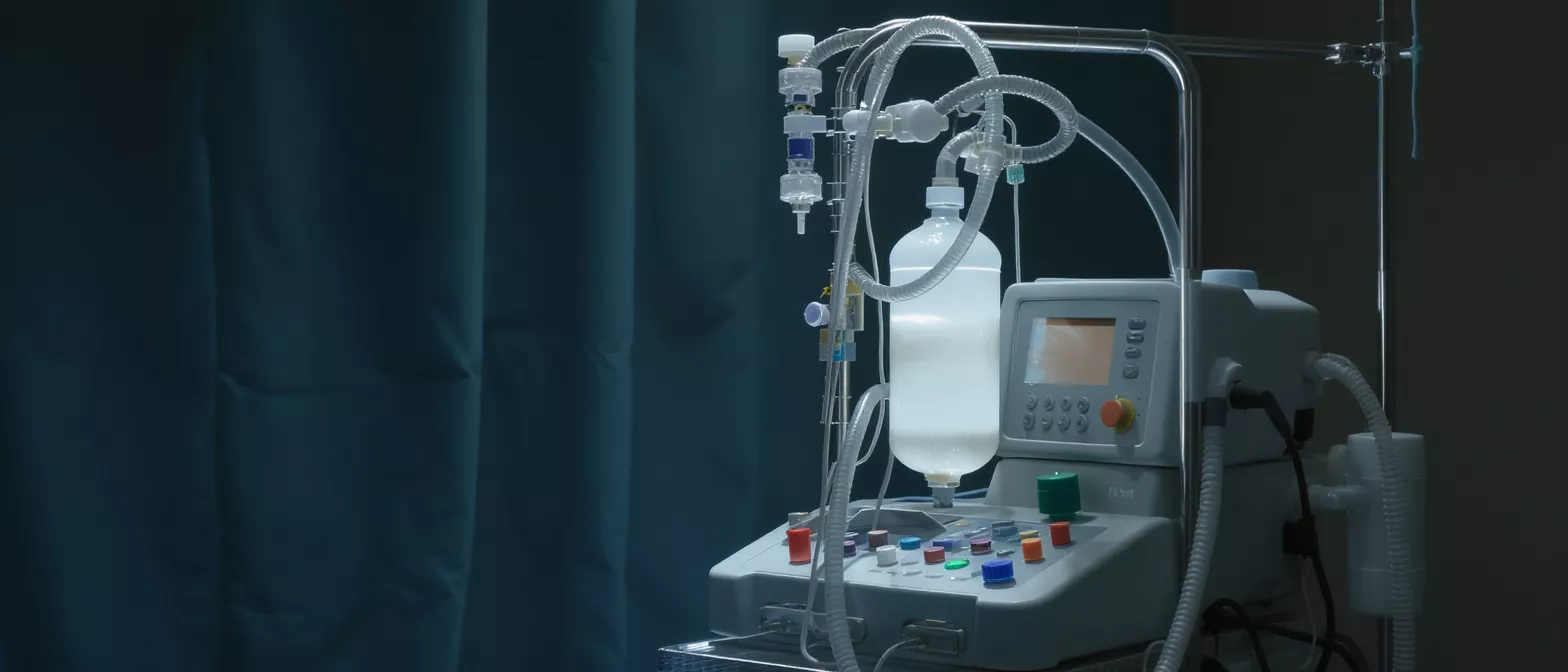
Heart-lung Machine
Discover how a heart-lung machine supports cardiac surgery by replacing heart and lung function.
What is a heart-lung machine?
Understanding extracorporeal circulation: The heart-lung machine is a specialized piece of cardiac surgery equipment that temporarily takes over the function of both the heart and the lungs. Also known as a cardiopulmonary bypass machine, this device allows a surgical team to stop the heart safely. By doing so, it creates a still and bloodless operating field, which is essential for delicate procedures such as valve repairs or coronary artery bypass grafting.
Why this matters to you: Hearing that your heart will be stopped can be an alarming thought for any patient or family member. However, the heart-lung machine is precisely what makes modern open-heart surgery possible and safe. While the device manages your circulation, your heart remains protected, receiving the rest it needs so the surgeon can perform precise, life-saving repairs. Understanding its role can help reduce anxiety before a procedure.
The concept of a machine temporarily replacing natural organ function represents one of the greatest milestones in medical history. Instead of the heart pumping blood and the lungs oxygenating it, the machine manages these tasks seamlessly outside the body. This process ensures that your brain and other vital organs continue to receive a steady supply of oxygen-rich blood throughout the operation.
How does a heart-lung machine work?
The basic mechanics of cardiopulmonary bypass: The heart-lung machine function relies on a continuous, carefully monitored loop. First, small tubes called cannulas are placed into the major blood vessels near the heart. These tubes gently drain deoxygenated blood away from the body before it reaches the right side of the heart, redirecting it into the machine.
How blood is oxygenated and returned: Once the blood enters the machine, it passes through an artificial lung known as an oxygenator. Here, carbon dioxide is removed, and fresh oxygen is added. The blood is then filtered to remove any tiny air bubbles or debris. A specialized pump pushes this newly oxygenated, bright red blood back into the body through a return cannula, ensuring continuous circulation.
Throughout this process, the machine also carefully manages body temperature. The blood is often cooled slightly to reduce the metabolic rate of the body's tissues. This protective cooling decreases the amount of oxygen the organs require while they are on bypass, adding an extra layer of safety during the surgical repair.
Key components of a heart-lung machine
The main pump: At the core of the perfusion machine is the pump, which acts as an artificial heart. Modern machines typically use centrifugal pumps, which use magnetic force to spin and propel the blood forward. This design is incredibly gentle, minimizing any physical trauma to the delicate blood cells as they circulate through the system.
The oxygenator: The oxygenator serves as the artificial lung within the system. It is designed to mimic the gas exchange that happens in the alveoli of human lungs. As blood passes across a specialized membrane, oxygen diffuses into the blood while carbon dioxide diffuses out, maintaining the precise chemical balance required for cellular survival.
Other essential components include the heat exchanger, which controls the temperature of the blood, and the arterial line filter, which acts as a final safety net to catch any microemboli before the blood returns to the patient. A skilled professional monitors these interconnected systems continuously to ensure perfect synchronization with the patient's physiological needs.
Why is the heart-lung machine necessary for cardiac surgery?
Creating a motionless surgical field: The human heart beats roughly 100,000 times a day, moving constantly. Operating on a beating heart is incredibly difficult and dangerous for complex repairs. The heart-lung machine allows surgeons to stop the heart safely, providing a completely still and clear environment to perform intricate suturing and tissue reconstruction.
Protecting the heart muscle: When the heart is stopped, it requires a special solution called cardioplegia to keep the muscle relaxed and protected. This solution is delivered directly to the heart tissue. By taking over the workload of circulating blood to the rest of the body, the machine gives the surgeon the time needed to perform precise repairs without rushing, greatly improving surgical outcomes.
This bypass machine surgery technique is what allows surgeons to perform multiple bypasses, repair congenital defects, or replace severely damaged valves with mechanical or biological tissue replacements. Without this technology, many of the life-saving cardiac procedures performed today would simply not be possible.
Extracorporeal circulation and patient safety
Rigorous monitoring protocols: Extracorporeal circulation is heavily regulated by strict safety protocols. While a patient is connected to the machine, their blood pressure, oxygen levels, and flow rates are tracked second by second. Advanced sensors built into the equipment immediately alert the surgical team to any minor changes, allowing for instant adjustments.
The role of the perfusionist: The machine is never left to run on its own. A specialized medical professional called a clinical perfusionist operates the equipment throughout the entire surgery. They act as the guardian of the patient's circulatory system, managing the machine's settings in real-time and communicating closely with the surgeon and anesthesiologist.
Safety mechanisms are redundantly built into every aspect of the system. From backup power supplies to hand-cranking options in the rare event of a mechanical failure, the operating room is prepared for every contingency. This multi-layered approach to safety ensures the patient remains stable and protected from the moment bypass begins until the heart naturally resumes beating.
What happens when you are connected to a bypass machine?
Before the bypass begins: After you are under general anesthesia, the surgeon makes the necessary incisions to access the heart and major blood vessels. The cannulas are carefully secured in place. Once everything is connected and tested, the perfusionist gradually turns on the pump, smoothly taking over the job of circulating blood from your heart and lungs to the machine.
During the bypass procedure: Once the heart-lung machine is fully functioning, the heart is stopped. You will not feel anything, as you are deeply anesthetized. The machine quietly hums in the background, sustaining your life. The surgical team proceeds with the necessary repairs, whether that means grafting a new artery, repairing a valve, or clearing blockages.
- Blood diversion: Blood is gently redirected from the right side of the heart into the machine.
- Temperature control: Your body temperature is carefully managed to protect your organs.
- Heart rest: The heart is stopped and protected to allow the surgeon to operate on a still surface.
This orchestrated process allows the surgical team to work with ultimate precision while ensuring your brain and body receive the oxygen they need.
Risks and complications of heart-lung bypass
Understanding potential complications: While the heart-lung machine is a marvel of modern medicine, any major medical intervention carries some risk. Heart-lung machine complications are relatively rare, but they can include adverse reactions to the materials used in the circuit, minor blood clotting issues, or temporary inflammation as the body responds to the bypass process.
Neurological and systemic risks: In some cases, patients may experience temporary confusion, memory issues, or cognitive fog after surgery. This is often referred to as pump head syndrome and typically resolves on its own within a few weeks. There is also a small risk of stroke, as manipulating the heart and aorta can occasionally release tiny particles into the bloodstream.
It is important to remember that the surgical team weighs these risks against the necessity of the operation. The benefits of repairing a failing heart valve or bypassing a severely blocked artery almost always outweigh the risks associated with being on the machine. Thorough preoperative evaluations help ensure each patient is a safe candidate.
Perfusion technology and the perfusionist team
The evolution of perfusion: Perfusion technology has advanced dramatically over the decades. Early machines were bulky and sometimes damaged blood cells, but modern devices are highly sophisticated and biocompatible. The surfaces of the tubes and pumps are treated with special coatings that mimic the natural inner lining of blood vessels, preventing clots and reducing inflammation.
A highly trained specialist: The perfusionist is a vital member of the cardiac surgical team. They undergo years of specialized training in cardiovascular physiology and equipment management. Their expertise ensures that the heart-lung machine function is tailored specifically to the unique physiological needs of the patient on the table.
During the operation, the perfusionist adjusts the flow rate to match the patient's metabolic demands, administers medications directly into the circuit, and monitors blood gases. They remain at the machine controls from the moment bypass begins until the heart is fully weaned off the device, making them the ultimate safeguard of circulatory support.
ECMO vs heart-lung machine differences
Defining ECMO: When comparing ECMO vs heart-lung machine, it is helpful to understand that ECMO stands for Extracorporeal Membrane Oxygenation. While it uses similar technology, ECMO is typically used for critically ill patients outside of the operating room to support heart and lung function for days or even weeks while the organs recover from severe illness or injury.
Primary use cases and duration: The heart-lung machine is designed for short-term use, strictly during the hours a patient is in the operating room. ECMO is a prolonged therapy often used in intensive care units for patients suffering from massive lung failure, severe heart failure, or as a bridge to a heart transplant. Both systems oxygenate blood, but their application context is completely different.
Patients preparing for elective cardiac surgery will almost exclusively encounter the standard heart-lung machine. ECMO is a life-saving rescue therapy, whereas the bypass machine is a planned, controlled surgical tool. Knowing the difference can clarify the nature of your upcoming procedure and the specific equipment involved.
Recovery and life after cardiopulmonary bypass
The immediate recovery phase: After the cardiopulmonary bypass procedure is complete and the heart is beating strongly on its own, the cannulas are removed. Patients are transferred to the intensive care unit for close monitoring. The first 24 hours are dedicated to ensuring hemodynamic stability, managing pain, and watching for any early signs of complications.
- ICU monitoring: Close observation ensures your heart and lungs are functioning independently.
- Rest and healing: The body needs time to recover from the physical stress of major surgery and bypass.
- Cardiac rehabilitation: Guided exercise and lifestyle education help rebuild strength safely.
Full recovery takes time, and it is completely normal to feel fatigued for several weeks. By following your surgeon's guidelines and attending cardiac rehabilitation, you can gradually return to your daily routine with a healthier, repaired heart. Understanding the role of the heart-lung machine helps demystify the surgical process, allowing you to focus on healing with confidence. To aid in long-term circulation, some patients explore cardiovascular wellness devices as part of a broader rehab plan, while others invest in home blood pressure monitors to track their progress safely.






