

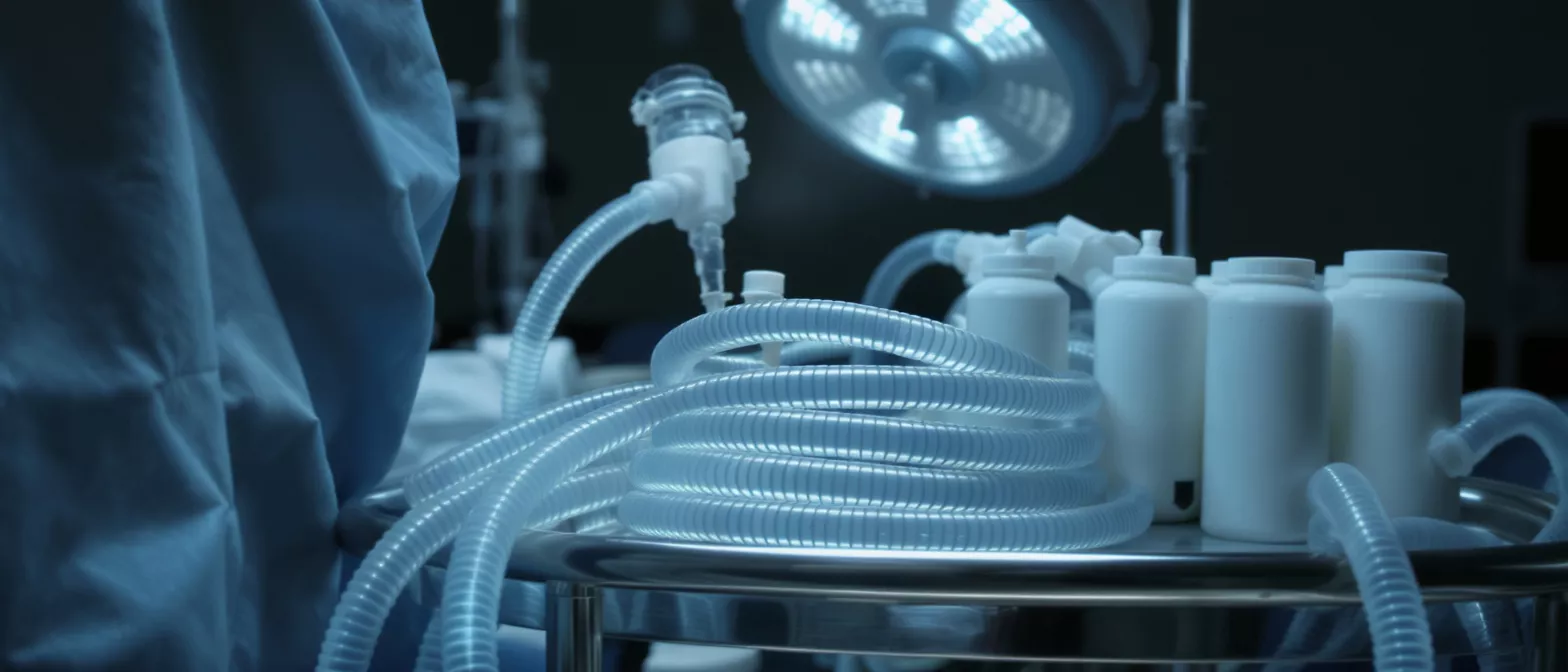
Extracorporeal Circulation
Extracorporeal circulation takes over heart and lung function during cardiac surgery.
What is extracorporeal circulation?
Extracorporeal circulation definition: Extracorporeal circulation is a medical technique that temporarily takes over the function of the heart and lungs during major surgical procedures. The term "extracorporeal" literally means "outside the body." By diverting blood away from the natural circulatory system, this technology oxygenates the blood and pumps it back to the patient, ensuring that vital organs continue to receive the oxygen and nutrients they need to survive while the surgical team operates on a still, bloodless heart.
When a patient and their family first hear the phrase "heart-lung machine," it is entirely normal to feel a wave of anxiety. The concept of blood being routed outside the body sounds daunting. However, this technology has been safely refined over many decades. It is the cornerstone of modern cardiac surgery, allowing surgeons to perform delicate, life-saving repairs on the heart that would otherwise be physically impossible if the heart were actively beating and full of blood.
Why this technology matters to you: For a frightened patient or family member preparing for open-heart surgery, understanding this process transforms fear into confidence. Knowing that a dedicated specialist is maintaining the body's entire circulatory function allows you to focus entirely on recovery rather than worrying about how the body survives while the heart is being repaired.
How does the heart lung machine work?
The heart lung machine function relies on a carefully coordinated system of tubes, pumps, and filters. During surgery, thin tubes called cannulas are gently inserted into the patient's major blood vessels. Blood is drained from the body through these tubes before it reaches the heart, ensuring the surgical field remains perfectly clear and still for the surgeon.
The oxygenator component: Once the blood enters the machine, it flows into an oxygenator. This vital component acts as an artificial lung. It removes carbon dioxide from the blood and infuses it with fresh oxygen. The newly oxygenated blood is then carefully filtered and slightly cooled to reduce the body's metabolic demands, protecting the brain and other tissues during the operation.
After the blood is oxygenated and cooled, a specialized pump pushes it back into the patient's arterial system through a return tube. This mechanical pumping action completely replaces the heart's natural pumping rhythm. The machine maintains a continuous, highly controlled flow of blood, effectively sustaining life while the heart is intentionally stopped. For cardiac-surgery patient-education, understanding this simplified mechanism helps alleviate the fear of the unknown.
Why is extracorporeal circulation necessary for cardiac surgery?
Creating a still surgical field: The human heart is a highly dynamic, constantly moving organ that pumps significant volumes of blood under high pressure. Operating directly on a beating heart is akin to trying to repair a running engine. Extracorporeal circulation allows the surgical team to safely stop the heart, providing the motionless, bloodless environment required for precise surgical repairs, such as bypassing blocked arteries or replacing damaged heart valves.
Without this technology, the heart would continue to bleed profusely and move violently, making intricate repairs incredibly dangerous and prone to failure. By temporarily diverting the blood flow, the heart is emptied and arrested, allowing the surgeon to work with extreme precision. This controlled environment dramatically improves the safety and success rate of complex cardiac procedures.
During this time, the machine ensures that the rest of the body does not suffer. The brain, kidneys, and other vital organs continue to receive a steady supply of oxygen-rich blood. This helps ensure that while the surgical team focuses entirely on repairing the heart, the patient's overall physiological stability is carefully maintained throughout the procedure.
Who manages the cardiopulmonary bypass machine?
The role of the perfusionist: The perfusionist extracorporeal circulation specialist is a highly trained medical professional solely responsible for operating the heart-lung machine. They work closely with the cardiovascular surgeon and anesthesiologist throughout the entire operation. Their primary role is to meticulously monitor and adjust the machine's settings to match the patient's specific metabolic needs, ensuring safe blood flow and proper oxygenation at all times.
While the surgeon is focused entirely on the mechanical repair of the heart, the perfusionist acts as the guardian of the patient's systemic circulation. They constantly monitor blood pressure, oxygen levels, and blood flow rates. If any adjustments need to be made to maintain stability, the perfusionist makes them in real-time, providing an essential layer of safety and continuous oversight.
Patients and families often find immense comfort in knowing that an entire team of experts is actively managing the body's vital functions. The anesthesiologist ensures the patient remains deeply asleep and free of pain, the surgeon focuses on the physical repair, and the perfusionist manages the extracorporeal circulation. This collaborative, multi-disciplinary approach ensures that every aspect of the patient's physiology is expertly monitored.
What happens during the extracorporeal circulation procedure?
Initiating bypass: The extracorporeal circulation procedure begins after the patient is fully anesthetized and the surgeon has safely accessed the heart. The cannulas are carefully secured in the major blood vessels. Once the perfusionist confirms the machine is ready and the tubing is free of air, the diversion of blood gradually begins, allowing the machine to take over the workload from the native heart and lungs.
Once the heart is emptied and the machine is fully supporting the body's circulation, the surgeon administers a special cold solution directly into the heart. This solution, combined with the cooling of the blood, intentionally stops the heart from beating. This cardiac arrest is fully reversible, and the heart is restarted safely only after all surgical repairs are complete.
- Arrest phase: The heart is safely stopped and protected using a specialized preservation solution.
- Maintenance phase: The machine continuously circulates oxygenated blood to all vital organs.
- Reperfusion phase: The heart is gradually warmed, and normal blood flow is restored to restart its natural rhythm.
What are the principles of extracorporeal circulation perfusion?
Anticoagulation management: One of the fundamental principles of extracorporeal circulation perfusion is preventing the blood from clotting as it comes into contact with the artificial surfaces of the machine's tubing. To achieve this, the anesthesiologist administers a powerful anticoagulant called heparin before the bypass begins. This ensures the blood remains liquid and flows smoothly throughout the entire duration of the surgery.
Another critical principle is hemodilution. The machine's tubing and components contain a certain volume of fluid, meaning the patient's blood is slightly diluted when it enters the circuit. The perfusionist carefully manages this by balancing the fluid, ensuring that the patient's red blood cell concentration remains at a safe and effective level to carry the necessary oxygen to the tissues.
Temperature control is also a vital principle. By slightly lowering the patient's body temperature, the metabolic rate of the brain and other organs decreases. This reduced demand for oxygen provides an extra layer of protection for the body's tissues while the heart is temporarily stopped. At the end of the procedure, the blood is gradually warmed back to normal body temperature.
How long does extracorporeal circulation last?
The duration of extracorporeal circulation depends heavily on the complexity of the specific cardiac surgery being performed. For a straightforward, single coronary artery bypass, the time on the machine might be relatively short. For more complex procedures, such as repairing multiple valves or correcting congenital heart defects, the duration will naturally be longer.
Complexity dictates time: The surgeon needs precisely as much time as required to perform a flawless, durable repair. The surgical team does not rush this process. Every minute on bypass is carefully managed by the perfusionist to ensure the patient's blood pressure, oxygen levels, and overall physiological stability remain within the safest possible ranges.
It is important for patients and families to understand that there is no standard, one-size-fits-all timeframe. The medical team constantly evaluates the progress of the surgery and the patient's specific needs. If a procedure takes slightly longer than anticipated to ensure the highest quality of the surgical repair, the team is fully equipped to safely maintain the patient on the machine for the necessary duration.
Are there extracorporeal circulation risks and complications?
Managing potential inflammation: When blood comes into contact with the artificial surfaces of the cardiopulmonary bypass machine, the body's immune system can sometimes trigger a mild inflammatory response. The surgical team is highly aware of this possibility and utilizes specialized medications and modern biocompatible circuit coatings to significantly minimize this reaction and protect the patient's cells.
Because the blood is temporarily diluted and flows through artificial tubing, there is a slight risk of requiring a blood transfusion, though surgical techniques have advanced dramatically to reduce bleeding and conserve the patient's own blood. The anesthesiologist and perfusionist utilize advanced cell-saver technologies that meticulously collect, clean, and return the patient's own blood to minimize the need for donor transfusions whenever clinically appropriate.
- Blood conservation: Modern machines use specialized coatings to mimic natural blood vessels, reducing clotting risks and inflammation.
- Neurological monitoring: Advanced filters capture tiny air bubbles or micro-debris to protect the brain from embolic events during surgery.
- Postoperative care: Specialized intensive care teams monitor for any signs of temporary fluid shifts or organ stress as the body resumes normal function.
What is the difference between cardiopulmonary bypass and ECMO?
Patients often confuse standard cardiopulmonary bypass with extracorporeal membrane oxygenation, commonly known as ECMO. While they share the same foundational technology, their intended purposes are different. Cardiopulmonary bypass is designed strictly for short-term use within the operating room to facilitate cardiac surgery, providing complete support while the heart is intentionally stopped.
ECMO for prolonged support: Extracorporeal membrane oxygenation is used for critically ill patients whose heart or lungs are failing but cannot immediately be fixed by surgery. ECMO provides prolonged circulatory and respiratory support in the intensive care unit, allowing the patient's native heart and lungs time to rest, heal, and recover. It can support patients for days or even weeks.
Both systems oxygenate blood outside the body, but the context is vital. Cardiopulmonary bypass is a temporary, intraoperative tool managed by a perfusionist, while ECMO acts as a longer-term life-support bridge. For scheduled cardiac surgery, understanding that bypass is a temporary, highly controlled measure helps demystify the operating room experience and reassure anxious families.
Understanding extracorporeal circulation safety
Decades of continuous refinement: The safety of extracorporeal circulation has improved exponentially since its inception. Modern heart-lung machines are equipped with redundant safety systems, alarms, and backup pumps. The tubing is designed to be highly biocompatible, meaning it interacts much more gently with the patient's blood, drastically reducing the risk of clotting or triggering an immune response compared to older technologies.
When facing heart surgery, the thought of being connected to a machine can be deeply unsettling. However, it is helpful to reframe this technology as a highly sophisticated life-support system that makes the impossible possible. Without extracorporeal circulation, the complex repairs needed to fix damaged heart valves or clear blocked arteries simply could not be performed safely.
In summary, extracorporeal circulation is a marvel of modern medicine that provides a vital, temporary bridge for patients undergoing cardiac surgery. By completely assuming the roles of the heart and lungs, it grants the surgical team the time and stillness required to perform life-saving repairs. Rest assured, the dedicated team at Cirugía de Corazón utilizes this technology with the utmost care, expertise, and vigilance to ensure the safest possible outcome for every patient.






