

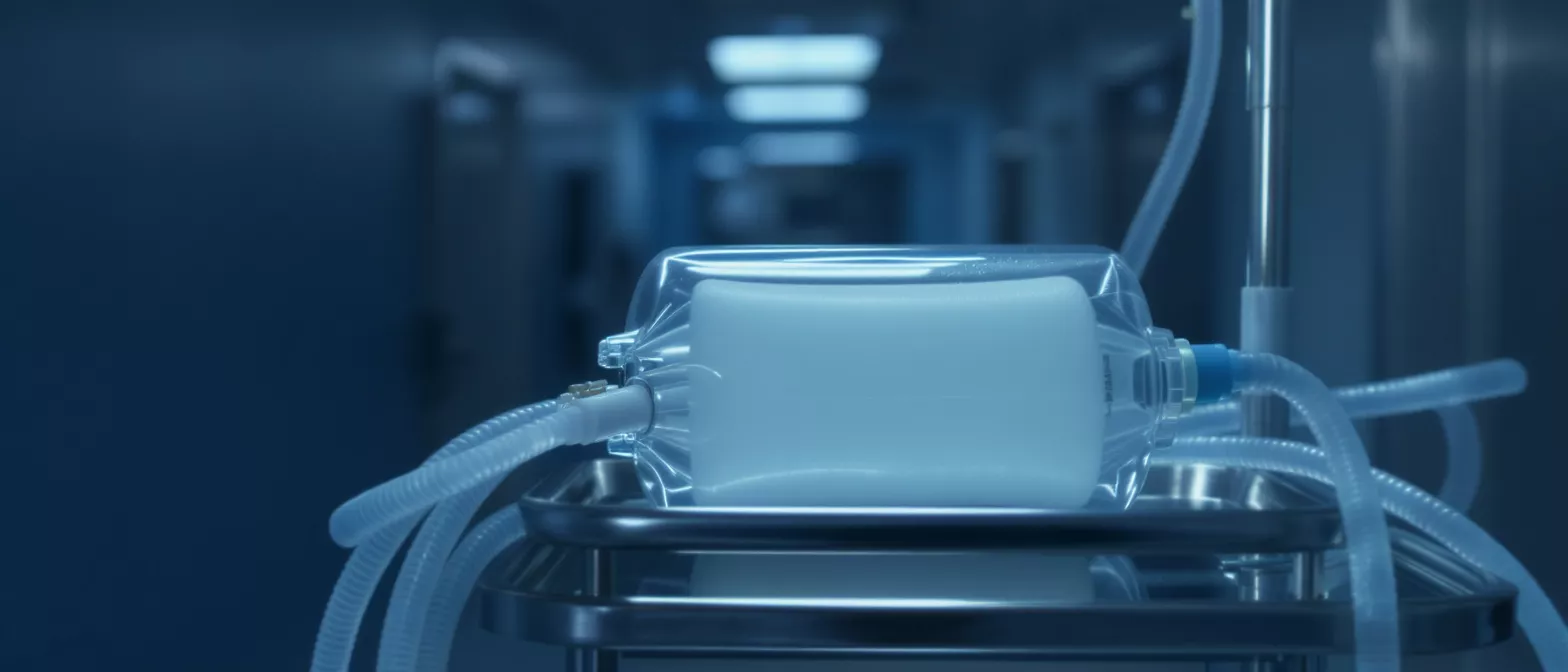
Oxygenator
Learn how the oxygenator works as an artificial lung during heart surgery, supporting extracorporeal circulation and gas exchange.
What is an oxygenator in heart surgery?
An oxygenator is a critical component of the heart-lung machine, specifically designed to temporarily take over the job of the natural lungs during open-heart surgery. When a patient is undergoing a complex cardiac procedure, the surgeon needs a completely still and bloodless environment to operate safely. The oxygenator makes this possible by drawing venous blood from the body, removing carbon dioxide, adding fresh oxygen, and returning it as bright red arterial blood. For families waiting outside the operating room, it helps to picture this device as the temporary substitute for the patient's own lungs. It works seamlessly alongside the pump, which substitutes for the heart, ensuring that the rest of the body continues to receive the oxygen-rich blood it needs to survive.
Understanding the oxygenator in cardiac surgery: During an operation, this device becomes the patient's lifeline. The medical team relies entirely on its ability to mimic natural respiration. While the heart is intentionally stopped and repaired, the oxygenator ensures that fresh oxygen continuously reaches the brain and other vital organs. This delicate process is managed by a specialized professional who monitors the flow and pressure of the blood at all times, ensuring the body's metabolic needs are met without interruption.
Knowing the role of this equipment often brings comfort to patients and their loved ones. The concept of a machine breathing for the patient can sound intimidating, but it is a highly refined, everyday reality in modern operating rooms. The artificial lung is enclosed in a sterile, single-use housing, meaning a brand-new, uncontaminated component is used for every individual operation. This ensures the highest standard of safety and hygiene, reflecting the meticulous planning that goes into every cardiac surgery.
How does the oxygenator function during cardiotomia?
The oxygenator function during cardiotomia, or the opening of the heart, is a marvel of medical engineering. When the surgical team decides to arrest the heart, they administer a special protective solution. At this exact moment, the heart-lung machine is fully engaged, and the oxygenator assumes total responsibility for blood oxygenation. Venous blood is gently drained into the circuit, passing into the oxygenator where a specialized membrane acts as a barrier between the blood and the gas. Here, carbon dioxide crosses out of the blood while oxygen crosses in. When you are preparing for a loved one's surgery, it helps to know that a high-efficiency membrane gas exchange system is responsible for this crucial step.
What happens when the heart is stopped: The mechanical work of the heart is paused, but the body's demand for oxygen never drops to zero. The perfusionist regulates the flow of blood through the circuit to match the patient's specific metabolic requirements. By carefully adjusting the mixture of oxygen and anesthetic gases entering the oxygenator, the team maintains a perfect physiological balance. This stable, controlled environment is exactly what allows the surgeon to repair delicate structures without the pressure of beating heart or circulating blood obscuring the field.
Throughout the operation, the perfusionist monitors several parameters, including the pressure within the circuit and the temperature of the blood. The oxygenator includes an integrated heat exchanger, which allows the medical team to cool the blood. Cooling the blood reduces the metabolic rate of the body's tissues, offering an extra layer of protection to the brain and heart. Once the surgical repair is complete, the team gradually warms the blood back to normal, signaling the heart to wake up and take over its natural function once again.
Why is the oxygenator called the artificial lung?
Comparing natural and artificial breathing: The term artificial lung is highly accurate because the oxygenator replicates the exact physiological process of human respiration. In the human body, the lungs are filled with tiny air sacs surrounded by a vast network of capillaries. Oxygen and carbon dioxide naturally trade places across this thin barrier. A modern oxygenator contains thousands of microscopic hollow fibers, mimicking the structure of those capillaries. Blood flows around these fibers while oxygen flows through them, creating a massive surface area for gas exchange to occur safely outside the body.
This design ensures that the blood cells never come into direct contact with air bubbles. Older, historical models of artificial lungs sometimes relied on direct contact, which could damage blood cells. Today, the advanced biocompatible perfusion circuit utilizes a barrier that is incredibly thin, allowing rapid gas diffusion while protecting the integrity of the patient's blood. This gentle handling of blood components is vital for reducing inflammation and ensuring a smoother recovery after the procedure is finished.
For a frightened family member, understanding this parallel can demystify the operating room. The oxygenator is simply doing exactly what the patient's lungs would be doing. Because it is a temporary substitute, it acts as a bridge, supporting the body only until the heart is repaired and normal circulation can be safely restored.
How does the oxygenator work with the heart lung machine?
The heart lung machine is the complete life support system used in the operating room, and the oxygenator is its core breathing component. To understand how they work together, imagine the machine as a complete artificial cardiopulmonary system. The pump acts as the heart, propelling the blood, while the oxygenator acts as the lungs. Venous blood is drained by gravity or vacuum into a reservoir, then pumped into the oxygenator, and finally returned to the patient through a tube placed in the aorta. A reliable integrated venous blood reservoir system is essential for maintaining steady flow throughout this cycle.
Components of the circuit: The entire setup is a closed, sterile loop designed to be as physiologically seamless as possible. Besides the pump and the oxygenator, the circuit includes filters that capture any tiny particles, ensuring only clean blood is returned to the patient. The machine is also equipped with sensors that continuously monitor the oxygen levels in the blood, alerting the perfusionist instantly if any adjustments are needed to maintain optimal oxygenation.
Every piece of this equipment is carefully primed with a clear, balanced electrolyte solution before the patient is connected. This removes all air from the lines, ensuring that the transition from the patient's natural circulation to the machine is smooth and safe. The seamless integration of the oxygenator within the heart-lung machine represents decades of biomedical engineering dedicated to protecting patients during their most vulnerable moments.
What is the membrane oxygenator and why is it used?
The membrane oxygenator is the modern standard for open-heart procedures, universally preferred for its ability to process blood with extreme gentleness. The defining feature of this device is a semi-permeable membrane that physically separates the blood from the oxygen gas. This barrier prevents direct contact, significantly reducing the trauma to red blood cells and minimizing the risk of air embolisms. The gas transfer occurs purely through diffusion, driven by the difference in pressure between the oxygen gas and the venous blood.
Differences between older and modern designs: In the past, early oxygenators used bubbling techniques to introduce oxygen directly into the blood. While effective at the time, this method was harsh and caused significant damage to blood proteins. The transition to membrane technology marked a profound leap forward in patient safety. Today, hollow fiber membrane oxygenators allow for highly efficient gas exchange within a much smaller footprint, making the entire heart-lung machine more compact and manageable in the operating theater.
By using a membrane, the medical team ensures that the patient's blood remains as close to its natural state as possible. This biocompatibility directly translates to better outcomes, less postoperative bleeding, and a faster recovery. It is a quiet, unseen hero of the operating room that makes complex heart surgeries safer than ever before.
What happens to arterial blood in the oxygenator?
Color change and oxygen saturation: One of the most visually striking moments in cardiac surgery is watching blood change color as it passes through the oxygenator. Dark, deoxygenated venous blood enters the device looking deep red, almost purple. As it flows past the membrane and absorbs the fresh oxygen provided by the machine, it undergoes a rapid transformation. By the time it exits the oxygenator, it is a bright, vivid cherry red, indicating it is fully saturated with oxygen and ready to nourish the body.
This bright red arterial blood is then carefully filtered to remove any microbubbles before it is returned to the patient. The perfusionist continuously measures the oxygen saturation of the blood leaving the oxygenator, ensuring it is as close to one hundred percent as possible. The arterial line bubble trap filter is a crucial final safety check that ensures the blood is absolutely pristine before it re-enters the patient's circulatory system.
Understanding this color change helps illustrate the literal life-support role of the machine. The oxygenator is not just a passive tube; it is actively performing the chemical exchange that keeps tissues alive. It aims to ensure that when the blood reaches the brain, it carries the amount of oxygen needed to sustain neurological function throughout the surgery.
How does a perfusionist manage extracorporeal circulation?
The perfusionist is a highly trained medical specialist who operates the heart-lung machine and manages the extracorporeal circulation. Their role is to be the active guardian of the patient's blood flow while the heart is stopped. They stand right beside the surgeon, continuously adjusting the pump speed to maintain safe blood pressure, administering necessary medications, and monitoring the oxygenator to ensure perfect gas exchange. The perfusionist's expertise is what allows the surgeon to focus entirely on the delicate repair of the heart.
Throughout the procedure, the perfusionist keeps a meticulous record of every event, flow rate, and pressure reading. They are responsible for managing the patient's blood thinning levels to prevent clotting within the artificial tubing. If a family is waiting, they can take great comfort in knowing that a dedicated professional is focused solely on managing the patient's circulation second by second. When seeking the best outcomes, patients often look for hospitals where board-certified cardiovascular perfusion services are a standard part of the surgical team.
- Temperature Control: The perfusionist cools and warms the blood to protect the body's tissues during surgery.
- Blood Pressure Management: They adjust the pump flow to match the patient's natural circulatory needs.
- Safety Monitoring: They constantly watch for air bubbles and ensure perfect oxygen delivery to the brain.
Is the oxygenator medical device safe for open-heart procedures?
The oxygenator medical device is rigorously tested and strictly regulated to ensure maximum safety for every patient undergoing open-heart procedures. Each component is manufactured in a sterile environment and sealed until the moment of surgery. The materials used are highly biocompatible, meaning they are designed to interact with human blood without triggering adverse reactions or clotting. Before a device is ever approved for use, it undergoes extensive clinical testing to meet international safety standards.
Every single patient receives a brand-new, sterile oxygenator. There is no reusing of the internal circuitry. Once the surgery is completed, the entire circuit is safely disposed of as medical waste. This single-use approach minimizes the risk of cross-contamination between patients. The system also features alarms and safety valves that automatically engage if the oxygen supply drops or if air is detected in the line, providing multiple layers of protection.
While the idea of having blood circulated through a machine is daunting, the engineering behind these devices is incredibly sophisticated. The safety of the patient is the foundational principle of its design. Modern cardiac surgery is performed successfully every day precisely because this equipment is so reliable and stringently monitored.
How does oxygenator gas exchange support the body?
Oxygenator gas exchange is the fundamental process that keeps the body alive during the minutes or hours the heart is stopped. The body's cells constantly consume oxygen and produce carbon dioxide as a waste product. If this cycle is interrupted for even a short time, cellular damage begins, particularly in the brain. The oxygenator steps in to artificially maintain this balance, ensuring that oxygen supply continues and toxic carbon dioxide is continuously removed.
The efficiency of this gas exchange depends on the surface area of the membrane and the flow rate of the blood. The hollow fiber design maximizes the contact area between the blood and the oxygen without requiring a large volume of blood to be outside the body. This efficient diffusion mimics the natural function of the lungs, keeping the blood chemistry stable and preventing the buildup of acid that would occur if carbon dioxide were not cleared.
- Metabolic Support: Maintains the oxygen supply required for cellular survival during surgery.
- Waste Removal: Clears carbon dioxide efficiently to prevent toxic acid buildup.
- Brain Protection: Ensures steady oxygen delivery to the most vulnerable organ.
Does oxygenator ECMO technology help patients after surgery?
While the oxygenator is primarily known for its use inside the operating room, similar technology is used in Extracorporeal Membrane Oxygenation, commonly known as ECMO. In some critical situations, a patient's heart or lungs may need support even after the surgery is completed. ECMO utilizes a specialized membrane oxygenator outside the standard heart-lung machine to provide prolonged life support in the intensive care unit. This acts as a bridge, giving the heart or lungs time to heal and recover their natural function.
For a frightened family facing severe complications, ECMO represents a beacon of hope. The same principles of safe gas exchange are applied, but the circuit is designed to run for days rather than hours. It shows the incredible versatility of oxygenator technology, extending its life-saving role from the brief window of surgery into the critical recovery period that follows. It is a testament to how artificial respiratory support can truly save lives.
Ultimately, the oxygenator is a cornerstone of modern medicine. Whether used for a few hours in the operating room or for days in the ICU, it stands as a perfect artificial lung. It reassures us that even when the heart must be still, the breath of life can continue without interruption, allowing surgeons to perform the miracles that restore health.






