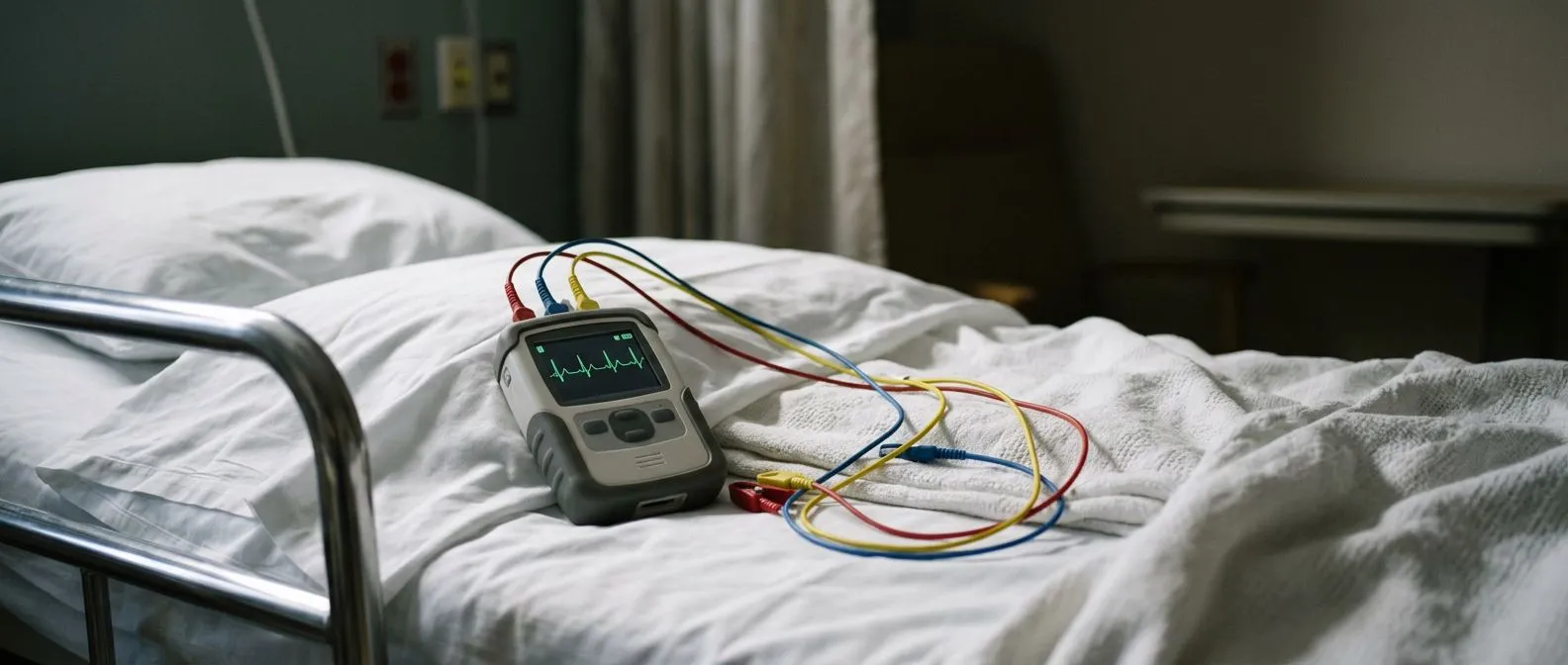
Cardiopulmonary Bypass Time and Recovery
Bypass time recovery depends on how long the heart-lung machine ran during your surgery.
Bypass time recovery is one of the first questions families ask us, and it is a sensible one. When a surgeon mentions "bypass time," they mean how long the heart-lung machine supported the body during the operation. That number shapes what the first weeks after surgery look like. This guide walks through what the machine does, what a typical bypass surgery recovery timeline looks like, and how to make the healing period at home as smooth as possible.
What Is Bypass Time in Heart Surgery?
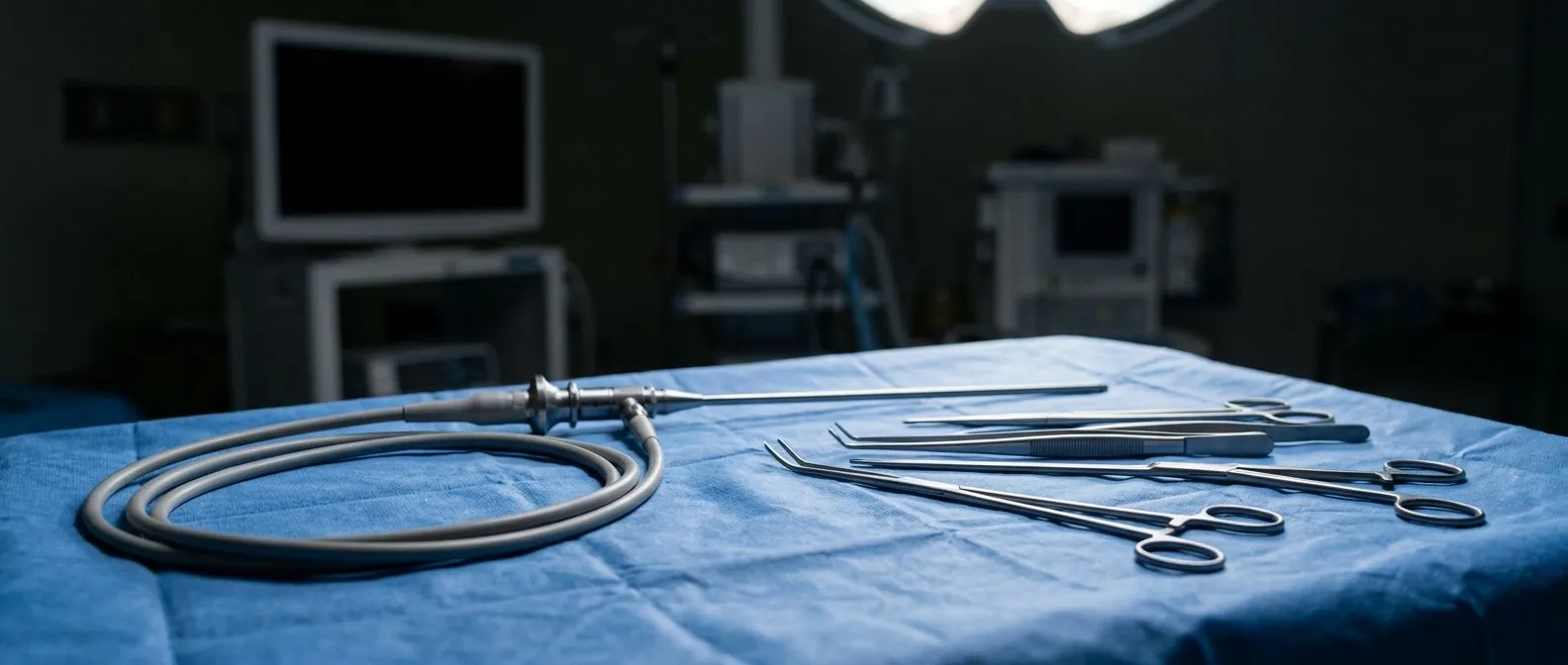
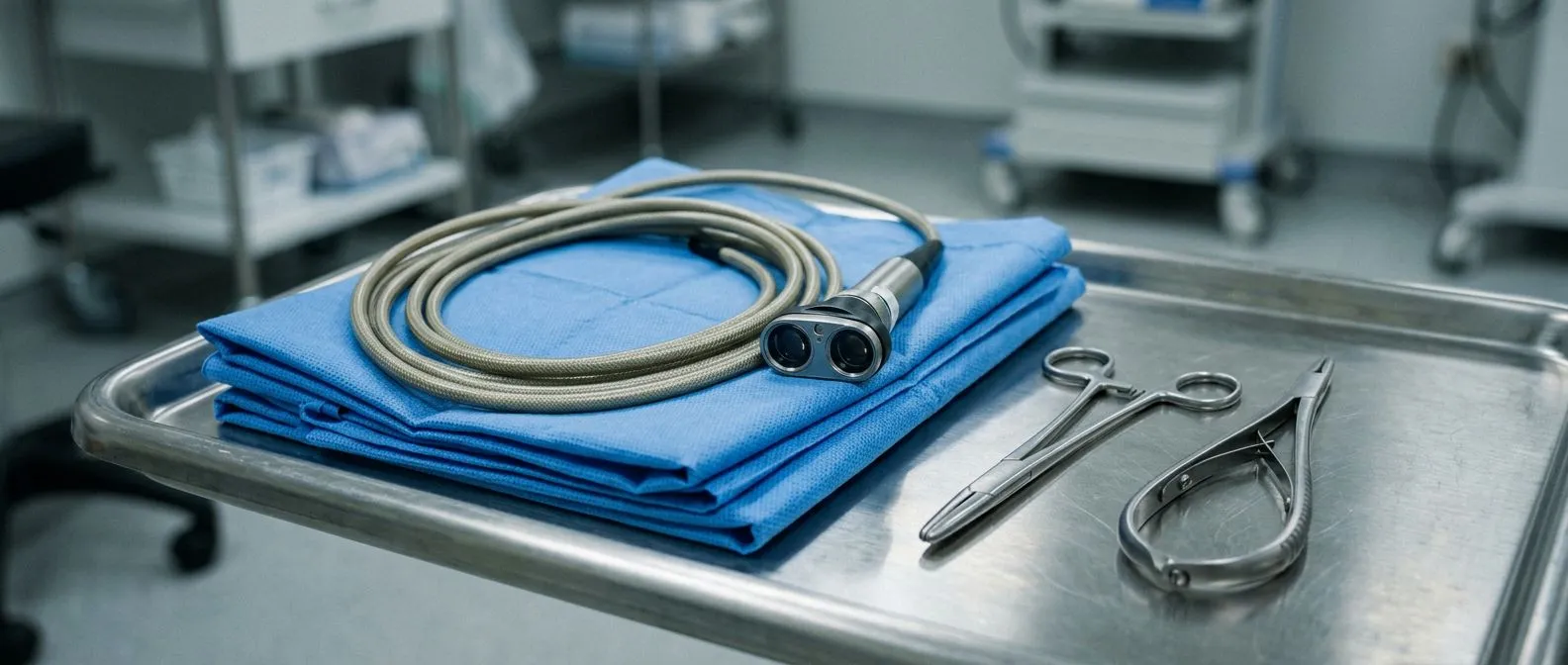
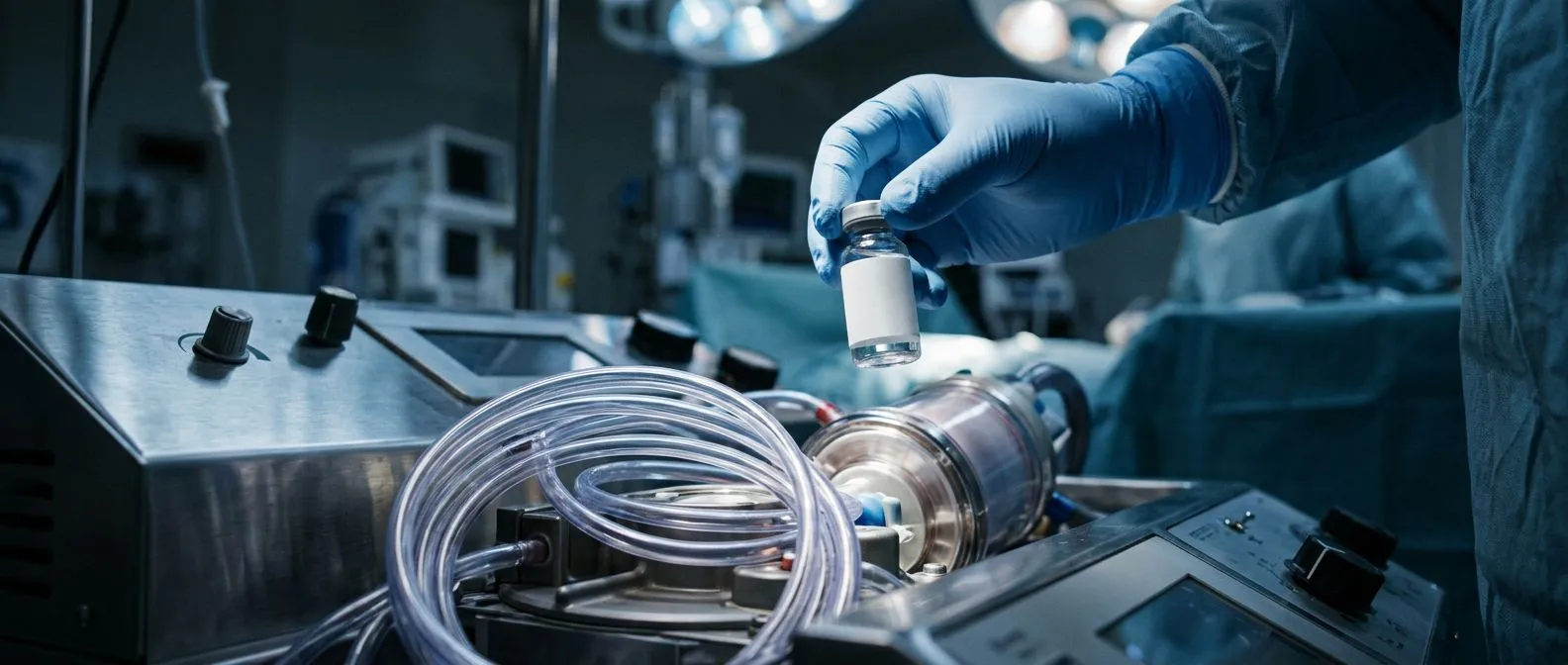
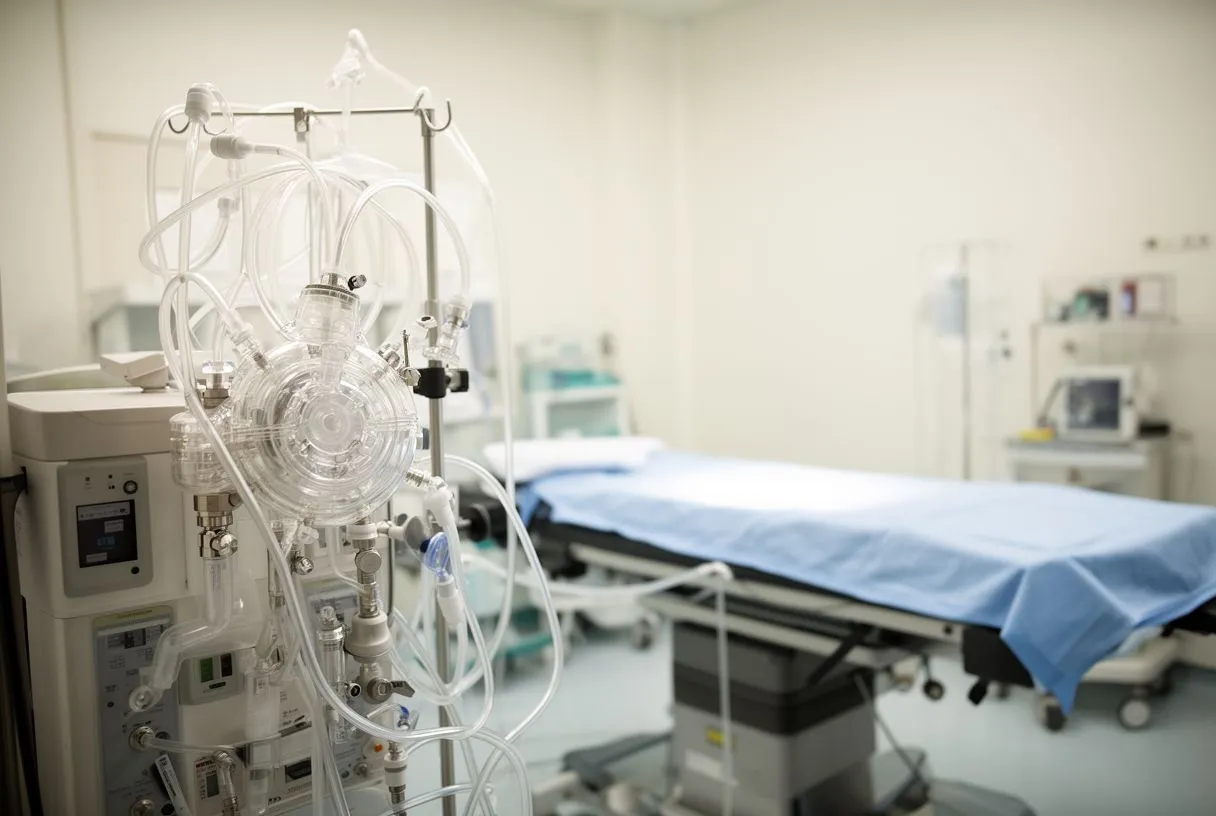
The heart-lung machine explained. During Coronary Artery Bypass Grafting — the operation most people call bypass surgery — the heart must be still and nearly bloodless so the surgeon can sew tiny grafts onto vessels only a few millimetres wide. To make that possible, a perfusionist runs a machine called the Cardiopulmonary Bypass circuit. It draws blood from the large veins, adds oxygen, removes carbon dioxide, and pumps it back into the aorta. While it runs, the heart and lungs rest. The minutes or hours the machine runs are called the bypass time.
Why the number matters to you. Bypass time is not a score of how well the surgery went, but it does tell the team how long the body was on artificial circulation. A straightforward single-vessel bypass might need less than an hour on the machine. A multi-vessel operation, or one combined with a valve procedure, can run two or three hours. The surgical team records the exact figure in the operative report, and it helps them anticipate what the first days in the Recovery Room will be like.
Time Is Muscle is the underlying principle. Every aspect of cardiac surgery is organised around the idea that shorter, more efficient procedures protect the heart itself. When we plan a case in our multidisciplinary team — reviewing every case against international practice guidelines before any recommendation is made — the operative strategy is chosen to keep the cardiac surgery recovery as short as the patient's anatomy allows.
How Long Does Bypass Time Recovery Take?
The honest answer: it comes in stages. Most patients ask how long bypass recovery takes and expect a single number. The truthful answer is that heart bypass recovery time unfolds in phases. The hospital stay after coronary bypass usually runs five to seven days. Walking, climbing stairs, and light chores then build over the next two to four weeks. The deeper healing — the breastbone knitting back together — takes about six to eight weeks, and full cardiac bypass surgery recovery, including energy levels and stamina, often continues for three months.
So when someone asks about the average bypass recovery length, the useful frame is: weeks in hospital, weeks to feel normal, months to feel strong. Heart surgery recovery weeks are counted differently depending on what the patient wants to return to — office work versus heavy labour, gentle walks versus tennis. Your own bypass patient recovery duration will be shaped by age, other conditions, and how the operation went.
Every case is reviewed by the multidisciplinary team against international practice guidelines before a recommendation is given, and the patient receives a clear proposal with the alternatives — including a realistic recovery plan, and the final decision is always theirs.
What Happens During Cardiopulmonary Bypass?
Before the machine starts. The anaesthesia team puts the patient to sleep and places monitoring lines. The surgeon opens the chest through the breastbone (or, in selected cases, a small incision), gives heparin to prevent clotting, and inserts cannulas — soft tubes — into the aorta and the venous return. Only then does the perfusionist begin the circuit, and the bypass clock starts.
While the machine runs. The surgeon cools the body slightly, applies a cross-clamp to the aorta, and delivers a cardioplegia solution that stops the heart in a protected, relaxed state. The grafts are sewn in place. The perfusionist watches blood pressure, oxygen levels, blood gases, and temperature continuously, adjusting the flow minute by minute. When the last graft is done, the clamp comes off, the heart is restarted — often on its own, sometimes with a brief shock — and the patient is Weaned From Bypass as the machine's support is gradually reduced until the heart carries the circulation alone.
After the machine stops. The cannulas are removed, heparin is reversed, and chest drains and temporary pacing wires are placed. The patient is then transferred to the intensive care unit. This is the moment families wait anxiously for — and it is the moment we encourage families to prepare for, so the day feels less frightening.
Bypass Time vs Cross-Clamp Time: What's the Difference?
Two clocks on one operation. The operative report will list a bypass time and a Cross-clamp Time, and they are not the same. The bypass time covers the whole period the heart-lung machine ran, including cooling, rewarming, and weaning. The cross-clamp time is the shorter window during which the aorta was clamped and the heart was actually stopped — the period the surgeon was actively sewing grafts. A typical operation might show a bypass time of 90 minutes and a cross-clamp time of 60 minutes.
Why both numbers appear. Each number measures something different. The cross-clamp time reflects how long the heart itself was without blood flow. The bypass time reflects how long the whole body was on artificial circulation. Surgeons and researchers track both because they each carry their own associations with recovery outcomes, and because together they give a fuller picture of how demanding the operation was.
When we explain the operative report to a patient, we take the time to explain what the studies actually show in plain words, answering every question before any decision is made — the numbers only matter once you know what they mean.
Does Longer Bypass Time Affect Recovery?
What the evidence shows. Research has consistently linked longer bypass durations to a higher chance of complications such as bleeding, kidney stress, and postoperative atrial fibrillation. That is a reason surgical teams plan carefully and work efficiently — not a reason to fear a longer number. A complex three-vessel operation may simply need more time on the machine than a single graft, and the duration reflects the operation's complexity, not its quality.
The choice of technique matters. A study published in the Ukrainian Journal of Cardiovascular Surgery comparing minimally invasive versus conventional coronary bypass in patients with type 2 diabetes found the minimally invasive approach offered a gentler perioperative course and earlier recovery. This is exactly the kind of trade-off we weigh: we perform conventional, minimally invasive, robotic and transcatheter procedures, and we recommend the less invasive route only where the evidence supports it for that patient.
Reading the numbers in context. A longer bypass time in an 82-year-old with kidney disease carries different weight than the same number in a 55-year-old in good health. That is why the figure is never discussed in isolation — it sits alongside the patient's age, other conditions, and the operation's complexity.

First Days After Bypass Surgery: Recovery Timeline
Day 1: intensive care. The patient wakes with a breathing tube, which is usually removed within a few hours. Nurses check drains, blood pressure, and heart rhythm continuously. Most patients sit on the edge of the bed or take their first steps with help on the first day. This is a normal part of the bypass surgery recovery timeline, not a remarkable feat.
Days 2–4: the ward. The breathing tube, drains, and pacing wires come out one by one. Walking increases each day — short hall circuits, then longer ones. The care team watches for atrial fibrillation (a common, usually temporary fast rhythm), manages pain, and starts stool softeners and gentle physiotherapy for the chest. Discharge typically comes around day five to seven, once the patient is walking independently, eating, and stable.
Weeks 1–2 at home. The sternal precautions begin: no lifting over about 4–5 kg, no pushing up from chairs with the arms, no driving. Fatigue is normal and expected. The breastbone is healing, and the heart surgery recovery weeks are counted from the operation date. The sternum usually needs about six to eight weeks to knit firmly.
Returning to Work After Bypass Surgery
Desk work versus physical work. Returning to work after bypass is one of the most practical worries patients have. Someone with a sedentary job can often go back at six to eight weeks, once the sternum is stable and the follow-up is clean. Physical or heavy work — lifting, driving, machinery — usually needs about twelve weeks. These are ranges, not promises; your own team sets the date based on your healing.
Driving and daily activities. Driving is usually allowed once the breastbone is safe and the patient is not taking strong pain medication — commonly around six weeks. Showering, cooking, and light housework are encouraged from the first weeks. What is not encouraged is the belief that rest alone heals: the modern recovery approach is gradual, progressive activity.
- Weeks 1–4: daily walks, increasing length; no lifting; sternal precautions in force.
- Weeks 6–8: driving resumes, desk work often possible, cardiac rehabilitation begins.
- Weeks 12+: heavier work and most normal activities, cleared by the surgical team.
Off-Pump Bypass and Shorter Bypass Time
What "off-pump" means. On-pump Bypass uses the heart-lung machine as described above. Off-pump Bypass — also called beating-heart surgery — is performed on the working heart with stabilising devices holding the target vessel still, so the machine is never used and the bypass time is effectively zero. This can reduce some of the effects of artificial circulation, which is why it was developed.
Trade-offs to understand. Off-pump surgery has its own challenges: grafts must be sewn on a moving heart, and some studies have questioned whether long-term graft patency differs. Neither approach is universally "better" — the right choice depends on the anatomy, the number of vessels, and the patient's overall condition. The decision is reviewed by the multidisciplinary team against international guidelines, and the alternatives are laid out clearly for the patient.
Minimally invasive options. Beyond off-pump, some cases can be done through small incisions without fully opening the chest. In our own practice, we offer conventional, minimally invasive, robotic and transcatheter procedures — Dr Molina performed the first robotic mitral valve repair in the Ángeles Health System and the first robotic heart surgery in Guadalajara — and our training includes robotic surgery at the University of Montreal and structural cardiology at CHU Bordeaux. But we recommend the less invasive route only where the evidence supports it for that patient.
Risks Like Postoperative Atrial Fibrillation
The most common rhythm problem. Atrial fibrillation — a fast, irregular rhythm of the heart's upper chambers — is the most frequent complication after bypass surgery, and it often appears in the first days after the operation. Research reviewed in Brazilian Journal of Cardiovascular Surgery work on postoperative atrial fibrillation after coronary bypass shows it is common, usually manageable with medication, and often resolves as the body recovers from the surgical stress.
What it means for the patient. A patient who feels a racing or fluttering heartbeat in the first days after surgery should tell the care team immediately — they expect it and have treatment ready. The risk is higher in older patients, those with longer bypass times, and those with electrolyte imbalances or fluid shifts. Magnesium and potassium levels are monitored closely for exactly this reason.
Other risks, honestly stated. Bleeding, infection of the breastbone, kidney stress, and stroke are the recognised risks of open heart surgery. They are not frequent, but they are real, and honest discussion of them is part of good care. Patients who have had the risks explained calmly before surgery consistently cope better than those who were not told.
How to Support Your Bypass Time Recovery at Home
Follow the sternal precautions. The breastbone is a fracture that heals with movement restricted. Bypass recovery at home goes well when the rules are respected: no lifting over the agreed limit, use the legs to push up from chairs, hold a pillow over the chest when coughing or sneezing. This simple discipline prevents most wound problems.
Cardiac rehabilitation is the engine of recovery. A structured bypass rehabilitation timeline — supervised exercise, education, and support — is one of the strongest predictors of a good long-term outcome. It is not an optional extra; it is the standard of care. It rebuilds confidence as much as fitness, and it catches problems early.
- Eat for healing: protein, vegetables, and controlled salt help the wound and the heart.
- Stop smoking: it is the single most important change for graft longevity.
- Rest deeply: fatigue is normal for weeks; plan naps without guilt.
- Take medications exactly as prescribed: some are for the grafts, some for the heart, some for the healing.
Watch for warning signs. New fever, chest wound redness or drainage, worsening breathlessness, or a racing heartbeat after discharge all deserve a call to the surgical team. Recovery is not a straight line, but it should trend upward week by week.
Where we fit in. The first contact with our team is a free video consultation: we get to know the patient, talk through the condition, and say which studies are still needed so no unnecessary ones are ordered. We have consulting rooms in Guadalajara, Querétaro and Hermosillo, and we encourage second opinions and treat seeking one as a normal part of deciding about heart surgery. A structured approach to bypass time recovery, agreed with a qualified team and adjusted to your own body, is the surest way to return to the life you want. ECMO: a lifeline when time runs out, describes a further level of support reserved for the rarest situations — but for most patients, the path described above is the whole story.