

ECMO: a lifeline when time runs out
Learn how ECMO works as an artificial heart and lung, its uses, complications, recovery, and survival rates in critical care.
What does ECMO stand for?
ECMO stands for extracorporeal membrane oxygenation. It is an advanced form of life support that takes over the work of the heart and lungs when they are too sick or tired to function on their own. For families hearing this term for the first time in an intensive care unit, it can sound frightening, but it is simply a way to give failing organs a chance to rest and heal.
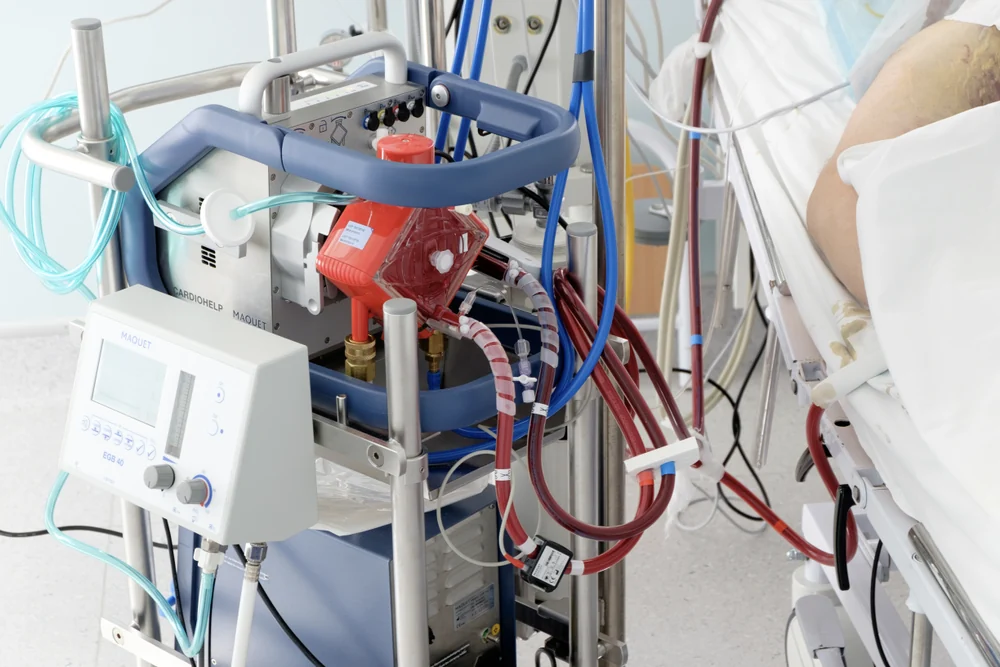
Extracorporeal membrane oxygenation explained: The word "extracorporeal" means outside the body. The machine acts as an artificial lung and sometimes an artificial heart, pulling blood out, adding oxygen, removing carbon dioxide, and pumping it back in. This process keeps vital organs alive while doctors treat the underlying illness.
Understanding this therapy helps reduce the fear of the unknown. The ECMO machine is large and has many tubes, but its purpose is straightforward: to sustain life when time is running out, acting as a critical bridge to recovery or further treatment.
How does the ECMO machine work?
The ECMO machine works by temporarily taking over the cardiopulmonary workload. A specialized doctor places large tubes, called cannulas, into the patient's blood vessels. Dark, oxygen-depleted blood is gently drained from the body into the machine, where a membrane oxygenator acts as an artificial lung to cleanse and oxygenate the blood.
Inside the ECMO circuit: Once the blood passes through the oxygenator, a pump acts as an artificial heart, pushing the bright red, oxygen-rich blood back into the patient. Because the blood must not clot inside the tubes, patients receive a continuous medication to thin the blood safely during the treatment.
Throughout this process, a specialized team of perfusionists and intensive care nurses monitors the machine constantly. They adjust the flow and oxygen levels to match the patient's exact needs, ensuring the body receives the steady supply it requires to survive and heal.
What is veno-arterial ECMO cardiac support?
Veno-arterial ECMO, often called VA ECMO, is the specific type of ECMO used when the heart itself is failing. It provides direct cardiac support by taking blood from a large vein and returning it to a large artery. This effectively bypasses the heart and lungs, giving the heart a complete rest while maintaining blood flow to the entire body.
When VA ECMO is indicated: This approach is often used in emergencies like cardiogenic shock, fulminant myocarditis, or following a massive heart attack where the heart cannot pump effectively. It can also serve as a bridge to a more permanent solution, such as a ventricular assist device or a heart transplant.
By directly supporting systemic blood flow, veno-arterial ECMO ensures that the brain, kidneys, and other vital organs continue to receive oxygen. In cardiac surgery recovery, if the heart is too weak to take over after an operation, specialized circulatory support systems are utilized to keep the patient stable until the heart muscle regains its strength.
When is ECMO used for respiratory failure?
Veno-venous ECMO, or VV ECMO, is utilized strictly for severe lung failure when the heart is still functioning well. It is indicated when conditions like acute respiratory distress syndrome (ARDS), severe pneumonia, or pulmonary trauma prevent the lungs from providing enough oxygen to the blood, even with a mechanical ventilator.
VV ECMO for lung rest: In these scenarios, the machine takes blood from a vein, oxygenates it, and returns it to another vein. The heart then pumps the oxygenated blood throughout the body, allowing the lungs to rest entirely without the stress of working against a ventilator.
By providing this extracorporeal oxygenation, the medical team can lower the ventilator settings to safer levels. This prevents further damage to the delicate lung tissue, giving the patient the time needed for their respiratory system to recover from the underlying illness.
ECMO vs ventilator: which is better?
ECMO and a ventilator are not competing therapies, but rather complementary tools used in critical care. A ventilator pushes oxygen-rich air into the lungs through a tube, relying on the patient's lungs to extract the oxygen. ECMO bypasses the lungs entirely, oxygenating the blood directly outside the body.
Stepping up to ECMO: When a ventilator is not enough, or when the ventilator settings required are so high they risk damaging the lungs further, doctors will often recommend ECMO. It is a step up in life support for patients whose respiratory systems are temporarily overwhelmed.
- Ventilator: Supports breathing by delivering oxygen directly to the lungs, but requires functioning lung tissue to absorb it.
- ECMO: Directly oxygenates the blood outside the body, used when the lungs or heart fail entirely.
- Combined approach: Patients on ECMO often remain on a ventilator at very low settings to keep the lungs open and healthy.
How long can a patient stay on ECMO treatment?
The duration of ECMO treatment varies widely depending on the patient's underlying condition and how quickly their organs recover. It is designed as a temporary life support measure, not a permanent replacement for the heart or lungs.
Typical timeframes on support: For respiratory failure using VV ECMO, a patient might need support for one to three weeks while the lungs heal. For cardiac support using VA ECMO, the duration is usually shorter, ranging from a few days up to two weeks, as the heart either recovers quickly or requires a different long-term strategy.
In exceptional cases, patients have remained on the machine for much longer. The multidisciplinary team evaluates the patient daily to assess organ recovery, checking if the heart or lungs are ready to function independently without the artificial support of the circuit.
What are the common ECMO complications?
While ECMO can be a lifesaving therapy, it is a highly invasive procedure that carries significant risks. The most common complications are related to the blood thinners required to keep the circuit from clotting, which can increase the risk of bleeding in the brain or surgical sites.
Managing risks in intensive care: Infections are another serious concern, as the large tubes entering the blood vessels provide a pathway for bacteria. Additionally, blood clots can form within the circuit, or small air bubbles can enter the bloodstream, requiring constant monitoring by the clinical staff.
Because the risk of complications increases the longer a patient is on support, doctors must weigh the benefits against the dangers daily. Advanced anticoagulation monitoring equipment is essential in these scenarios to ensure the blood remains at the perfect thickness for the circuit.
Are patients conscious during ECMO life support?
Yes, patients can be conscious and awake while on ECMO, though this depends heavily on their specific medical condition. Many patients on veno-venous ECMO for lung support can be awake, communicating with their families, and even participating in light physical therapy.
The awake ECMO approach: Keeping patients conscious helps prevent muscle atrophy and reduces the risk of delirium associated with prolonged sedation. It also allows patients to actively participate in their care decisions, which provides a significant psychological boost during a critical illness.
For patients on veno-arterial ECMO, or those who are profoundly unstable, deep sedation is usually required. If a patient requires a breathing tube alongside ECMO, they will typically be sedated to prevent discomfort and to keep them from accidentally pulling out the vital tubes.
What does ECMO recovery look like?
Recovery from ECMO is often a marathon, not a sprint. Once the machine is removed, the patient usually faces a period of physical weakness due to bed rest and the severity of their original illness. Rehabilitation focuses on rebuilding muscle strength and restoring cardiovascular endurance.
Rebuilding strength after critical illness: Patients often work with physiotherapists to learn how to walk and perform daily activities again. Occupational therapy helps them regain the fine motor skills needed for independence, while regular medical follow-ups monitor their heart and lung function.
- Physical rehabilitation: Gradual exercises to rebuild leg and core strength lost during bed rest.
- Psychological support: Counseling to process the trauma of critical illness and intensive care.
- Medical monitoring: Regular check-ups to ensure the heart and lungs continue to heal properly.
Is ECMO safe for cardiac failure patients?
ECMO is considered a safe and vital option for cardiac failure patients when performed in specialized centers by experienced multidisciplinary teams. It does not cure the underlying heart disease, but it keeps the patient alive long enough for definitive treatments to take effect.
Expert care makes the difference: The safety of the procedure relies heavily on the expertise of the medical team, including cardiac surgeons, perfusionists, and intensive care doctors. They carefully manage the delicate balance of blood flow, oxygenation, and anticoagulation to minimize risks.
For families facing the terrifying reality of sudden cardiac collapse, knowing that temporary mechanical circulatory assistance is available can offer immense hope. While the road is difficult, ECMO provides a crucial window of time for the heart to heal or for a transplant to be arranged.






