

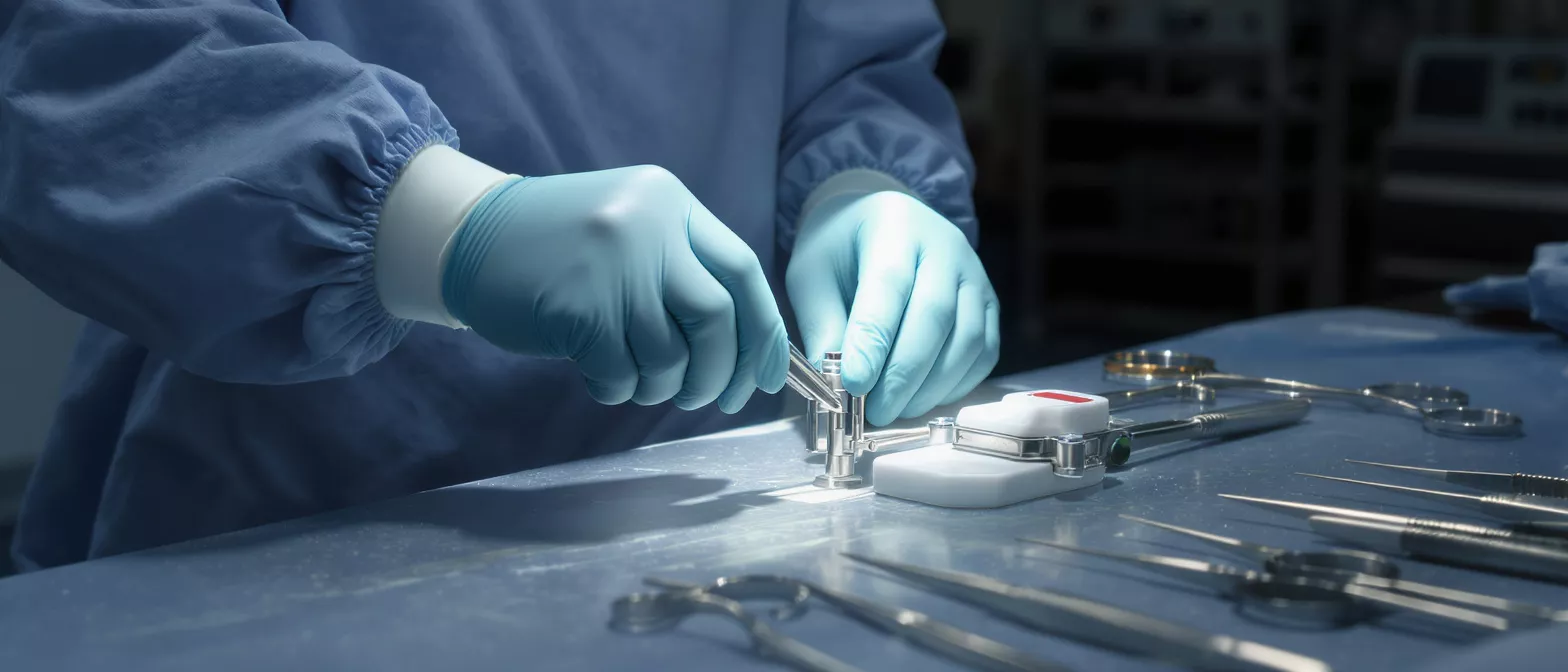
Off-pump Bypass
Learn how off-pump bypass surgery works on a beating heart.
What is off-pump bypass?
When you hear the term off-pump bypass, it refers to a specialized method of coronary artery bypass surgery performed while the heart continues to beat naturally. Unlike the traditional approach that temporarily stops the heart and uses a machine to take over blood circulation, this technique allows the surgeon to operate on a moving organ. For many patients facing heart surgery, the idea of avoiding the heart-lung machine is deeply reassuring.
The fundamental goal of the surgery remains identical to conventional methods: creating a healthy new path for blood to flow around a blocked or severely narrowed artery. The distinction lies entirely in how the surgical team manages the heart and blood circulation while they are sewing the new grafts in place. This approach respects the body's natural rhythm and minimizes mechanical interference with your circulation.
Understanding this technique helps patients and families feel more confident when discussing surgical options with their cardiologist. Choosing the right surgical approach is a highly personal decision based on your specific anatomy, overall health, and the surgeon's expertise, but knowing the mechanics of this method provides comfort and clarity.
How off-pump bypass works
Stabilizing the target area: Operating on a beating heart requires remarkable precision. To achieve this, the surgeon uses specialized stabilization devices that gently press on the small, specific area of the heart muscle where the bypass graft will be attached. This localized pressure slows the movement of just that tiny patch of tissue, making it nearly motionless, while the rest of the heart continues to pump blood effectively throughout the body.
Positioning the heart safely: During the procedure, the surgeon must access the back and sides of the heart where the coronary arteries often reside. Specialized suction tools gently lift and tilt the heart into the optimal surgical position. These devices allow the surgical team to clearly see the target blood vessels without interrupting the flow of blood to the brain and other vital organs.
Sewing the new graft: Once the target artery is stabilized, the surgeon connects the new healthy blood vessel (the graft) to the coronary artery just beyond the blockage. This delicate stitching is done with extremely fine sutures. The graft immediately begins carrying fresh, oxygen-rich blood to the heart muscle, bypassing the diseased section and restoring circulation.
Why beating heart surgery matters for high-risk patients
Avoiding systemic inflammation: Traditional bypass surgery relies on a heart-lung machine to oxygenate and circulate blood. While entirely safe for many people, the blood traveling through the artificial tubing of that machine can sometimes trigger a mild inflammatory response throughout the body. Beating heart surgery removes this external machinery, meaning the blood never leaves the body, which may lower the risk of systemic inflammation.
Protecting fragile organs: For older patients or those with a history of kidney disease, lung issues, or previous strokes, the stress of the heart-lung machine can pose additional risks. By keeping the patient's own heart and lungs doing the work naturally, off-pump bypass reduces the physiological stress on these vulnerable organ systems, offering a safer surgical alternative for those who need it most.
Reducing blood loss and transfusions: Because the circuit of a heart-lung machine requires a small amount of the patient's blood to prime the system, traditional bypass can lead to a greater dilution of blood and a higher need for transfusions. Off-pump techniques generally result in less blood loss, lowering the likelihood that a patient will require a blood transfusion during their operation.
Key off-pump bypass benefits during recovery
Shorter hospital stay: Because the body does not have to recover from the effects of the heart-lung machine, patients undergoing off-pump bypass often experience a faster initial recovery. Many patients are stable enough to be moved out of the intensive care unit more quickly and can be discharged home a day or two earlier than those who undergo traditional surgery.
Less postoperative swelling: The body's natural inflammatory response is often less pronounced without the use of external bypass circuits. This can mean less overall tissue swelling and a more comfortable experience in the days immediately following the surgery.
Faster return to normalcy: While full cardiac rehabilitation always takes time, the early stages of healing tend to progress rapidly for off-pump patients. The reduced physical trauma allows individuals to begin walking, eating, and participating in breathing exercises sooner. This early mobility is vital for preventing complications and rebuilding strength safely.
Off-pump bypass vs traditional bypass: what is the difference?
Method of circulatory support: The most obvious difference is how blood flows during the operation. Traditional bypass utilizes a cardiopulmonary bypass machine to pump and oxygenate the blood while the heart is stopped. Off-pump surgery keeps the heart beating, letting the patient's own lungs and heart maintain circulation without mechanical interruption.
Use of medications: In traditional surgery, the heart is stopped using a specialized chemical solution called cardioplegia, and the patient is given blood thinners to prevent clotting inside the machine. In contrast, off-pump surgery requires different, carefully managed anticoagulation strategies without the need to completely arrest the heart's electrical activity.
Both methods require immense surgical skill, but the tools used inside the operating room differ. Surgeons performing off-pump procedures rely heavily on specialized mechanical stabilizers and positioners. To maintain optimal cardiovascular health before and after any major procedure, doctors often recommend monitoring your vitals and finding a reliable blood pressure monitor for heart patients to use at home.
- Circulation: Traditional uses an external pump; off-pump uses the patient's own heart and lungs.
- Motion: The traditional heart is stopped entirely; the off-pump heart beats continuously.
- Focus: Traditional requires systemic cooling; off-pump focuses on localized stabilization of the target artery.
Who is a good candidate for coronary artery bypass without heart-lung machine?
Patients with specific comorbidities: Surgeons often recommend off-pump bypass for patients who have a higher risk of complications from the heart-lung machine. This includes individuals with advanced age, severe lung disease, chronic kidney insufficiency, or a history of neurological issues like a prior stroke. Avoiding the bypass machine minimizes stress on these already vulnerable systems.
Patients with accessible blockages: The technique relies on the surgeon being able to physically reach and stabilize the diseased artery. If the blockages are located on the front of the heart, they are usually straightforward to access. However, heavily calcified arteries or blockages buried deep in the heart muscle might make traditional bypass a safer, more effective choice.
Surgeon experience matters: Not every patient is a candidate, and not every surgeon performs this highly specialized technique. It requires advanced training and steady hands. It is crucial to have an open conversation with your surgical team about their experience and whether beating heart surgery is appropriate for your specific coronary anatomy.
Understanding off-pump bypass technique and procedure steps
The procedure begins with the patient under general anesthesia. The surgeon makes an incision down the chest and carefully opens the breastbone to access the heart. Unlike traditional surgery, there is no need to connect the patient to a large bypass machine, so the team prepares the healthy blood vessels (often from the chest wall or leg) to be used as the new bypass grafts.
Once the grafts are prepared, the surgeon places the specialized stabilization device over the target area of the beating heart. The device gently suctions and holds the specific artery still. This localized stabilization allows the surgeon to make a tiny incision in the coronary artery and sew the new graft into place using extremely fine sutures, securing a new pathway for blood.
After all necessary grafts are attached, the surgeon evaluates the flow of blood through the new vessels to ensure they are functioning properly. The breastbone is then wired back together, and the chest incision is closed. The entire process requires incredible precision and relies on a coordinated effort from the entire surgical and anesthesia team.
Off-pump bypass risks and possible complications
Technical challenges: Operating on a moving surface is demanding. Even with advanced stabilizers, the natural beating of the heart can make the suturing process more technically difficult than working on a stopped, still heart. In some cases, if the surgeon finds the anatomy too challenging to safely secure the graft, they may need to convert to traditional bypass.
General surgical risks: Like any major operation, off-pump bypass carries standard risks. These include bleeding, infection at the incision site, and reactions to anesthesia. There is also a risk of irregular heart rhythms, such as atrial fibrillation, which can occur after any heart surgery and usually resolves with medication or time.
Graft patency concerns: The long-term success of bypass surgery depends on the grafts remaining open and clear. Some early studies suggested that grafts attached during beating heart surgery might have a slightly higher risk of narrowing over time compared to those placed on a stopped heart, though modern techniques and advanced stabilization have largely closed this gap.
What to expect during off-pump bypass recovery
Immediate postoperative care: Immediately after surgery, patients are taken to the intensive care unit for close monitoring. Because the heart-lung machine was not used, patients often wake up sooner and require less intensive respiratory support. The medical team will focus on pain management, monitoring heart rhythms, and ensuring the new grafts are functioning well.
Early mobilization: Getting out of bed and walking is a critical part of recovery. Off-pump patients are typically encouraged to sit up and take short walks within a day or two of their operation. This early movement helps prevent blood clots, clears the lungs, and signals to the body that the healing process has begun in earnest.
- Wound care: Keep the chest incision clean and dry, watching for any signs of infection.
- Pain management: Take prescribed medications exactly as directed to stay comfortable and mobile.
- Cardiac rehab: Enroll in a structured program to safely rebuild cardiovascular strength.
Off-pump bypass success rate and long-term outcomes
Relieving symptoms: Off-pump bypass is highly effective at its primary goal: relieving chest pain and improving blood flow to the heart muscle. The vast majority of patients experience a significant reduction in angina and find they can return to their daily activities without the discomfort that limited them before surgery.
Durability of the grafts: The long-term success of the procedure relies heavily on the durability of the new blood vessels. With proper medication, healthy lifestyle changes, and regular follow-up care, the bypass grafts can remain open and functional for many years, providing sustained protection against further heart damage.
Ultimately, the long-term outcome of beating heart surgery is comparable to traditional bypass for most patients when performed by experienced surgeons. The choice between the two methods is often less about long-term survival and more about reducing the immediate risks of surgery. By understanding the unique benefits and considerations of off-pump bypass, patients can approach their cardiac care with confidence and peace of mind.






