


Video-Assisted Heart Surgery: Smaller Incisions
Video-assisted heart surgery uses smaller incisions for less pain and faster recovery.
If you or a family member has been told you need heart surgery, one of the first questions is usually about the scar. Video-assisted heart surgery is an approach that uses several small incisions and a tiny camera instead of one long opening through the breastbone. It is not a different operation on the heart itself — the repair or replacement is the same — but the route the surgeon takes is gentler on the chest wall. This guide explains how the technique works, who it suits, what recovery really looks like, and the honest risks, so you can walk into a consultation with clear questions of your own.
What Is Video-Assisted Heart Surgery?
Video-assisted heart surgery, sometimes called video-assisted cardiac surgery or minimally invasive cardiac surgery, is a way of operating on the heart through small cuts between the ribs rather than through the sternum. The surgeon inserts a thoracoscope — a thin tube with a high-definition camera — into the chest. The camera projects a magnified image onto monitors in the operating room, and the surgeon works with long, narrow instruments while watching that image.
How it differs from traditional surgery: In a conventional "open" operation, the breastbone is divided down the middle so the whole heart is visible. In video-assisted heart surgery, the surgeon sees the heart indirectly through the camera, which actually magnifies structures more than the naked eye could. The trade-off is a smaller working space, which is why patient selection and surgical training matter so much.
Why the name matters: You may also hear the terms "port-access" or "endoscopic" surgery. They describe the same family of techniques. Some programs combine the camera with a robotic platform, where the surgeon controls instruments from a console — we will compare those approaches below.
How Does Video-Assisted Heart Surgery Work?
The operation begins with general anesthesia, just like any heart operation. The surgeon makes a small incision — often 4 to 6 centimeters — under the right breast, plus one or two pencil-sized "port" sites for the camera and instruments. To reach the heart cleanly, the lung on that side is gently deflated and carbon dioxide is gently insufflated into the chest; the ideal pressure for this technique has been studied and refined, with research such as a World Journal of Surgical Oncology study on insufflation pressure helping define safe limits for these minimally invasive approaches.
The heart-lung machine: Most video-assisted operations still use cardiopulmonary bypass, the "heart-lung machine" that takes over circulation while the heart is temporarily stopped. The difference is that the cannulas — the tubes connecting you to the machine — are threaded through small incisions in the groin or chest instead of being placed in the open chest. Some select cases can be done on the beating heart without bypass at all.
Once the repair is finished — a valve repaired or replaced, a graft placed — the surgeon drains the chest with one or two small tubes, lets the lung re-expand, and closes the small incisions in layers. We perform conventional, minimally invasive, robotic and transcatheter procedures, and our team walks every patient through exactly which route is planned and why before the operating room is ever booked.
Video-Assisted Heart Surgery vs Open Heart Surgery
The incision: This is the most visible difference. Open heart surgery leaves a sternotomy scar down the center of the chest, and the breastbone takes roughly six to eight weeks to knit back together. Video-assisted surgery leaves a short scar under the breast plus tiny port marks, and there is no divided bone to heal. For patients who work with their arms, carry grandchildren, or simply care about the scar, this matters.
The recovery: Because the breastbone is intact, movement restrictions are lighter. After a sternotomy, patients are told not to lift more than a few kilos or drive for six to eight weeks while the bone heals. After video-assisted surgery, those limits are usually shorter, and many patients are back to desk work in two to three weeks. Walking and gentle activity start almost immediately in both cases.
The surgical view and flexibility: Open surgery gives the surgeon direct vision and full access to every part of the heart, which remains the standard for complex, multi-valve or emergency operations. Video-assisted surgery narrows that access in exchange for a gentler approach. In our practice, every case is reviewed by the multidisciplinary team against international practice guidelines before we recommend a route — if the video-assisted approach cannot do the job as safely as the sternotomy for that particular anatomy, we will say so plainly.
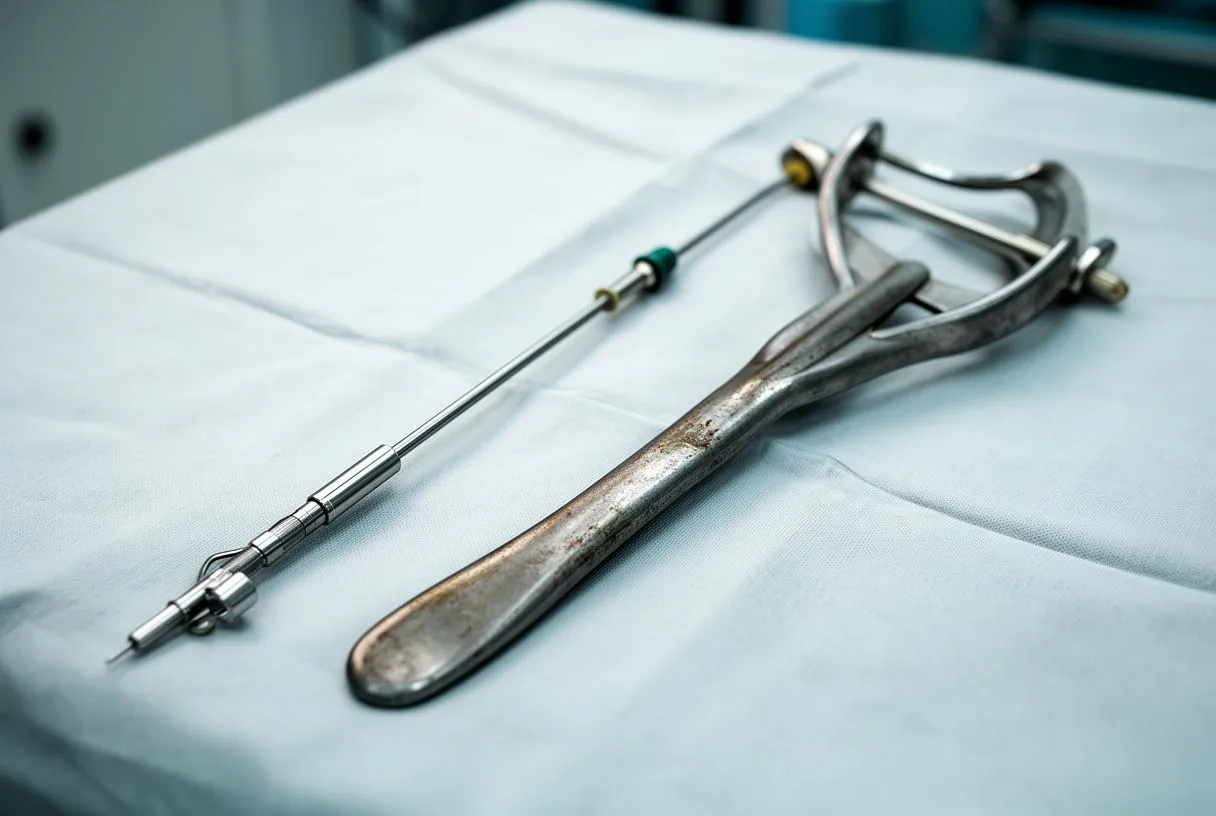
Video-Assisted Heart Surgery Benefits
Less pain after the operation: Spreading the breastbone is one of the main sources of pain after open heart surgery. Avoiding it typically means less pain medication in the first days and an easier time coughing, breathing deeply and sleeping — all of which help prevent chest infections. Infection prevention is a serious subject in every surgical ward, which is why guidance from the Centers for Disease Control and Prevention on surgical site infection control shapes how hospitals prepare skin, manage antibiotics and care for incisions after any cardiac operation.
Faster return to normal life: Shorter hospital stays, quicker mobilization and earlier return to work and driving are the practical benefits patients notice most. Smaller incisions also mean less blood loss during surgery, which in turn can reduce the need for transfusion.
Better cosmetic and psychological outcomes: A hidden scar under the breast is easier to live with than a chest scar, and many patients — particularly younger people and women — report feeling more confident during recovery. In our consultations we take the time to show patients photographs of real incision types so expectations are honest, because a scar you were prepared for is far easier to accept than one that surprises you. None of these benefits changes the clinical rule that the safest route for your specific heart problem comes first.
What Conditions Can Video-Assisted Heart Surgery Treat?
Mitral valve disease: The most established use of video-assisted heart surgery is the mitral valve, which sits between the left upper and left lower pumping chambers. Repairing a leaking or narrowed mitral valve through a right-side mini-thoracotomy is routine in experienced centers, and repair — preserving your own valve rather than replacing it — is the preferred treatment whenever the valve anatomy allows it. Dr Molina performed the first robotic mitral valve repair in the Ángeles Health System and the first robotic heart surgery in Guadalajara, and repair-first thinking is at the center of how our team evaluates valve patients.
Coronary bypass and other procedures: Certain coronary bypass grafts — particularly to the artery on the front of the heart — can be placed through small left-side incisions, sometimes combined with stents for the other vessels in what surgeons call a hybrid strategy. Some congenital defects, such as holes between the upper chambers, and some tumors or portions of the aorta can also be addressed this way in selected patients.
Transcatheter options: When a narrow incision is still too much, some valves can be replaced through a catheter in the groin — this is TAVR, transcatheter aortic valve replacement. Our team also performs these procedures, and choosing between surgical and transcatheter replacement is exactly the kind of decision that benefits from a team that does both, not just one.
Are You a Candidate for Video-Assisted Heart Surgery?
What usually helps candidacy: Good lung function on the side being deflated, no previous right-chest surgery with heavy scarring, reasonable mobility of the arteries of the leg for the bypass cannulas, and a diagnosis the technique handles well — mitral repair, septal defect closure, some bypass grafts. Body build matters too; very high body weight can make the small working space difficult.
What usually argues against it: Severe lung disease, calcified or hard-to-reach vessels, heavy chest-wall calcification, emergencies where speed and full access matter most, and certain redo operations after previous sternotomy. Age alone is not a barrier either way; fitness of the lungs and the rest of the body matters far more than the number of birthdays.
The decision process itself: This is where the first contact matters. We offer a free video consultation: we get to know the patient, talk through the condition, and identify which studies are genuinely still needed so no unnecessary tests are ordered. A face-to-face visit at our consulting rooms in Guadalajara, Querétaro or Hermosillo follows when you decide to move forward. And we encourage second opinions — asking another heart team to review the plan is a normal part of deciding about heart surgery, not a betrayal of your surgeon.
What Happens During Video-Assisted Heart Surgery?
Before the operation: Expect an echocardiogram (an ultrasound of the heart), a CT scan of the chest and vessels, and blood work, plus a lung assessment. In the consultation we take the time to explain what these studies actually show, in plain words, and to answer every question before any decision is made — you should leave knowing which valve or vessel is the problem and what the plan is.
The day itself: You will arrive a few hours before surgery, meet the anesthesiologist, and have monitoring lines placed. The operation itself typically takes similar time to the open equivalent, sometimes longer for complex repairs because the working space is smaller. Afterwards you wake in an intensive care unit or a specialized recovery unit, usually with the breathing tube removed within a few hours.
The first 48 hours: Chest drain tubes come out within a day or two once they stop draining, lines are removed step by step, and you start sitting up and walking short distances with supervision. Hospital stay after video-assisted heart surgery is commonly shorter than after a sternotomy, though the exact number of days depends on your heart function and how quickly you mobilize — not on a schedule the hospital applies to everyone.
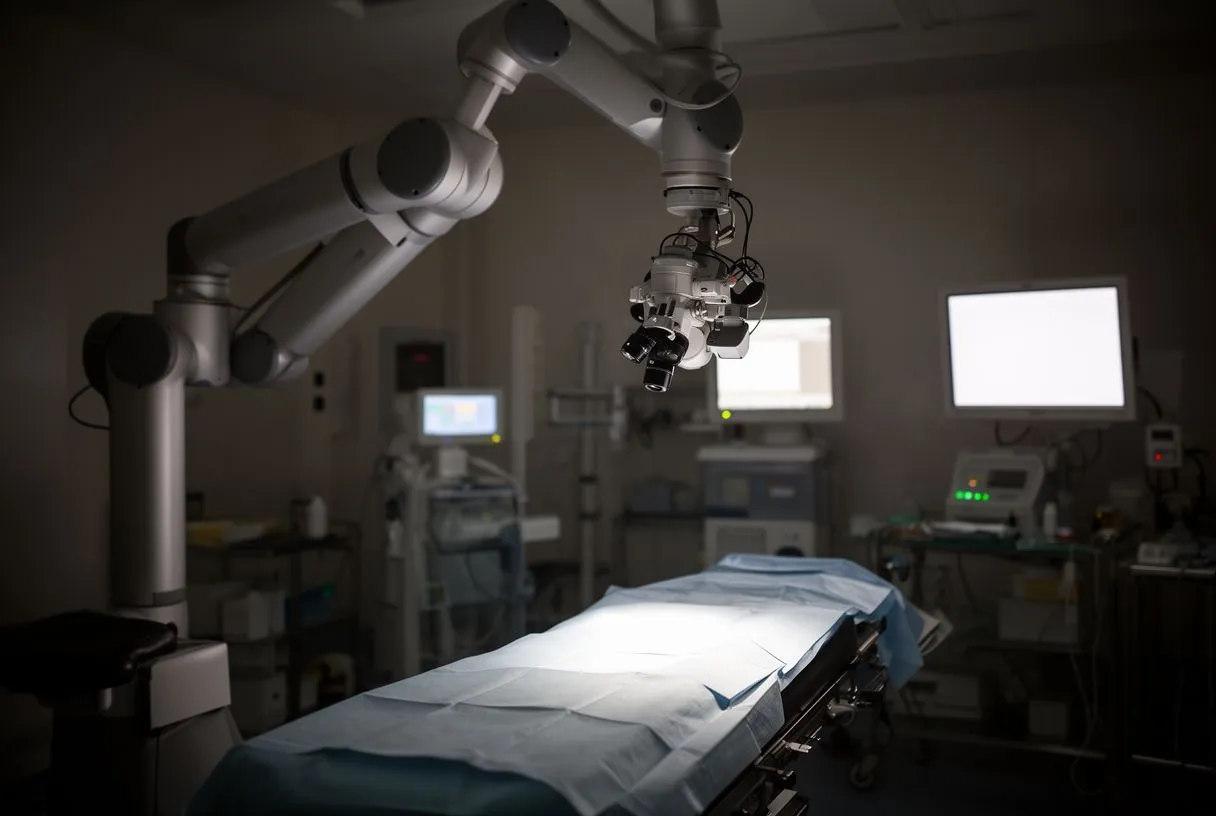
Video-Assisted Heart Surgery Recovery Timeline
Week one to two: You will be home, walking daily — usually several short walks that grow longer each day. Expect tiredness; healing is real work. Steri-strips or small dressings on the incisions come off, and the short scar starts to soften. Driving is typically possible once you are off strong pain medication and can turn the wheel comfortably, often around two weeks.
Weeks two to six: Energy returns in waves. Cardiac rehabilitation — supervised exercise and education — is worth attending even after a small-incision operation; it speeds confidence as much as fitness. Desk work usually resumes in two to three weeks; heavier physical work takes longer and depends on the operation performed.
Beyond six weeks: Most patients feel essentially back to normal, with the scar continuing to fade over months. Ask for a written recovery plan before discharge, because patients who know exactly what to expect week by week tend to recover with more confidence. Attend every scheduled follow-up and mention anything that changes, not just what hurts.
Video-Assisted Heart Surgery Risks and Safety
Honest risk profile: The fundamental risks of heart surgery — bleeding, infection, stroke, heart-rhythm problems such as atrial fibrillation, and reactions to the heart-lung machine — exist in both approaches. Video-assisted surgery adds specific considerations: injury to lung or vessels during port placement, the need to convert to an open sternotomy if the view or access proves inadequate, and the possibility of groin complications where the bypass cannulas enter. In experienced hands these are uncommon, but any honest consultation should name them.
What reduces risk: Case selection is the biggest single factor — operating on the right patient through the right route. Surgeon volume and a team that does these operations regularly matter enormously. Quitting smoking beforehand, controlling blood sugar, and dental clearance all reduce infection and wound complications.
A useful checklist when you compare programs:
- Volume: How many of these specific operations does the surgeon perform each year?
- Conversion rate: How often does the team have to convert to an open sternotomy, and what were the reasons?
- Lung screening: Does the program formally assess lung function before deflating one side?
- Team review: Is your case reviewed by more than one specialist before the plan is set?
Our multidisciplinary team of cardiac surgeons reviews every candidate case before recommending any approach, and the patient always receives the proposal together with its alternatives, because the final decision is theirs, not ours.
Video-Assisted Heart Surgery Cost in Mexico and Questions to Ask
What drives the price: The main cost components are the hospital and intensive care stay, the surgeon and anesthesia team, the heart-lung machine and disposables, imaging, and pre- and post-operative care. A video-assisted operation can shorten the hospital stay, which offsets some of the added technology cost, but no responsible team quotes a fixed price before seeing your studies — anatomy changes the plan, and the plan changes the cost.
For international patients: Traveling to Guadalajara, Querétaro or Hermosillo for surgery is common, and the practical questions are straightforward: How many days before surgery should you arrive for the final studies? How long after discharge should you stay nearby before flying? Who handles follow-up once you are home — and can your local cardiologist receive the operative report and imaging? Ask these before you commit, not after.
Questions worth writing down: Bring this list to any consultation, including ours.
- Diagnosis in plain words: Which valve or vessel is the problem, and what do my studies show?
- Route comparison: What are the alternatives — sternotomy, robotic, transcatheter — and why is one recommended for me?
- Recovery plan: How many days in hospital, when can I drive, when can I work, and who follows me up?
- Full cost picture: What is included, what could change the price, and what does the hospital stay cover?
When international patients contact us, the free video consultation is where we answer these questions directly and tell you honestly which studies you still need, so you spend money on the right tests rather than a package of unnecessary ones.
Video-assisted heart surgery has earned its place in modern cardiac care by offering smaller incisions, less pain and a faster return to everyday life for the right patients — most notably those needing mitral valve repair or selected bypass procedures. It is not automatically better than open heart surgery; it is one route among several, and the right one depends on your heart, your lungs and your overall situation. If a heart operation has been suggested for you or someone you love, the next step is not to decide from an article — it is to sit with a qualified cardiac team, see your own studies explained in plain language, and hear the alternatives. We invite you to book a consultation with our team in Guadalajara, Querétaro or Hermosillo, and to bring a second opinion with you if you have one.






