

Perfusionist
Learn what a perfusionist does in cardiac surgery, manages on the heart-lung machine, and why they’re vital to your safety at Cirugía de Corazón.
What Is a Perfusionist?
When a patient or family member first hears the term "perfusionist" in the context of a cardiac operation, it often raises questions about who exactly is in the operating room. Defining the role of a clinical perfusionist: This specialized healthcare professional is specifically trained to manage the heart-lung machine during surgeries requiring cardiopulmonary bypass. Essentially, when the heart must be stopped to allow the surgeon to repair it, the perfusionist steps in to take over the vital functions of the heart and lungs, keeping the patient alive and stable. They are the silent guardians of circulation during these critical moments.
Understanding this role helps alleviate much of the anxiety associated with open-heart procedures. The surgical team is highly coordinated, and the perfusionist works directly alongside the cardiovascular surgeon and anesthesiologist. By continuously monitoring the patient's physiological status, they ensure that blood flow and oxygenation remain perfectly balanced while the heart is at rest.
For anyone preparing for a procedure at Cirugía de Corazón, knowing that a dedicated perfusionist is exclusively focused on your circulatory support provides immense peace of mind. Their presence helps ensure that your body receives the oxygenated blood it needs, even when your own heart is temporarily paused for the surgical repair.
How Does a Perfusionist Manage the Heart-Lung Machine?
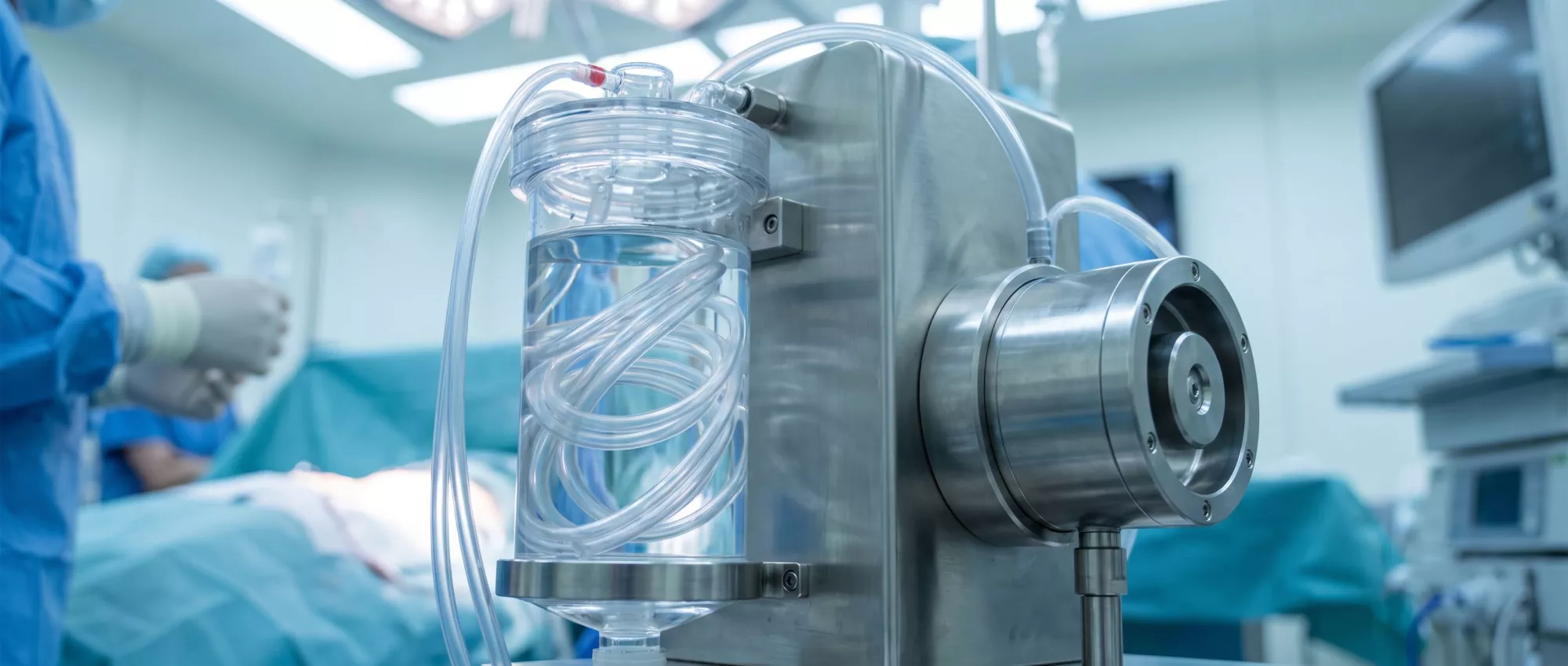
The heart-lung machine is a complex piece of medical equipment, and the perfusionist is the only person qualified to operate it during a cardiac operation. Operating the cardiopulmonary bypass circuit: This involves diverting the patient's venous blood away from the heart, routing it through a specialized oxygenator that adds oxygen and removes carbon dioxide, and then returning it to the body's arterial system. The perfusionist meticulously controls the flow rate to match the body's metabolic demands, ensuring that the brain and other vital organs remain fully perfused.
Managing this machine requires constant vigilance. Throughout the bypass phase, the perfusionist monitors dozens of parameters, including blood pressure, clotting times, and body temperature. They also administer necessary medications and specialty surgical blood filters to ensure the circulating blood remains clean and free of microemboli.
The goal is to create a motionless, bloodless surgical field for the surgeon while maintaining total physiological stability for the patient. The perfusionist adjusts the machine in real-time, responding instantly to the body's changing needs from the moment bypass begins until the heart is safely beating on its own again.
What Perfusionist Duties Keep You Safe During Cardiac Surgery?
A cardiac perfusionist's responsibilities extend far beyond simply turning a machine on and off. Monitoring anticoagulation and blood preservation: To prevent blood from clotting as it travels through the artificial tubing, the perfusionist carefully administers heparin and continuously measures the patient's coagulation status. This precise balance is crucial; too little medication risks dangerous clots, while too much risks excessive bleeding.
Controlling body temperature for cellular protection: During many heart operations, the perfusionist lowers the patient's body temperature to reduce the metabolic rate of cells. This deliberate hypothermia protects the brain and other organs by decreasing their oxygen requirement while the heart is stopped. As the surgery concludes, they gradually rewarm the patient back to a normal baseline.
Throughout the entire procedure, they serve as a primary safety monitor, alerting the surgical team to any physiological changes. To keep the perfusion process running smoothly, they rely on a variety of advanced cell-saving devices and advanced perfusion circuitry.
- Administering and monitoring anticoagulants to prevent clotting during bypass.
- Adjusting the patient's body temperature to protect vital organs.
- Managing blood flow rates to match the body's metabolic requirements.
- Running continuous blood gas and electrolyte analysis for real-time adjustments.
How to Become a Perfusionist: Education and Certification
The path to entering the perfusionist career is rigorous, demanding extensive education and hands-on clinical training. Perfusionist school and academic requirements: Aspiring professionals typically complete a bachelor's degree before entering a specialized perfusion program. These programs, often offered at the master's level, combine advanced coursework in physiology, pharmacology, and anatomy with intensive clinical practicum hours.
During their education, students learn the intricate physics of fluid dynamics, the mechanics of the heart-lung machine, and the nuanced care of critically ill patients. The curriculum is designed to build critical thinking skills so that graduates can react instantly to life-threatening emergencies in the operating room.
After completing an accredited training program, candidates must pass a comprehensive examination to become a Certified Clinical Perfusionist (CCP). This certification, along with ongoing continuing medical education, ensures that the professional managing your heart-lung machine remains at the absolute forefront of medical technology and patient safety protocols.
Perfusionist vs Anesthesiologist: Understanding the Difference
Patients often wonder about the difference between the perfusionist vs anesthesiologist, as both play vital roles in maintaining the patient's well-being during surgery. Distinct roles in the operating room: The anesthesiologist is responsible for putting the patient to sleep, managing pain, and overseeing the overall physiological status, including ventilation and anesthesia depth. They oversee the whole patient from the head of the operating table.
The perfusionist, on the other hand, has a highly specialized focus on the cardiopulmonary bypass circuit. While the anesthesiologist manages the patient's airway and level of consciousness, the perfusionist specifically manages the mechanical circulation of blood when the heart is stopped. Both professionals work in perfect harmony, communicating constantly about blood pressure, medication administration, and tissue oxygenation.
Understanding this teamwork helps families visualize the safety net surrounding their loved one. It is not just the surgeon holding the scalpel; an entire team of distinct experts is dedicated to every individual aspect of the patient's survival.
What Is a Perfusionist Salary and Career Outlook?
Given the high stakes and specialized nature of the work, the perfusionist career is both highly rewarding and in demand. The extensive education and critical responsibility are reflected in the perfusionist salary, which remains highly competitive in the healthcare sector. While compensation varies by location, experience, and clinical setting, it is universally recognized as a well-compensated profession.
Beyond financial compensation, the career outlook for these specialists is strong. As populations age and the volume of complex cardiac surgeries increases globally, the need for skilled perfusionists continues to grow. This ensures that top-tier cardiac centers can recruit the best minds to manage their operating room technologies.
For patients, knowing that the hospital invests heavily in retaining top-tier perfusionists is a strong indicator of the institution's commitment to surgical excellence. A highly motivated, well-compensated clinical team translates directly to superior patient outcomes and dedicated care.
Why the Perfusionist Role in Surgery is Vital to Your Recovery
The impact of the perfusionist role in surgery does not end when the heart begins beating again; their work directly influences the patient's postoperative recovery. Minimizing trauma during cardiopulmonary bypass: The way blood is managed, filtered, and returned to the body heavily affects how the patient feels in the days following the operation. Gentle handling of blood cells minimizes inflammation and trauma.
By maintaining optimal blood flow and oxygenation to the brain during the procedure, the perfusionist helps reduce the risk of neurological complications. This careful management means patients often wake up more alert and experience smoother, faster recoveries in the intensive care unit.
When a family chooses a cardiac surgeon, they are also choosing the entire surgical support team. The perfusionist's dedication to cellular preservation and meticulous circulatory support is a foundational pillar of a successful outcome, ensuring the heart is repaired and the rest of the body is ready to heal. Having access to an expert heart surgery recovery support team makes this healing process even more effective.
What Are the Perfusionist Requirements for Specialized Care?
When evaluating a hospital for a cardiac procedure, patients should feel empowered to ask about the team's qualifications. Specialized training for complex cases: Perfusionist requirements dictate that these professionals maintain active certification and participate in rigorous continuing education. For complex procedures, such as pediatric surgeries or multiple valve replacements, the perfusionist must adapt the bypass circuit to fit highly specific patient needs.
This adaptability requires a deep understanding of different bypass technologies, including miniature circuits for smaller patients or specialized setups for minimally invasive surgeries. The ability to customize the equipment is what separates a competent technician from a true clinical expert.
At a dedicated cardiac center, these specialized requirements are strictly enforced. Patients can rest assured that the person operating the heart-lung machine has been thoroughly vetted, tested, and proven capable of handling any complication that might arise during their procedure.
How Perfusionist Training Prepares Them for Complex Heart Procedures
Modern cardiac procedures have evolved, and so has the perfusionist training required to support them. Handling emergency scenarios and mechanical failures: Part of a perfusionist’s education involves exhaustive simulation training. They practice responding to sudden emergencies, such as a sudden drop in blood pressure or a mechanical failure in the heart-lung machine, ensuring they can troubleshoot and resolve issues in seconds.
They are also trained in advanced life support and remain a crucial asset if the surgical team needs to initiate emergency bypass or resuscitation efforts. This comprehensive preparation ensures that the operating room remains a controlled environment, no matter how complex the anatomy or how severe the cardiac disease.
- Immediate response protocols for unexpected drops in blood pressure.
- Rapid troubleshooting and manual operation of bypass equipment during power losses.
- Continuous assessment of neurological and metabolic support during extended surgeries.
Conclusion: Trusting Your Cardiac Surgery Team
Understanding the various roles within the operating room transforms a frightening unknown into a structured, reassuring safety net. The perfusionist is a cornerstone of cardiac surgery, acting as the guardian of the patient's circulation when the heart is at rest. By expertly managing the heart-lung machine, anticoagulation, and body temperature, they provide the stable foundation necessary for a successful surgical repair.
For families and patients facing a cardiac event, knowledge is a powerful tool for peace of mind. Knowing that a highly trained, certified clinical perfusionist is dedicated entirely to keeping your blood flowing and your organs oxygenated allows you to focus on recovery rather than fear. Trusting your surgical team means trusting every specialized professional in the room, especially the one managing your lifeline.






