

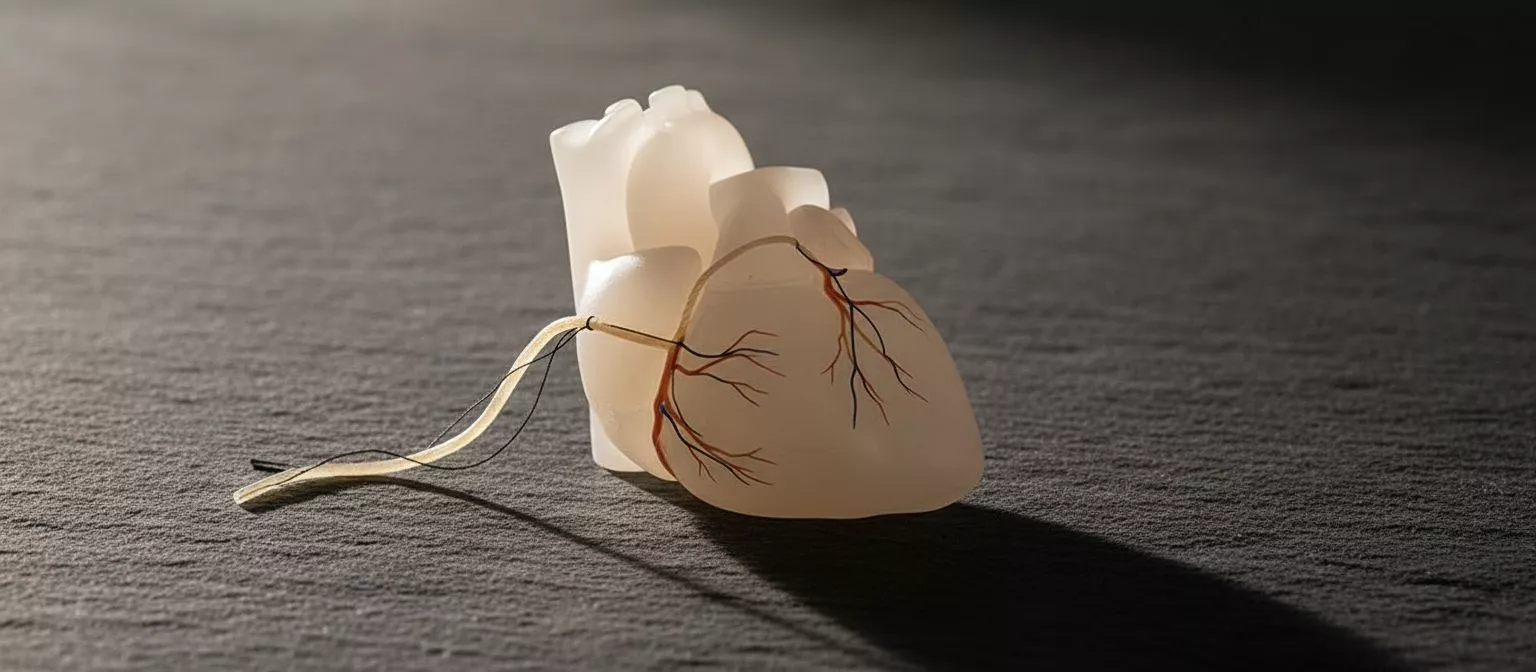
Saphenous Vein Graft
Discover how a saphenous vein graft restores blood flow to your heart.
What Is a Saphenous Vein Graft?
A saphenous vein graft is a healthy blood vessel taken from your leg and used to create a new route for blood to reach your heart muscle. When a coronary artery becomes narrowed or blocked by plaque, the heart struggles to get enough oxygen-rich blood. Surgeons use this graft to bypass the blockage, restoring normal blood flow to the affected area of the heart. It is one of the most common and reliable tools in cardiac bypass surgery.
Where the vein comes from: The great saphenous vein runs along the inside of your leg, from the groin down toward the ankle. Because it is a long, straight, and durable vessel, it is an excellent natural tube for bypassing blockages in the heart.
Why this matters to you: If you or a loved one is preparing for a coronary bypass saphenous vein procedure, knowing exactly what the surgeon will use helps you understand the path ahead. The goal is to relieve chest pain, improve exercise tolerance, and reduce the risk of a heart attack.
Why Is the Saphenous Vein Used for Bypass Surgery?
Surgeons choose the saphenous vein because it is long enough to reach from the aorta down to the coronary arteries on the heart, and it handles arterial pressure well. The body actually contains redundant veins in the leg, meaning the saphenous vein can be removed without harming normal blood return from the leg. Other veins take over the job of carrying blood back to the heart.
Is it safe to remove a vein from the leg? Yes. The deep veins of the leg remain intact and easily manage venous return after the saphenous vein is harvested. Patients may experience some bruising or swelling in the early weeks, but the leg heals reliably.
Can the vein be used for more than one bypass? Absolutely. Because the saphenous vein is long, the surgeon can divide it into segments to bypass multiple blocked arteries in a single operation.
How Saphenous Vein Bypass Surgery Works
During the operation, the surgeon harvests the saphenous vein from the leg, prepares it carefully, and attaches one end to the aorta (the large artery leaving the heart). The other end is connected to the coronary artery beyond the blockage. This creates a new channel that allows blood to flow freely around the diseased section of the artery.
Restoring healthy blood flow: The moment the graft is connected and blood flows through it, the heart muscle receives oxygen and nutrients it had been missing. This immediate restoration is what relieves symptoms like angina and shortness of breath.
The surgery usually takes between three and six hours, depending on how many bypass grafts are needed. Patients are under general anesthesia throughout the procedure, and the surgical team monitors heart and lung function constantly.
Saphenous Vein vs Mammary Graft: What Is the Difference?
When planning a coronary bypass saphenous vein operation, surgeons often use a combination of different grafts. The internal mammary artery, located inside the chest wall, is frequently used for the most important bypass to the front of the heart. The saphenous vein is then used for additional blockages on the back or side of the heart.
Artery versus vein durability: Arterial grafts like the mammary artery tend to stay open longer than vein grafts because their structure is better suited to handle the high pressure of arterial blood flow. However, vein grafts are highly effective for reaching areas arterial grafts cannot reach easily.
- Mammary artery graft: Often used for the left front coronary artery; excellent long-term patency.
- Saphenous vein graft: Versatile and long; used for multiple bypasses on the back and side of the heart.
- Combined approach: Most bypass surgeries use both to maximize blood flow to all areas of the heart muscle.
What to Expect During Saphenous Vein Harvest
Modern saphenous vein harvest is much less invasive than it once was. Surgeons often use a minimally invasive technique with a small camera (endoscope) and one or two small incisions in the leg. This approach reduces pain, lowers the risk of infection, and speeds up healing compared to the older method of opening the leg from ankle to groin.
Minimally invasive vein harvesting: The surgical team makes a small incision near the knee, inserts a thin tube with a camera, and carefully separates the vein from surrounding tissue. Once the vein is removed, it is prepared and brought up to the chest for grafting.
After vein harvest surgery, the leg will be wrapped firmly, and you may wear compression stockings for a short time. Gentle walking is encouraged soon after surgery to promote circulation and prevent stiffness in the leg.
Bypass Surgery Recovery and Hospital Stay
Most patients stay in the hospital for four to seven days after coronary bypass vein graft surgery. The first day or two is spent in the intensive care unit, where nurses and monitors watch your heart rhythm and blood pressure closely. Once you are stable, you move to a regular room and begin walking with assistance.
The first weeks at home: Full bypass surgery recovery takes about six to eight weeks for the breastbone to heal, though many people feel much better within two or three weeks. You will be encouraged to walk daily, gradually increasing distance.
Cardiac rehabilitation is usually recommended after discharge. This supervised exercise and education program helps you rebuild strength safely and learn heart-healthy habits that protect your new grafts for years to come.
Saphenous Vein Graft Patency and Longevity
Graft patency means the vein stays open and allows blood to flow through it without obstruction. Saphenous vein graft longevity is very good, especially in the first five to ten years after surgery. Most patients enjoy excellent blood flow and symptom relief for many years.
What keeps a graft open? The most important factor is controlling the same conditions that caused the original blockage. Taking prescribed medications, keeping blood pressure and cholesterol in a healthy range, and avoiding smoking all protect the graft from developing new plaque.
Doctors monitor graft patency through regular follow-ups, stress tests, and sometimes imaging studies. If a graft begins to narrow, your cardiologist can often treat it with medication or a minimally invasive procedure before it becomes a serious problem.
Understanding Saphenous Vein Graft Failure and Occlusion
Saphenous vein graft failure happens when the graft narrows or becomes blocked. This can occur early after surgery due to clot formation or later due to the gradual buildup of plaque inside the graft. Saphenous vein graft occlusion is the medical term for a complete blockage.
Early versus late graft problems: Early failure is rare and is usually related to blood clotting in the first few weeks. Late failure happens slowly over years as the vein adapts to arterial pressure and develops plaque. Regular checkups catch these changes early.
If a graft fails, it does not always mean another surgery is needed. Many narrowed grafts can be opened with a stent placed during a catheter procedure. Only when multiple grafts fail or symptoms are severe does a saphenous vein graft revision operation get considered.
Common Saphenous Vein Graft Complications
Most bypass surgeries are successful, but like any major operation, there are risks. Saphenous vein graft complications can include bleeding, infection at the incision sites, irregular heart rhythms, and reactions to anesthesia. The surgical team takes extensive precautions to minimize every one of these risks.
Recognizing graft stenosis: Saphenous vein graft stenosis is a narrowing that can develop over time. If you notice returning chest pain, shortness of breath, or unusual fatigue months or years after surgery, contact your cardiologist. These symptoms may indicate a graft is narrowing and needs attention.
Leg-specific issues include temporary swelling, bruising, or numbness along the incision. These usually resolve within a few weeks. Wearing compression stockings and elevating the leg when resting helps the leg heal faster and more comfortably.
- Bleeding: Rare and usually managed in the operating room immediately.
- Leg wound issues: Minor swelling or numbness; improves with walking and time.
- Irregular rhythms: Common after heart surgery; often temporary and treated with medication.
Life After Saphenous Vein Bypass Surgery
Many people return to their normal routines within two to three months after surgery. The key to long-term success is protecting your grafts the same way you protect your heart. A diet low in saturated fat, regular exercise, and strict adherence to your medication plan keep saphenous vein graft disease from progressing.
Your long-term outlook: With good medical care and healthy lifestyle choices, a saphenous vein bypass can provide symptom relief and improved quality of life for over a decade. Your cardiologist will guide you on the best schedule for follow-up testing and medication adjustments.
Remember that a bypass treats the blockage, not the underlying disease. Taking ownership of your heart health every day is the most powerful step you can take. By staying active, eating well, and keeping all medical appointments, you give your new grafts the best chance to serve you well for years to come.






