

Graft Occlusion
Understand graft occlusion after bypass surgery: causes, symptoms, diagnosis & treatment options.
What is graft occlusion
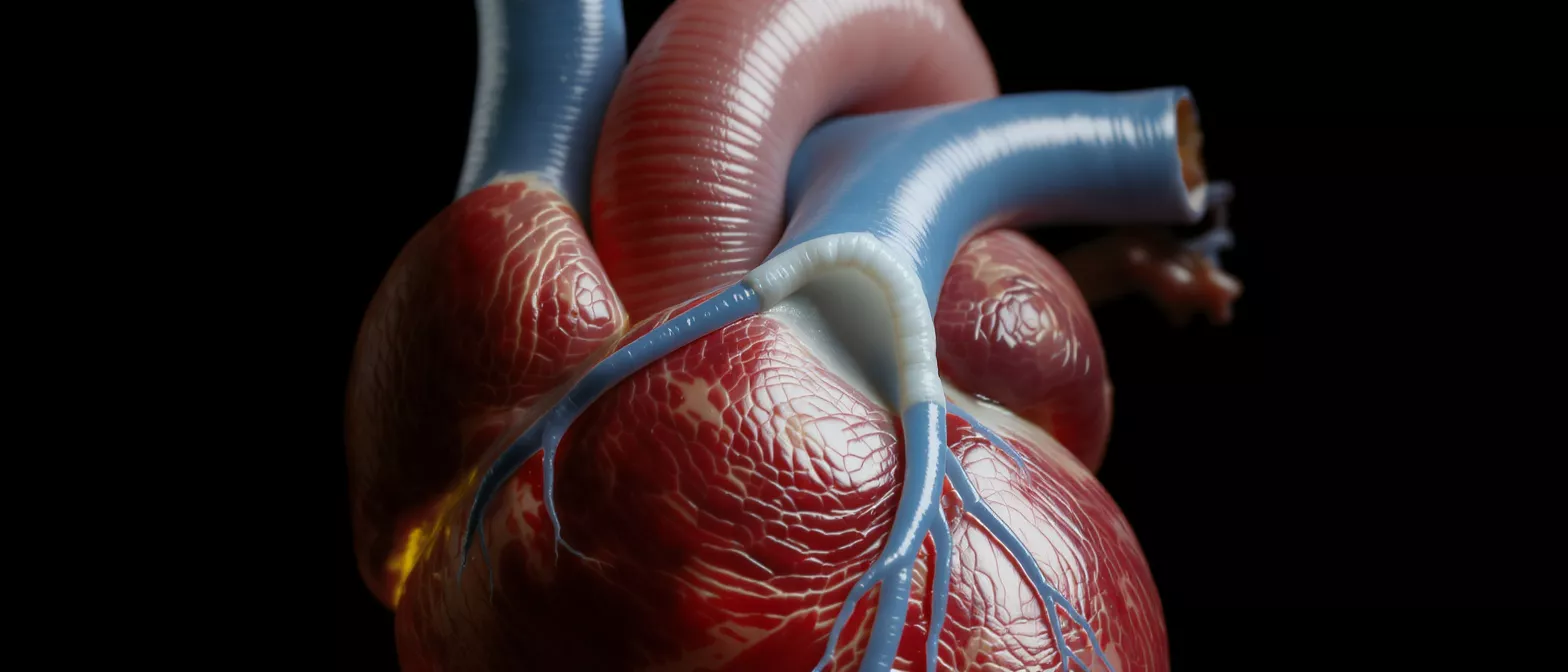
Graft occlusion is a medical term that describes a blockage in one of the blood vessels that was attached to your heart during bypass surgery. When a surgeon performs a coronary artery bypass grafting procedure, they take a healthy blood vessel from another part of your body and use it to create a new path for blood to flow around a blocked artery. If this newly placed vessel becomes narrowed or completely blocked over time, doctors refer to it as an occlusion.
Understanding this condition helps patients and families recognize why routine cardiac follow-ups are so vital. A bypass graft is meant to be a durable solution for restoring blood flow to the heart muscle. However, just like the original coronary arteries, these new vessels are not immune to the buildup of plaque or the formation of blood clots.
Learning the basics of how these surgical conduits work gives you a stronger foundation for your recovery journey. By knowing what graft occlusion is, you can better understand your doctor's recommendations regarding medications, lifestyle adjustments, and the long-term management of your heart health.
Types of graft occlusion
Arterial graft occlusion involves the blocking of grafts taken from arteries, such as the internal mammary artery. These conduits are highly durable and generally resist the buildup of plaque better than veins, meaning they are less likely to experience long-term blockages. When an arterial graft does fail, it is often due to a technical issue during the initial operation or a rare spasm of the vessel.
Vein graft occlusion is more common and typically involves vessels taken from the leg. Saphenous veins are frequently used in bypass surgery because they are long and easy to harvest. However, veins are not built to handle the high-pressure arterial blood flow of the heart, making them more susceptible to narrowing over the years.
Recognizing the difference between these conduits helps patients understand their specific surgical reports. The longevity of your bypass depends heavily on the type of vessel used, which is why your surgical team selects the best materials for your unique anatomy.
How does graft occlusion affect blood flow
The primary purpose of a bypass graft is to act as a detour, routing oxygen-rich blood around a severely narrowed coronary artery. When a graft occlusion occurs, this critical detour becomes compromised. If the blockage is partial, the blood flow is reduced, which can starve the heart muscle of necessary oxygen during physical exertion or emotional stress.
If the graft occludes completely, the blood supply to that specific area of the heart is abruptly cut off. This sudden stoppage can cause the symptoms of a heart attack, meaning the heart tissue beyond the blockage is at immediate risk. The severity of the impact on blood flow depends on how much of the heart muscle relies on that specific graft.
The body sometimes adapts to a slowly progressing blockage by developing tiny collateral blood vessels that act as natural bypasses. However, relying on these small vessels is rarely enough to support a fully functioning heart. Restoring adequate blood flow through targeted therapies or medical management is always the main priority to keep the heart muscle healthy.
What causes graft occlusion after bypass
Intimal hyperplasia is a common early cause of blockages. When a vein is moved from the leg to the heart, it must adapt to the high-pressure environment of arterial blood flow. This sudden change causes the inner lining of the vein to thicken rapidly as a healing response, which can narrow the diameter of the vessel and restrict blood flow within the first year of surgery.
Atherosclerosis progression is the leading cause of late graft occlusion. Over years and decades, cholesterol and inflammatory cells can build up inside the walls of the grafted vessels. This plaque accumulation mirrors the disease process that blocked the native coronary arteries in the first place, eventually leading to a severe narrowing or total blockage.
Blood clots, or thrombosis, are another significant cause of acute graft failure. If a graft becomes damaged or if the blood flow becomes sluggish, platelets can clump together and form a clot. This is why maintaining strict adherence to prescribed blood thinners is absolutely crucial for protecting the patency of your surgical grafts.
Graft occlusion symptoms to watch for
Patients must be aware of the warning signs indicating a potential graft occlusion. Because the graft supplies blood to the heart muscle, a blockage produces symptoms very similar to a traditional heart attack. The most common symptom is angina, which feels like a heavy pressure, tightness, or squeezing sensation in the center of the chest.
Other symptoms may include shortness of breath, particularly during physical activity or when lying flat. Some patients experience pain radiating down the left arm, into the jaw, or across the upper back. If you notice a return of the exact chest discomfort you felt before your bypass surgery, it is a strong indicator that your heart is struggling to get enough oxygen.
- Angina: Recurring chest pressure, tightness, or pain that may mirror pre-surgery discomfort.
- Dyspnea: Unexplained shortness of breath during routine activities or rest.
- Radiating pain: Discomfort spreading to the jaw, neck, back, or left arm.
If you experience any of these symptoms, you must seek emergency medical care immediately. Prompt treatment of a blocked graft is essential for preventing permanent damage to the heart muscle and preserving your overall cardiac function.
Graft occlusion risk factors
Certain lifestyle choices and underlying health conditions can accelerate the narrowing of your surgical grafts. Uncontrolled high cholesterol is a primary culprit, as it directly deposits fatty plaque into the walls of the new vessels. Patients who continue to smoke after bypass surgery face a substantially higher risk, because tobacco smoke chemically damages the inner lining of all blood vessels.
Diabetes is another major risk factor, especially if blood sugar levels are poorly managed over a long period. High glucose levels cause systemic inflammation and accelerate the hardening of the arteries. Patients with severe hypertension also face elevated risks, as constant high blood pressure physically stresses the walls of the grafts.
Managing these underlying conditions requires a partnership between the patient and their cardiology team. Strict medication adherence, routine monitoring of vital signs, and daily lifestyle modifications are your best defenses against premature graft failure. By controlling these variables, you dramatically improve the lifespan of your surgical bypass.
How graft occlusion is diagnosed
When a doctor suspects a graft occlusion, they utilize several diagnostic tools to evaluate the flow of blood to the heart. An electrocardiogram is usually the first test performed to check the electrical activity of the heart, which changes when the heart muscle is deprived of oxygen. Blood tests are also ordered to look for specific enzymes that indicate heart tissue damage.
Coronary angiography is the gold standard for confirming a diagnosis. During this procedure, a cardiologist threads a thin catheter through an artery in the wrist or groin and guides it to the heart. A special contrast dye is injected into the grafts while X-ray images are taken, allowing the medical team to see exactly where and how severely a graft is blocked.
Non-invasive tests like stress tests or cardiac CT scans may also be used to evaluate blood flow. These tests help doctors determine if the heart is receiving enough oxygen under stress before moving forward with more invasive diagnostic procedures. Accurate diagnosis is crucial for mapping out an effective and safe treatment plan.
Graft occlusion treatment options
Treating a blocked graft depends heavily on the severity of the occlusion and the patient's overall health. If the blockage is partial and the patient is stable, doctors may simply optimize the medical therapy. This involves adjusting medications to better control chest pain, lower cholesterol, and prevent further clotting, allowing the body to rely on natural collateral circulation.
For sudden or severe blockages, interventional procedures are often required. A cardiologist may perform an angioplasty to open the narrowed graft, typically placing a stent to keep the vessel propped open. This minimally invasive approach restores immediate blood flow without the need for another major open-heart operation.
In complex cases where multiple grafts have failed or the angioplasty is unsuccessful, a surgeon might discuss undergoing a second bypass surgery. While this is a major undertaking, advanced cardiovascular care solutions have made repeat surgeries safer and more effective, offering renewed blood flow when all other options are exhausted.
Graft occlusion prevention strategies
Prevention is the most effective treatment for graft disease, starting the moment a patient leaves the hospital. Strict adherence to prescribed antiplatelet medications and statins is non-negotiable. These drugs work together to prevent dangerous blood clots and halt the progression of plaque inside the fragile grafts.
Lifestyle changes play an equally important role in preserving the integrity of the bypass. Adopting a heart-healthy diet low in saturated fats and sodium helps manage cholesterol and blood pressure. Regular, moderate exercise strengthens the cardiovascular system and improves overall circulation, while quitting smoking entirely halts the chemical damage to the vessel walls.
- Mediterranean diet: Focus on lean proteins, vegetables, and healthy fats to reduce plaque buildup.
- Cardiac rehabilitation: Follow a medically supervised exercise program to safely strengthen the heart.
- Medication adherence: Take all prescribed heart medications exactly as directed to protect graft patency.
Patient education is a cornerstone of long-term success. By fully understanding how comprehensive cardiac wellness programs support these lifestyle changes, individuals are empowered to take control of their recovery and protect their surgical investment for decades.
Graft occlusion complications and long-term outlook
The most significant complication of an untreated graft occlusion is a myocardial infarction, commonly known as a heart attack. When the heart muscle is starved of blood for too long, the tissue dies, which permanently weakens the pumping ability of the heart. This can lead to heart failure, irregular heart rhythms, and a severely diminished quality of life.
However, the long-term outlook for patients with a blocked graft is not universally negative. Because the medical community has decades of experience managing bypass patients, interventions are highly refined. Many people live long, active lives even after experiencing a graft occlusion, provided they seek prompt treatment and commit to aggressive medical management.
Ultimately, surviving and thriving after a graft occlusion requires a lifelong partnership with your cardiac care team. By staying vigilant for symptoms and utilizing state-of-the-art heart monitoring diagnostics, patients can catch problems early and maintain excellent heart health for years to come.






