

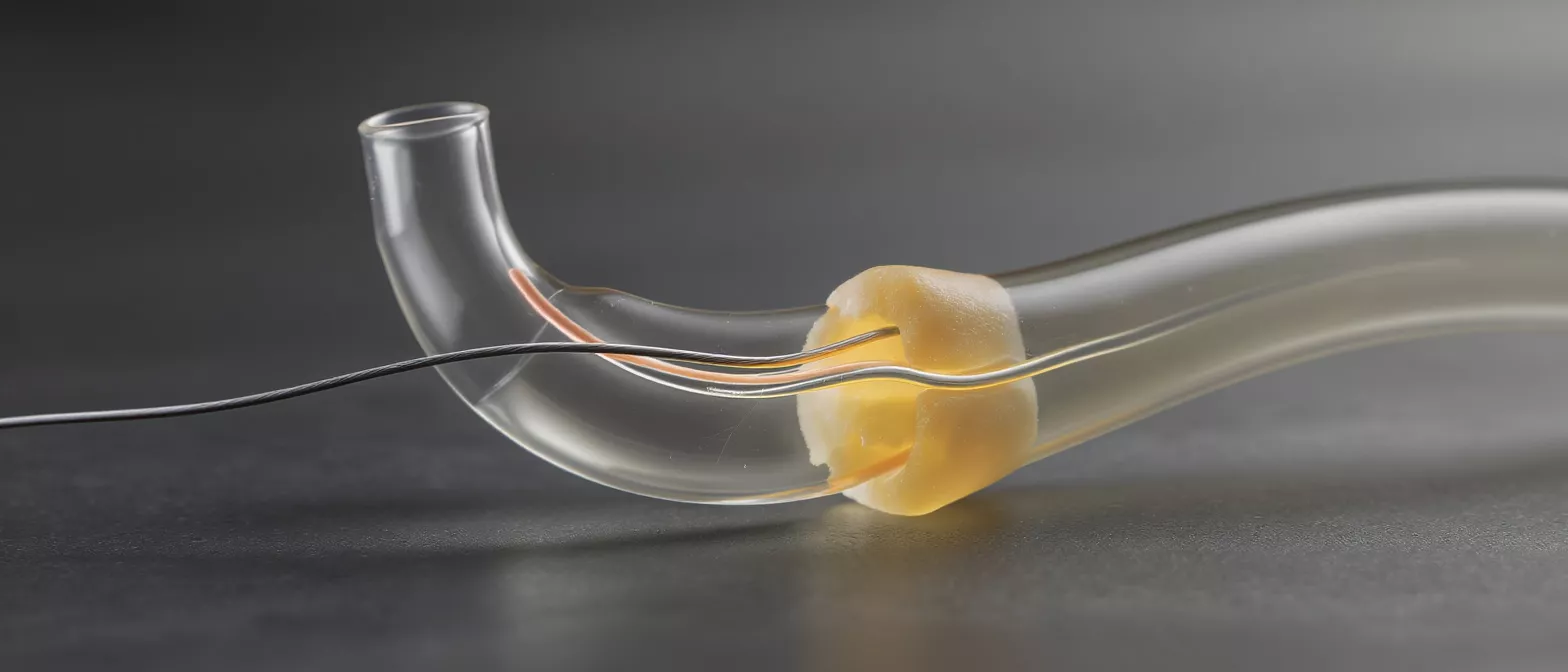
Angioplasty
Angioplasty opens blocked arteries to restore blood flow.
What is angioplasty
Definition and purpose: Angioplasty is a minimally invasive medical procedure used to open narrowed or blocked blood vessels supplying the heart. By threading a thin tube through a small incision in the wrist or groin, doctors can reach the affected artery and widen it to restore healthy blood flow. This approach is often an alternative to open-heart surgery, offering patients a faster recovery and less physical trauma.
Why blocked arteries matter: Coronary arteries can become narrowed by plaque buildup, a condition called atherosclerosis. When these vessels restrict blood flow, patients often feel chest pain (angina) or shortness of breath. Restoring proper circulation is vital to protect the heart muscle and prevent more serious events like a heart attack.
For patients facing cardiac issues, the term angioplasty can sound intimidating at first. However, understanding the mechanics, benefits, and recovery expectations makes the concept far less daunting. This guide breaks down the essentials so patients and families can approach their treatment with confidence and clarity.
How the angioplasty procedure works
The catheter journey: Doctors insert a long, thin tube called a catheter into an artery in the wrist or groin. Using live X-ray imaging, they gently guide this tube up through the blood vessels to the heart. Once the tip reaches the narrowed section, a tiny deflated balloon at the end is carefully positioned inside the blockage.
The balloon is then inflated to press the accumulated plaque against the artery walls. This compression widens the channel, allowing blood to flow freely again. The physician typically deflates and removes the balloon catheter after ensuring the vessel has been adequately opened.
Immediate results: Many patients feel rapid relief from angina symptoms almost immediately after the vessel is unblocked. The improved blood flow delivers much-needed oxygen to the heart tissue, which resolves the oxygen deficit causing the discomfort.
Why coronary angioplasty is used for blocked artery treatment
Addressing acute emergencies: When a patient suffers a heart attack, an emergency angioplasty is often the fastest way to open the completely blocked artery and minimize permanent heart muscle damage. Acting quickly restores critical blood supply during a life-threatening event.
Relieving chronic symptoms: Elective angioplasty is scheduled to improve quality of life for patients whose arteries are narrowed but not completely closed. If chest pain prevents walking or performing daily tasks, unblocking the artery helps patients return to normal activities. It is an effective intervention when medications alone fail to control symptoms adequately.
Doctors generally recommend this intervention after reviewing cardiac catheterization imaging results and confirming that the blockage is accessible. The decision depends on how many arteries are affected, the severity of the narrowing, and the patient's overall health status.
Balloon angioplasty and stent placement explained
The balloon's mechanical role: Balloon angioplasty refers specifically to the inflation step that physically compresses the plaque. While effective on its own, the artery walls sometimes have a tendency to spring back or narrow again after the balloon is removed.
Stent placement support: To keep the vessel propped open permanently, doctors usually place a stent. A stent is a tiny wire mesh tube that expands with the balloon and stays inside the artery permanently.
Most modern stents are coated with a slow-release medication (drug-eluting stents) that prevents scar tissue from growing inside the mesh. This innovation has significantly improved long-term outcomes for heart patients worldwide.
Angioplasty vs bypass which is right for you
Patients often wonder whether a stent or bypass surgery is better. The truth is that angioplasty and coronary bypass serve different purposes, and the best choice depends on the complexity of the heart disease.
- Angioplasty: Minimally invasive, faster recovery, ideal for one or two blockages that are accessible.
- Coronary Bypass: Open-heart surgery, longer recovery, better for multiple severe blockages or when the left main artery is damaged.
Cardiac surgeons use advanced diagnostic mapping tools to evaluate the location and severity of plaque buildup. They consider underlying conditions like diabetes and patient history to recommend the safest, most effective path to restoring heart health.
What to expect during angioplasty recovery time
Immediate post-procedure: Patients typically spend a few hours in recovery to ensure the insertion site stops bleeding and the heart remains stable. If accessed through the wrist, the patient can often sit up immediately, whereas groin access requires lying flat for a few hours.
Returning home: Most patients go home the same day or stay overnight for observation. Angioplasty recovery time is remarkably short compared to open-heart surgery, with most individuals resuming light activities within a week.
Doctors will prescribe medications, often including a blood thinner, to prevent clots from forming inside the newly opened vessel. Following these medication instructions strictly is one of the most critical components of a successful recovery. Check-ups and post-procedure cardiac monitoring equipment help the care team track healing progress.
Understanding angioplasty risks and complications
Common procedural risks: While generally safe, the procedure carries some risks. Bleeding or bruising at the catheter insertion site is the most frequent complication. Some patients may also experience allergic reactions to the contrast dye used during X-ray imaging.
Severe but rare events: More serious complications include blood vessel damage, kidney injury from the dye, or an abrupt closure of the treated artery (which can trigger a heart attack). The clinical team monitors vital signs continuously to intervene if anything goes wrong.
Discussing these risks openly with the surgeon helps patients make informed decisions. The overall safety profile of angioplasty is very high, and life-threatening events are rare in stable hospital environments.
Factors affecting angioplasty success rate
Medical adherence: Strict compliance with prescribed medications, especially blood thinners, dramatically lowers the chance of the artery re-narrowing. The angioplasty success rate remains high when patients follow their doctor's guidelines carefully.
Lifestyle changes: The physical opening of an artery fixes the immediate problem, but does not stop plaque from forming elsewhere. Maintaining a heart-healthy lifestyle is imperative to keep vessels clear and functional.
- Adopting a diet low in saturated fats and sodium.
- Quitting smoking and avoiding secondhand smoke.
- Engaging in regular, doctor-approved cardiovascular exercise.
By addressing underlying habits, patients protect their circulatory system and extend the lifespan of the stent, minimizing the need for repeat interventions in the future.
Cardiac catheterization and pre-procedure planning
Diagnostic catheterization: Before an angioplasty is scheduled, patients undergo cardiac catheterization to locate blockages. A dye is injected through the catheter, and X-rays capture how it flows through the coronary arteries, revealing exact narrowing points.
Preparation steps: Patients usually fast for several hours before the procedure. The medical team reviews all current medications, particularly blood thinners or diabetes drugs, as dosages often need temporary adjustment to prevent complications.
Arranging a family member or friend to drive home afterward is essential, as patients cannot operate vehicles immediately. Bringing a list of questions to the pre-op appointment helps reduce anxiety and ensures clarity regarding the surgical plan.
Key takeaways for patients considering angioplasty
Summary of benefits: Angioplasty is a powerful, minimally invasive tool that restores blood flow to the heart, relieving chest pain and preventing muscle damage during heart attacks. The procedure relies on advanced catheter technology and stent placement to keep arteries structurally open.
Commitment to ongoing health: The physical intervention is just the beginning of a long-term cardiac care journey. Patients must commit to lifestyle changes and medication adherence to ensure the treated vessels remain clear and healthy.
Understanding what the procedure entails removes much of the fear surrounding heart treatment. With expert care and proper follow-up, patients can return to active, fulfilling lives. Always consult a qualified cardiac specialist to determine the best treatment plan for individual health needs.






