

Drug-eluting Stent
Learn how a drug-eluting stent keeps arteries open after angioplasty.
What is a drug-eluting stent
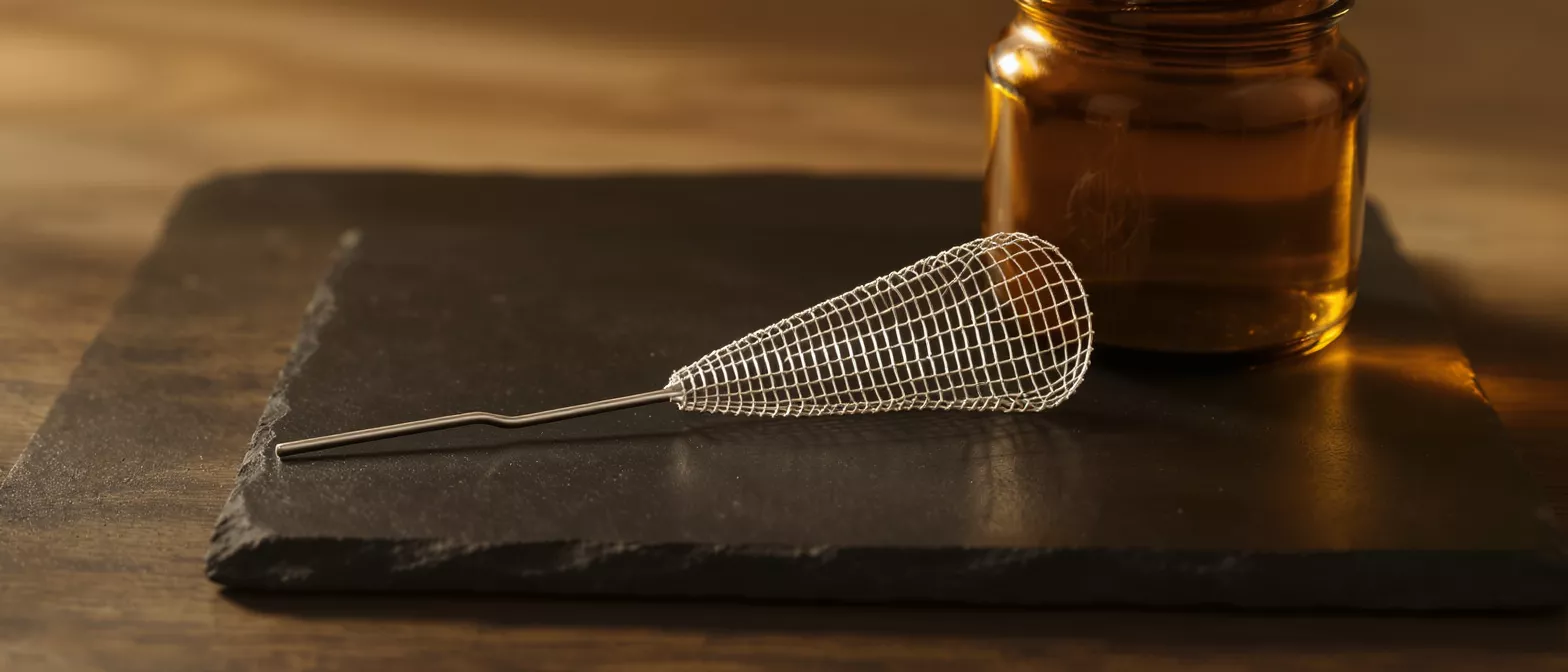
A drug-eluting stent is a tiny mesh tube inserted into a narrowed coronary artery to keep it open, coated with a slow-release medication. The stent scaffolds the artery wall while the drug coating prevents scar tissue from re-narrowing the vessel. It is a standard treatment for many patients with coronary artery disease.
When fatty plaques build up inside the heart’s arteries, blood flow to the heart muscle is reduced, causing chest pain or heart attack. The stent restores blood flow by widening the passage. Unlike older bare metal designs, this device actively releases medication into the vessel wall over several weeks to months.
The medication used is typically a cell-growth inhibitor that limits over-healing. By controlling the healing response, the artery stays open longer. The interventional cardiologist selects each device to match the patient’s anatomy and medical history.
How drug-eluting stents work
The DES stent cardiology mechanism relies on three components: a metal scaffold, a polymer coating, and the medication itself. The metal framework provides immediate structural support, propping the artery open. The polymer layer binds the medication to the metal and controls its release into the tissue.
Medication release timeline: Most medication is released within the first 30 to 90 days after the procedure, the period when scar tissue formation is most active. The specific drug used, such as everolimus or zotarolimus, interrupts the cell cycle of smooth muscle cells to prevent unwanted tissue growth.
- Scaffold: Metal mesh holds the artery open immediately.
- Medication: Polymer coating releases drugs over weeks to prevent scar tissue.
- Endothelial healing: Healthy cells eventually cover the stent, making it part of the artery wall.
Drug-eluting stent vs bare metal stent
The main difference between a drug-eluting stent and a bare metal stent is the presence of the medication coating. Bare metal stents provide the same physical scaffolding but lack the drug layer, meaning scar tissue can grow through the mesh and re-narrow the artery. This re-narrowing, called restenosis, was historically a common drawback of early stents.
Because drug-eluting stents dramatically reduce restenosis rates, they are now the default choice for most patients undergoing angioplasty. However, bare metal stents may still be used in specific cases where a patient cannot tolerate dual antiplatelet therapy for an extended period.
Modern designs use thinner metal struts and more biocompatible polymers, further reducing clotting risk compared to older generations. These improvements make the newer devices safer and more effective for a wider range of patients, including those with complex blockages.
Drug-eluting stent procedure
The drug-eluting stent procedure is a minimally invasive technique performed in a cardiac catheterization laboratory. The cardiologist inserts a thin catheter through a small needle puncture in the wrist or groin, guiding it through the blood vessels to the heart. This approach avoids large incisions and allows for rapid recovery.
Once the catheter reaches the blockage, a tiny balloon is inflated to compress the plaque against the artery wall. The stent, mounted on the balloon, expands and locks into place.
The entire process typically takes 30 to 90 minutes, depending on the number of blockages. Patients are usually awake but sedated, and most return home the following day. Our surgical team prioritizes patient comfort and clear communication throughout every step.
Drug-eluting stent benefits
Drug-eluting stent benefits include a significantly lower rate of re-narrowing compared to bare metal alternatives. By preventing scar tissue from blocking the stent, patients experience fewer repeat procedures and better long-term outcomes. The medication coating is highly effective at maintaining clear arteries over time.
Additionally, because the procedure is minimally invasive, patients avoid the trauma of open-heart surgery. Recovery is faster, with less pain and a quicker return to daily activities. For patients with multiple blockages, using these stents can delay or prevent the need for bypass surgery.
The technology has a proven track record of safety and efficacy. Newer generations of these devices have excellent flexibility, allowing cardiologists to navigate complex anatomy and place stents in challenging locations within the heart’s vascular tree.
Restenosis prevention stent
Restenosis is the re-narrowing of an artery after it has been treated with angioplasty. A restenosis prevention stent tackles this problem by releasing medication directly at the site of the injury, halting the aggressive cell growth that causes scar tissue.
When a balloon stretches an artery, it causes a controlled injury to the vessel wall. The body’s natural healing response can overcompensate, leading to tissue proliferation. The medication on these stents modulates this immune response, ensuring the artery heals without excessive tissue buildup.
Because restenosis can cause recurrent chest pain and require repeat interventions, preventing it is a primary goal of interventional cardiology.
Drug-eluting stent complications
While generally safe, drug-eluting stent complications can occur. The most significant risk is stent thrombosis, a blood clot forming inside the device. To minimize this risk, patients must take prescribed blood thinners, usually a combination of aspirin and an antiplatelet drug, for several months to a year.
Blood clot prevention: Dual antiplatelet therapy is essential. Stopping these medications early dramatically increases the risk of a dangerous clot forming inside the stent. Patients must communicate with their cardiologist before pausing any medication.
Other potential complications include bleeding at the insertion site or an allergic reaction to the contrast dye used during imaging. Our team carefully screens patients for risk factors, ensuring that the benefits of the procedure heavily outweigh the potential risks.
Drug-eluting stent recovery time
Drug-eluting stent recovery time is remarkably short. Most patients leave the hospital within 24 hours of the procedure. It is normal to experience some bruising or tenderness at the catheter insertion site, but severe pain is uncommon.
Cardiac rehabilitation focuses on gradually returning to normal physical activity. Patients are encouraged to walk and engage in light exercise within a few days, avoiding heavy lifting or strenuous exertion for about a week. Full recovery and return to all normal activities typically occur within one to two weeks.
Follow-up appointments are critical to monitor healing and ensure the medication is working. Ask for detailed discharge instructions to help you navigate your recovery. Adhering to prescribed medications is the most important factor in long-term success.
Coronary artery stent types
There are several coronary artery stent types available, each designed for specific clinical scenarios. The most common are drug-eluting stents, which are the default for most patients. Bare metal stents are rarely used today but remain an option for patients with bleeding risks.
Bioresorbable scaffolds represent another innovation; these temporary stents gradually dissolve after supporting the artery, leaving nothing behind. However, they are not suitable for all blockages.
Choosing the right device depends on the size of the artery, the complexity of the blockage, and the patient's overall health. The cardiologist reviews each case to select the most appropriate technology.
Drug-eluting stent cost and access
Understanding drug-eluting stent cost is a common concern for patients. The final expense depends on the hospital, the specific device used, and whether the procedure involves single or multiple stents.
Access to advanced cardiac care is crucial. We believe that geographical location should not be a barrier to receiving state-of-the-art cardiac intervention.
Contact Cirugía de Corazón today to learn more about your options and schedule a consultation with our specialists.






