

Stent Thrombosis
Stent thrombosis is a serious complication after stent placement.
What is stent thrombosis
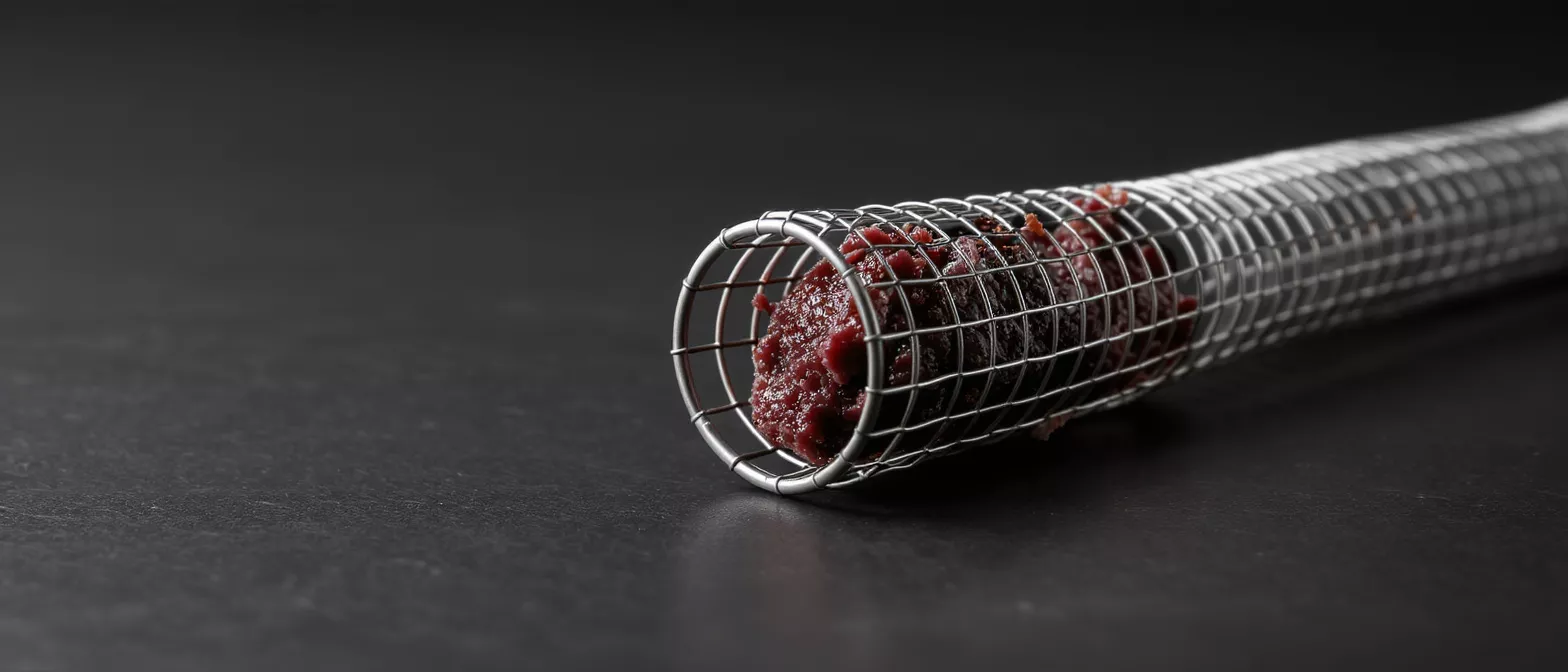
When a patient undergoes a procedure to open a narrowed heart artery, a small wire mesh tube called a stent is often placed to keep the vessel propped open. What happens when a stent fails: stent thrombosis occurs when a blood clot forms inside this mesh tube, abruptly blocking blood flow to the heart muscle. This is a serious and potentially life-threatening complication that requires immediate emergency attention. It is crucial to understand that this event is entirely different from the gradual re-narrowing of an artery, which develops slowly over time.
Understanding this condition helps patients recognize the urgency of sudden symptoms after their heart procedure. The formation of a clot prevents oxygen-rich blood from reaching the heart tissue, which can quickly cause severe damage. Doctors classify this as a medical emergency because the sudden blockage can lead to a heart attack, also known as a myocardial infarction.
For patients and families navigating heart surgery or percutaneous coronary intervention, knowing the signs and risks empowers them to seek timely care. a high quality coronary stent is designed to work seamlessly with your vascular anatomy, but biological factors can still trigger clot formation. Education and strict adherence to prescribed medications are your best defenses against this rare but severe complication.
Stent thrombosis causes and risk factors
Understanding stent thrombosis causes helps patients partner with their cardiology team to mitigate risks. Why do clots form inside stents: the primary driver is an abnormal healing response where the artery lining overgrows or fails to heal properly, exposing the metal mesh to circulating blood cells. When the blood sees the foreign metal surface, it mistakenly initiates clotting. Other times, a tear in the artery wall behind the stent can disrupt blood flow and spark a clot.
Several patient-specific variables increase the likelihood of developing this complication. Poorly controlled diabetes, active smoking, and advanced kidney disease significantly impair vascular healing and raise clot risks. Additionally, procedural factors like an under-expanded stent or a stent that is too short to cover the entire diseased segment can leave turbulent areas that promote clot formation.
- Diabetes: impairs vascular healing and increases inflammatory responses.
- Non-adherence: stopping prescribed blood thinners early is a leading risk.
- Procedural factors: under-deployment or incomplete stent apposition.
Finally, patient behavior plays a significant role in risk modification. Discontinuing prescribed blood thinners without a doctor's supervision is the most common preventable cause.
Acute stent thrombosis vs late stent thrombosis
Timing is critical when categorizing blood clots after stent placement, as acute stent thrombosis and late stent thrombosis represent different clinical challenges. Acute and subacute presentations: acute events happen within the first 24 hours, while subacute events occur between one and 30 days post-procedure. These early clots are usually tied to procedural issues or early disruptions in blood flow, demanding immediate return to the hospital.
Late stent thrombosis happens between one month and one year following the procedure. This delayed event is often linked to how the artery wall heals over time or a patient stopping their anti-clotting medications prematurely. The risk remains low, but it requires ongoing vigilance and strict adherence to the prescribed drug regimen.
Very late stent thrombosis occurs after the one-year mark.
Stent thrombosis symptoms to watch for
Recognizing stent thrombosis symptoms quickly can be the difference between life and death. The presentation is often sudden and severe, mimicking a massive heart attack because the blood supply is instantly cut off. Patients typically experience intense chest pain, often described as crushing or heavy pressure, which may radiate to the left arm, neck, or jaw.
Because the heart muscle is abruptly starved of oxygen, other systemic signs frequently accompany the pain. Severe shortness of breath is common, as the heart struggles to pump effectively under duress. Patients may also break out in a cold sweat, feel sudden nausea, or experience lightheadedness that can lead to fainting.
If you or a loved one develop these symptoms at any point after a stent procedure, you must call emergency services immediately. Waiting or trying to drive yourself to the hospital wastes critical heart muscle. Inform the emergency responders about the recent stent placement, as this context changes their treatment approach and accelerates the path to the cardiac catheterization lab.
How stent thrombosis is diagnosed
Rapid diagnosis is essential when a blood clot in a stent is suspected, as doctors must confirm the blockage quickly to restore blood flow. The diagnostic process relies heavily on clinical presentation and advanced imaging. When a patient arrives with classic heart attack symptoms and a history of stent placement, the cardiology team immediately suspects this complication.
An electrocardiogram (ECG) is usually the first test performed, revealing changes in the heart's electrical activity that indicate a severe heart attack. Blood tests are drawn to measure cardiac enzymes like troponin, which leak into the bloodstream when heart tissue is damaged. While these tests confirm a heart attack, they do not identify the exact cause.
To definitively diagnose the condition, doctors perform an emergency coronary angiogram. This minimally invasive procedure uses special dye injected into the heart arteries, visible under X-ray imaging. The dye clearly reveals the precise location of the blockage inside the stent, allowing the team to plan immediate intervention to extract the clot and restore flow.
Stent thrombosis treatment and management
Effective stent thrombosis treatment requires immediate action to reopen the blocked artery and salvage heart tissue. The primary goal is restoring blood flow as rapidly as possible, typically by rushing the patient to the cardiac catheterization laboratory. Doctors use specialized catheters to reach the clot, often employing devices that can physically extract the blockage or administer clot-busting medications directly at the site.
Once the acute clot is cleared, the cardiologist evaluates the stent and surrounding artery for underlying mechanical issues. Sometimes a balloon is inflated inside the old stent to ensure it is fully expanded against the artery wall. If the original stent is damaged or too short, a new stent may be placed to cover the problematic area and create a smooth pathway for blood flow.
Following the emergency procedure, stent thrombosis management heavily focuses on medication adjustments. The medical team will reassess the patient's blood thinning regimen, often modifying dosages or switching to different antiplatelet drugs to prevent future clotting. Ongoing monitoring in the intensive care unit ensures the heart stabilizes before the patient transitions to a recovery phase.
Stent thrombosis prevention and dual antiplatelet therapy
The most effective approach to stent thrombosis prevention is strict adherence to the prescribed medication schedule. Dual antiplatelet therapy is the cornerstone of this prevention strategy. This therapy combines two different blood thinners that work synergistically to prevent platelets from sticking together and forming clots inside the new stent while the artery heals.
Patients are typically prescribed aspirin alongside a stronger antiplatelet medication. The duration of this dual therapy usually lasts at least six months to a year, depending on the type of stent and the patient's overall bleeding risk. It is absolutely critical never to stop these medications abruptly without consulting the cardiologist, even if bleeding occurs or a minor procedure is scheduled.
- Follow medication schedules: taking blood thinners exactly as prescribed prevents early clots.
- Control comorbidities: managing blood sugar and quitting smoking improves vascular healing.
- Attend follow-ups: regular cardiac checkups ensure proper stent function.
Drug eluting stent thrombosis vs bare metal stent thrombosis
Modern cardiology utilizes different stent technologies, and understanding the risk profiles of drug eluting stent thrombosis versus bare metal stent thrombosis is important. Bare metal stents are simple wire mesh tubes that physically hold the artery open. While they heal relatively quickly, they carry a higher risk of the artery slowly re-narrowing over time, requiring longer dual antiplatelet therapy.
Drug eluting stents are coated with a medication that slowly releases into the artery wall to prevent scar tissue from forming. Because these devices suppress local tissue growth, the artery takes longer to heal completely. This delayed healing means the metal stays exposed to the blood for a longer period, which slightly increases the risk of late or very late blood clots compared to bare metal options.
Despite this slightly different risk profile, drug eluting stents are overwhelmingly preferred in modern practice because they drastically reduce the need for repeat procedures. The key to success with either type is matching the stent to the patient's specific anatomy and ensuring they can tolerate the required duration of blood thinners without complications.
Stent thrombosis prognosis and complications
The stent thrombosis prognosis heavily depends on how quickly the blockage is identified and treated. Because the event abruptly cuts off blood supply, it can cause significant damage to the heart muscle before flow is restored. Prompt emergency treatment drastically improves outcomes, but the severity of the resulting heart attack dictates the long-term recovery.
Stent thrombosis complications can be severe and life-altering. Patients may develop dangerous irregular heart rhythms due to electrical damage in the heart muscle, or experience acute heart failure if a large portion of the muscle dies. In the most severe cases, the sudden lack of blood flow can lead to cardiac arrest and sudden cardiac death, which is why rapid medical response is so vital.
Survivors of this event require a thorough reassessment of their cardiac care plan. The cardiology team will investigate why the clot formed, looking at medication adherence, stent placement, and biological factors. Adjusting the long-term medical strategy is essential to prevent a recurrence and protect the remaining heart function from future insults.
Living with a stent long term outlook
Living with a stent means committing to a lifetime of heart-healthy choices and medication adherence. While the immediate risk of clot formation is highest in the first year, long-term management is crucial to overall cardiovascular health. Patients must maintain regular checkups, monitor their blood pressure, and keep their cholesterol levels strictly controlled to prevent new blockages from forming elsewhere.
Diet and lifestyle modifications play an equally important role in long-term success. Adopting a Mediterranean diet rich in vegetables, lean proteins, and healthy fats supports vascular health. Regular, moderate exercise improves circulation and heart efficiency, but patients should always clear their specific exercise routines with their cardiologist to ensure their hearts are ready for the physical demand.
Ultimately, having a stent is a second chance at a healthy life, provided patients respect the fragility of their vascular system. By understanding the risks, recognizing the warning signs, and adhering strictly to medical advice, patients can enjoy a high quality of life with significantly reduced cardiovascular risks moving forward.






