

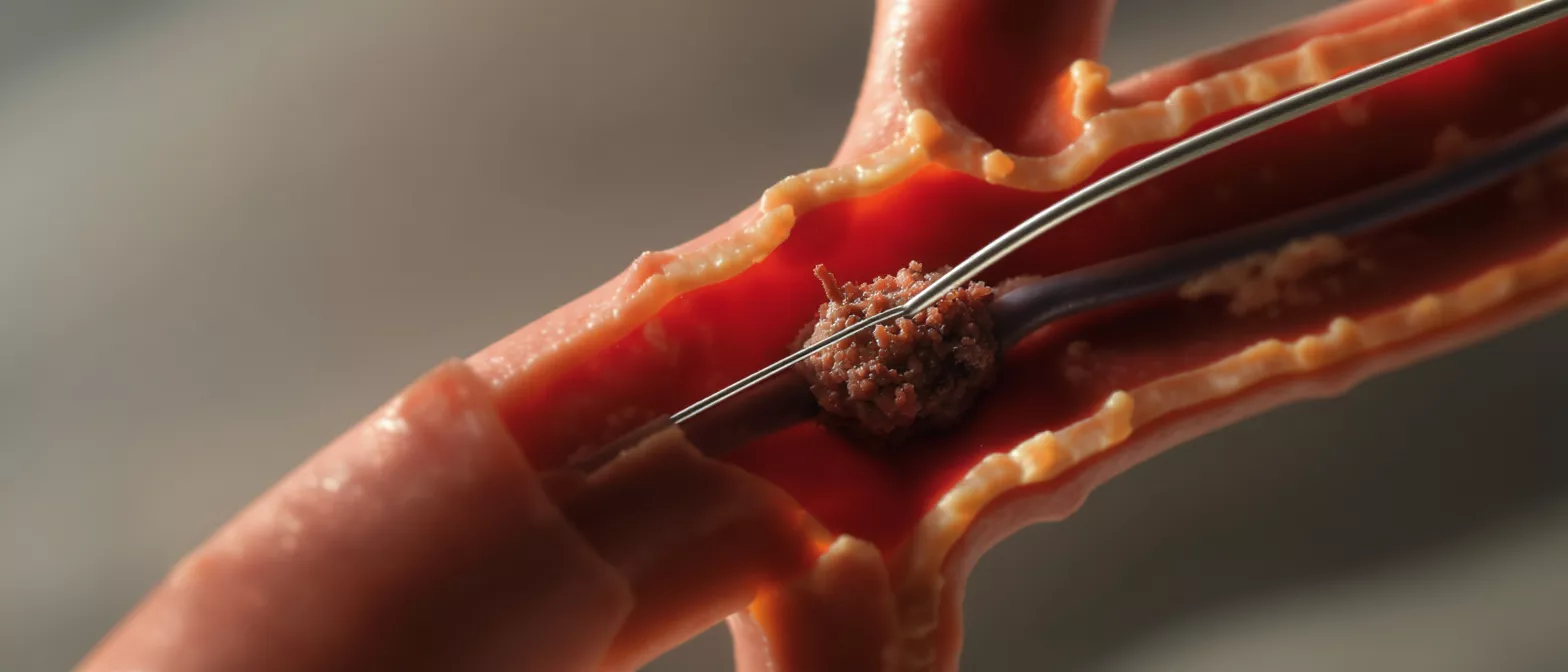
Percutaneous Coronary Intervention
Learn how percutaneous coronary intervention opens blocked arteries, restores heart blood flow, and aids recovery.
What is Percutaneous Coronary Intervention?
Percutaneous coronary intervention is a medical procedure used to open clogged or narrowed arteries that supply blood to the heart muscle. If you or a loved one has been diagnosed with coronary artery disease, this treatment is often recommended to restore proper blood flow. It is an important tool in modern cardiology that relieves chest pain and prevents severe cardiac emergencies.
Understanding interventional cardiology: This field focuses on catheter-based, non-surgical treatments for structural heart diseases. Instead of making large incisions in the chest, cardiologists use thin, flexible tubes called catheters. These tubes are threaded through blood vessels to reach the heart, allowing the doctor to clear blockages from the inside.
Pci heart procedure meaning for patients: For the patient, this means avoiding the stress, pain, and extended recovery associated with open-heart surgery. While it is a serious procedure, it is a routine and highly effective treatment. The goal is to ensure your heart receives the oxygen-rich blood it needs to function properly.
Why is PCI Needed for Coronary Artery Blockage?
A coronary artery blockage occurs when plaque, made up of cholesterol, fat, and calcium, builds up inside the artery walls. This condition is known as atherosclerosis. As the plaque accumulates, the arteries narrow, restricting the flow of oxygen-rich blood to the heart muscle, which can cause chest pain or shortness of breath.
Symptoms of a blocked artery: Many patients first realize they have a blockage when they experience angina, a feeling of pressure or squeezing in the chest. Others may notice extreme fatigue or shortness of breath during physical activity. If the blockage becomes severe enough to completely block blood flow, it can trigger a heart attack.
Identifying and treating these blockages early is vital for long-term heart health. Percutaneous coronary intervention directly addresses the root cause of the restricted blood flow. By physically opening the artery, the cardiologist helps prevent further heart damage and dramatically improves a patient's quality of life.
How Does the Cardiac Catheterization Procedure Work?
Understanding the cardiac catheterization procedure steps can ease much of the anxiety patients feel before treatment. The process begins with a mild sedative to help the patient relax. A local anesthetic is then applied to numb a small area on the wrist or groin, where the cardiologist will make a tiny needle puncture.
Navigating to the heart safely: Through this tiny access point, the cardiologist inserts a thin plastic tube called a sheath. A longer, flexible catheter is guided through the sheath and carefully advanced up through the blood vessels to the heart. The doctor uses real-time X-ray imaging to ensure the catheter reaches the exact location of the blockage safely.
Once the catheter is in position, a special contrast dye is injected into the heart's arteries. This dye makes the blood vessels show up clearly on the X-ray monitor, creating a detailed map of the heart. This diagnostic phase confirms exactly where the coronary artery blockage is located and how severe it is.
Angioplasty Balloon and Stent Placement in the Heart
Once the blockage is identified, the angioplasty balloon stent phase of the procedure begins. The cardiologist threads a remarkably thin wire through the catheter and carefully guides it across the narrowed area of the artery. A specialized catheter carrying a tiny deflated balloon is then slid over this wire directly into the blockage.
When the balloon is in the correct position, it is gently inflated to high pressure. This presses the plaque firmly against the artery walls, widening the channel for blood to flow through. The inflation process lasts only a few seconds, but it effectively flattens the blockage out of the way.
Almost all patients undergoing this heart artery opening procedure will also receive a stent. A stent is a tiny, expandable wire mesh tube that acts as a permanent scaffold. When the balloon is inflated, the stent expands and locks into place, holding the artery open long after the balloon is deflated and removed.
- Balloon angioplasty: Temporarily inflates to widen the narrowed artery.
- Stent deployment: Leaves a permanent mesh tube to keep the artery propped open.
- Catheter removal: The tools are withdrawn, leaving the stent securely in place.
Is PCI Considered Minimally Invasive Heart Surgery?
While percutaneous coronary intervention is a major cardiac treatment, it is not technically open-heart surgery. It falls under the category of minimally invasive procedures. Because it does not require a large chest incision or the use of a heart-lung bypass machine, the physical trauma to the body is significantly reduced.
Comparing treatment methods: Traditional bypass surgery involves opening the chest and requires weeks or months of recovery. In contrast, a minimally invasive cardiac recovery support system is often unnecessary, as patients can usually sit up and walk within a few hours after their stent placement. This makes the procedure an excellent option for many patients who are too frail for traditional surgery.
Patients remain awake during the entire process, though heavily sedated. The medical team monitors vital signs constantly, ensuring comfort and safety. This approach minimizes bleeding, lowers the risk of infection, and allows for a much faster return to daily life compared to surgical alternatives.
Stent After Heart Attack: Emergency Treatment
When a patient is actively having a heart attack, time is of the essence. A stent after heart attack is deployed as an emergency, life-saving measure. During a heart attack, a coronary artery is completely blocked by a blood clot forming over a ruptured plaque, starving the heart muscle of oxygen.
The golden hour of intervention: Cardiologists work rapidly to open the blocked artery and restore blood flow. The interventional cardiology team immediately threads a catheter to the site of the clot. Once the balloon is inflated and the stent is placed, blood flow is instantly restored to the heart muscle, minimizing permanent tissue damage.
Quick action during this window is what saves the heart muscle from irreversible damage. The stent remains in the artery permanently to keep the vessel open and prevent future blockages in that specific area. This emergency coronary intervention is one of the most critical medical uses of modern stenting technology.
PCI Recovery Time and What to Expect
One of the most common questions patients ask is about pci recovery time. Because the procedure is minimally invasive, the initial recovery is remarkably quick. Most patients are observed in the hospital overnight and are discharged the following day, though complex cases may require a slightly longer stay.
Immediate post-procedure care: You will be asked to lie flat for a few hours to prevent bleeding from the puncture site in your wrist or groin. The nursing staff will monitor your heart rhythm and blood pressure closely. It is normal to experience some mild bruising or tenderness at the insertion site, which fades over a week or two.
Full recovery from the physical insertion site takes about a week. During this time, patients are advised to avoid heavy lifting or strenuous exercise. Many patients benefit from utilizing a cardiac rehabilitation heart rate monitor to safely track their activity levels as they gradually return to their normal routines.
Heart Stent Procedure Risks and Safety
While percutaneous coronary intervention is very safe, it is important to understand potential heart stent procedure risks. As with any medical procedure involving blood vessels, there are inherent risks. However, serious complications are rare, and interventional cardiology teams are highly trained to manage any issues immediately.
Common and rare complications: Bleeding, bruising, or soreness at the catheter insertion site is the most common side effect. Rarely, a patient may have an allergic reaction to the contrast dye used during the X-ray imaging. In very uncommon cases, the treated artery can narrow again over time, a condition called restenosis.
To prevent blood clots from forming inside the new stent, doctors prescribe specific blood-thinning medications. It is vital for patients to take these medications exactly as directed.
- Restenosis: The gradual re-narrowing of the artery within the stent over time.
- Bleeding: Minor bleeding or bruising at the insertion site in the wrist or groin.
- Infection: A rare risk at the puncture site, kept low by sterile techniques.
Life After a Coronary Intervention
Undergoing a coronary intervention does not cure the underlying coronary artery disease. It successfully fixes the immediate, dangerous blockage, but it does not stop plaque from forming in other areas of the heart. Long-term success depends entirely on making permanent, healthy lifestyle changes.
Managing heart health long-term: Your cardiologist will work with you to address the factors that caused the blockage initially. This includes adopting a heart-healthy diet low in saturated fats, engaging in regular exercise, and quitting smoking if you are a smoker. Regular check-ups are essential to monitor your heart health over time.
Staying on top of prescribed medications is a crucial part of post-procedure care. Blood thinners keep the stent clear, while statins and blood pressure medications help prevent future plaque buildup. With the right lifestyle adjustments and medical oversight, patients can live long, active lives after their percutaneous coronary intervention.
Finding a Coronary Intervention Specialist
Choosing the right medical team is a critical step in ensuring a successful outcome. A coronary intervention specialist is an interventional cardiologist with advanced training in performing these specific catheter-based procedures. Their expertise directly impacts the safety and effectiveness of your treatment.
When searching for a specialist, look for a clinic with a dedicated cardiac catheterization lab and a highly experienced team. Dr Alejandro Molina and the team at Cirugía de Corazón provide comprehensive evaluations and state-of-the-art interventions tailored to each patient's unique needs. We focus on clear, compassionate communication to help you understand every step of your treatment.
Taking prompt action against heart disease can save your life and prevent severe cardiac damage. If you have been diagnosed with a coronary blockage or are experiencing symptoms of heart disease, do not delay seeking specialized care. We are here to guide you through your journey to a healthier heart.






