

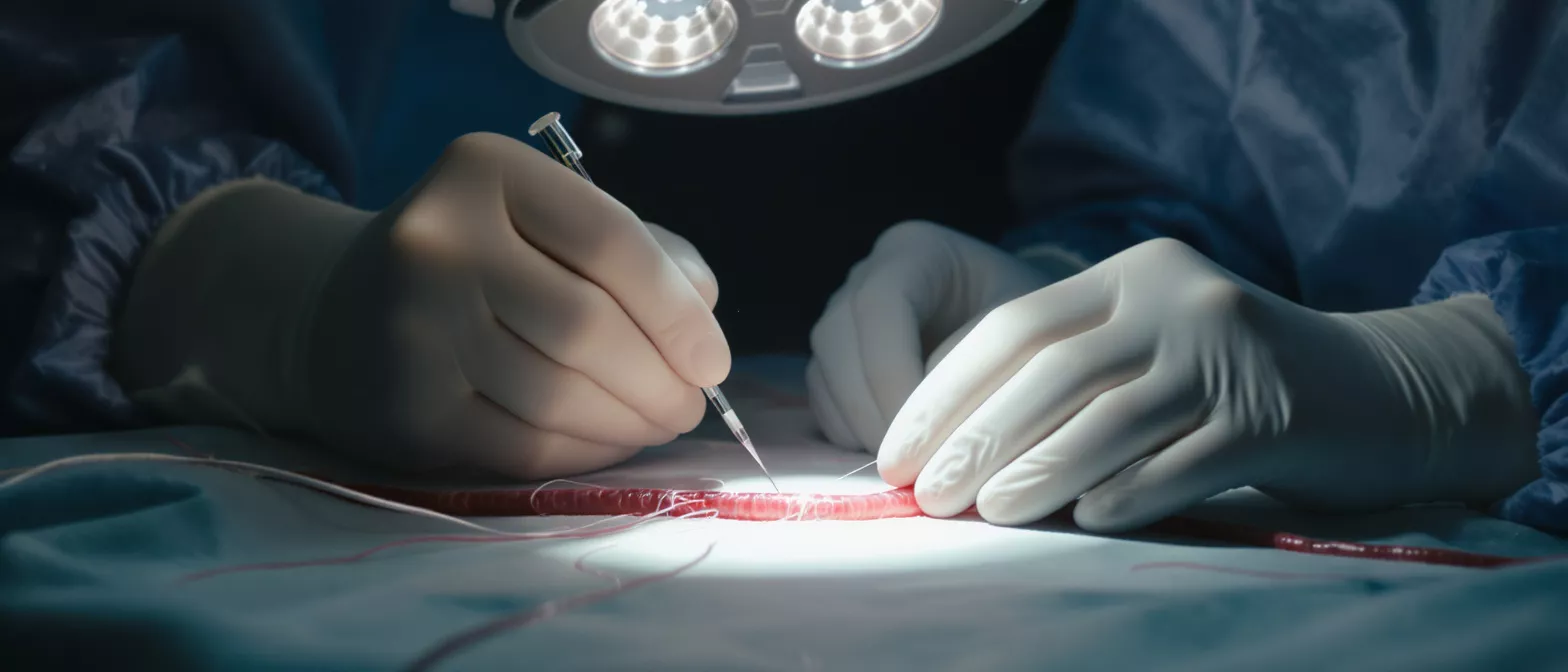
Myocardial Revascularisation
Learn how myocardial revascularisation restores heart blood flow by bypassing blocked arteries.
What is myocardial revascularisation?
Myocardial revascularisation is a surgical procedure designed to restore healthy blood flow to the heart muscle. When the coronary arteries become narrowed or blocked by plaque buildup, the heart struggles to receive the oxygen it needs. This surgery creates new pathways for blood to bypass the damaged areas.
Coronary artery bypass definition: This operation takes a healthy blood vessel from another part of your body and uses it to reroute blood around a blocked artery. It is a proven method to relieve symptoms like chest pain and to lower the risk of complications from severe blockages.
For patients facing heart surgery, understanding this process can ease anxiety. The procedure does not cure the underlying disease, but it effectively restores circulation, helping the heart function properly and improving overall quality of life.
How does heart bypass surgery work?
Heart bypass surgery works by using healthy vessels to create detours around blocked coronary arteries. Surgeons typically use a vein from the leg or an artery from the chest wall. These vessels are carefully attached to the heart surface.
Grafting process explained: The surgeon attaches one end of the harvested vessel below the blockage and the other end to the aorta. This creates a new channel, allowing oxygen-rich blood to flow freely into the heart muscle, completely bypassing the obstruction.
This restoration of myocardial perfusion surgery is precise. By re-establishing circulation, the heart receives the fuel it needs to pump effectively. This prevents further muscle damage and helps alleviate symptoms of coronary artery disease.
Why is coronary artery disease treatment necessary?
Coronary artery disease treatment is necessary because severe blockages prevent the heart from functioning correctly. When oxygen supply falls short, patients often experience chest pain, shortness of breath, and extreme fatigue. Without intervention, this leads to heart attacks.
Preventing cardiac tissue death: When blood flow is critically restricted, the heart muscle begins to die. Myocardial revascularisation is performed to prevent this damage by restoring circulation before permanent tissue loss occurs, preserving heart function.
Treatment is recommended when medications or less invasive procedures cannot resolve the blockages. By surgically restoring blood flow, patients experience significant relief from symptoms and a reduced risk of life-threatening cardiac events.
What are the types of coronary revascularisation?
Coronary revascularisation encompasses different approaches depending on the severity and location of arterial blockages. The two primary surgical methods involve traditional open-heart procedures and beating-heart techniques. Both aim to restore circulation.
- Traditional CABG: Uses a heart-lung machine to temporarily take over the heart's function, providing a still surgical field.
- Off-pump CABG: Performed on a beating heart without the heart-lung machine, suitable for certain high-risk patients.
Choosing the right approach: The surgical team determines the best method based on the number of blocked arteries and the patient's overall health.
What to expect during the myocardial revascularisation procedure?
During the myocardial revascularisation procedure, patients receive general anesthesia and are closely monitored. The surgical team makes an incision down the chest to access the heart. The duration typically ranges from three to six hours.
Anesthesia and monitoring: A specialized team ensures the patient remains completely asleep and pain-free. Advanced equipment tracks vital signs continuously, ensuring safety throughout the operation.
Once the bypass grafts are in place, the surgeon restores natural blood circulation. The heart resumes beating normally, and the incisions are closed. Patients are then moved to intensive care for initial observation and recovery.
What is the bypass surgery recovery time?
Bypass surgery recovery time varies, but patients usually spend a few days in the intensive care unit before transferring to a standard hospital room. Full recovery takes several weeks to a few months.
Immediate postoperative phase: The first phase involves close monitoring as the heart heals. Patients are encouraged to sit up and walk short distances shortly after surgery to prevent complications and promote lung function.
At home, patients gradually increase their activity levels. Adhering to a structured cardiac rehabilitation program significantly improves long-term recovery outcomes.
What are the myocardial revascularisation risks?
While myocardial revascularisation is a common and highly successful procedure, all surgeries carry risks. Potential complications include bleeding, infection, and reactions to anesthesia. The medical team takes extensive precautions to minimize these risks.
Heart-specific complications: Specific risks include irregular heart rhythms, stroke, or post-surgical bleeding. Surgeons utilize advanced techniques to reduce the chance of infection and ensure graft patency, maintaining clear blood vessels.
It is important to discuss individual risks with the surgical team. Factors like age, overall health, and the severity of coronary artery disease influence outcomes.
How does surgical revascularisation improve heart blood flow restoration?
Surgical revascularisation improves heart blood flow restoration by physically bypassing the blockages in the arteries. The new grafts serve as detours, ensuring oxygen-rich blood reaches the muscle tissue efficiently.
Relieving ischemia: Ischemia occurs when blood flow is restricted, starving the heart of oxygen. By creating new pathways, the surgery immediately resolves this oxygen debt, allowing the heart to pump without strain.
This restoration allows patients to return to normal activities without the burden of chest pain. The heart functions more efficiently, and the risk of irreversible muscle damage decreases significantly over time.
What is minimally invasive cardiac revascularisation?
Minimally invasive cardiac revascularisation is a modern surgical approach that uses smaller incisions. Instead of opening the chest completely, surgeons operate between the ribs, which often leads to less pain and a faster recovery.
Robotic-assisted techniques: Some procedures use specialized robotic instruments to perform the bypass with extreme precision. This approach reduces trauma to the body and minimizes scarring.
Not all patients are candidates for this technique. It is usually reserved for those with specific blockage patterns. The surgical team evaluates imaging tests to determine if minimally invasive methods are appropriate.
Long-term outlook after cardiovascular revascularisation?
The long-term outlook after cardiovascular revascularisation is generally very positive. Most patients experience significant relief from symptoms and enjoy a markedly improved quality of life. The newly placed grafts function reliably for many years.
Maintaining graft health: To ensure the longevity of the bypass grafts, patients must adopt healthy habits. This includes eating a heart-healthy diet, exercising regularly, and avoiding smoking to prevent future blockages.
Cardiac rehabilitation plays a vital role in long-term success. By following medical advice and attending regular check-ups, patients can protect their heart health and maintain the benefits of their surgery for decades.






