Jaw Pain and Heart Attack: The Overlooked Sign
Jaw pain heart attack warning signs are often missed.
Most people picture a heart attack as crushing chest pain. In real life, the warning signs are often quieter and stranger — and one of the most overlooked is jaw pain heart attack symptom. The connection surprises many patients: a heart problem announcing itself in the mouth, teeth, or face. This guide explains why that happens, where the pain tends to sit, how it differs from ordinary dental or jaw problems, and exactly when jaw pain deserves an emergency call rather than a dentist appointment. The goal is calm clarity, not alarm — but also not false reassurance.
What Is a Jaw Pain Heart Attack Symptom?
When we say jaw pain can be a heart attack symptom, we mean discomfort that originates with the heart but is felt in the jaw, teeth, neck, or face. Doctors call this Radiating Pain: the signal from the struggling heart travels along shared nerves and is "read" by the brain as coming from somewhere else. It is genuine pain, just mislocated.
How does it feel? Patients describe it in remarkably consistent ways. It is often an ache, tightness, or heaviness rather than a sharp stab — many people compare it to a dull toothache with no bad tooth. Some describe soreness that feels like strained muscles after clenching the jaw all night.
What makes it suspicious? Cardiac jaw pain usually appears with exertion or stress, comes on without any dental cause, and may be accompanied by Chest Pain, shortness of breath, nausea, cold sweat, or unusual fatigue. It can also come and go. In our consultations we take the time to walk patients through exactly what their sensations felt like, in plain words, because that description often matters more than any single test.
Can Jaw Pain Mean Heart Attack? The Honest Answer
Yes — but context decides. Can jaw pain mean heart attack in an isolated, healthy 25-year-old who slept on a bad pillow? Very unlikely. Can it mean heart attack in a 58-year-old with diabetes, high blood pressure, or a smoking history who feels jaw ache while climbing stairs? Absolutely, and that deserves urgent evaluation.
The pattern matters more than the pain itself. Cardiac symptoms share a signature: they appear with physical effort, ease with rest, and return with effort again. Jaw ache that flares only when chewing tough food points toward the jaw joint. Jaw ache that appears while walking, climbing, or under emotional stress points toward the heart.
- Points toward the heart: triggered by exertion or stress, spread to arm pain, chest tightness, breathlessness, sweating, nausea, or feeling generally unwell.
- Points toward the jaw itself: triggered by chewing or biting, worse on opening wide, localized to one spot, linked to teeth grinding, clicking, or a recent dental problem.
Neither list is a diagnosis. But the pattern gives you — and any doctor you call — a crucial head start.
Why Does a Heart Attack Cause Jaw Pain?
The explanation lies in how the nervous system wires the body. The heart and the face share sensory nerve pathways, particularly the vagus nerve and the upper spinal nerves that also serve the neck and jaw. When heart muscle is starved of blood, it sends distress signals up those shared lines, and the brain — unsure of the true source — interprets the alarm as facial or dental discomfort.
Referred pain is common, not rare. The same mechanism explains why a heart attack can cause Arm Pain, Back Pain, or stomach discomfort. The National Institutes of Health has long recognized that cardiac symptoms frequently present outside the chest, which is why awareness campaigns emphasize that heart attacks can announce themselves in many places at once (National Institutes of Health).
Why the jaw specifically? The lower jaw and the heart receive overlapping nerve supply, so the jaw is one of the most frequent "referred" sites. This is also why jaw discomfort during a cardiac event often appears together with neck or left arm sensations rather than alone.
Heart Attack Jaw Pain Location: Where Do You Feel It?
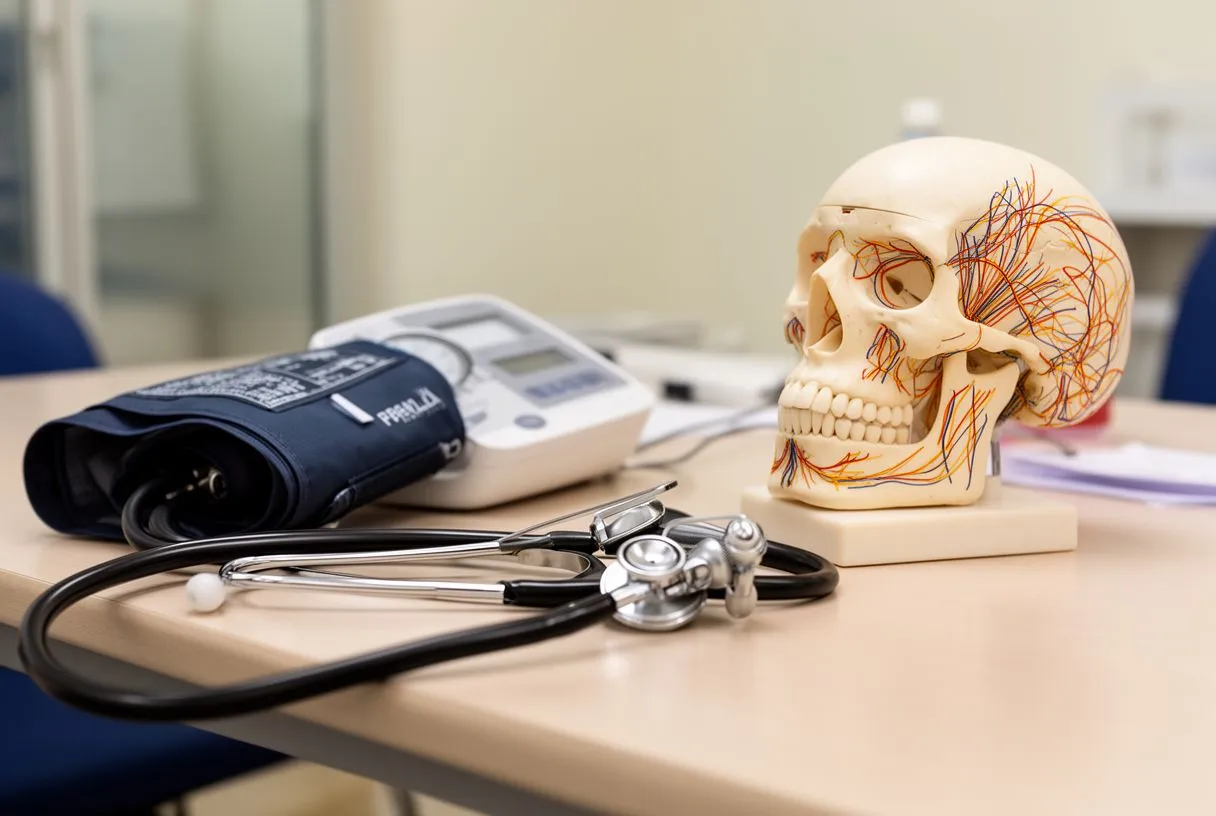
Patients often ask precisely where cardiac jaw pain sits. The answer: it usually covers a broad area rather than one pinpoint spot.
Most common locations. Cardiac jaw pain typically involves the lower jaw on both sides, or the left jaw pain heart attack pattern where discomfort spreads from the chest up into the left side of the face and neck. Some patients feel it around the ears or as upper jaw pain heart attack sensations near the back molars, which is why many first suspect a dental problem.
Diffuse versus localized. A genuine toothache tends to be easy to point at: one tooth, one spot. Cardiac jaw pain is harder to place — it wanders, feels diffuse, and may migrate between the jaw, throat, and chest. Migrating Chest Pain with jaw involvement is a classic cardiac pattern.
One-sided or both sides? Either is possible, but left-sided jaw discomfort with chest symptoms is the more commonly reported presentation. Location alone never settles the question — the accompanying symptoms and the trigger pattern do.
Women and Jaw Pain Heart Attack Signs: Why Symptoms Differ
This is one of the most important sections in the whole guide. Women's heart attacks often look different from men's, and jaw pain is a prominent example.
The classic male presentation is not the universal one. Men more often report the movie version: central chest pressure, pain down the left arm. Women more frequently report atypical symptoms — jaw pain, neck pain, back pain, nausea, overwhelming fatigue, and shortness of breath — sometimes with only mild chest discomfort or none at all. This is why women jaw pain heart attack presentations are so often mistaken for dental problems or stress.
Why the difference? The reasons are still being studied, but differences in how pain is perceived, in the type of heart disease that develops, and in plaque behavior all likely play a role. The practical consequence is serious: women delay seeking care because their symptoms don't "look like" a heart attack, and delays cost heart muscle.
What women should watch for. A jaw pain heart attack symptom women should take seriously is one that arrives with unexplained exhaustion, nausea, or breathlessness — especially around menopause or after age 50, when risk rises. If you are a woman with new jaw discomfort and no dental explanation, err on the side of getting checked.

Jaw Pain Heart Attack or TMJ? How to Tell the Difference
The most common question we hear is how to tell jaw pain heart attack from ordinary jaw problems. TMJ — temporomandibular joint disorder — affects the hinge joint where your jaw meets your skull, and it is extremely common. Distinguishing the two is genuinely useful.
TMJ gives itself away through mechanics. TMJ pain worsens with chewing, yawning, or clenching, often comes with clicking or popping sounds, can lock the jaw, and is frequently accompanied by headaches and jaw soreness on waking — a sign of night-time grinding. Pressing directly on the joint near the ear usually reproduces it.
Cardiac pain ignores the jaw joint. Heart-related jaw pain does not care whether you open, close, or chew. It appears with exertion, stress, or at rest, often with chest tightness or breathlessness. Pressing on the joint does nothing; resting does not reliably fix it if the heart is the problem.
A simple self-check. Ask yourself: does this hurt more when I chew or open wide, or when I climb stairs? Chewing points to the jaw; stairs point to the heart. The distinction is not foolproof — when in doubt, get evaluated promptly, because the cost of missing a cardiac cause is far higher than an extra dental visit.
Jaw Pressure and Heart Attack: What the Sensation Really Means
Not all cardiac jaw symptoms are painful. Many patients describe pressure rather than pain — a tight, squeezing, vise-like sensation in the jaw that is easy to dismiss as tension or a dental issue.
Why "pressure" is a keyword. The heart's distress signals often register as constriction rather than sharp pain. That same squeezing quality is why doctors ask about chest pressure: the sensation simply migrates. Jaw pressure heart attack presentations — a band of tightness across the lower jaw — deserve the same urgency as chest pressure, especially when they appear with exertion.
The "someone squeezing" description. Patients in emergency rooms frequently describe their jaw feeling like it is being gripped or held in a clamp, sometimes both jaws at once. If you have never had jaw problems before and suddenly feel this, treat it as a warning sign rather than waiting it out.
When pressure escalates. Pressure that builds over minutes, spreads to the chest or arms, and comes with sweating, nausea, or a sense of impending doom is the pattern of an evolving heart attack. That is a call-to-emergency-services situation, not a wait-and-see one.
Teeth Pain as a Heart Attack Symptom: A Surprising Connection
Some people experience cardiac referred pain purely in the teeth — an aching that feels exactly like a dental abscess, with no gum swelling, no sensitivity to hot or cold, and no tender tooth when tapped.
Why teeth can "hurt" from the heart. The same shared nerve pathways that carry jaw pain also supply the lower teeth. A teeth pain heart attack symptom is typically diffuse — several lower teeth ache together, usually on both sides or the left — and no dentist finds a cause. Patients sometimes undergo dental X-rays that come back completely normal.
The red flag combination. Toothache plus exertional breathlessness, or toothache with chest heaviness and sweating, should never be managed as a dental visit first. If a dentist finds nothing wrong and the ache persists — especially if it comes with activity — cardiac evaluation is the sensible next step.
A practical rule. Pain the dentist cannot explain, in someone over 40 with any cardiac risk factors, deserves a medical work-up. This is not alarmism; it is simply good triage.
When to Worry About Jaw Pain and Seek Help
Knowing when to worry about jaw pain is the most actionable knowledge in this article. Most jaw pain is dental or muscular. A small but critical fraction is cardiac, and minutes matter there.
Call emergency services immediately if jaw pain comes with any of these:
- Chest symptoms: chest pain or pressure, fullness, burning, or Tearing Chest Pain that radiates to the back — any of these with jaw discomfort warrants an emergency call.
- Spreading discomfort: pain moving into the left arm, shoulder, neck, or back.
- Whole-body signs: shortness of breath, cold sweat, nausea or vomiting, sudden severe fatigue, lightheadedness, or fainting.
- The exertion trigger: jaw discomfort that reliably appears with physical activity and fades with rest.
- Neurological signs: sudden facial droop, slurred speech, or weakness on one side — which can indicate a stroke or Transient Ischaemic Attack rather than a heart attack, but is equally an emergency.
What about sudden jaw pain heart attack symptoms in isolation? Sudden, severe jaw pain with no injury, no dental cause, and no explanation — particularly in someone over 45 or with diabetes, high blood pressure, or a family history of early heart disease — should be checked the same day. A heart attack can occasionally present with jaw pain alone. When in doubt, call; emergency teams would far rather evaluate a false alarm than miss the real thing.
How Doctors Evaluate Jaw Pain That Could Be Cardiac
If you arrive at care with jaw and chest pain heart attack concerns, the evaluation is systematic and usually fast.
First, the story. A doctor will ask when the pain started, what triggers it, what relieves it, and whether it comes with other symptoms. That history alone sorts many cases. Then come tests: an electrocardiogram (ECG) to check the heart's electrical rhythm, blood tests measuring troponin — a protein released when heart muscle is damaged — and often an echocardiogram, an ultrasound that shows the heart pumping.
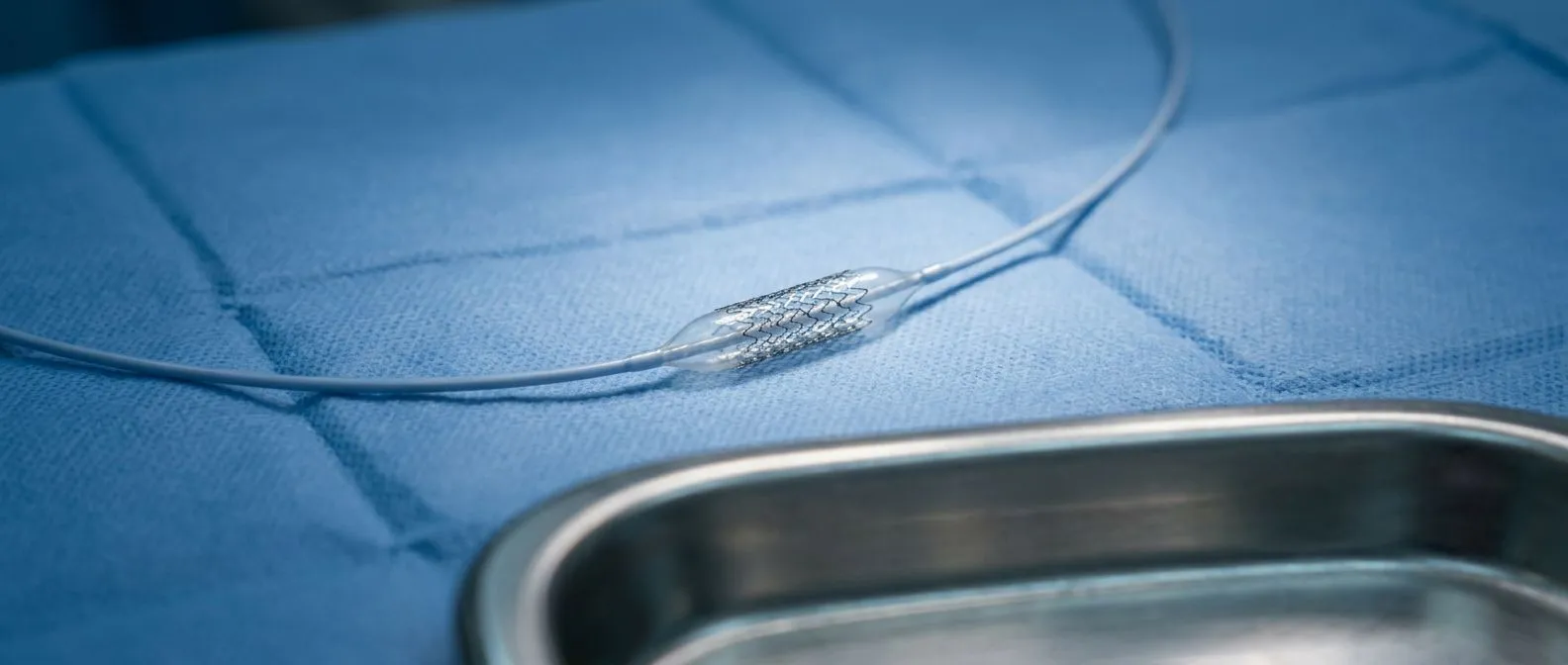
What happens if the heart is implicated? If tests suggest blocked coronary arteries, the next step is usually a coronary angiogram: a dye study that maps the arteries directly. Treatment may be a stent through the wrist or groin artery, or bypass surgery for more extensive disease. For patients needing valve surgery alongside coronary work, options range from conventional open operations to minimally invasive, robotic, and transcatheter approaches such as TAVR — transcatheter aortic valve replacement, where a new valve is delivered through a catheter without opening the chest. Every case at our practice is reviewed by the full multidisciplinary team against international guidelines before we recommend anything, and we present you with the alternatives — including the less invasive route only where the evidence genuinely supports it for your anatomy — so the final decision is always yours.
The reassuring part. Most jaw pain evaluations end with good news: the jaw joint, teeth, or muscles are the culprits, all manageable. And if the heart is involved, modern cardiac care has more effective, less invasive options than ever before. We offer a free first video consultation where we get to know you, talk through your condition and symptoms, and tell you exactly which studies are still needed — so no unnecessary tests are ordered — and we actively encourage second opinions as a normal part of deciding about heart care.
The takeaway is simple. Jaw pain heart attack connection is real, under-recognized, and especially important for women. Most jaw pain is not your heart — but jaw pain triggered by exertion, paired with chest pressure, breathlessness, sweating, or unexplained fatigue, is never something to wait out. Learn your own risk factors, trust the pattern rather than the location, and when something feels wrong, call for help rather than diagnosing yourself. If you have concerns about your heart — whether symptoms, test results, or a treatment recommendation you want to understand better — discuss your specific situation with a qualified cardiac team. An early conversation costs nothing and can change everything.