Myocardial Revascularisation: Restoring Blood Flow to the Heart
Myocardial revascularisation options explained by Guadalajara heart surgeons.
If your cardiologist has mentioned myocardial revascularisation options, you are probably facing one of the most common decisions in heart care today: how to restore blood flow to heart muscle that is not getting enough oxygen. This guide walks you through what myocardial revascularisation actually means, the main ways it is performed — bypass surgery, stents, and newer minimally invasive approaches — and what recovery honestly looks like. Our aim is that you finish reading able to ask your own team sharper questions and make a calmer, better-informed decision.
What Is Myocardial Revascularisation?
Myocardial revascularisation is the medical term for any procedure that restores adequate blood flow to the heart muscle itself. "Myocardium" simply means heart muscle, and "revascularisation" means giving it back its blood supply. When a coronary artery — one of the small vessels that feed the heart — becomes narrowed or blocked by plaque, the muscle beyond that blockage can starve, causing chest pain (angina) or, in the worst case, an Acute Myocardial Infarction, which most people know as a heart attack.
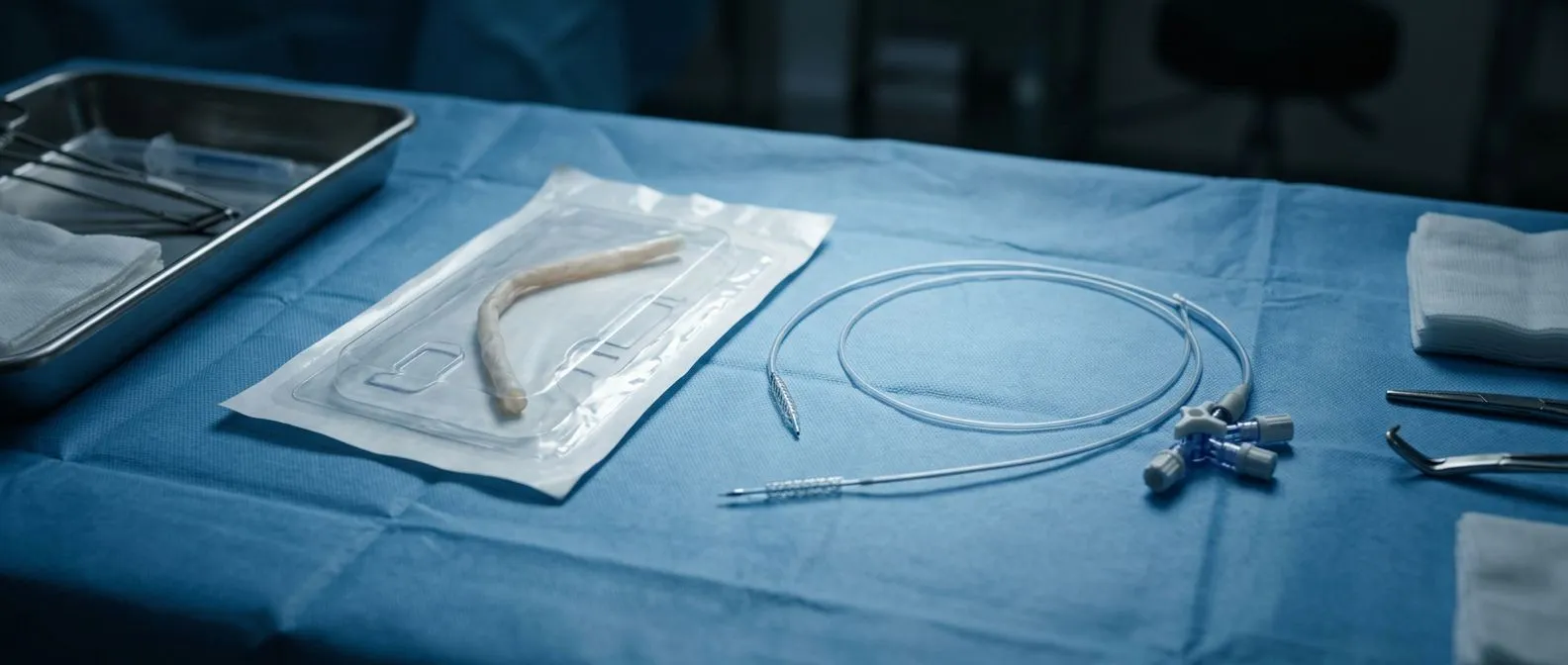
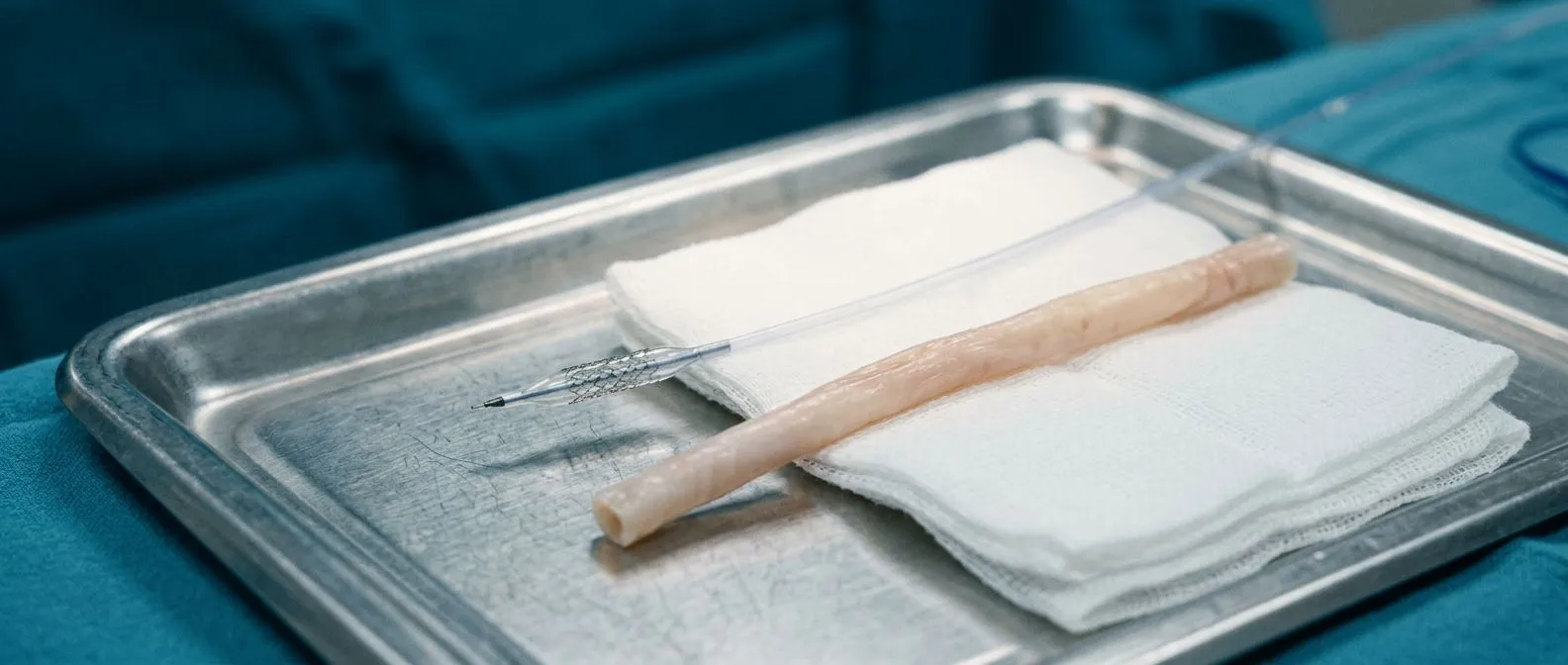
There are two broad routes. One is catheter-based: a thin tube is threaded from the wrist or groin into the blocked artery, a balloon opens it, and a small metal mesh tube called a stent holds it open. The other is surgical: a surgeon takes a healthy blood vessel from elsewhere in your body and grafts it so blood flows around the blockage. Both count as myocardial revascularisation; both have clear, evidence-based places in treatment.
Revascularisation is not always needed. Many people with coronary artery disease are managed well with medication alone, especially when blockages are mild or symptoms are controlled. The decision always weighs how severe the blockages are, how much the heart muscle is suffering, and how much your daily life is affected. If you want a fuller overview of the condition itself, it helps to understand what coronary artery disease is before comparing procedures.
What Are the Treatment Options for Coronary Artery Disease?
Coronary artery disease develops over years, as cholesterol and inflammatory cells build up inside the artery walls. Understanding coronary artery disease as a gradual process helps explain why treatments range from pills to open-heart surgery. The first line is nearly always medication — antiplatelet drugs like aspirin, statins to lower cholesterol, beta-blockers to ease the heart's workload, and ACE inhibitors to protect the vessels.
Alongside medicines, lifestyle changes are genuine treatment, not an add-on: stopping smoking, controlling blood pressure and diabetes, and regular gentle exercise. These slow the disease's progression and often reduce symptoms meaningfully on their own.
When symptoms persist despite medication, or when tests show dangerous blockages, revascularisation enters the conversation. The honest comparison looks like this:
- Medication alone: appropriate for stable, mild disease; no procedure risk, but it does not physically open blocked arteries.
- Stent (angioplasty): a day-procedure through the wrist; best for one or two significant blockages; requires long-term antiplatelet medication afterwards.
- Bypass surgery (CABG): an operation using your own vessels to route blood around blockages; best for complex or multivessel disease; longer recovery but very durable.
No option is universally "best" — the lowest-risk route for your situation depends on anatomy, how well your heart is pumping, and your overall health. That is exactly the kind of decision that deserves a careful, unhurried discussion rather than a rushed recommendation.
Coronary Artery Bypass Graft Options: Which Vessel Is Used?
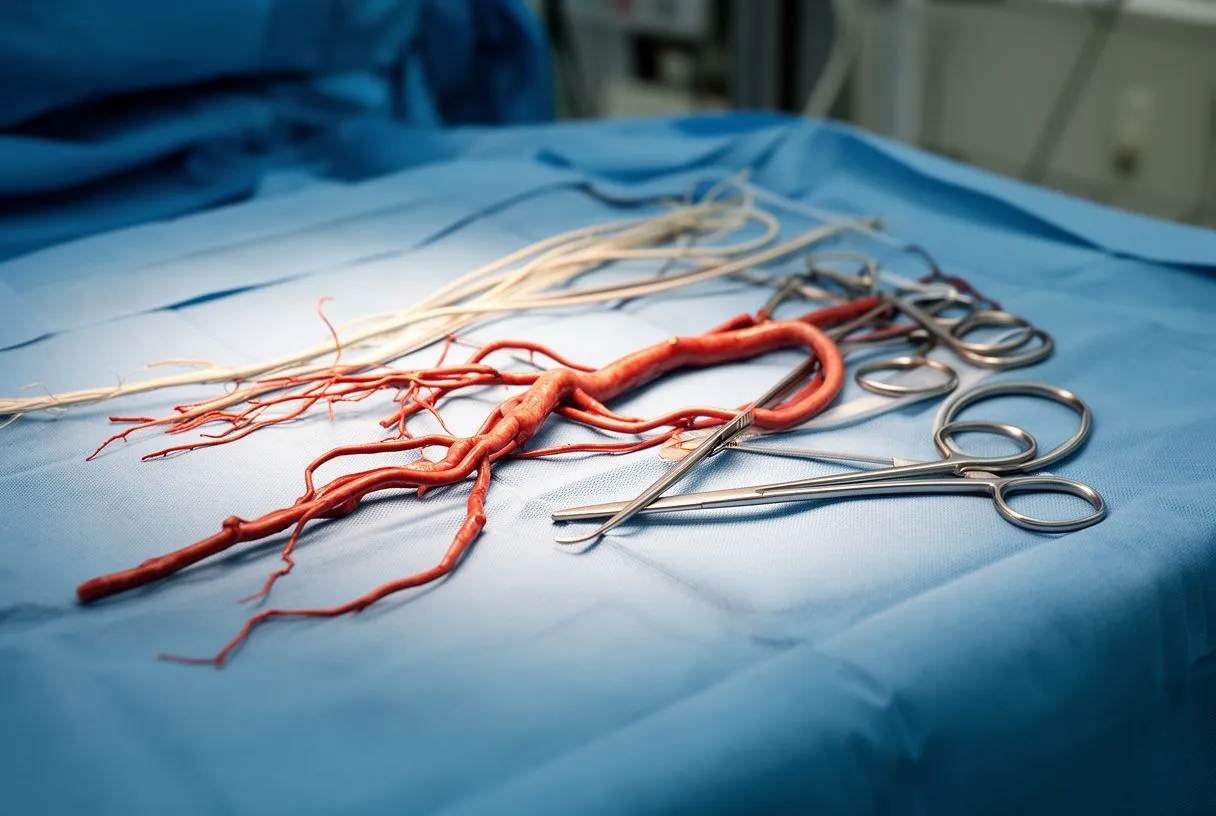
Arterial revascularisation methods start with the internal mammary artery. This artery already runs along the inside of your chest wall, close to the heart, so the surgeon simply detaches one end and connects it beyond the blockage. The left internal mammary artery grafted to the left anterior descending artery — the vessel supplying the front of the heart — is the single most durable graft in cardiac surgery and is standard practice worldwide.
The saphenous vein is the second workhorse conduit. It is taken from the leg through small incisions, often with an endoscopic technique that leaves only a few short scars. Vein grafts are quicker to use and excellent for certain positions, though they tend to narrow over more years than artery grafts do. Many surgeons now prefer total arterial revascularisation — using the radial artery from the forearm and both internal mammary arteries — particularly in younger patients, because arterial grafts generally last longer.
Which conduit combination suits you depends on your age, anatomy, and how many arteries need bypassing. Surgeons also differ in how they deliver cardioplegia, the solution that protects the heart during surgery. A clinical study comparing antegrade with antegrade-plus-retrograde cardioplegia delivery in patients with triple vessel coronary artery disease examined exactly this question (Annals of Cardiac Anaesthesia) — a reminder that even technical details of Myocardial Protection are studied and refined over time.
CABG vs Stent Surgery: Which Is Right for You?
This is the question almost every patient with significant blockages eventually asks. A stent is far less invasive: no chest incision, usually home the next day, back to work within days. Its limits are anatomical — stents treat blockages one or two at a time, and certain locations (like a heavily diseased left main artery or complex branch points) carry higher restenosis risk, meaning the artery can narrow again inside the stent.
Bypass surgery is more invasive, with a longer recovery, but it addresses all blockages in one operation and gives the most durable long-term results for complex disease. Modern evidence, including data reviewed by the National Institutes of Health, supports surgery over stents for patients with multivessel disease, particularly diabetics, where bypass reduces the need for repeat procedures over the years.
How should you actually decide? The answer lies in your specific angiogram and heart function, not in general advice. Every case is reviewed by our multidisciplinary team against international practice guidelines before a recommendation is given; you receive a clear proposal with the alternatives, and the final decision is always yours. If you have been told one thing by one doctor and another by a second, that is normal — this is genuinely a judgment call, and a second opinion is a completely reasonable step.
Off-Pump and Minimally Invasive Heart Bypass Techniques
Traditional bypass uses a heart-lung machine: the heart is temporarily stopped while the machine oxygenates your blood. Some patients worry about this, and it has driven two important developments. The first is off-pump coronary bypass, where surgeons operate on the beating heart using special stabilisers, avoiding the machine entirely. It may benefit patients with lung disease or extensive calcification, though large trials have shown overall long-term results are broadly similar, so it is a tool for specific situations rather than a universal upgrade.
Minimally invasive heart bypass takes a different approach. Instead of opening the chest through the breastbone, the surgeon works through small incisions between the ribs, sometimes using thoracoscopy (a small camera) to guide the work. The advantages are real but specific: less pain, smaller scars, and often a faster return to normal activity. Not every patient is a candidate — it depends on which arteries are blocked and your overall anatomy.
Our team performs conventional, minimally invasive, robotic and transcatheter procedures, and we recommend the less invasive route only where the evidence supports it for that patient. The technology is genuinely impressive, but the guiding principle should always be: the smallest operation that solves your problem safely, not the newest one.
Robotic Heart Surgery Options for Blocked Arteries
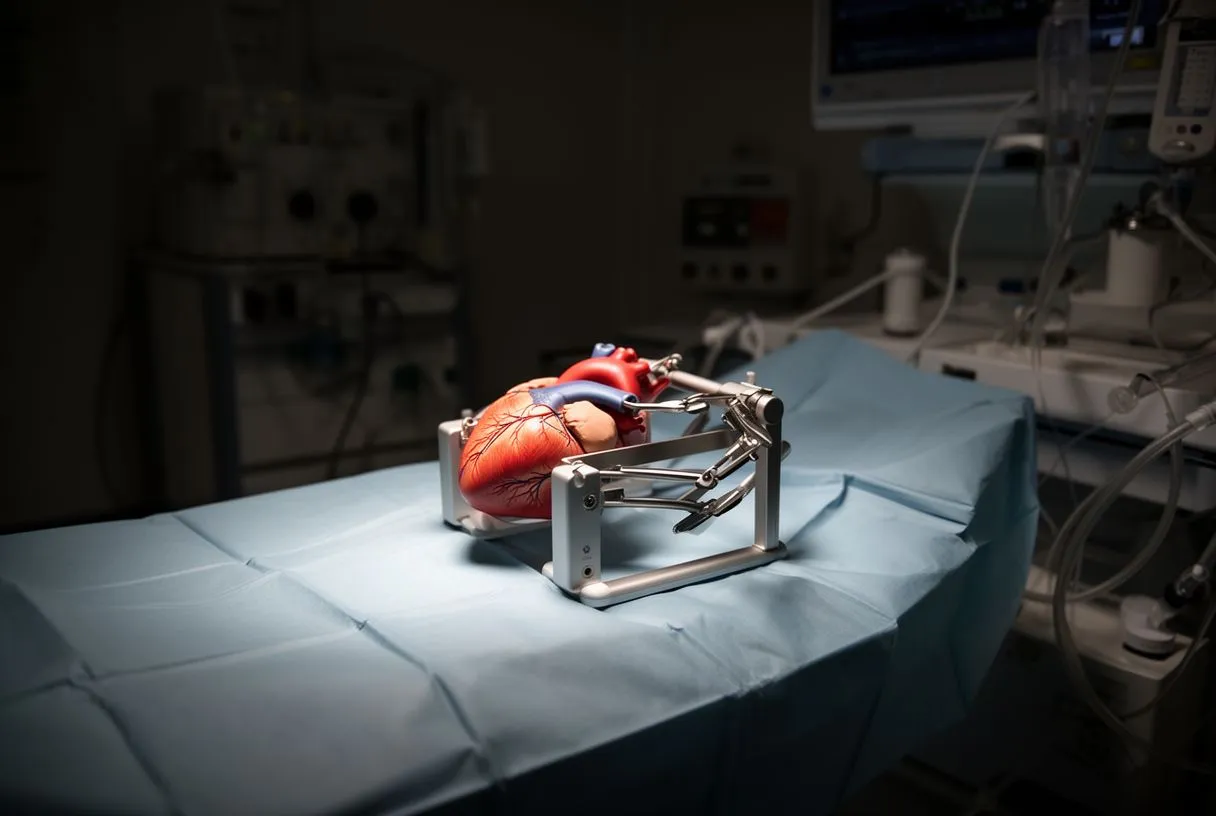
Robotic surgery takes minimally invasive heart bypass a step further. The surgeon sits at a console, and robotic arms translate hand movements into extremely precise micro-movements inside the chest through tiny incisions. Magnified 3D vision lets the surgeon see structures in detail that would be hard to reach with the human eye alone through a small opening.
For coronary disease, robotics is most often used in combination — for example, robotic harvesting of the internal mammary artery, or robotic-assisted bypass in selected patients, sometimes combined with stents in a hybrid strategy. The technology has a longer track record in valve procedures, where it is well established.
Is robotic surgery right for you? It depends entirely on your anatomy and the experience of the team offering it. Dr Molina performed the first robotic mitral valve repair in the Ángeles Health System and the first robotic heart surgery in Guadalajara — so when robotics is discussed, we can tell you plainly whether it offers you a genuine advantage or whether a conventional approach serves you better. Any team recommending robotic heart surgery options should be able to explain exactly why, for your specific anatomy, the robot changes the risk-benefit balance.
Multivessel Coronary Disease Treatment: When Bypass Is Preferred
When two or more coronary arteries are significantly narrowed, the decision becomes more consequential. Multivessel coronary disease treatment usually leans towards bypass surgery, because one operation can graft every diseased vessel with arteries and veins that last years, rather than serially stenting each one. This is especially true when the left main artery — the trunk that feeds most of the heart — is involved, or when the heart's pumping function is already weakened.
Diabetes changes the calculus significantly. In diabetic patients with multivessel disease, bypass consistently shows better long-term freedom from repeat intervention compared with stents, because vein and artery grafts tolerate the diabetic vessel environment better. Your team should raise this with you if it applies.
Recent research also highlights the importance of how patients reach revascularisation decisions. A post hoc analysis published in BMJ Open examined outcomes after coronary revascularisation following non-invasive diagnostic imaging, underscoring that the pathway — which tests are done, and what they show — shapes whether revascularisation helps. In practical terms: a thorough evaluation before any procedure is part of the treatment, not a formality.

Who Needs Heart Bypass Surgery?
Bypass surgery is generally considered when blockages threaten a large area of heart muscle, or when symptoms cannot be controlled any other way. The clearest indications are significant disease of the left main artery, three or more blocked vessels, blockage of the artery to the front of the heart in a patient with reduced pumping function, and persistent angina that medication and stents cannot resolve. Emergency settings change things: after a Myocardial Infarction, some patients need urgent bypass, while others do well with a stent — the angiogram decides.
It is also worth knowing what does not always show up. A Silent Myocardial Infarction — a heart attack with few or no noticeable symptoms — is common in diabetics and older adults, and it is sometimes discovered only on imaging or ECG. If tests reveal that scarred or at-risk muscle sits beyond a blockage, revascularisation may be recommended even without dramatic symptoms.
In our consultation we take the time to explain what the studies actually show, in plain words, and to answer every question before any decision is made. You should never feel pressured into bypass surgery in a first meeting. We encourage second opinions and treat seeking one as a normal part of deciding about heart surgery. Understanding who needs heart bypass surgery — and who does not — is the foundation of a good decision.
Recovery After Revascularisation: What to Expect Week by Week
Recovery after revascularisation follows a predictable arc, and knowing it removes much of the anxiety. After bypass surgery, most patients spend one to two nights in intensive care, then three to five days on the ward. Walking begins within a day or two of surgery. By weeks four to six, most people are driving again, and cardiac rehabilitation — a supervised programme of gradually increasing exercise — typically starts around week four and is one of the strongest predictors of a good long-term outcome.
If your chest was opened through the breastbone, that bone needs roughly eight weeks to heal, so lifting anything heavier than a few kilograms is off limits during that time. Stent patients follow a very different, much shorter path: most are back to normal activity within days, though the required antiplatelet medication regimen must be followed precisely.
When we plan recovery with a patient, we map the milestones together — hospital stay, wound care, cardiac rehabilitation, return to work — so families in Guadalajara, Querétaro or Hermosillo can arrange support at home in advance. Warning signs that need immediate attention during recovery include fever, worsening chest pain, increasing leg or chest wound redness, or sudden breathlessness. Having these written down before you go home is part of good planning.
Heart Surgery Cost in Mexico and Choosing a Cardiac Surgeon in Guadalajara
Costs vary with the type of procedure, hospital choice, and how complex your case is — so the honest answer is always a personalised quote after your studies are reviewed, never a published price list.
What should you check when comparing teams? Credentials, volume of procedures, and honesty about alternatives matter more than brochure language:
- Training and certification: where the surgeon trained in cardiac surgery and whether they maintain international-standard certification.
- Hospital quality: which hospital the operation happens in, and whether it has a dedicated cardiac intensive care unit.
- Case review process: whether a team reviews your anatomy against guidelines before recommending any procedure.
- Clear communication: whether they explain alternatives — including doing nothing — in language you actually understand.
The first contact with our team is a free video consultation: we get to know you, talk through your condition, and tell you which studies are still needed so no unnecessary ones are ordered; a face-to-face visit at our consulting rooms follows when you decide to go ahead. A cardiac surgeon in Guadalajara, Querétaro or Hermosillo with multidisciplinary backing and international training can offer you the full range of approaches — and should be willing to tell you which ones you do not need.
Deciding on myocardial revascularisation options comes down to three questions: what do your arteries actually look like, what does your heart muscle need, and which approach gives you the lowest risk for your situation. Medication, stents, minimally invasive bypass, robotic-assisted surgery and conventional CABG each have a clear place. The worst outcomes come from rushed decisions made on incomplete information; the best come from thorough evaluation, honest discussion of alternatives, and a team that treats your choice as yours. If you or a family member are facing this decision, book a consultation with a qualified cardiac team rather than trying to self-diagnose — and bring every question you have.