Radial Artery Graft in Bypass Surgery: Pros and Cons
Radial artery graft bypass: learn the advantages and risks for heart surgery.
If you or a family member has been told you need Coronary Artery Bypass Grafting — surgery that reroutes blood around blocked heart arteries — one of the first questions your surgical team will face is which blood vessel to use as the new route. For many patients, a radial artery graft bypass is part of the answer. This article explains what the radial artery is, how it is used, what the evidence says about its durability, and what recovery honestly looks like. Our aim is to leave you able to ask sharper questions at your next consultation.
What Is a Radial Artery Graft in Bypass Surgery?
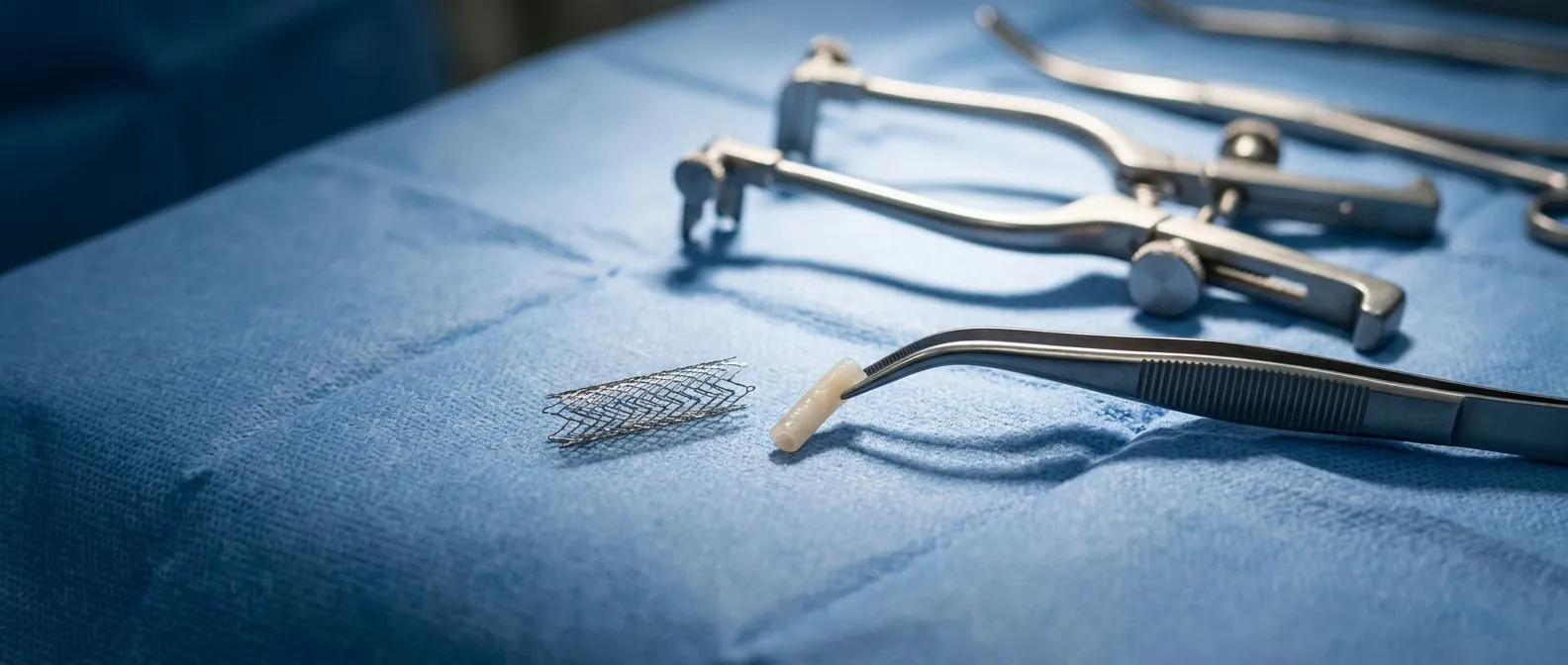
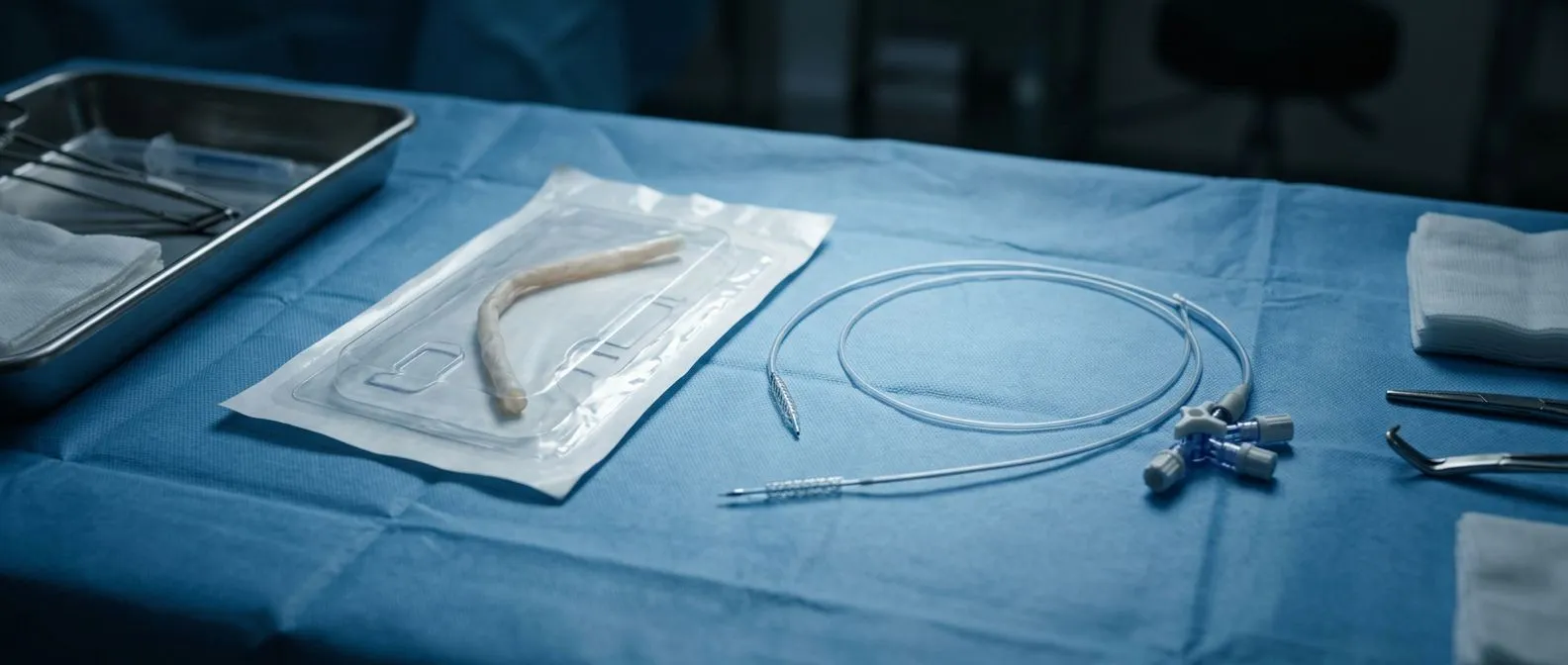
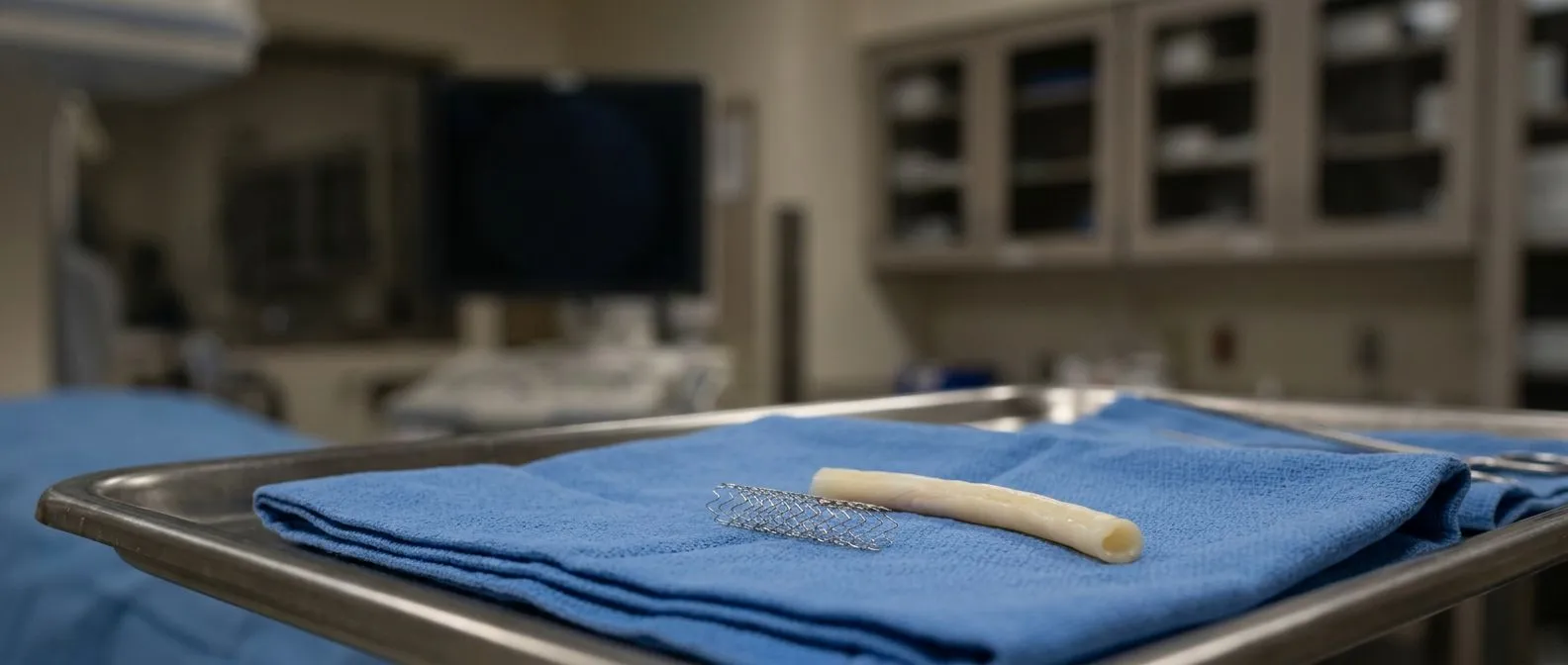
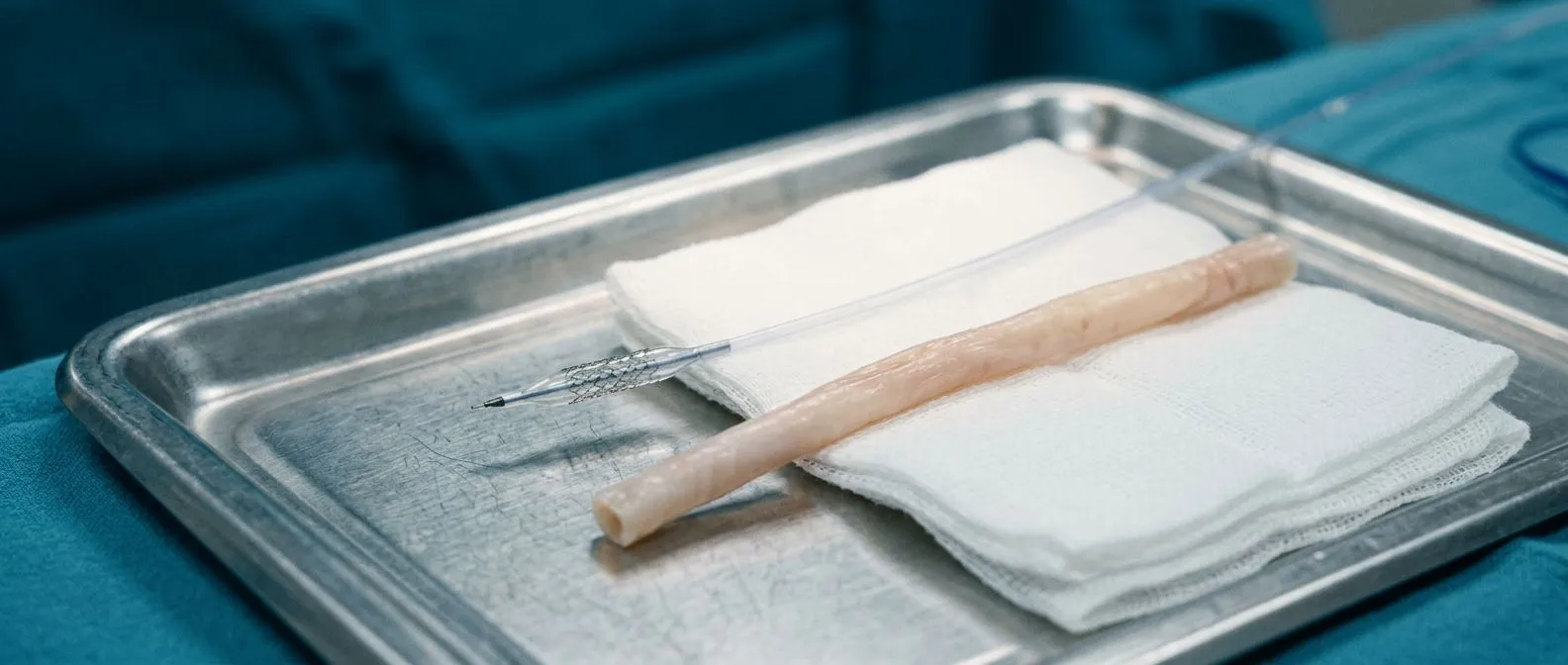
The radial artery is one of two arteries that supply your forearm and hand. You can feel it at your wrist, where doctors take the pulse. In bypass surgery, a segment of this artery can be removed and used as a new pipeline: one end is connected to the aorta, the body's main artery, and the other to a coronary artery downstream of a blockage. Blood then flows through the graft, past the obstruction, back to the heart muscle.
Why arteries matter as graft material: arteries are naturally built to handle high pressure, in the same way the coronary arteries they feed are built. Veins, which carry blood at lower pressure, can thicken and narrow over the years once they are re-purposed. That difference is the whole reason surgeons have spent decades refining the use of arterial conduits like the radial artery.
A brief history: the radial artery was first proposed as a bypass conduit in the early 1970s, but fell out of favor when early results were poor. It was revived in the 1990s once surgeons understood the graft needed calcium-channel medication to prevent spasm — the artery's muscle layer squeezing shut. With that fix, it became one of the most studied conduits in modern cardiac surgery.
How Does a Radial Artery Graft Bypass Work?
Once harvested, the radial artery segment is connected at one end to the aorta or to another graft, and at the other end to a coronary artery beyond the blockage. A common configuration is the Composite Graft arrangement, where the radial artery is joined to a Left Internal Mammary Artery — the artery taken from inside the chest wall — in a T shape, so blood flows from the mammary artery through the radial graft to the target vessel.
Which vessels does it typically feed? The radial artery is usually reserved for targets that are seriously narrowed but not completely calcified, most often branches of the Circumflex Artery or the Right Coronary Artery. The Left Anterior Descending Artery — the vessel surgeons call "the widow maker" — is almost always grafted with the internal mammary artery, because that pairing has the best-proven durability.
On-pump or off-pump: the graft can be placed during On-pump Bypass, where a Cardiopulmonary Bypass machine takes over circulation, or during Off-pump Bypass, where the heart keeps beating. The conduit choice and the pump decision are separate; your team weighs both against your anatomy and overall health.
Radial Artery vs Saphenous Vein Bypass: Which Graft Is Better for CABG?
The Saphenous Vein Graft, taken from the leg, is the most widely used conduit in the world and remains an excellent choice for many patients. But decades of follow-up show a pattern: a meaningful proportion of Venous Graft segments develop thickening of their walls over 10 to 15 years, narrowing the channel. Arterial grafts resist this process better, which is why the radial artery is increasingly preferred for suitable targets.
- Vein graft strengths: easy to harvest, generous length, flexible for multiple targets, well understood by every surgical team.
- Radial artery strengths: better pressure tolerance, slower wall thickening, strong long-term performance when used on appropriate vessels.
- Trade-off: the radial artery is more prone to spasm and needs careful handling plus medication; it also requires forearm harvest.
When patients ask our team which graft is better for CABG, the honest answer is that no single conduit wins for every target and every patient. Every case is reviewed by the multidisciplinary team against international practice guidelines before a recommendation is given, and the patient receives a clear proposal with the alternatives — the final decision is always theirs.
What the studies show: randomized trials comparing the two conduits have generally favored the radial artery for graft Patency — how well the graft stays open — at five years and beyond, particularly in patients who take aspirin and a calcium-channel blocker afterward. The advantage is largest in patients who need a graft to survive and function well for many decades, which is why age and expected longevity factor into the choice.
Radial Artery Graft vs Mammary Artery: How Do They Compare?
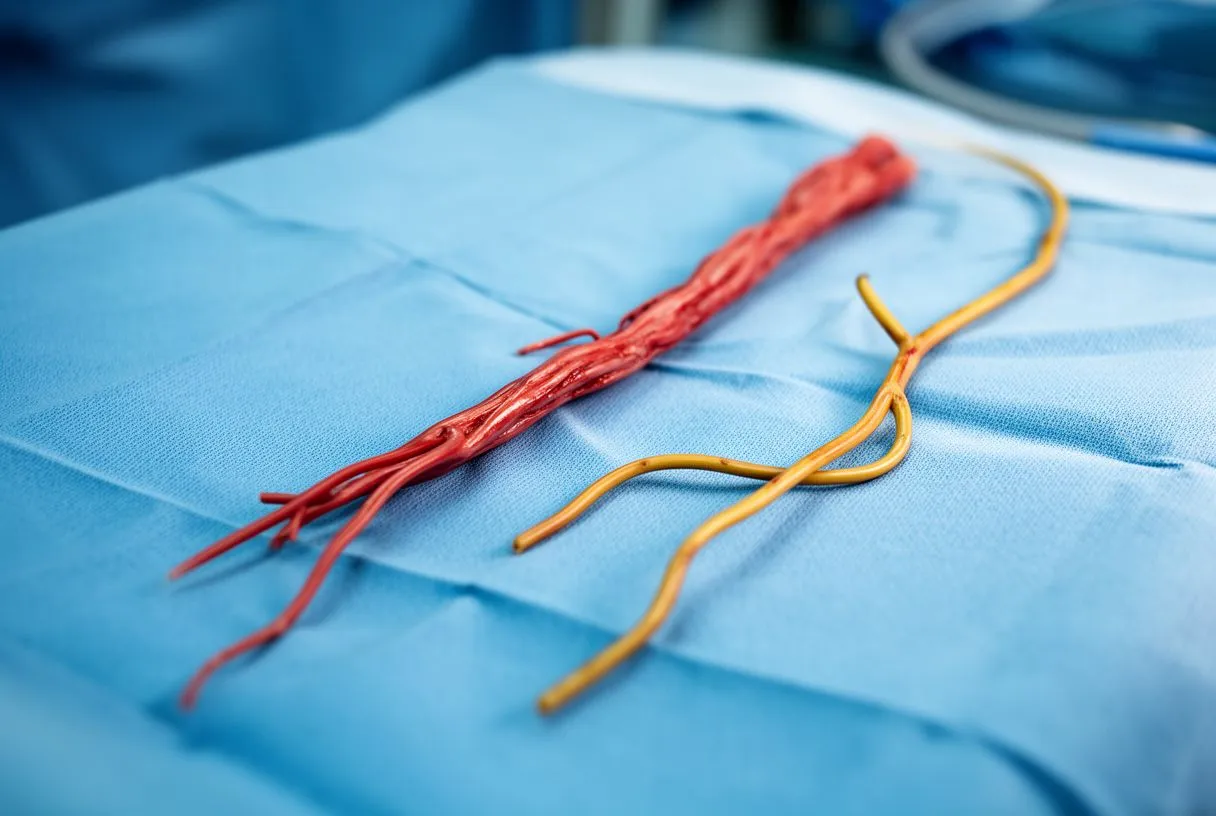
The Left Internal Mammary Artery is the gold standard of bypass conduits. It runs along the inside of the chest, already connected to branches that feed the heart, so it is used in place rather than detached — and it rarely narrows over a patient's lifetime. Virtually every bypass candidate receives at least one mammary graft.
Why the radial artery complements it: the mammary artery is only long enough to reach one, sometimes two targets. The radial artery adds a second arterial conduit, giving the surgeon arterial inflow for additional vessels — a strategy called total arterial revascularization. In the Composite Graft T-configuration, one mammary artery can support both its own target and one or more radial artery targets.
The practical difference for you: using a mammary artery adds no external scar beyond the chest incision. Using the radial artery means a forearm incision and a period of hand and wrist rehabilitation. The benefit is a graft that is likely to stay open longer than a vein would — a calculation your surgeon should explain target by target.
Who Qualifies for a Radial Artery Graft?
The Allen test and blood-flow check: before a radial artery graft bypass is planned, the team must confirm your hand will be well supplied without that artery. The classic Allen test involves compressing both wrist arteries and watching how quickly color returns to the hand. Today, most teams add an ultrasound Doppler study and sometimes a pulse-volume recording to be certain the ulnar artery — the forearm's other main artery — can carry the full load alone.
Patients who are usually not candidates: the radial artery is generally avoided in people with poor circulation to the hands, Raynaud's phenomenon, previous wrist or forearm surgery or trauma, kidney failure requiring dialysis (where the radial artery may be needed for fistula access), or significant calcification of the artery itself. Uncontrolled diabetes with severe small-vessel disease also weighs against it.
Who benefits most: relative younger patients, those with longer life expectancy, patients whose coronary targets are moderately — not completely — blocked, and those on whom a vein graft has failed before. In our consultation we take the time to explain what these studies actually show, in plain words, and to answer every question before any decision. If a radial artery is not right for you, we say so plainly.
What Happens During Radial Artery Harvest for Bypass?
Open versus endoscopic technique: the classic open harvest makes a incision along the inner forearm to remove the artery under direct vision. Endoscopic radial artery harvest uses one or two small wrist incisions and a camera, leaving a far smaller scar. For a long time surgeons worried endoscopic harvest might injure the graft; more recent research, published on Springer, has examined conduit quality and outcomes across harvest techniques, and many centers now use endoscopic harvest routinely with careful handling protocols.
During the operation: the artery is removed with its surrounding tissue preserved, kept in a papaverine or heparin solution to prevent spasm, and dilated gently. The surgeon measures it against the planned target and connects it. The whole harvest adds roughly 20 to 40 minutes to the operation, often performed in parallel by a second team.
What we actually do: our team performs conventional, minimally invasive, robotic and transcatheter procedures, and we recommend the less invasive route only where the evidence supports it for that patient. Dr Molina trained in cardiac, minimally invasive, robotic and structural surgery at the University of Montreal, and that training shapes how carefully we choose and handle each conduit.
Radial Artery Graft Recovery Time: What to Expect
Most patients go home five to seven days after bypass surgery. The chest bone takes six to eight weeks to knit; the forearm incision usually becomes comfortable within two to three weeks. Expect some numbness along the thumb side of the forearm and hand — the harvest can temporarily affect small skin nerves — and a period where gripping tightly feels weak.
Hand rehabilitation matters: grip exercises, wrist mobility work, and gradual return to daily activities make a real difference in how quickly the hand feels normal. A study of a Tele-Cardiac Rehabilitation Program on the International Journal of Physiotherapy website found that structured, remotely supervised rehabilitation improved functional capacity and grip strength in patients after coronary bypass — evidence that you don't need to live near a major rehab center to recover well.
What the first weeks look like: walking is the main activity from day one. Avoid lifting more than a few pounds with the affected arm for several weeks. Driving typically resumes around four to six weeks once your team clears you. Cardiac rehabilitation — supervised, progressive exercise — is strongly recommended for every bypass patient, regardless of which graft was used.
In our practice, we map out this recovery timeline with every patient before surgery, so no one leaves the hospital wondering what comes next.Radial Artery Graft Complications and Risks
What happens if your radial artery is damaged or removed? In most people with normal circulation, the ulnar artery takes over the hand's blood supply completely. The main risks specific to radial harvest are hand weakness or numbness, a small chance of chronic forearm pain, and — rarely — reduced blood flow to the hand if the ulnar supply turns out to be inadequate despite testing. Graft Occlusion, where the bypass channel closes, is the other key risk; it is more likely when the graft is placed on a poorly selected target or when anti-spasm medication is stopped early.
Surgery-level risks: these apply to any bypass: bleeding, infection, irregular heart rhythm, and in a small percentage of patients, stroke or kidney injury. Surgery on a beating heart still involves manipulating the heart, and any heart operation carries real risk — when patients ask what the most risky heart surgery is, complex procedures combining multiple valves or repairs on a very ill heart sit at that end of the spectrum.
How inflammation plays a role: bypass surgery triggers an inflammatory response in every patient. Research on Mexican and Latin American populations, including a study of Interleukin-35 levels in patients undergoing coronary bypass, published by SciELO, is helping clarify how individual immune differences might influence outcomes after Cardiopulmonary Bypass — work that may one day help tailor recovery care.
Hand circulation is usually checked with Doppler ultrasound before a radial artery graft is used, and a vein is preferred when the graft would put the hand at risk.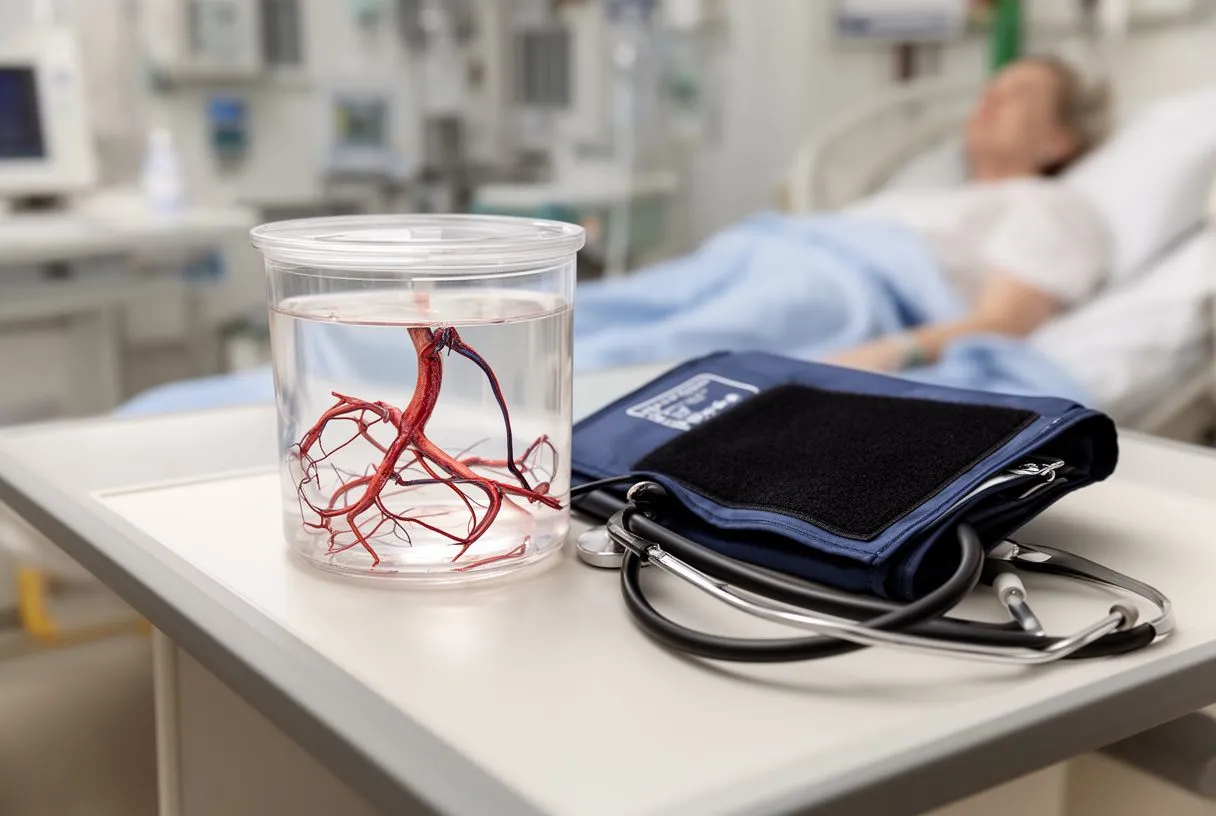
Radial Artery Graft Long-Term Results and Patency
What the long-term data show: large observational studies following patients for 10 years or more report that radial artery grafts maintain strong Graft Patency when used on appropriate targets, with angiographic patency at five years in most series exceeding that of saphenous vein grafts. Long-term outcomes also depend heavily on what happens after surgery: quitting smoking, controlling cholesterol and blood pressure, and staying on antiplatelet medication.
The calcium-channel question: because the radial artery tends to spasm, many teams prescribe a calcium-channel blocker for the first six to twelve months, alongside lifelong aspirin. Skipping these medications has been associated with earlier graft failure in some cohorts. This is worth writing down and asking about at every follow-up visit.
Signs a graft may be narrowing: returning chest tightness, breathlessness with familiar activity, or symptoms like the ones that led to surgery in the first place. A scheduled angiogram or CT angiogram is sometimes arranged for surveillance, particularly in patients with multiple grafts. If you notice new symptoms, report them promptly — grafts can often be reopened with a stent if problems are caught early.
Radial Artery Graft Costs and Choosing Care in Mexico
What drives cost: the price of bypass surgery varies mainly with hospital fees, the number of grafts, whether the procedure is on-pump or off-pump, and how long you stay. The choice of conduit itself adds little to the total — the radial artery costs nothing extra to obtain.
Questions to bring to any consultation:
- Which grafts will you use for which arteries, and why?
- Have you confirmed my hand circulation before recommending a radial artery graft?
- Open or endoscopic harvest — which do you use, and why?
- What is your approach if a graft fails years from now?
- What follow-up and rehabilitation do you arrange?
How we work with international patients: the first contact is a free video consultation, where we get to know you, talk through your condition, and say which studies are still needed so no unnecessary ones are ordered. When you decide to go ahead, a face-to-face visit at the consulting rooms follows. We encourage second opinions and treat seeking one as a normal part of deciding about heart surgery.
The takeaway: a radial artery graft bypass offers real advantages — arterial durability and strong long-term performance — for the right patient on the right target, at the cost of a forearm incision and careful testing. Whether it belongs in your operation is a question only a full review of your anatomy can answer. If you are weighing your options after a diagnosis of coronary disease, we invite you to book a consultation with Dr Molina and our team rather than deciding alone.