Internal Mammary Artery Graft: The Bypass Gold Standard
Why the internal mammary artery graft is the reference conduit for bypass surgery: how it works, why surgeons choose it, and what to ask your cardiac team.
If you or a family member has been told you need Coronary Artery Bypass Grafting, you have probably heard surgeons talk about "using the mammary artery." It can sound alarming to learn that one of your own arteries will be re-routed to feed your heart. In reality, this is the most studied and most trusted technique in cardiac surgery. In this guide, we explain what an internal mammary artery graft is, where it comes from in your body, why surgeons prize it so highly, and what the operation and recovery actually involve — in plain language, so you can walk into your consultation knowing exactly which questions to ask.
What Is an Internal Mammary Artery Graft?
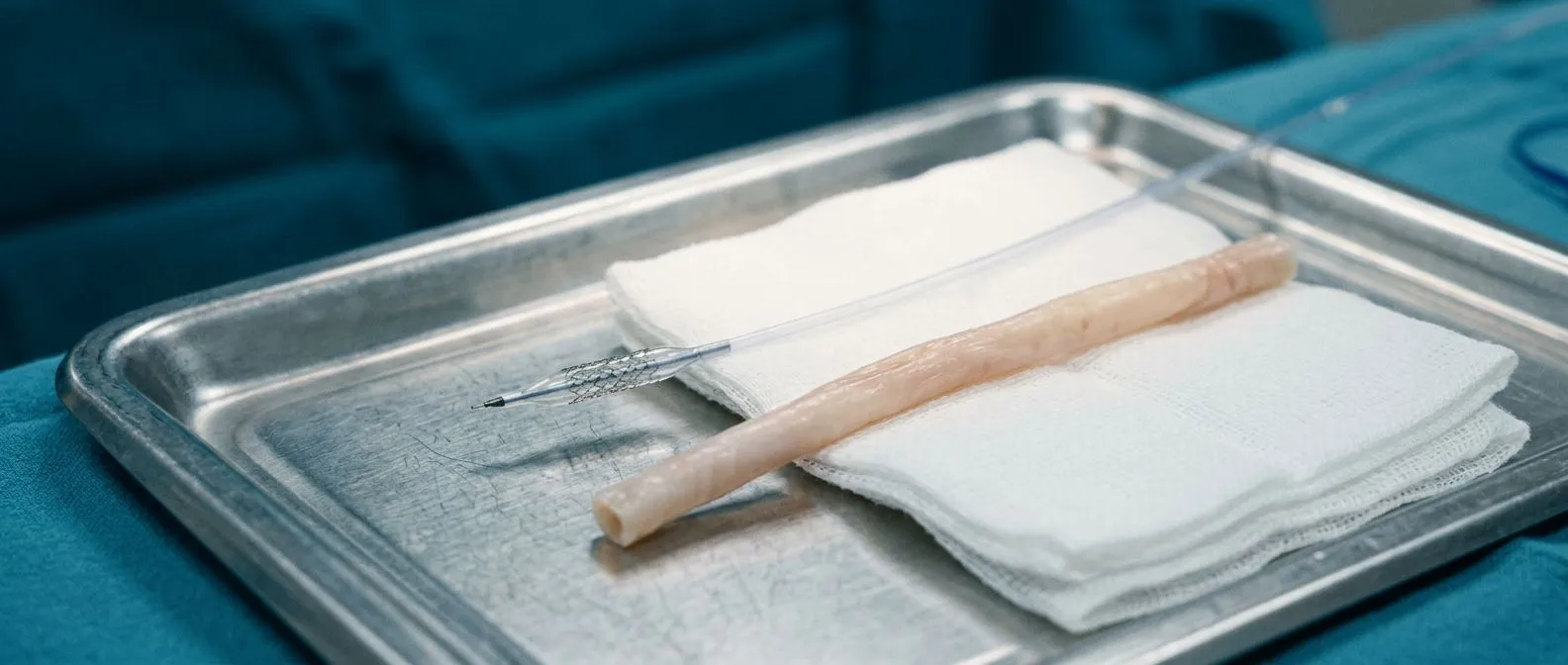
The basic idea in one sentence. An internal mammary artery graft means taking an artery that already runs inside your chest wall and connecting one end of it to your heart's surface, so blood flows around a blocked coronary artery instead of through it. The blocked vessel is left in place; the new route simply carries blood past the obstruction. No artificial material is needed, and nothing is removed from a donor.
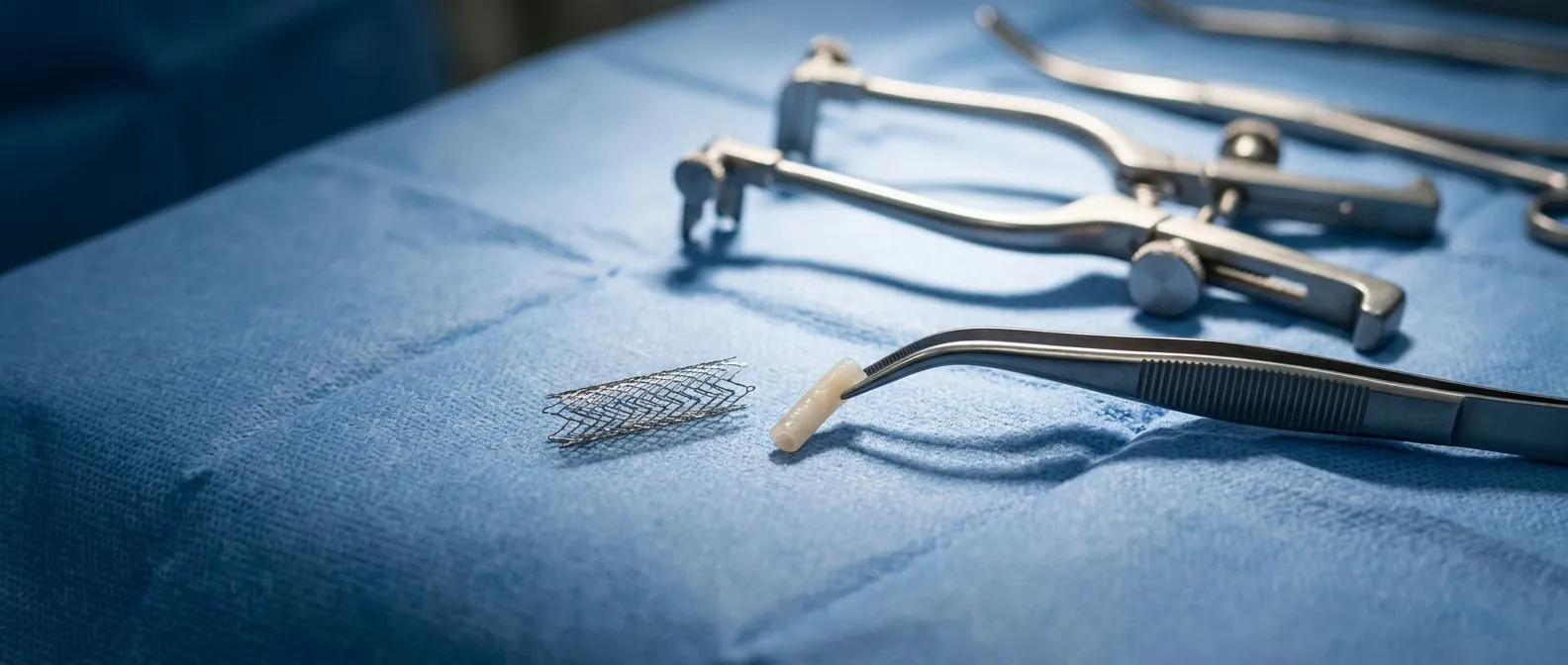
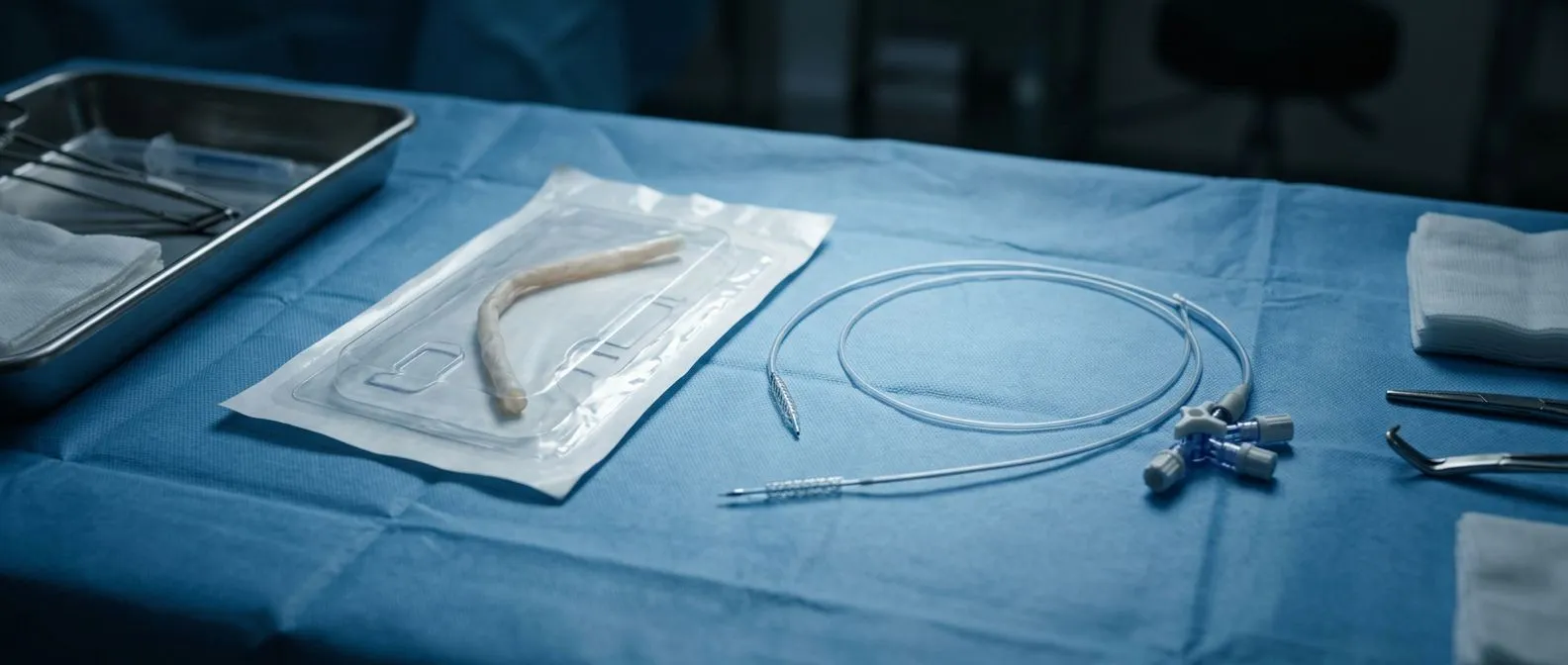
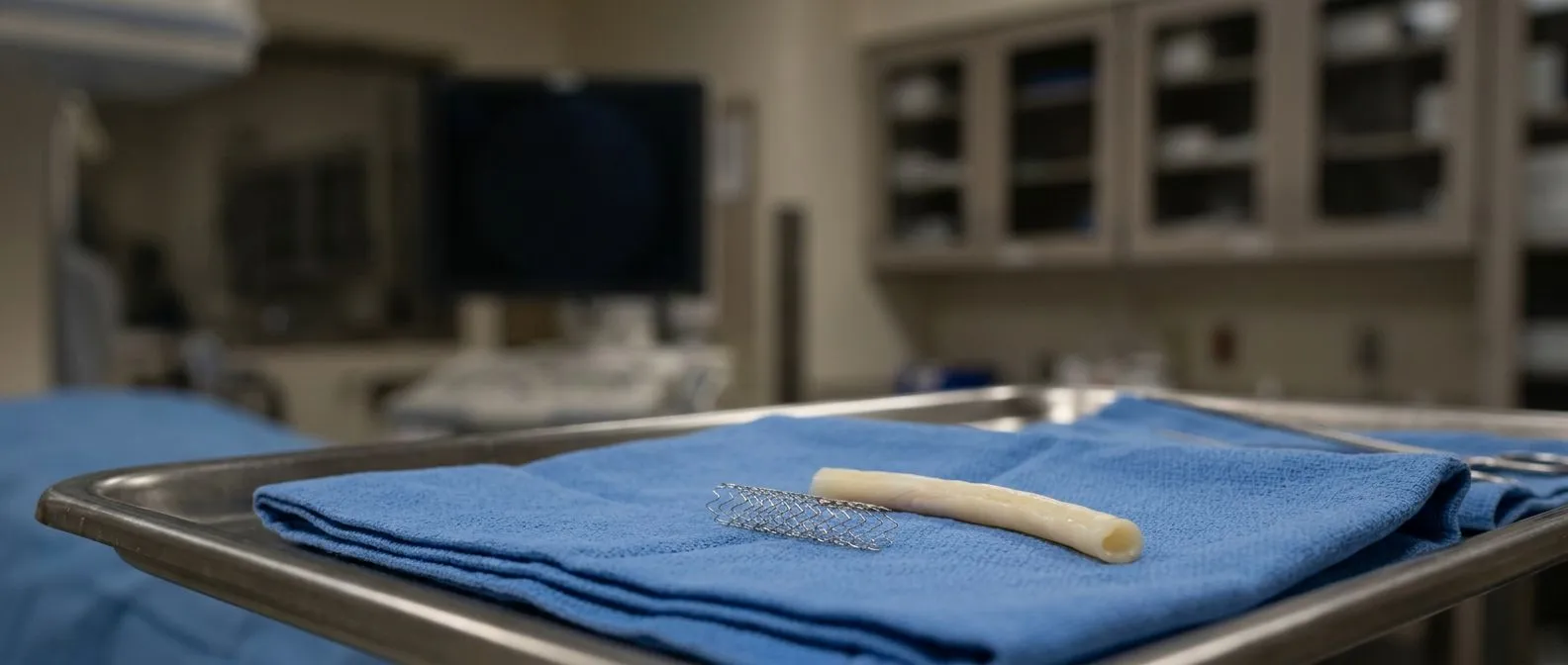
Surgeons describe the vessel itself as a "conduit" — the channel that carries blood to the heart muscle downstream of the blockage. Arterial conduits like the mammary artery behave more like the coronary arteries they connect to than veins do. They are built for arterial pressure, they respond to the heart's own chemical signals, and they grow their own inner lining over the connection point in the months after surgery. That biological behaviour is the reason this graft became the reference standard worldwide.
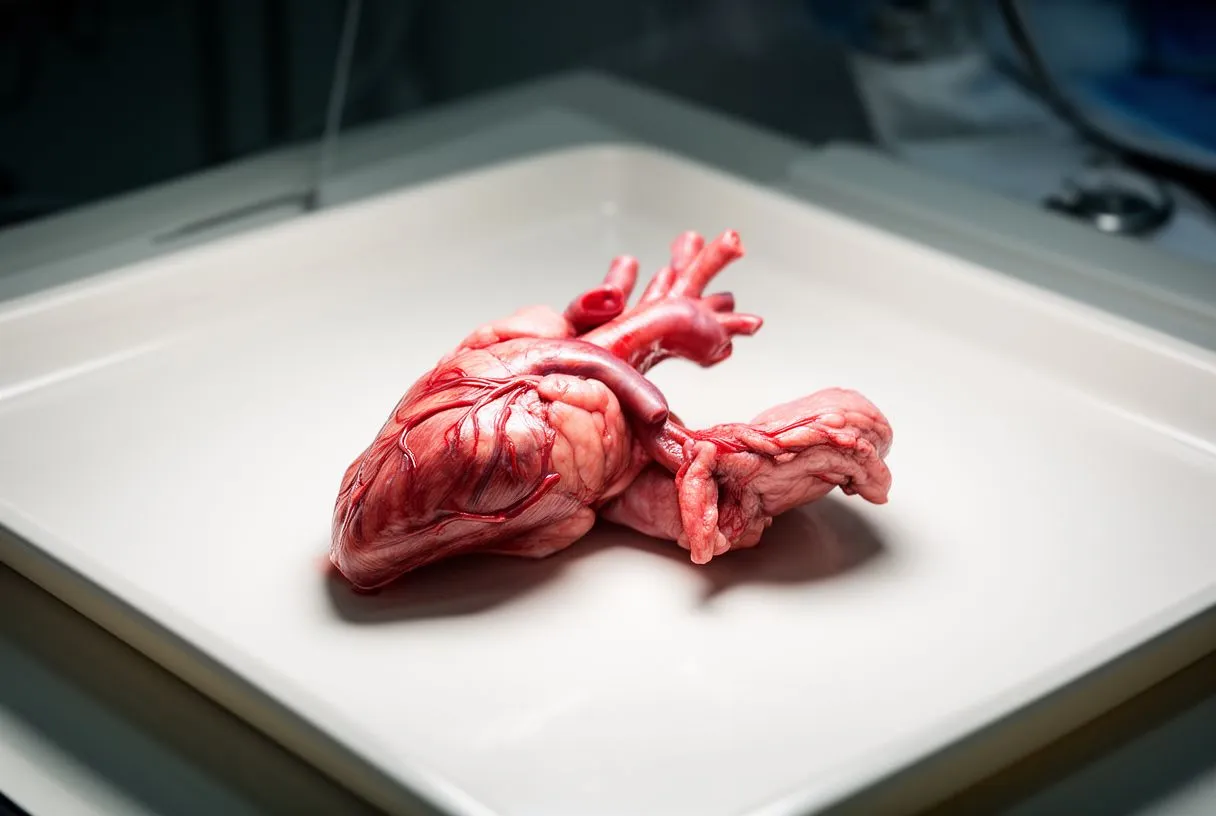
For most patients the graft is connected to the left anterior descending artery, the vessel that supplies the front wall of the heart — the largest and most important pumping region. A graft to this artery is often called a LIMA graft bypass, short for left internal mammary artery. When we review a case as a team, the LIMA-to-LAD connection is the one element we expect to see in nearly every complete bypass plan, because decades of evidence support it.
Where Does the Internal Mammary Artery Come From?
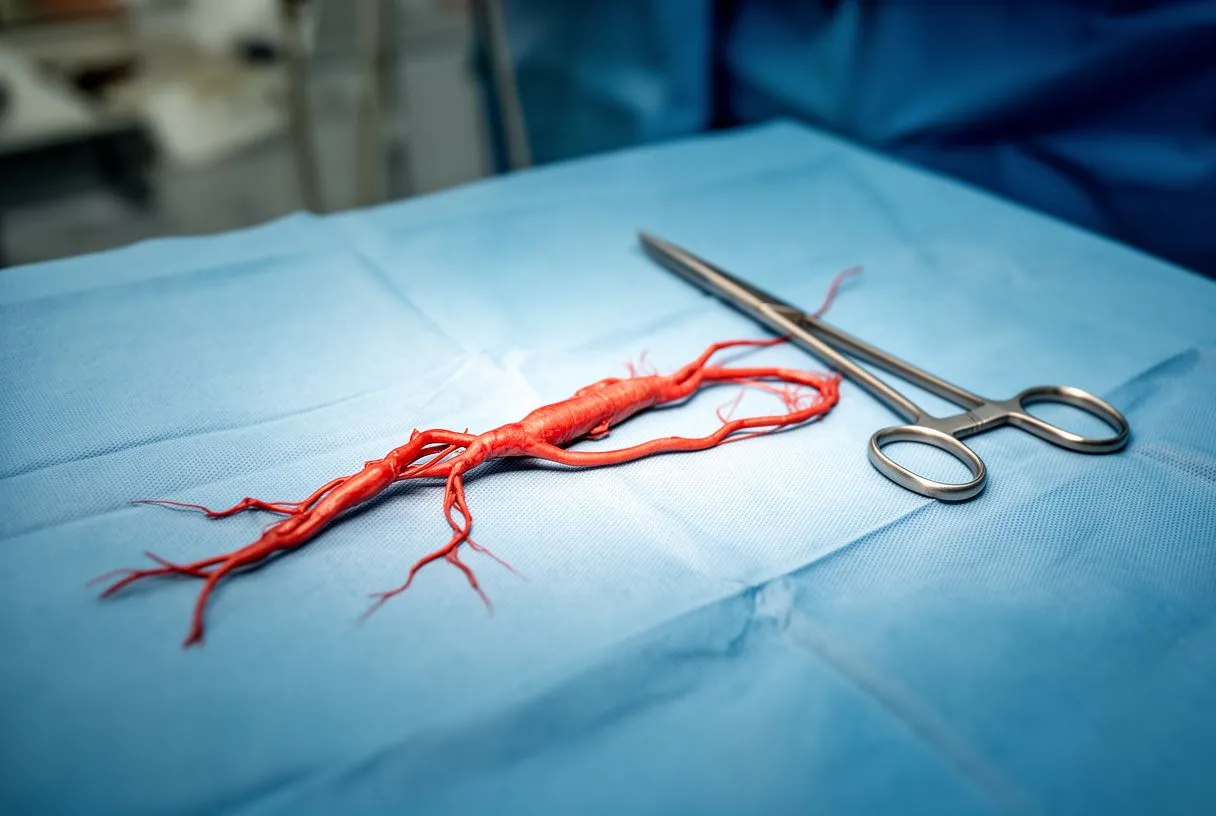
Its origin is one you have already relied on your whole life. Each internal mammary artery arises from the subclavian artery — the large vessel under your collarbone that supplies blood to the arm. From there, it runs straight down along the inside of the front chest wall, just to each side of the breastbone, behind the ribs. This is why the anatomical location of the anterior thoracic arteries matters to surgeons: the graft sits directly behind the incision a sternotomy makes, within easy reach once the chest is open.
You have two of these arteries, one on the left and one on the right, and they mirror each other. Because they are already in the chest, the surgeon does not need to make a second incision in a leg or arm to obtain one. That matters more than patients realise: it means one operation, one recovery area, and no second surgical site to heal.
Here is the reassuring part about "removing" it. The chest wall has a rich overlapping blood supply from other vessels, so it continues to receive adequate blood after the mammary artery is redirected. In our consultations we explain this early, because it is one of the most common unspoken fears we see — patients worry that taking an artery out of the chest wall will leave it damaged or weakened. It does not.
What Are the Branches of the Internal Mammary Artery?
Knowing its branches explains why it works so well as a graft. On its way down the chest wall, the internal mammary artery gives off several sets of branches:
- Perforating branches: small vessels that pass forward through the intercostal spaces to supply the breast tissue and overlying structures — these are divided during harvest.
- Anterior intercostal branches: paired vessels at each rib level that supply the intercostal muscles and join up with the posterior intercostal arteries, forming a natural backup network for the chest wall.
- The musculophrenic and superior epigastric arteries: the two terminal branches at its lower end, which continue the supply downward into the abdominal wall — another reason the chest and upper abdomen tolerate its redirection so well.
- The pericardiacophrenic branch: a slender companion that travels with the phrenic nerve and supplies the pericardium, the sac around the heart.
The intercostal connections are clinically important. They create collateral circulation, meaning blood can reach the chest wall by alternate routes if needed. Surgeons preserve selected branches during harvest for exactly this reason.
The anatomy also explains its calibre. The internal mammary artery is roughly two to three millimetres across at the level where it is usually connected — a close match in size to the coronary arteries. That size match is not a coincidence of convenience; it is one reason blood flows through the graft in a smooth, physiological pattern rather than the turbulent pattern seen in wider vein grafts.
Why Is the Mammary Artery So Special for Bypass?
Its structure suits its new job. The internal mammary artery is what anatomists call a muscular artery with an unusually elastic internal lining. It has relatively little wall thickening as people age, so an older patient's mammary artery often looks like a younger vessel. It also releases its own nitric oxide — a natural chemical that relaxes the vessel wall and discourages the processes that narrow grafts over time.
It resists the two big graft killers. Grafts fail in two main ways: atherosclerosis, the same cholesterol disease that blocked the coronary arteries in the first place, and intimal hyperplasia, an exaggerated healing response that thickens the vessel's inner lining. The mammary artery is notably resistant to both. Vein grafts, by contrast, are suddenly exposed to arterial pressure and tend to thicken and narrow within years.
Flow dynamics matter too. The mammary artery is a small-calibre artery feeding a small-calibre coronary artery, so blood keeps moving briskly rather than sluggishly. Slow, turbulent flow invites clot and narrowing; brisk, steady flow keeps the graft's inner surface healthy. When our team reviews imaging before surgery, the calibre and flow characteristics of the target coronary artery are among the details we look at most carefully, because they predict how the graft will behave over a lifetime.
Is the Left Internal Thoracic Artery the Same as the Left Internal Mammary Artery?
Yes — the two names describe the same vessel. "Internal thoracic artery" is the term anatomy textbooks now prefer, while "internal mammary artery" is the term cardiac surgeons use every day. Both appear in operative reports, and both refer to the artery running down the inside of the chest wall beside the breastbone. If your report says "LITA-to-LAD" and a relative's says "LIMA-to-LAD," the operations were the same in principle.
The naming quirk has a practical consequence worth knowing. When you read about a Left Internal Mammary Artery graft or an internal thoracic artery graft in research papers, you are reading about the same technique and the same evidence base. Nothing is being compared, because nothing is different. Surgeons simply switch between the terms depending on audience.
This is also a good moment to say something we tell every patient: keep a copy of your operative report, and bring it to any future consultation. We encourage second opinions and treat seeking one as a normal part of deciding about heart surgery — and a clear report means any second surgeon can see exactly what was done without guesswork.
LIMA to LAD Graft Survival: What the Evidence Shows
Why one connection carries so much weight. The left internal mammary artery graft to the left anterior descending artery — the LIMA-to-LAD graft — is the single most studied connection in cardiac surgery. Follow-up studies going back decades have shown that patients who receive it live longer, on average, than patients whose bypasses use veins alone, and the benefit persists well into the second decade after surgery. Graft patency — the medical term for the graft staying open and carrying blood — is remarkably high for this connection at ten years and beyond.
The benefit is largest for the vessel it feeds. The left anterior descending artery supplies the bulk of the heart's main pumping chamber, which is why disease of the left main coronary artery or of the LAD itself is treated so decisively. A graft that stays open for decades on this particular vessel changes the long-term outlook of the whole operation.
Evidence of this quality is exactly what our multidisciplinary team checks every recommendation against before anything is proposed to a patient. International guidelines on revascularisation specify the LIMA-to-LAD graft as the standard for suitable patients, and every case we review is measured against those guidelines before the patient receives a clear proposal with the alternatives laid out — the final decision always rests with the patient.
Mammary Artery Graft vs Saphenous Vein: Which Is Better?
The short answer: they are not competitors, they are partners. A typical multi-vessel bypass uses the left internal mammary artery for the LAD and Saphenous Vein grafts — veins taken from the leg — for the other blocked vessels, such as the Right Coronary Artery or the circumflex branches. Comparing mammary artery graft vs saphenous vein is less about choosing a winner and more about choosing the right graft for each target.
Where the vein falls short. A Saphenous Vein graft was designed by nature to carry venous pressure, which is far lower than arterial pressure. Placed onto an artery, its wall gradually thickens and can develop atherosclerosis of its own. Many vein grafts need attention or fail within ten to fifteen years, which is why vein graft failure remains one of the main drivers of repeat procedures.
Where the artery excels. An arterial graft for coronary bypass like the mammary artery is built for arterial pressure from day one. Its longevity advantage is most pronounced precisely on the target where durability matters most: the LAD. The trade-offs are real, though — mammary harvest adds operative time, and the vessel is a single, non-replaceable resource, so the surgeon plans how to use it carefully. In practice, the classic combination of one mammary artery plus vein grafts remains the most common complete revascularisation strategy worldwide, with good reason.
Can the Mammary Artery Be Used for Heart Bypass Surgery Safely?
Yes, and it has one of the longest safety records in surgery. The technique has been in routine use since the 1960s and is now performed at essentially every cardiac surgical centre on earth. Serious complications related to the graft itself are uncommon. That said, no operation is without risk, and honest medicine means naming the real ones: bleeding, infection of the sternal wound, irregular heart rhythms in the early days, stroke, and the general risks of anaesthesia. Your surgical team assesses these individually, often with scoring tools such as EuroSCORE II that estimate operative risk from your specific profile.
Special situations deserve special care. Certain conditions call for extra planning — severe lung disease, previous chest radiation, poor heart function, or advanced diabetes all shape the operative strategy. Even patients with complex medical histories, including those living with HIV who undergo bypass, are increasingly shown to have acceptable outcomes in large population studies; a population-based study of coronary artery bypass grafting outcomes in patients with HIV published in Scientific Reports examined this directly. The lesson is that a complex history changes the plan, not the possibility.
What we check before committing. In our practice, every case is reviewed by our multidisciplinary team against international practice guidelines before a recommendation is made, and the patient receives a clear proposal with the alternatives — the final decision is always theirs. If the mammary artery is not the right choice for a particular patient's anatomy, we say so and explain what we would use instead.
Internal Mammary Artery Harvest Technique: What Happens in Surgery?
How the graft is taken. After the chest is opened through the breastbone, the surgeon gently lifts the left internal mammary artery away from the chest wall as a pedicle — the artery plus a thin ribbon of surrounding tissue that protects its small side branches. The branches heading into the chest wall are clipped and divided. The artery is kept hydrated and handled with minimal touching, because trauma to its wall is one thing that can harm long-term graft function. Harvest happens while the heart is still beating, before the heart-lung machine takes over if one is used.
Skeletonised versus pedicled harvest. Two harvest styles exist. Pedicled harvest keeps the tissue ribbon around the artery; skeletonised harvest strips the tissue away, freeing the artery completely. Skeletonised harvest preserves more of the intercostal branches, which some surgeons favour for chest-wall blood supply, and it can be useful when both mammary arteries are needed for a bilateral graft strategy. Both approaches have good results; the choice reflects the surgeon's plan and the patient's anatomy.
The connection itself. Once the target coronary artery is prepared, the free end of the mammary artery is sewn to it with a stitch finer than a human hair, under magnification. This connection is the most delicate minute of the operation, and it is where surgical experience shows most plainly. Dr Molina trained in cardiac, minimally invasive, robotic and structural surgery at the University of Montreal, and the team's additional training at centres including Jena, Bad Berka and Buffalo informs exactly these technical choices — from harvest style to how the graft is laid against the heart so it neither kinks nor stretches.
How Long Does a Mammary Artery Bypass Last?
The honest answer: longer than any other graft in routine use. The internal mammary artery graft longevity record is the reason it earned the phrase "gold standard." Follow-up studies report very high patency at ten years, with many grafts still working at twenty years and beyond — a durability no vein graft reliably matches. For most patients treated in their sixties and seventies, the graft can reasonably be expected to last for the rest of their life.
What protects a graft after surgery — your part. Longevity is a partnership. The things that blocked the original coronary arteries will attack a graft too, so graft protection looks like heart protection:
- Take your medications exactly as prescribed: antiplatelet therapy, statins, and blood pressure control are the backbone of graft protection.
- Stop smoking completely: smoking accelerates narrowing in every graft, arterial or venous.
- Commit to cardiac rehabilitation: structured programmes measurably improve recovery; a study of a tele-cardiac rehabilitation programme after coronary bypass in the International Journal of Physiology found improvements in functional independence, hand grip strength, and exercise capacity, showing that even remote-guided rehab delivers real gains.
- Manage diabetes, weight and cholesterol: these drive the disease process that damaged the native arteries.
How recovery actually unfolds. Most patients spend about five to seven days in hospital after a conventional bypass, with the first six to eight weeks devoted to sternal healing — which is why lifting restrictions matter during that window. Full recovery commonly takes around three months. In our consultations, we take the time to explain what the studies actually show in plain words and to answer every question before any decision is made, including the practical questions about driving, work and exercise that patients often hesitate to ask.
One more consideration for international patients: coronary bypass recovery time is similar wherever the surgery is done, but travel logistics matter. Plan to remain near the surgical centre for the first weeks, arrange follow-up either in person or by video, and confirm your coverage for any post-operative care before you fly home.
Wrapping up. An internal mammary artery graft is not a piece of hardware; it is a living piece of your own circulation re-purposed with extraordinary results. It offers the best-documented durability of any coronary bypass conduit, it comes with no second surgical wound, and its benefits compound over decades. If you have been offered bypass surgery, ask your surgical team three things: where the graft will be connected, which conduits they plan to use and why, and what the long-term patency figures are for that plan. If you would like a first opinion or a second one, our team of cardiac surgeons led by Dr Alejandro Molina, with consulting rooms in Guadalajara, Querétaro and Hermosillo, offers a free initial video consultation to talk through your condition, review which studies are genuinely still needed, and lay out the options — the decision about your heart remains, as it should, entirely yours.