

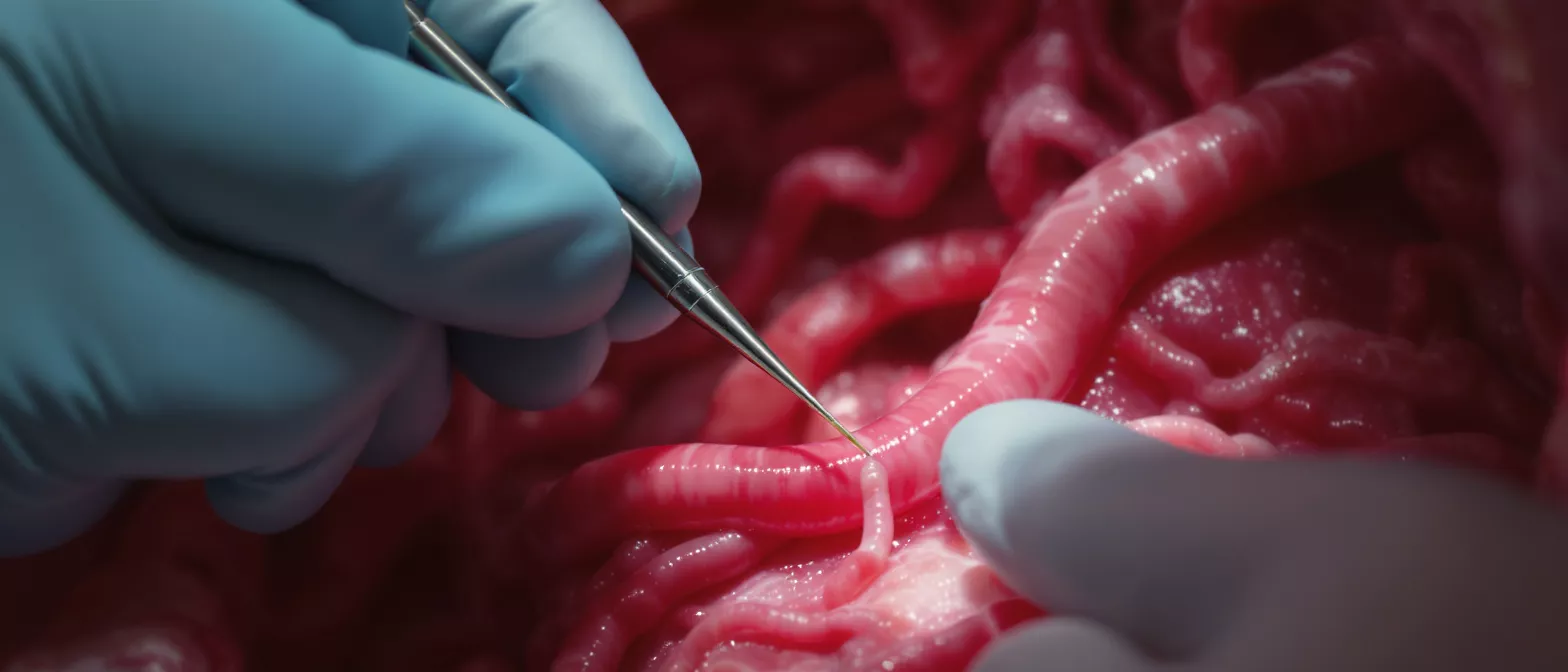
Internal Mammary Artery
Learn how the internal mammary artery is used in coronary bypass surgery for long-lasting blood flow.
What is the internal mammary artery?
Definition and role in cardiac surgery: The internal mammary artery is a blood vessel located inside the chest wall, running parallel to the sternum. In cardiac surgery, it is the preferred vessel for creating a bypass around blocked coronary arteries because it offers exceptional durability and natural resistance to plaque buildup, helping restore healthy blood flow to the heart muscle.
Why patients should understand this vessel: When a patient learns they need coronary artery bypass grafting, knowing that the surgeon can use a nearby artery from the chest wall rather than a vein from the leg often brings comfort. This choice means the body adapts well to the graft, and the healing process focuses on one primary surgical site rather than multiple incisions. Understanding this vessel helps patients and families feel more confident about the surgical plan and the long-term benefits it provides.
This artery is sometimes called the internal thoracic artery. It is highly valued by cardiac surgeons worldwide for its ability to maintain clear, uninterrupted blood flow over decades, making it the gold standard for heart bypass procedures. Recognizing its importance helps demystify the surgical approach and sets clear expectations for recovery.
Internal mammary artery anatomy and location
The anatomy of the internal mammary artery positions it ideally for use in cardiac procedures. It runs along the inside of the chest wall, just behind the sternum. This proximity to the heart means the surgeon can easily reach it during surgery without making large additional incisions elsewhere on the body.
Because of its robust structure and reliable pathway, the vessel provides an excellent source for grafting. The artery branches naturally into smaller vessels that feed the chest wall, but its main trunk is what surgeons redirect to the heart to deliver a fresh supply of oxygen-rich blood.
Surgeons carefully study the internal mammary artery anatomy to ensure the vessel is healthy and of adequate size before using it for a bypass. Because it already sits close to the heart, it can be mobilized and attached directly to a blocked coronary artery without being completely removed from its original blood supply, which is a major reason for its long-term success.
Why is the internal mammary artery used in coronary bypass?
Superior long-term patency: The internal mammary artery is highly resistant to atherosclerosis, the disease process that blocks coronary arteries. Unlike vein grafts, which tend to develop plaque over time, this artery remains clear for significantly longer periods, providing a lasting solution for patients who need a reliable bypass.
Anatomical advantages for revascularization: Because the left internal mammary artery already sits close to the heart, it can be easily rerouted to connect to the front of the heart. This proximity provides a shorter, more direct route for blood to flow, reducing the chances of kinking or blockages over time. The natural elasticity of this vessel also allows it to adapt to the heart's demands for oxygen.
Cardiologists and surgeons prefer this vessel because it sets the foundation for a highly successful revascularization. By choosing the internal mammary artery for coronary bypass, surgeons can ensure the new pathway stays open and functional for many years, giving patients the best possible outcome and a renewed quality of life.
How internal mammary artery grafting works
The internal mammary artery procedure begins once the chest is safely opened for surgery. The surgeon carefully isolates the artery from the surrounding chest tissue, leaving it attached at its origin near the collarbone to maintain its natural blood supply. This technique keeps the vessel viable and ready for its new role.
Once freed, the internal mammary artery is gently brought down and connected directly to the coronary artery beyond the blockage. The connection creates a new, unobstructed pathway for blood to reach the heart muscle, effectively bypassing the narrowed or closed section of the native artery.
- Direct connection: The artery is attached directly to the heart surface to restore flow.
- Single incision: Often harvested through the same main chest incision, avoiding extra cuts.
- Natural origin: It remains attached to its base, ensuring continuous, fresh blood flow.
Left internal mammary artery and coronary revascularization
The left internal mammary artery is the most common choice for cardiac surgery. It is typically used to bypass the left anterior descending artery, a major vessel on the front of the heart. Using the internal mammary artery for revascularization in this specific location has proven to be the most effective strategy for improving heart function and extending patient life.
By redirecting the left internal mammary artery to the front of the heart, surgeons create a highly durable and efficient pathway. This particular pairing is known for its exceptional internal mammary artery patency, meaning the graft stays open and functional for decades, often lasting the rest of a patient's life without needing further intervention. The left internal mammary artery is naturally positioned to reach this part of the heart with minimal tension, making it the ideal anatomical match.
When patients hear that their surgical plan involves the left internal mammary artery, they can feel reassured knowing that this specific configuration is the cornerstone of modern coronary bypass surgery. The revascularization achieved through this method directly addresses the most critical blockages, safeguarding the heart's primary pumping function. Surgeons prioritize this route because it offers unmatched reliability and gives patients the strongest possible defense against future cardiac events.
Internal mammary artery patency and graft survival
Patency refers to how well a blood vessel stays open and free from blockages after surgery. The internal mammary artery is famous in cardiology for its high patency rates. When used as a graft, its internal mammary artery graft survival far exceeds that of traditional vein grafts, remaining open in a vast majority of patients many years after surgery.
What keeps the graft open? The artery's natural resistance to atherosclerosis and its ability to adapt to the heart's blood flow demands play a critical role in its success.
Long-term outlook: Because the graft resists the very disease that caused the original blockage, patients experience fewer recurrent heart issues and enjoy a better quality of life. This lasting protection is a key reason the internal mammary artery is the standard of care in modern coronary bypass surgery.
How internal mammary artery harvest is performed
Internal mammary artery harvest involves carefully separating the artery from the chest wall. Surgeons use specialized instruments to gently detach the vessel from the surrounding tissue while ensuring it remains fully intact and connected at its base.
The harvesting process is meticulous, requiring great skill to avoid damaging the delicate artery. The surgeon works along the inside of the ribcage, freeing the vessel so it has enough length to reach the heart. This careful internal mammary artery harvest ensures the graft is perfectly prepared for its new role in delivering blood to the heart muscle without any unnecessary trauma.
Because the harvest occurs through the same primary incision used to access the heart, patients do not need to worry about additional surgical wounds elsewhere on their body. This approach significantly reduces overall surgical trauma and contributes to a more straightforward recovery process. The entire process is designed to prioritize patient safety while securing the highest quality graft for the coronary bypass.
Internal mammary artery bypass complications and safety
Are internal mammary artery bypass complications common? The use of this artery is considered highly safe and is the standard of care in coronary surgery. Because the vessel is naturally part of the chest area, using it avoids the complications associated with secondary incisions, such as infections or poor wound healing seen in sites like the leg.
Risks of harvesting: While generally very safe, the harvest process requires great precision to avoid injury to surrounding chest structures.
Overall safety profile: Most patients tolerate internal mammary artery CABG remarkably well. The benefits of using this artery far outweigh the minimal risks, providing a durable, safe bypass that significantly improves heart function and long-term survival.
- Low infection risk: Uses a single chest incision, reducing vulnerability compared to multiple surgical sites.
- High safety margin: Widely performed with well-established surgical protocols and predictable outcomes.
Internal mammary artery function and blood flow after surgery
After the operation, internal mammary artery blood flow increases naturally as the heart demands more oxygen. The artery adapts to the required blood flow, ensuring the heart muscle receives a steady supply of oxygen-rich blood. This dynamic adaptation is a major advantage of using a living arterial graft instead of a static vein.
The internal mammary artery function evolves as it takes on its new role. Initially, it provides a baseline supply of blood, but over time, it can enlarge slightly to accommodate the heart's needs. This ability to grow and change ensures the heart remains well-nourished even during physical exertion, allowing patients to return to their daily activities with renewed energy and confidence in their heart health.
Patients often wonder how their body will adjust to this redirected blood flow, but the physiological design of the internal mammary artery makes this transition seamless. The vessel is naturally equipped to handle the pressures of cardiac circulation, meaning it responds immediately to the heart's metabolic signals. As the patient recovers and becomes more active, the artery's flexibility helps the heart's oxygen supply scale appropriately, lowering the risk of the chest pain or fatigue associated with previous blockages.
Recovery and long-term outlook with mammary artery grafts
Recovery after internal mammary artery cardiac surgery is similar to standard heart bypass recovery. Patients typically spend a few days in the hospital before going home to continue their healing. Because the chest wall is the primary surgical site, it is important to follow guidelines for arm movement and lifting during the first few weeks to ensure the chest heals properly.
The long-term outlook for patients with an internal mammary artery graft is excellent. The durability of the graft means patients can look forward to many years of active, healthy living without the need for repeat procedures. Understanding the robust nature of this artery helps ease anxiety and provides a clear, positive path forward after cardiac surgery.
Ultimately, the successful integration of the internal mammary artery into the heart's plumbing system represents a triumph of modern surgical science. Patients leave the hospital not just with a repaired heart, but with a reinforced cardiovascular system designed to withstand the test of time. Following your cardiac rehabilitation plan helps this new blood supply continue to support an active lifestyle.






