

Arterial Graft
Learn how an arterial graft restores blood flow in coronary bypass surgery.
What Is an Arterial Graft?
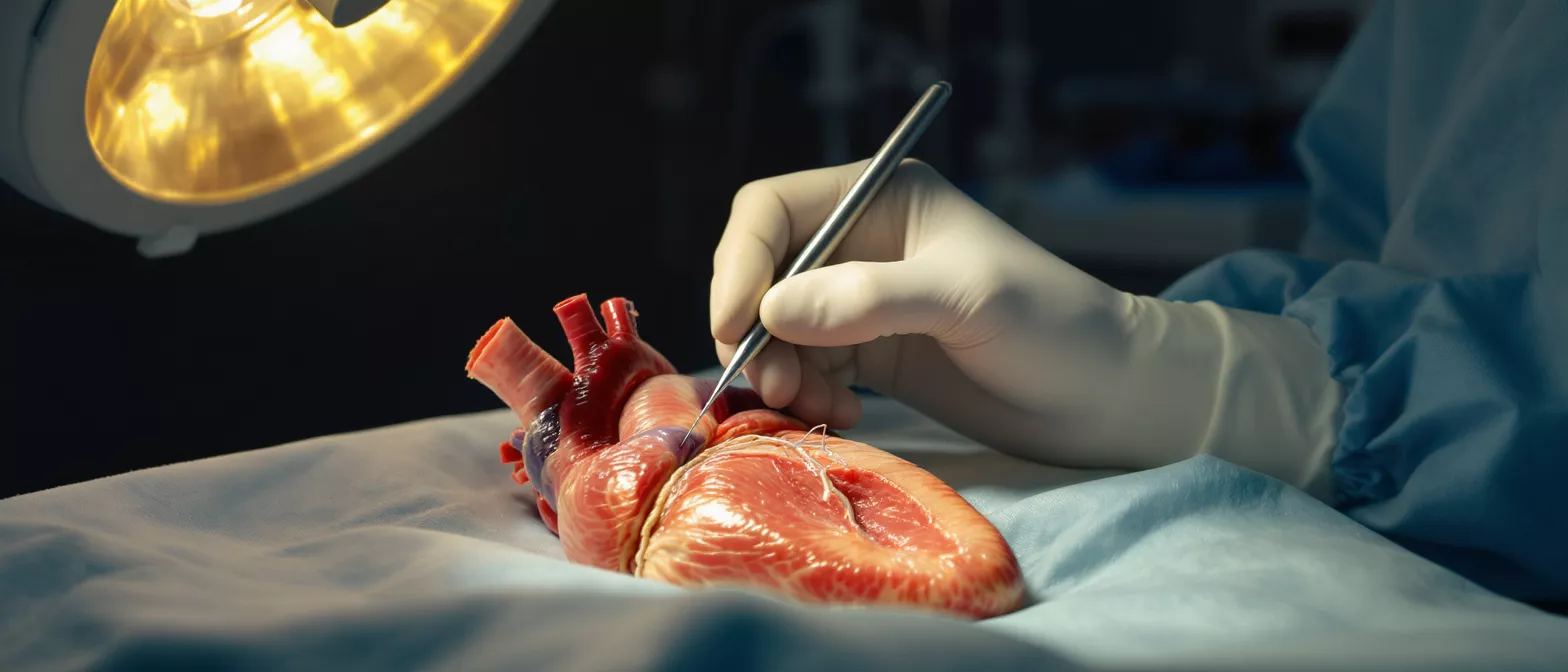
An arterial graft is a surgical technique used in coronary artery bypass to reroute blood flow around a blocked or narrowed artery. In cardiac surgery, the surgeon takes a healthy blood vessel from another part of your body and attaches it to your heart. This creates a new pathway so oxygen-rich blood can reach the heart muscle freely. The term itself simply describes using an artery, rather than a vein, as the new blood vessel.
When plaque builds up inside the coronary arteries, it restricts blood flow and causes chest pain or shortness of breath. The graft serves as a detour, bypassing the diseased section entirely. By restoring circulation, the heart muscle receives the oxygen it desperately needs to function properly.
For patients and families preparing for heart surgery, understanding this procedure can ease much of the anxiety. Knowing that the surgical team has a clear, effective method to restore blood flow helps you approach the operation with greater confidence and clarity.
How Arterial Graft Surgery Works
The procedure begins once you are comfortably under general anesthesia. Your surgeon makes a careful incision to access the heart and the healthy donor artery. The most commonly used vessel is the internal mammary artery, which runs along the inside of the chest wall.
The surgeon harvests the donor artery: The surgical team carefully detaches one end of the chosen artery from its original location while keeping its natural blood supply intact at the other end. This harvested vessel is then prepared to be moved into position.
Using precise surgical techniques, the surgeon attaches the free end of the artery to the coronary artery, just past the blockage. Once secured, blood immediately begins flowing through the new pathway. The heart muscle now receives a steady, reliable supply of oxygenated blood, completely bypassing the diseased section.
Types of Arterial Grafts for Heart Surgery
Internal mammary arterial graft: The internal mammary artery is the gold standard for coronary bypass. Because it is already located near the heart, it is highly durable and resistant to developing new plaque buildup over time.
Radial arterial graft: Surgeons sometimes use the radial artery from the forearm as a secondary graft. This vessel is robust and handles the high pressure of arterial blood flow very well, making it an excellent choice for complex bypass needs.
Gastroepiploic arterial graft: In specific cases, surgeons may use an artery from the stomach area. While less common, this provides another reliable option when multiple bypasses are required to fully restore circulation to the heart.
- Mammary artery: The preferred choice due to excellent long-term durability and proximity to the heart.
- Radial artery: A strong vessel from the arm used for secondary or multiple bypass grafts.
Arterial Graft vs Vein Graft: Which Is Better?
Surgeons can use either arteries or veins to create a bypass. Vein grafts, typically taken from the leg, have been used successfully for decades. However, veins are not naturally built to withstand the high-pressure blood flow of the arterial system.
Arterial grafts tend to last much longer than vein grafts. Because arteries are naturally designed to handle vigorous blood flow, they are less likely to develop blockages over the years following surgery. This superior durability makes them the preferred option whenever anatomically possible.
Your surgical team evaluates your specific anatomy, overall health, and the number of blockages you have before deciding. In many cases, a combination of one arterial graft and additional vein grafts provides the best outcome, but using arteries offers the greatest long-term protection against future blockages.
Why an Arterial Graft Matters for Your Recovery
Choosing an arterial graft can significantly impact your long-term recovery and quality of life. Because these grafts remain open longer, patients often experience fewer instances of chest pain returning and require fewer follow-up procedures in the years ahead.
The immediate recovery process focuses on healing the chest incision and regaining strength. While the first few weeks involve careful restriction of heavy lifting, the improved blood flow to your heart muscle helps you feel more energized and less breathless as you heal.
By ensuring a robust and lasting blood supply, the arterial graft helps protect the heart muscle from future damage. This allows you to return to your daily routine with confidence, knowing your heart has a reliable, durable new pathway for blood flow.
Are Arterial Grafts Safe for Coronary Bypass?
Proven safety profile: Arterial grafting is a highly refined and standard technique in modern cardiac surgery. It has been performed safely on millions of patients worldwide, with surgical teams extensively trained in these specific procedures.
Skilled surgical teams: Experienced cardiac surgeons meticulously plan every bypass to ensure the harvested artery is the correct size and length. The precision involved in attaching the graft to the heart ensures the new blood vessel functions exactly as intended.
Comprehensive monitoring: During and after surgery, your medical team monitors blood flow and vital signs closely. This continuous vigilance ensures the graft is functioning perfectly, giving your heart the best possible environment to heal.
Potential Arterial Graft Complications
While arterial graft procedures are highly successful, it is natural to have questions about potential risks. Understanding these possibilities helps you have informed discussions with your surgeon before the operation. Complications are rare, but awareness is a crucial part of patient education.
Graft spasm: Arteries have a muscular wall that can occasionally spasm immediately after surgery. Surgeons manage this risk by using specialized medications that relax the blood vessel and ensure smooth blood flow during the critical early hours.
Bleeding or infection: As with any surgical procedure, there is a small risk of bleeding or infection at the incision sites. The surgical team uses strict sterile techniques and careful wound closure to minimize these risks and promote healthy healing.
- Vessel spasm: Managed effectively with targeted medications during and after surgery.
- Incision infection: Minimized through sterile surgical techniques and postoperative care.
What to Expect During Arterial Graft Recovery
Recovery from coronary arterial graft surgery is a gradual journey. You will typically spend a few days in the intensive care unit, where nurses provide constant monitoring. This ensures your heart rhythm and blood pressure remain stable as your new graft begins to function.
Once home, your focus shifts to gentle movement and resting. Walking a little further each day helps rebuild your stamina without straining the healing chest bone. Your medical team will provide clear guidelines on lifting restrictions and when you can safely resume normal activities.
Cardiac rehabilitation is a vital part of the process. Through supervised exercise and education, you learn how to protect your heart and maintain the health of your new arterial graft for the long term.
How to Support Your Heart After Arterial Grafting
The success of your surgery depends largely on how you care for your heart afterward. Adopting heart-healthy habits ensures your new arterial graft remains clear and functions optimally for years to come. Your lifestyle choices directly impact the longevity of the bypass.
Eating a balanced diet low in saturated fats and engaging in regular, doctor-approved exercise are foundational steps. Managing stress and avoiding tobacco use are equally critical.
Attending all follow-up appointments allows your cardiologist to monitor your progress. These check-ups are the best way to ensure your arterial graft is performing perfectly and to adjust your care plan as you regain your strength.
Key Takeaways on Arterial Graft Procedures
An arterial graft is a highly effective and durable method for restoring blood flow to the heart during coronary bypass surgery. By using your body's own arteries, surgeons create a reliable detour around blockages that offers excellent long-term protection against recurring heart problems.
Understanding the procedure, the types of grafts available, and the recovery process empowers you to approach your surgery with confidence. Whether discussing the mammary arterial graft or radial arterial graft options with your surgeon, knowing the benefits helps you engage actively in your own care.
By focusing on a healthy lifestyle and attending regular check-ups, you support the longevity of your graft. This commitment to your health ensures your heart remains strong, allowing you to enjoy a full and active life after surgery.






