Cardiac Catheterisation: Going Home the Same Day
Cardiac catheterisation recovery can mean going home the same day.
Most people who are told they need a heart catheter test imagine a long hospital stay. In reality, an outpatient cardiac catheterisation is one of the most common heart procedures in the world, and many patients walk out the same day. This guide walks you through what the procedure involves, how long cardiac catheterisation recovery takes, and what a good patient recovery guide looks like when you are resting at home. If you are facing this test — or surgery that may follow it — knowing what to expect after cardiac catheterisation takes much of the fear out of the process.
What Is Cardiac Catheterisation?
A thin tube, not an operation. Cardiac catheterisation is a test in which a doctor passes a very thin, flexible tube called a catheter into a blood vessel and guides it up to your heart. The catheter carries no camera; instead, it measures pressures inside the heart chambers and allows a dye to be injected so X-ray images show the arteries clearly. Because the tube is thinner than a pencil, there is no surgical incision — only a small puncture at the wrist or groin.
What does a cardiac catheter show? The test reveals whether the coronary arteries are narrowed, how well the heart valves open and close, and how strongly the heart muscle pumps. It measures pressures on both the left and right sides of the heart when a Right Heart Catheterisation is performed, which is useful in diagnosing pulmonary hypertension and other conditions. In short, it gives your team the precise map they need before recommending any treatment.
In our consultations we take the time to explain what the studies actually show, in plain words, and to answer every question before any decision is made. A catheter test is diagnostic — it looks, it does not necessarily treat — although treatment can often be done through the same puncture if something needs fixing.
Why Would a Person Require Cardiac Catheterisation?
When other tests are not enough. A Stress Test or Treadmill Test can suggest that the heart is not getting enough blood, but they show patterns rather than pictures. Cardiac catheterisation is requested when those tests are abnormal, when symptoms such as chest pain or breathlessness need a clear explanation, or before valve surgery when the anatomy must be defined. It is also standard before procedures like TAVR, the transcatheter aortic valve replacement done through the groin for aortic stenosis.
There are several everyday reasons your cardiologist might recommend the test:
- Unexplained symptoms: chest pain, shortness of breath or fainting that other studies have not explained.
- Abnormal screening: a positive stress test or concerning echocardiogram that needs confirmation.
- Before heart surgery: valve repair or replacement, coronary bypass, or structural heart procedures all require detailed knowledge of the arteries.
Every case we see is reviewed by our multidisciplinary team against international practice guidelines before we recommend any test or procedure, and we only order the studies that are still needed. That review often begins with a free video consultation, where we talk through your condition and identify exactly which studies remain outstanding so nothing unnecessary is done.
Is Cardiac Catheterisation the Same as a Stent?
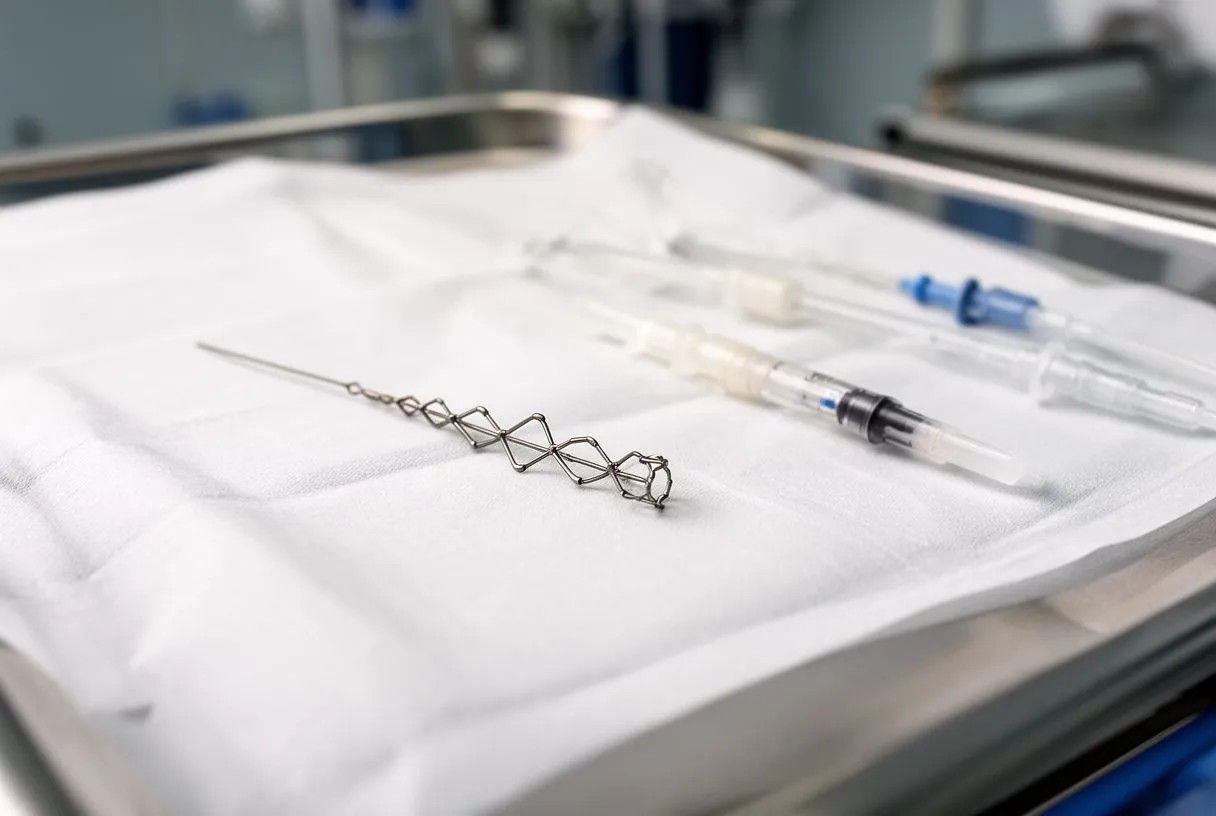
A common and understandable confusion. The catheterisation itself is the diagnostic test. A stent — a small metal mesh tube that holds a narrowed artery open — is a treatment that is sometimes delivered through the same catheter during the same session. This is called angioplasty. So while every stent requires cardiac catheterisation, not every catheterisation ends with a stent.
Think of it this way: the test is like an inspection of the pipes; the stent is the repair. Many patients who have a diagnostic catheter go home with no treatment at all, because the arteries turn out to be healthy or because surgery — bypass, valve repair, or a robotic procedure — is the better answer for their anatomy. Our team, which performs conventional, minimally invasive, robotic and transcatheter procedures, recommends the less invasive route only where the evidence supports it for that specific patient.
If a blockage is found and treated with a stent, the recovery is still usually same-day discharge, but your doctor will add blood-thinning medication and stricter instructions. Knowing in advance whether you are scheduled for a diagnostic test alone or a possible angioplasty helps you plan your heart cath recovery at home realistically.
How to Prepare for a Cardiac Catheterisation
What should I do to prepare? Preparation is mostly simple logistics, and it directly affects how smooth your cardiac catheterisation recovery will be. You will fast for several hours before the procedure, usually from midnight if your slot is in the morning. Bring a list of every medication you take, including blood thinners, diabetes tablets and supplements — some of these must be paused or adjusted, and only your doctor can tell you which.
Practical steps that make the day easier:
- Medication review: confirm in advance which blood thinners to hold and when to restart them.
- Arrange a driver: you will receive mild sedation, so you cannot legally or safely drive home yourself.
- Comfortable clothing: loose clothes and flat shoes; your access site will be tender for a few days.
- Hydration: follow your team's instructions about drinking water before the fast, since good hydration helps your kidneys clear the contrast dye.
Our team's first contact with a new patient is a free video consultation, where we get to know you, talk through the condition, and say which studies are still needed — so no unnecessary ones are ordered. That conversation is also the right moment to ask about allergies to contrast dye or iodine, kidney problems, and whether you might be pregnant, all of which change how the procedure is planned.
What Happens in the Catheterisation Laboratory?
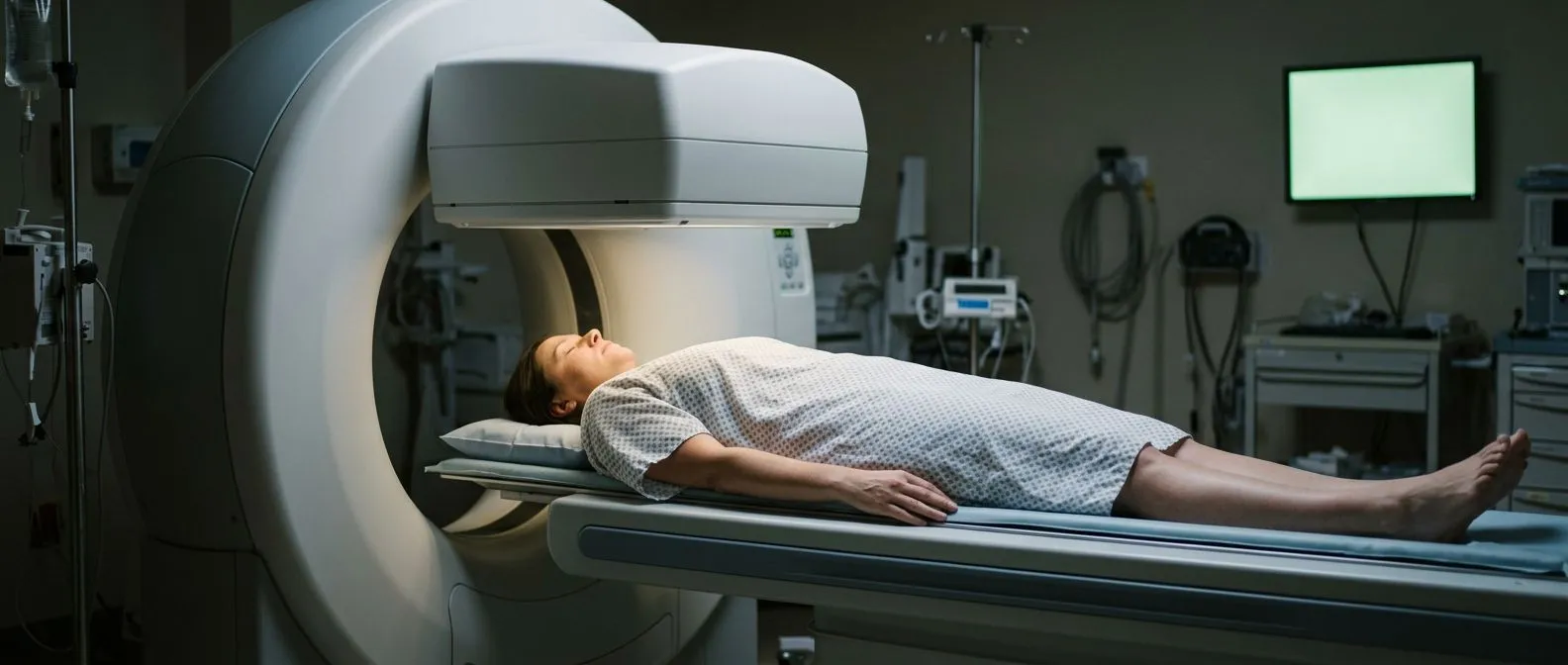
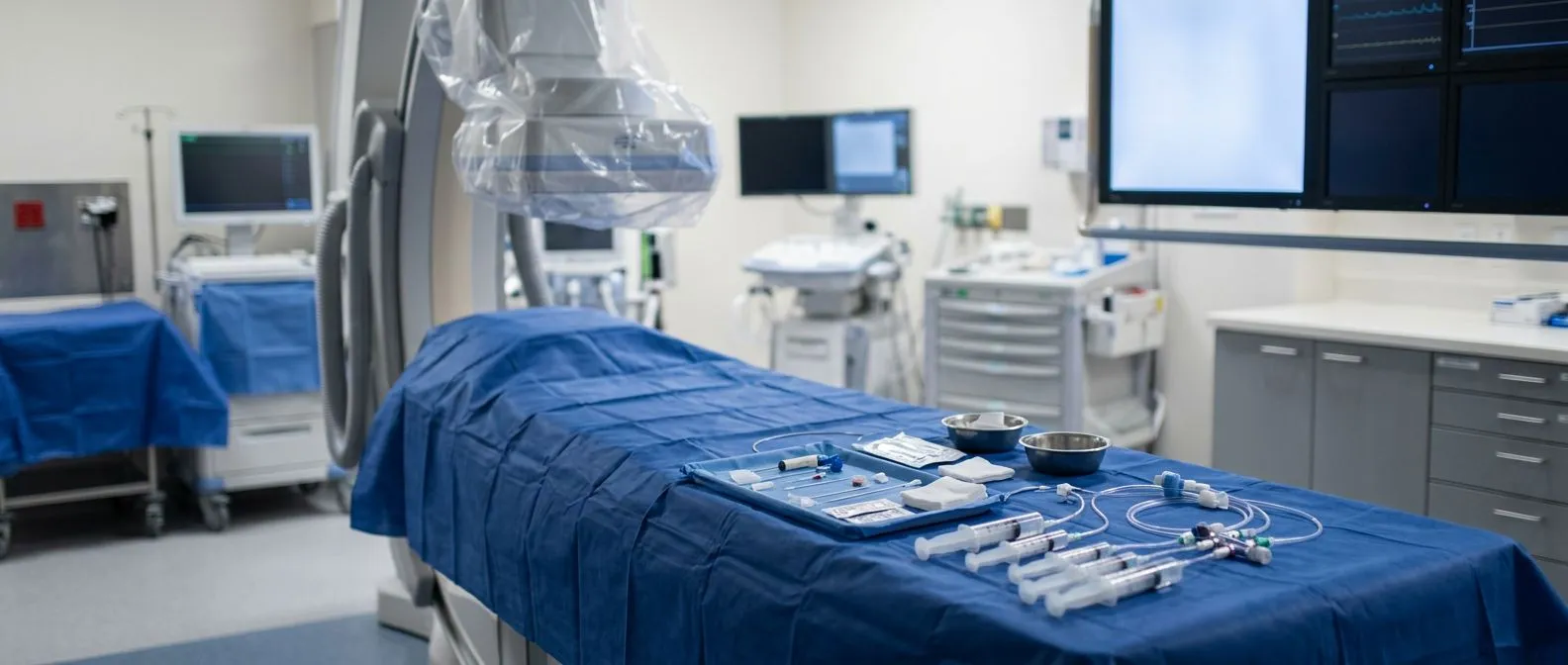
A specialised room, not an operating theatre. The Catheterisation Laboratory — often called the cath lab — is a suite with X-ray equipment, monitors and a procedural table. You remain awake but relaxed under light sedation, and the whole test typically takes between thirty and ninety minutes. Dr Molina trained in cardiothoracic surgery at the Universidad de Guadalajara, in cardiac, minimally invasive, robotic and structural surgery at the University of Montreal, and in structural cardiology and TAVR at CHU Bordeaux, and he has performed the first robotic mitral valve repair in the Ángeles Health System — experience that shows in how precisely these catheter-based procedures are planned.
What is a cardiac sheath? The sheath is a short plastic introducer tube placed into the artery at your wrist (radial approach) or groin (femoral approach). The catheter slides through it. When the procedure finishes, the sheath comes out and a pressure dressing or closure device seals the puncture. The wrist route is popular because you can sit up and walk sooner, which shortens the outpatient cardiac catheterisation experience considerably.
During the test you may feel a brief warm flush when the dye is injected — that is normal and passes in seconds. You will hear the team talk about pressures, angles and images; none of it is cause for concern. The cardiologist will usually be able to tell you the main findings before you leave the table, and a full report follows once all measurements are analysed.
What to Expect After Cardiac Catheterisation
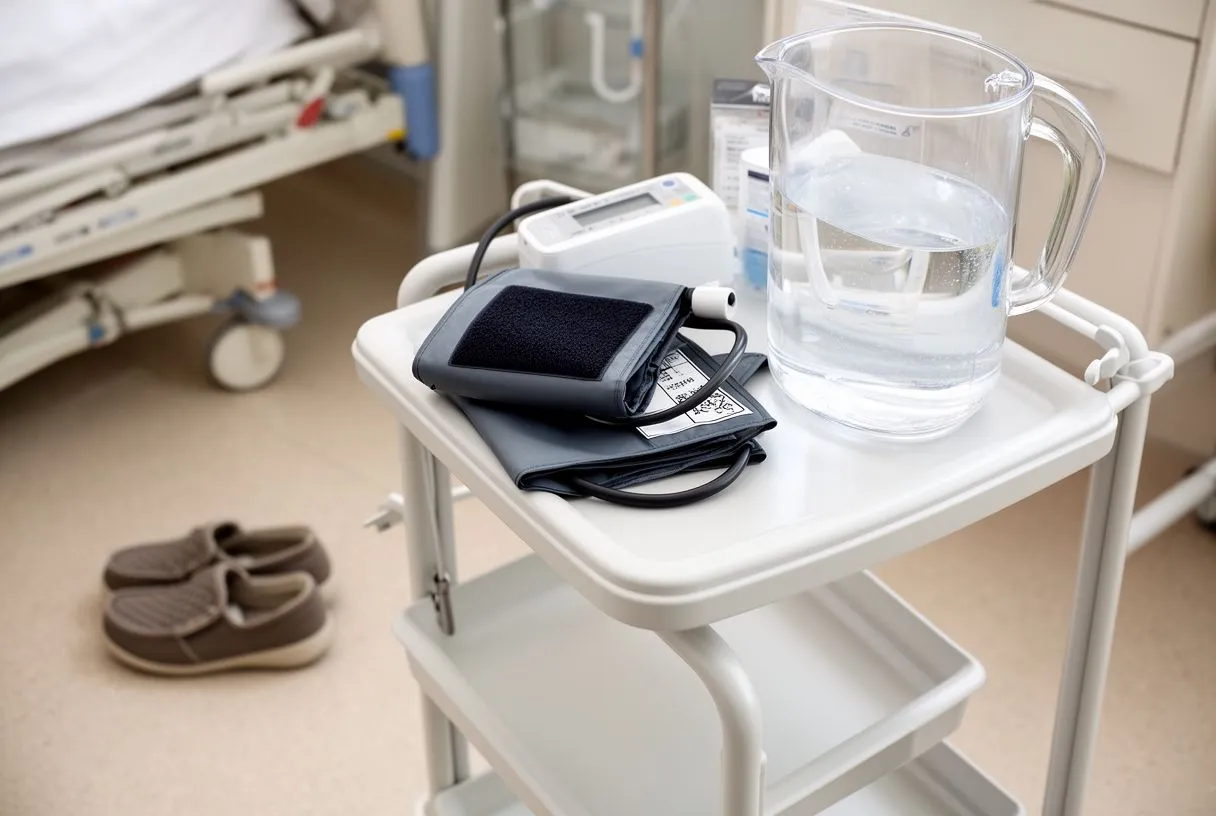
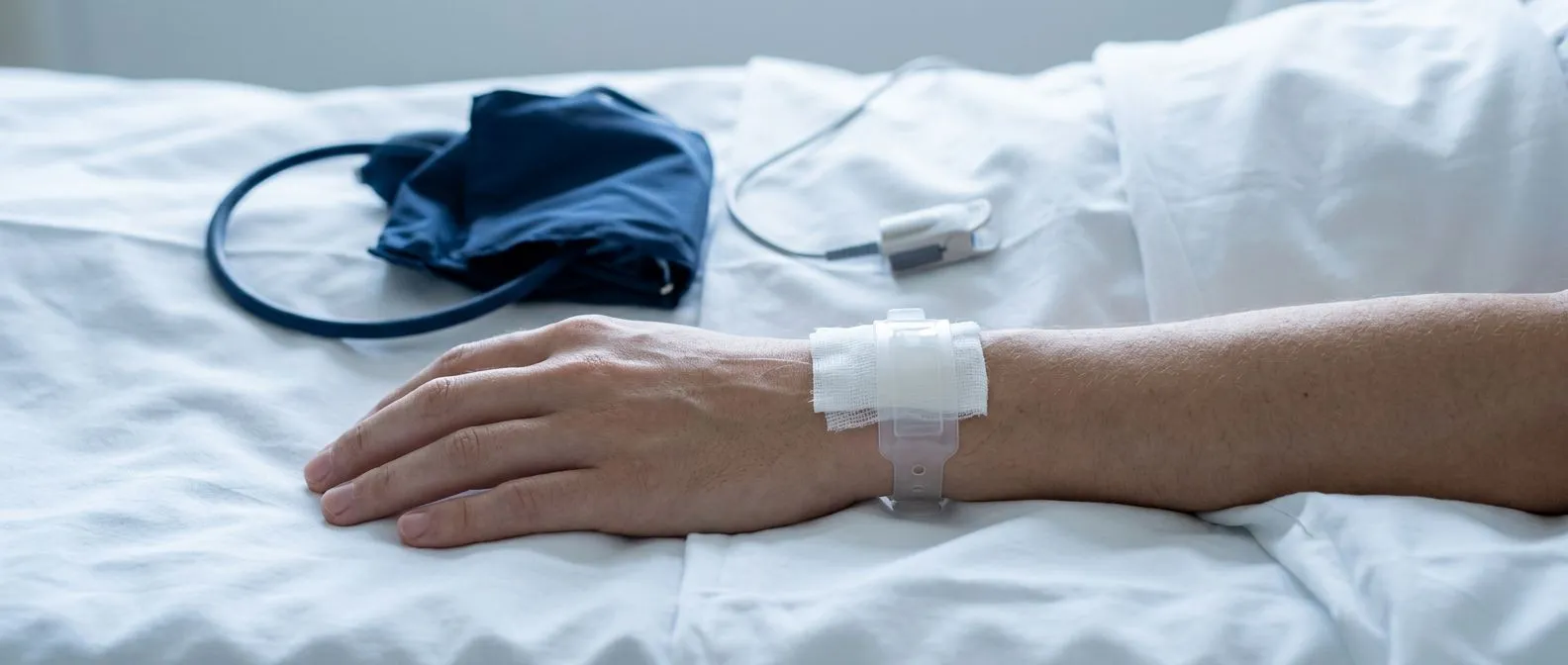
The first hours. After the catheter is removed, you rest in a monitored bed or Recovery Room area while the puncture site is checked. With a wrist approach this means lying back comfortably with your arm still for thirty to sixty minutes. With a groin approach you lie flat for two to four hours so the artery can seal. Nurses check your pulse, blood pressure and the site regularly — this monitoring is the main reason you cannot simply leave immediately.
What does heart catheter test recovery feel like? Most people feel tired for the rest of the day, which is the sedation rather than the heart. The puncture site may be slightly bruised and tender, and a small bump the size of a coin is normal. A drink and a light snack are usually offered once you are fully awake, and drinking plenty of water helps flush the contrast dye through your kidneys.
We encourage every patient to ask every question they have before discharge — in our practice the final decision always belongs to the patient, and we never rush that moment. Before you go, make sure you understand your medication changes, when you can shower, when to resume driving, and exactly which symptoms should prompt an immediate call.
Same Day Cardiac Catheterisation: Going Home the Same Day
Can you go home after a cardiac catheterisation? Yes — same day cardiac catheterisation discharge is standard for an uncomplicated diagnostic test. Most hospitals discharge patients four to six hours after the procedure once the puncture site is stable, you can walk, your vital signs are normal, and no complication has appeared. This is why the test is usually scheduled as outpatient cardiac catheterisation rather than an overnight admission.
Overnight observation is reserved for specific situations: a groin puncture that bleeds or swells, a procedure that included angioplasty or stenting, complex Right Heart Catheterisation with larger sheaths, or patients with severe kidney disease or unstable symptoms. If none of these apply, sleeping in your own bed is not only possible — it is generally better for your rest and recovery.
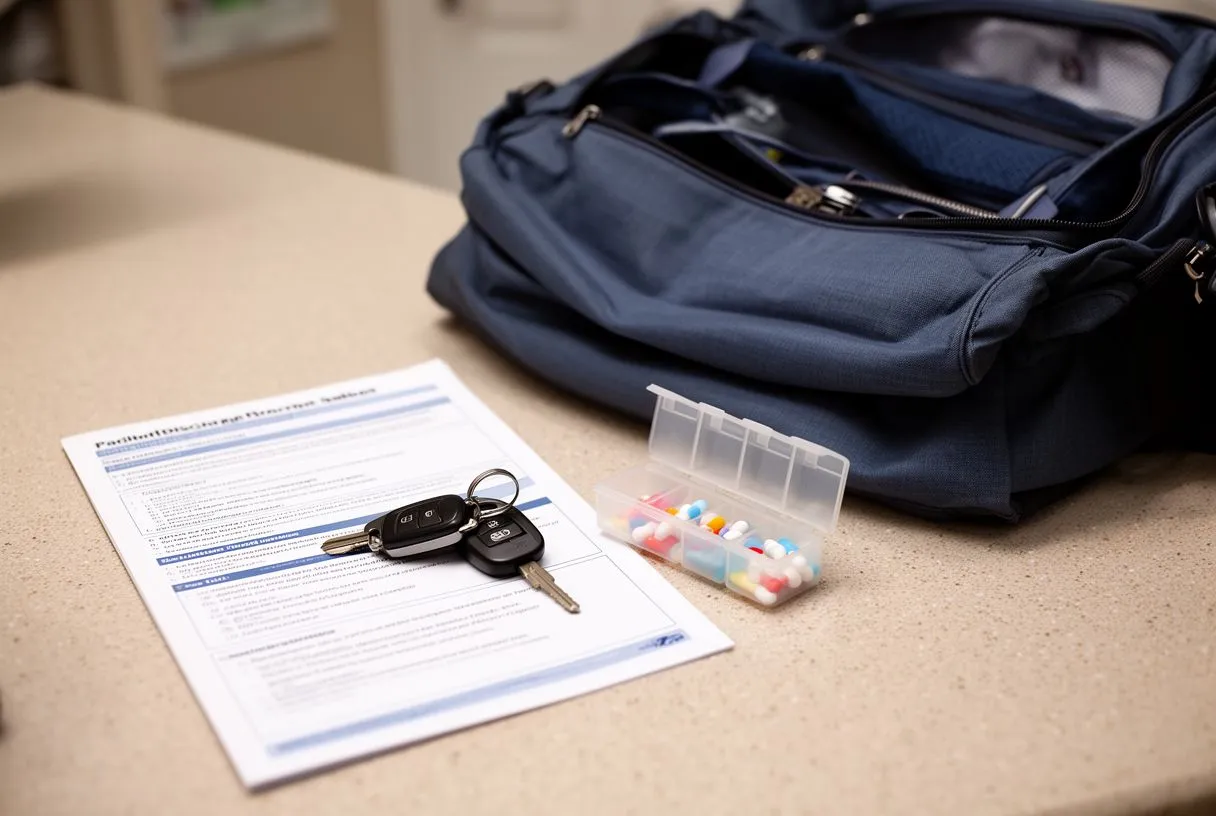
In our team's experience, patients who arrive with clear instructions and a prepared home environment — someone to help for the evening, meals ready, no stairs to climb — leave calmer and recover with fewer worries. Before a catheter-based procedure, ask for a written plan covering the drive home, evening restrictions, and the phone numbers to call if anything changes.
How Long Is Cardiac Catheterisation Recovery Time?
The honest answer: days, not weeks. For most people, how long cardiac catheterisation recovery takes depends on the access site and whether treatment was added. A purely diagnostic test through the wrist usually means one to two days of taking it easy. A groin puncture or an angioplasty with a stent extends this to about one week before you feel entirely back to normal. Heavy lifting, intense exercise and driving are the main activities on hold.
A useful patient recovery guide to typical milestones:
- Day 1: rest at home, keep the site clean and dry, no driving, walk short distances indoors.
- Days 2–3: return to desk work and light household activity; bruising starts to fade.
- End of week 1: resume driving and gentle exercise if your doctor confirms the site has healed.
- Weeks 2–4: full activity including heavier exercise — longer if a stent was placed, per your cardiology follow-up.
If the catheterisation findings point towards surgery — valve disease, coronary disease, aortic or structural heart conditions — our team reviews the case and presents the alternatives, including minimally invasive and robotic options where appropriate. This cardiac catheterisation recovery time is short precisely because the procedure is a minimally invasive heart procedure recovery pattern rather than surgical one.
Cardiac Catheterisation Aftercare and Wound Care
Wound care is simple but matters. The puncture site is dressed with a small plaster or pressure bandage. Keep it dry for the first 24 to 48 hours — a quick shower is usually allowed after the first day, but no baths, pools or hot tubs for about a week. Remove the dressing gently after two days; do not pick at the small scab, which will fall off on its own.
Practical cardiac catheterisation recovery tips. Most aftercare problems come from doing too much too soon, not from the procedure itself. Hold off on lifting anything heavier than about five kilograms for several days — this includes shopping bags, pets and grandchildren. Avoid straining on the toilet, which raises pressure in the artery; a fibre-rich diet and plenty of fluids help. Watch the site daily for the warning signs listed below.
Call your medical team promptly if you notice:
- Bleeding or a growing lump at the puncture site, especially one that is firm, pulsating or enlarging.
- Fever, redness or spreading warmth around the site, which can signal infection.
- Coldness, numbness or colour change in the hand (wrist access) or leg and foot (groin access).
- Chest pain, severe breathlessness or fainting — these need urgent attention, call emergency services.
Cardiac catheterisation aftercare also includes your medications: if a stent was placed, antiplatelet drugs are essential and must never be stopped without cardiology advice. The European Society of Cardiology publishes detailed guidance on post-procedure care and follow-up that your team will draw from European Society of Cardiology.
Are There Risks to Cardiac Catheterisation?
How serious is having a heart catheterisation? For most patients it is a low-risk diagnostic test: the most common complications are minor — bruising, a small hematoma, or temporary discomfort at the puncture site. Serious complications such as artery damage, kidney injury from contrast dye, stroke or heart attack are uncommon and occur overwhelmingly in patients with advanced disease or severe kidney problems. Your team weighs these risks against the information the test will provide, and that balance is always explained to you first. For a balanced overview, see our guide to the advantages and disadvantages of cardiac catheterisation.
How many times can you have a heart catheterisation? There is no fixed limit — the test is repeated whenever the clinical picture changes or a new question needs answering. Patients with complex conditions may have several over the years, particularly those monitored between procedures or after surgery. What matters is that each repeat test has a clear purpose, which is why specialist teams review the indication every time.
Safety refinements worth knowing about. Techniques continue to improve. Research published in the Interventional Cardiology Review has examined lead cap use to protect staff heads from radiation exposure in the cardiac cath lab — a sign of how seriously radiation safety for both patients and teams is now taken. Quality-improvement studies such as one published in BMJ Open Quality show teams systematically improving care protocols even for the most fragile patients, including preterm infants undergoing catheterisation.
Our multidisciplinary team, led by Dr Alejandro Molina with consulting rooms in Guadalajara, Querétaro and Hermosillo, reviews every proposed procedure together before recommending it, and we actively encourage second opinions — seeking one is a normal, sensible part of deciding about heart surgery. If your catheterisation results raise questions about surgery, the honest next step is a conversation with a qualified cardiac team: bring your studies, ask about every option from conventional to robotic and transcatheter approaches, and let the evidence — not fear — guide the decision. Book a consultation rather than self-diagnosing from test reports alone.