

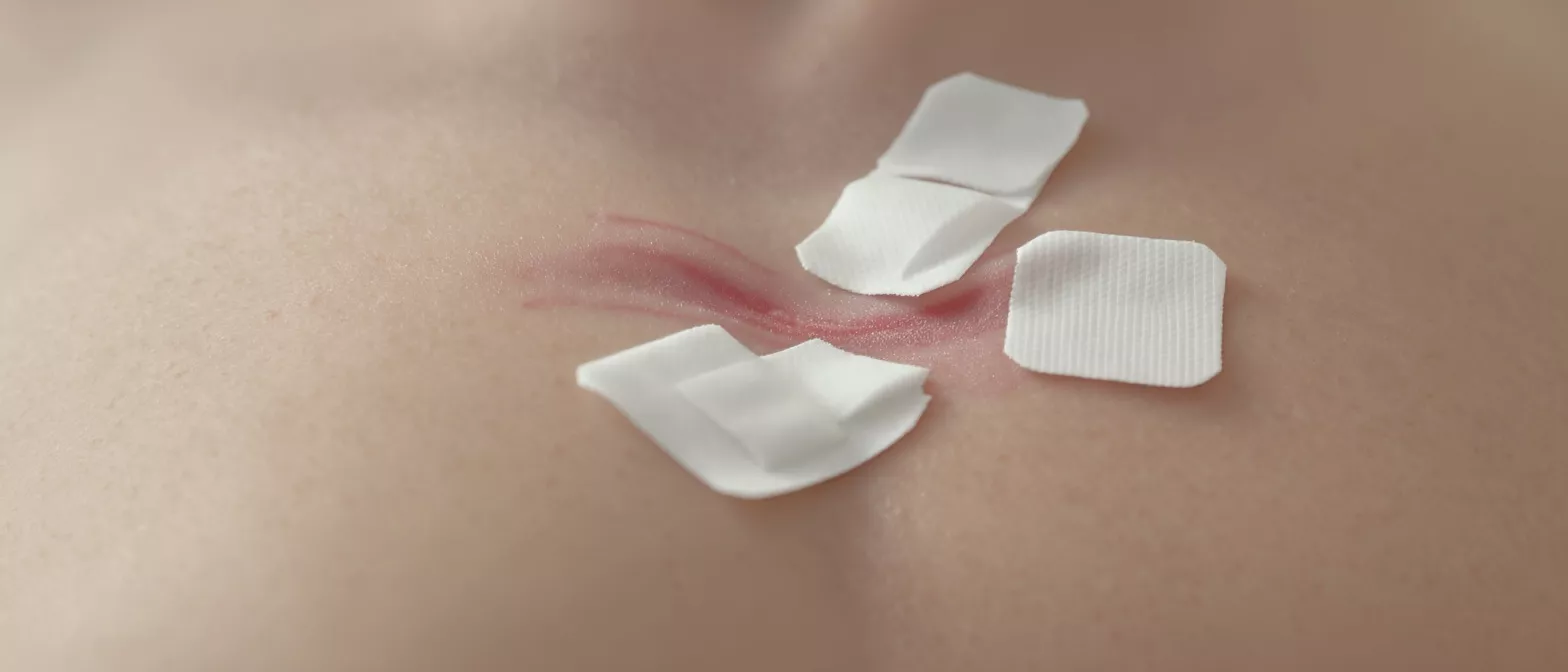
Wound Care
Learn essential wound care after heart surgery with expert tips on cleaning, dressing changes, and infection prevention.
What is Wound Care After Heart Surgery?
Basic incision management: begins with recognizing what happens during a cardiac procedure. When you undergo heart surgery, the surgeon makes precise incisions through the skin and underlying tissues to access the heart. Wound care refers to the structured, clinical practices you follow at home to protect this surgical site while it heals naturally. It is not merely applying bandages; it involves keeping the area clean, dry, monitored, and safe from outside bacteria.
Recovering from cardiac surgery is a marathon, not a sprint. The incision on your chest, or potentially in your leg if a vein graft was used, is a vulnerable entry point. By following proper wound care instructions, you actively protect the heart and surrounding tissues from complications. This guide serves as a patient education resource to help you understand exactly what to do, why it matters, and when to reach out to your care team.
Proper wound care sets the stage for a smooth recovery. It ensures that the body directs its energy toward internal cardiac healing rather than fighting external infections. Throughout this guide, we will explore the essential techniques, signs of potential complications, and advanced healing barrier dressings that support the surgical incision care process.
Why Proper Wound Care Matters for Cardiac Patients
Preventing serious complications: is the primary goal of post-surgical wound care. The chest wall protects your heart and lungs, and any breach in the skin creates a pathway for bacteria. If bacteria enter the chest cavity through a poorly managed incision, they can reach the sternum or heart tissue. This is why dedicated cardiac wound care is strictly emphasized by surgeons like Dr Alejandro Molina.
Good wound care reduces the risk of deep sternal wound infections, which can require prolonged hospitalization and additional interventions. By keeping the incision clean and dry, you ensure the bone and cartilage heal securely. The sternum is wired or banded back together during surgery, and it relies entirely on a clean environment to fuse back into a solid, protective bone.
Furthermore, diligent wound management after surgery promotes better cosmetic outcomes and reduces scarring. A well-cared-for incision heals with a neat, thin line, minimizing discomfort. This attention to detail allows you to focus fully on your cardiac rehabilitation and regaining strength, knowing your external barriers are fully intact.
How Does Surgical Wound Healing Work?
The three phases of wound healing: explain why your incision looks and feels different as weeks pass. First, the inflammatory phase occurs during the initial days, where the site may look red and slightly swollen as blood clots seal the area. Next, the proliferative phase begins, where new tissue bridges the gap and the incision starts to close firmly.
Finally, the maturation phase can last for months or even years. During this time, collagen reorganizes, and the scar gains strength. It is completely normal for the skin around your incision to feel numb or tingly because small nerves were cut during surgery. Sensation often returns slowly, though some localized numbness may remain permanently.
Understanding this timeline prevents unnecessary panic. A healing surgical wound might itch as nerves regenerate, which is actually a sign of healing. However, increased pain, spreading redness, or separation of the wound edges are not normal and require immediate clinical evaluation.
Proper Incision Care and Cleaning Techniques
Daily cleaning routines: form the backbone of effective incision care. You should wash your hands thoroughly with soap and water before touching your surgical site or changing bandages. Most cardiac surgeons recommend gently washing the incision with mild soap and warm water, letting the water run gently over the area without scrubbing.
Never apply harsh chemicals, rubbing alcohol, or hydrogen peroxide to the healing wound. These substances can damage new tissue cells and actually delay the healing process. After washing, pat the area completely dry with a clean towel. Moisture trapped against the incision can harbor bacteria and degrade the healing tissue.
Here are key cleaning rules to remember:
- Hand hygiene: Always wash hands before and after touching the incision.
- Gentle flow: Let soapy water run over the wound; do not rub.
- No harsh chemicals: Avoid alcohol, peroxide, and iodine unless explicitly instructed by your surgeon.
- Air dry: Pat dry with a clean towel or let it air dry completely.
Wound Dressing Changes and Supplies
Selecting the right materials: ensures optimal moisture balance for your incision. After surgery, the initial thick surgical bandage is usually removed within the first few days. From that point, you may need a simple dry gauze pad or a specific transparent film dressing depending on your surgeon's protocol. Finding medical grade silicone wound dressings can be highly beneficial for sensitive skin.
When changing a wound dressing, always inspect the area for any changes. Look for increased redness that extends outward, unusual drainage, or a foul odor. The drainage should decrease and turn from red to clear or straw-colored over the first week. If the wound continues to leak heavily, contact your healthcare provider.
Ensure your supplies are sterile and stored in a clean environment. Do not reuse soiled gauze, and avoid touching the part of the dressing that will lie directly against the incision. Keeping the dressing secure but not overly tight prevents friction and allows the wound to breathe properly.
Wound Infection Prevention Signs to Watch
Recognizing early warning signs: is critical for wound infection prevention. A mild fever for a day or two post-surgery is normal, but a persistent or spiking fever is a red flag. Watch the skin around the incision closely; while some pinkness is expected, deep redness or red streaks radiating from the wound indicate a problem.
Identifying problematic drainage: is another key skill. Clear or slightly blood-tinged fluid is typical, but thick yellow or green pus is a sign of bacterial infection. You should also be concerned if the wound site feels increasingly hot to the touch or if the pain worsens instead of improves after the first few days.
Patients seeking strict wound infection prevention should monitor their overall health. Chills, fatigue, and an unwell feeling can accompany a localized incision infection. Early detection allows for prompt treatment with oral or IV antibiotics, preventing a superficial issue from becoming a deep tissue problem.
Wound Care Tips for a Faster Recovery
Nutrition and hydration: play an immense role in how quickly your tissue regenerates. Protein is the building block of new cells, so ensure your diet includes lean meats, beans, and dairy. Vitamins A and C are also vital for collagen synthesis. Staying hydrated keeps the skin elastic and supports blood volume, delivering oxygen efficiently to the incision.
Avoiding strain on the incision: protects the internal wiring of the sternum. You must avoid lifting anything heavier than ten pounds for several weeks. When coughing or sneezing, many surgeons recommend holding a small pillow firmly against your chest to stabilize the bone and prevent micro-tears in the surgical wound.
Follow your surgeon's specific guidelines regarding showering and bathing. Usually, showers are permitted soon after surgery, but submerging the incision in a bathtub, pool, or hot tub is strictly forbidden until the wound is fully closed and cleared by your doctor. Keeping water out of the immediate wound bed is essential for proper wound care tips.
Heart Surgery Wound Care and Physical Rest
Understanding movement restrictions: helps maintain the integrity of the healing chest. While bed rest is no longer recommended, overexertion is equally dangerous. Walking is excellent for circulation and preventing blood clots, but arm movements that pull the chest apart should be minimized. Activities like golfing, swimming, or heavy yard work must wait.
Listen to your body's signals. If you feel a pulling sensation or sharp pain near your incision during an activity, stop immediately. Pushing through pain can stress the newly forming tissue around the sternum. Gentle shoulder rolls and short walks around the house are ideal ways to keep blood flowing without risking the incision.
Rest is an active component of wound management after surgery. Sleep allows the body to release hormones that promote tissue growth and reduce inflammation. Aim for seven to nine hours of sleep per night and take naps when you feel fatigued during the day. Your body is working overtime internally to heal a major organ, so treating rest as a medical necessity is crucial.
Wound Care Recovery Milestones and Follow Up
Tracking healing progress: gives you confidence and peace of mind during recovery. By the end of the first week, external stitches or staples are typically removed if they are non-dissolving. The incision should look less raw and more like a unified line. Any scabbing should be thin and dry, not thick or oozing.
By the third or fourth week, the skin edges are firmly sealed, though the underlying tissue is still gaining strength. Your scar may change color, shifting from red to pink and eventually fading to a pale tone. This maturation process takes patience. Continue to monitor the area even when it looks fully healed on the surface.
Attending all follow-up appointments is non-negotiable. Your surgeon needs to visually inspect the site, check your sternum for stability, and assess your overall cardiac recovery. Never hesitate to call the clinic between appointments if you notice something unusual with your incision.
Summary of Proper Wound Care for Surgical Incisions
Proper wound care after cardiac surgery is a combination of cleanliness, observation, and patience. By washing your hands, gently cleaning the area with mild soap, and avoiding harsh chemicals, you create an ideal environment for tissue regeneration. Recognizing the signs of infection early is your best defense against complications.
Remember that healing takes time. The external scar is just the visible part of a deep, structural healing process occurring in your chest. Respecting physical limitations, supporting your body with good nutrition, and using appropriate wound dressing supplies will ensure a strong recovery. Trust the process and rely on your medical team for guidance.
At Cirugía de Corazón, we prioritize your total wellness. Following these wound care instructions carefully protects your heart and your health. By taking ownership of your post-surgical wound care, you are taking the most vital step toward a long, healthy life after surgery.






