Coronary Stent Recovery: What to Expect After the Procedure
Coronary stent recovery starts the moment the procedure ends.
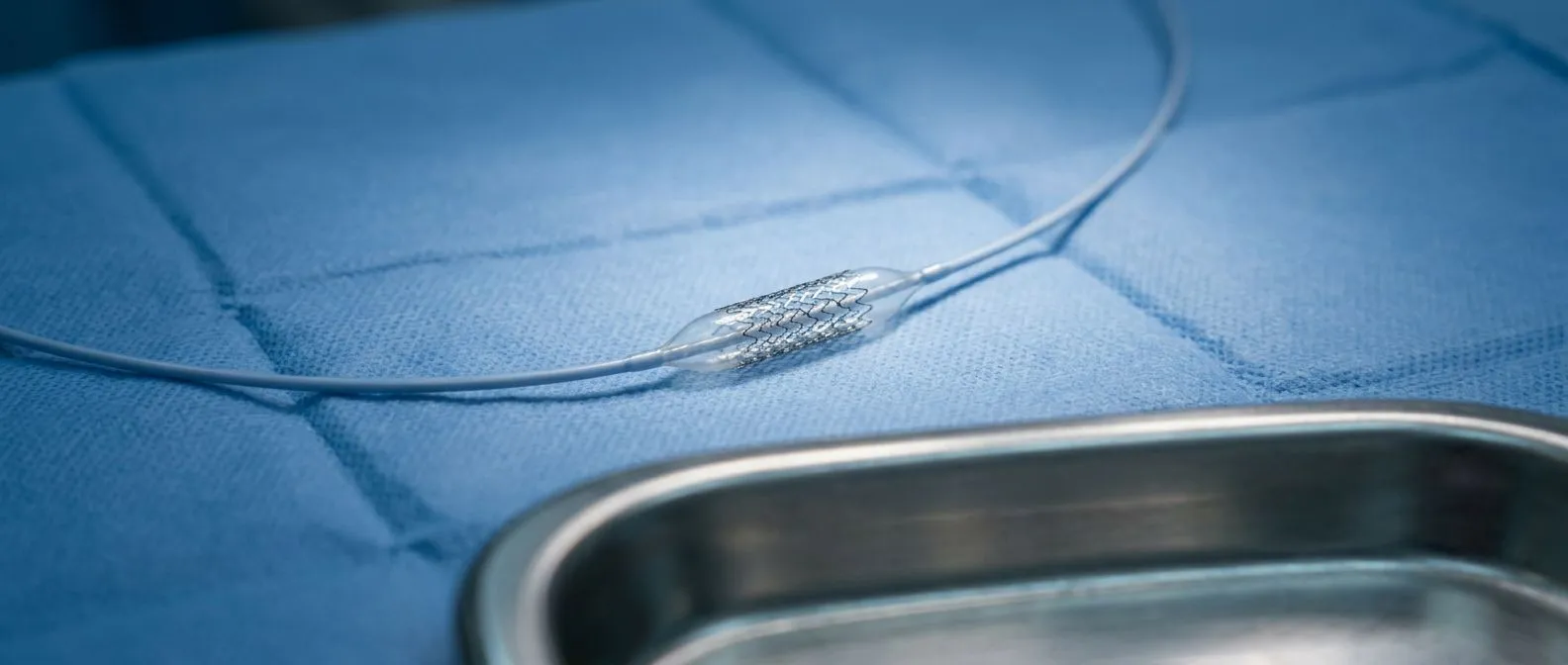
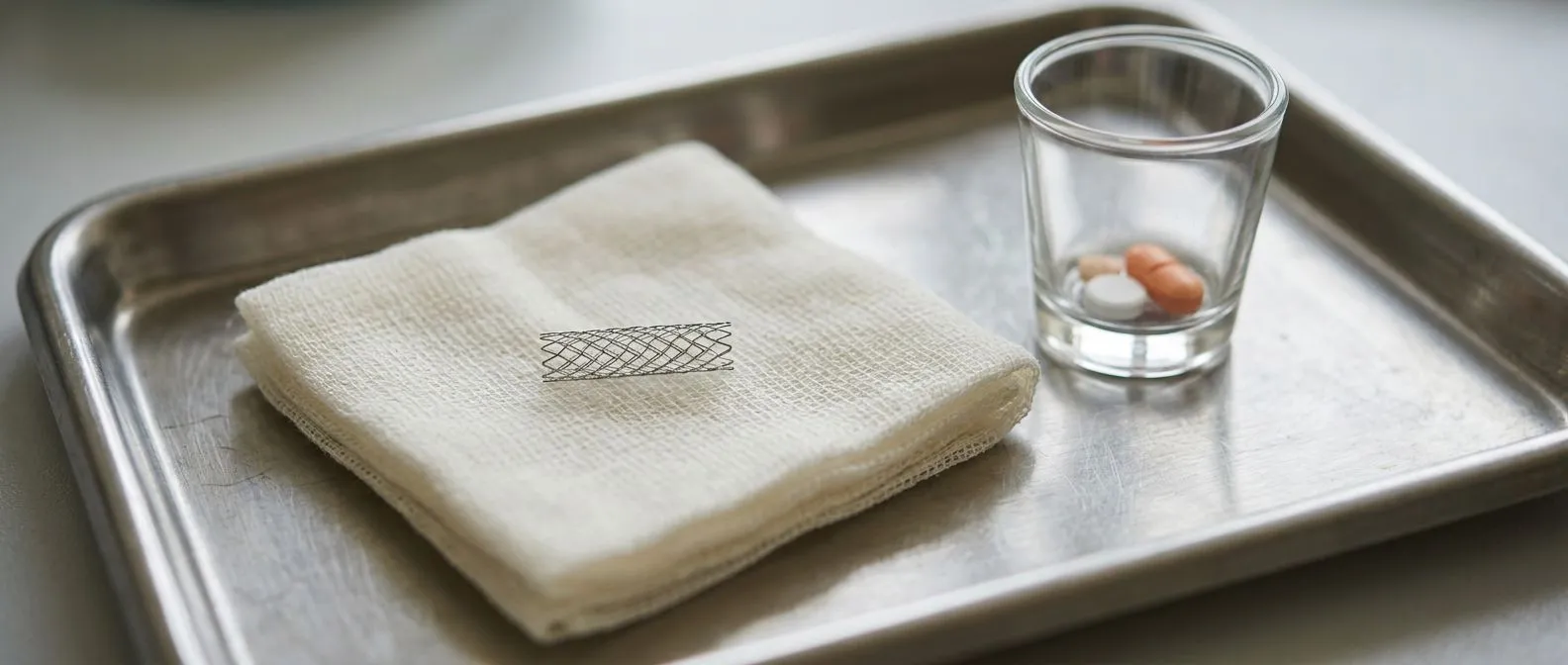
Coronary stent recovery is the period after a stent — a small mesh tube placed inside a narrowed coronary artery to hold it open — when your heart, your incision site and your habits all adjust to a new normal. If you or a family member has just been scheduled for a coronary stent procedure, you probably have a long list of questions: Will it hurt? When can I drive? Why do I feel so tired? This guide walks you through the whole journey in plain language, from the recovery room to your follow-up visit, so you know exactly what to expect at each stage.
What Is Coronary Stent Recovery and Why Does It Matter?
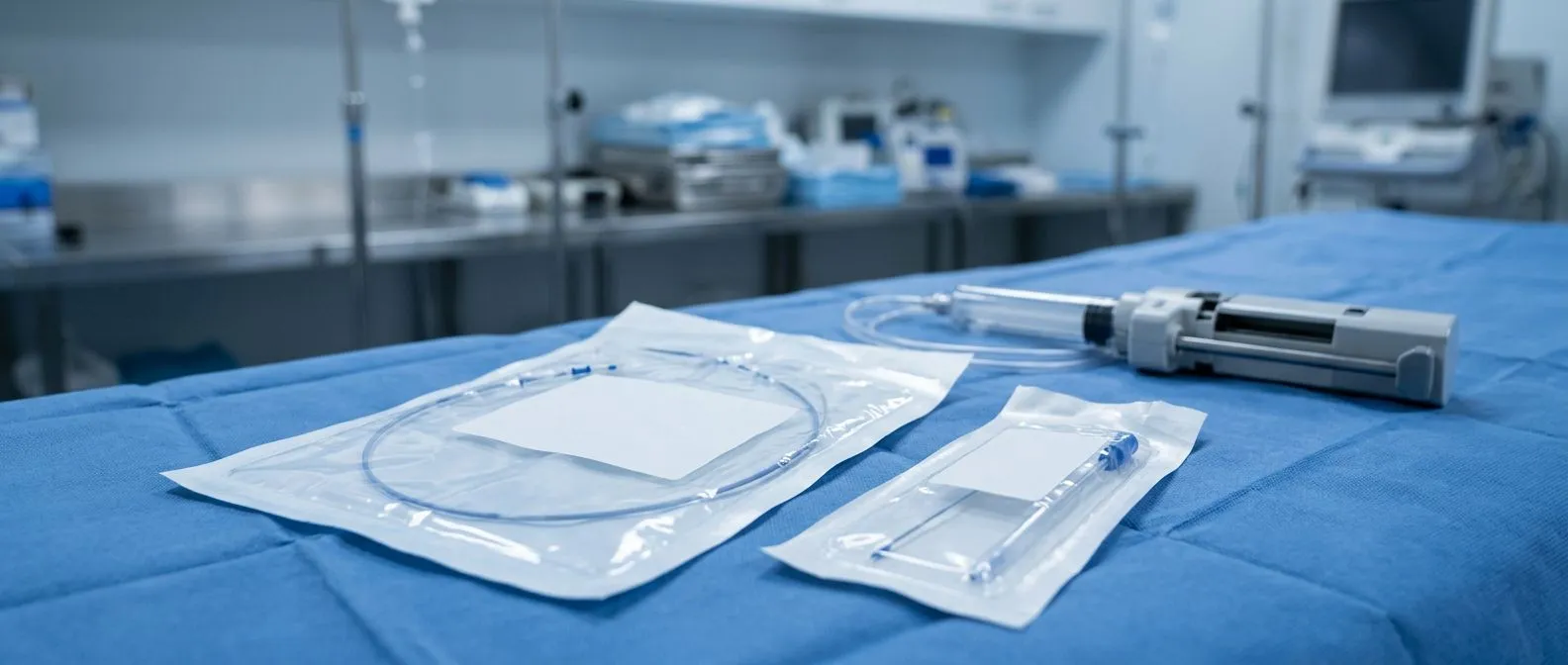
Coronary stent recovery begins the moment the catheter is removed and continues for weeks to months afterward. During the procedure — technically called Percutaneous Coronary Intervention, or PCI — a cardiologist threads a thin tube through an artery in your wrist or groin, opens the blocked coronary artery with a small balloon, and leaves a stent behind to keep blood flowing. The stent itself is placed in minutes, but your body needs time to heal around it.
Why the recovery period matters. The most important work of recovery happens inside the artery, where tissue slowly grows over the stent and smooths it into the vessel wall. How you care for yourself during this window — taking medication exactly as prescribed, moving appropriately, and attending every follow-up — directly influences how well that healing goes. Good aftercare lowers the risk of blood clots forming on the stent, a serious complication known as Stent Thrombosis.
Most modern stents are Drug-eluting Stents, which release a medication that prevents scar tissue from overgrowing inside the tube. Bare-metal Stents still exist for specific situations, such as when a patient cannot tolerate long-term antiplatelet medication. According to the National Institutes of Health, drug-eluting designs have become the standard because they substantially reduce the chance of the artery narrowing again.
What to Expect After Stent Placement: The First 48 Hours
The first two days after a coronary stent procedure set the tone for everything that follows. You will not go home immediately; you stay under observation while the access site — usually the wrist, sometimes the groin — heals and your heart rhythm is monitored.
In the recovery room. After the procedure you are moved to a Recovery Room or cardiac monitoring unit, where nurses watch your blood pressure, pulse and the puncture site closely. If the catheter entered through your wrist, a pressure band stays on for a few hours. If it entered through the groin, you may need to lie flat for several hours to prevent bleeding. The 48-hour period is deliberately cautious, not because problems are expected, but because they are easiest to catch early.
What you may feel. Mild soreness at the access site is normal. Some patients notice a small bruise that darkens over a day or two. Chest discomfort should be minimal or absent — if you feel the same crushing pressure you felt before the procedure, tell the team immediately rather than waiting.
Before any decision about a stent or about surgery, our multidisciplinary team reviews every case together against international practice guidelines, and the patient receives a clear proposal with the alternatives — the final decision is always theirs. Before any recommendation is made, the patient's imaging and studies should be reviewed together, so the choice between a stent and other treatments is made with the full picture in view.
Does a Stent Procedure Hurt? What Patients Actually Feel
One of the most common questions patients ask is whether the procedure itself hurts. The honest answer: most people feel pressure and warmth, not pain.
During the procedure. You are awake but sedated, and the access site is numbed with local anesthetic. When the balloon inflates inside the coronary artery, many patients describe a brief feeling of deep pressure or tightness in the chest — uncomfortable but momentary. The artery walls have no pain nerves sensitive to that kind of stretching in the way skin does, so the sensation passes quickly.
After the procedure. The access site may ache for a few days, and you might feel unusually tired for the first week — fatigue is a genuinely common side effect of angioplasty, caused by the sedation, the contrast dye your kidneys process, and your body's own healing work. Rest is not a sign of weakness here; it is part of the treatment.
When discomfort is not normal. Pain that returns in full force, pain that spreads to the jaw or arm, or pain accompanied by sweating and shortness of breath is never something to wait out. Those symptoms mean the heart muscle is not getting enough blood and require urgent evaluation, whether that means calling your cardiology team or going to an emergency department.
Coronary Stent Recovery Timeline: Week by Week
Every patient asks the same question in a different way: how long does stent recovery time actually run? While your cardiologist tailors the plan to you, the general coronary stent recovery timeline looks like this.
Days 1–7: gentle movement only. Walk short distances at home. Keep the puncture site clean and dry. Avoid lifting anything heavier than a few kilograms. This is the phase when the artery's healing is most fragile and when bleeding at the access site is the main risk.
Weeks 2–4: normal daily activities return. Most patients resume light housework, office work and driving within two weeks if the wrist was used, or a bit longer if the groin was used. The heart stent recovery period at this stage still limits vigorous lifting, and sexual activity is generally safe to resume once you can climb two flights of stairs without chest discomfort — a practical rule many cardiologists use.
Weeks 4–12: rebuilding strength. This is when structured exercise usually begins in earnest, often through a cardiac rehabilitation program. Full recovery after a coronary stent — feeling like yourself again with stamina restored — typically takes around three months, though many patients feel well much sooner.
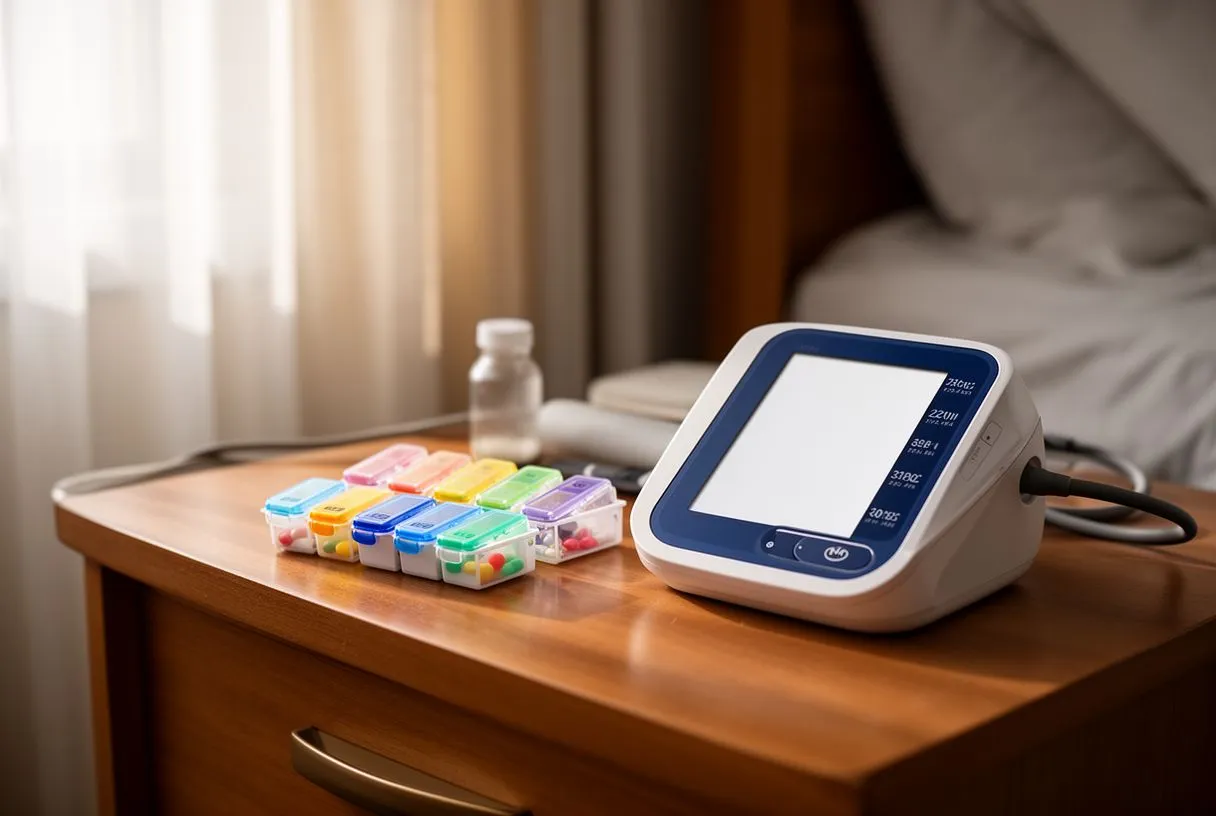
One honest caveat. Recovery is not perfectly linear. A tired day after a good day does not mean something has gone wrong. What matters is the overall trend, and whether new symptoms appear, not single days.
How Long After a Stent Can You Get Back to Normal?
For most patients, the answer to "how long after a stent can you get back to normal?" is measured in weeks for daily life and months for full fitness. The stent does not make the heart muscle stronger; it restores blood flow, and your energy returns as the heart and the rest of the body readjust.
Driving and travel. Most cardiologists clear patients to drive within one to two weeks after an uncomplicated stent placement, once sedation has fully cleared and you can react normally. For travel, short flights are usually fine within the first weeks; long-haul flights and trips far from medical care are best postponed for a few weeks, and you should always carry your medication list and a summary of your procedure. These travel restrictions are precautions, not permanent limits.
Work and responsibilities. Desk jobs typically resume within a week or two. Physically demanding jobs — construction, heavy lifting, delivery work — may need four to six weeks, and your doctor will confirm the right point based on your access site and how you are healing.
Return to full life. By three months, most patients who had a single stent for a limited blockage describe themselves as fully back to normal — often with better energy than before, because the artery that was starving the heart is now open again. The stent does not cure Coronary Artery Disease, the underlying process of cholesterol plaque that caused the blockage, but it reliably relieves the shortage of blood it caused.
What Type of Exercise Is Recommended After Angioplasty?
Exercise is not just allowed after a coronary stent — it is one of the strongest predictors of a good long-term outcome. The question is not whether to exercise but which type, and at what pace.
Walking comes first. Walking is the gold standard exercise after angioplasty. Start with short, flat, comfortable walks in the first week and gradually extend the distance. A simple rule: you should be able to talk while walking. If you cannot, slow down.
Structured exercise. From around week four to six, most patients can add:
- Brisk walking or cycling: 30 minutes most days, at a pace where conversation is still possible.
- Light resistance training: introduced after cardiac rehab assessment, starting with light weights and higher repetitions rather than heavy loads.
- Flexibility and breathing work: stretching, tai chi or gentle yoga help with the tension and anxiety that often follow a cardiac event.
What to avoid early on. In the first weeks, avoid heavy lifting, competitive sports, extreme heat, and anything that makes you hold your breath and strain — all of these spike blood pressure against a healing access site. A realistic activity plan for the first month at home removes much of the fear of moving again. If chest discomfort, dizziness or unusual breathlessness appears during exercise, stop and report it.
Stent Recovery Diet and Heart-Healthy Habits at Home
A stent opens one artery; your habits protect all of them. Stent recovery diet changes are not punishment — they are the part of aftercare that actually prevents the next blockage.
The core pattern. The evidence consistently points toward a Mediterranean-style pattern: vegetables and fruit at most meals, olive oil as the main fat, fish several times a week, whole grains, legumes, nuts, and very little processed meat, sugary drink or deep-fried food. You do not need perfection; you need a pattern you can sustain for years.
Salt and blood pressure. Keeping sodium moderate helps control blood pressure, which protects both the stented artery and the Coronary Arteries elsewhere in the heart. Cooking at home, tasting before adding salt, and reading labels cover most of it.
Smoking is the single biggest factor. If you smoke, quitting after a stent is not optional advice — it is the difference between the stent staying open for years and new blockages forming. No medication in the aftercare regimen protects an artery as powerfully as not smoking does.

Small habits that add up. Regular sleep, alcohol in moderation or not at all, and managing stress with breathing exercises or walking all contribute. Patients who change two or three habits well usually do far better than those who attempt a total overhaul in one week and abandon it by month two.
Stent Recovery Medication and Aftercare Essentials
Medication is the backbone of coronary stent aftercare, and the single most important instruction in this entire article is this: take your antiplatelet medication exactly as prescribed, for exactly as long as prescribed.
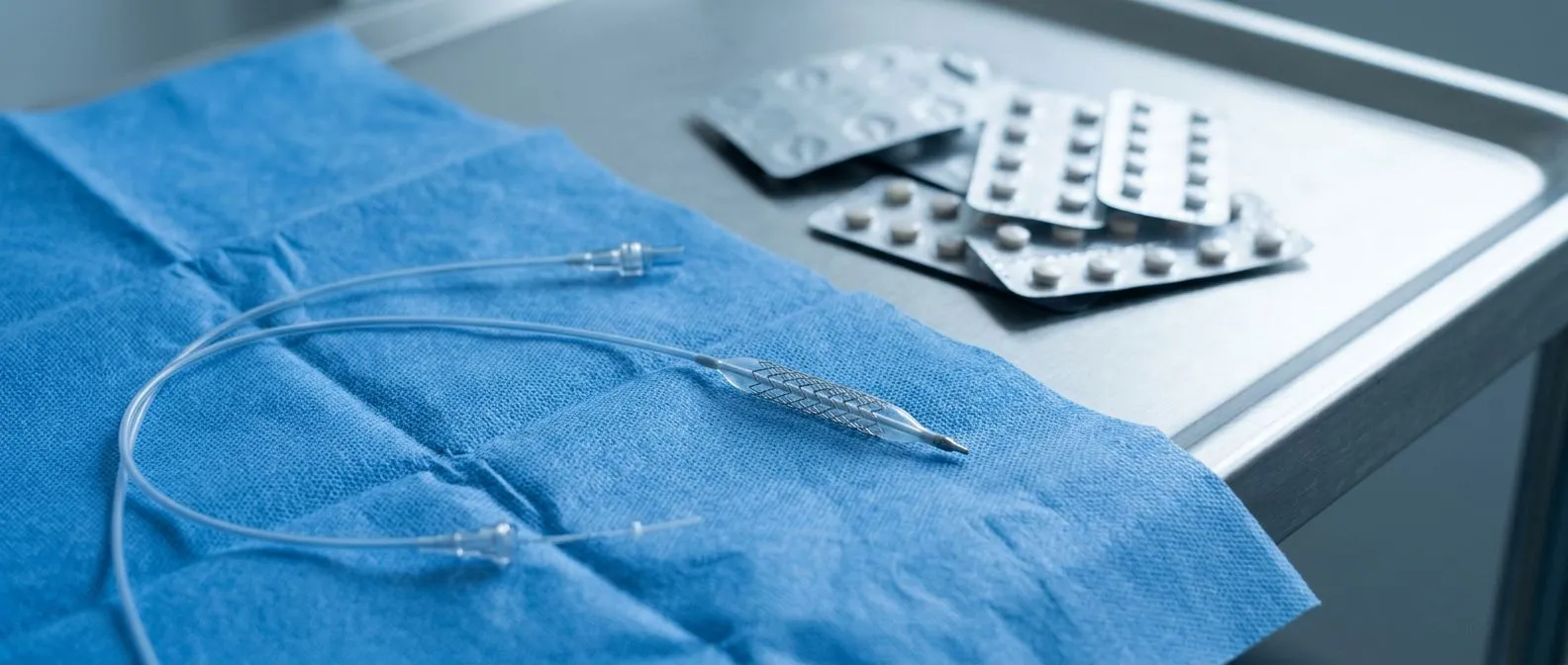
Antiplatelet therapy. After a Drug-eluting Stent, patients take two anti-clotting medications — usually aspirin plus a second agent such as clopidogrel, ticagrelor or prasugrel — a regimen called dual antiplatelet therapy. This combination prevents platelets from forming a clot on the stent's surface while the artery heals. Stopping early is the leading preventable cause of Stent Thrombosis, a clot on the stent that can cause a heart attack.
Never stop for dental work or surgery without asking. A common and dangerous mistake: a dentist or surgeon tells a patient to stop blood thinners before a procedure, and the patient stops both antiplatelet drugs without the cardiologist knowing. Always tell any treating doctor that you have a stent, and let your cardiologist coordinate any change to the regimen.
Supporting medications. Statins to control cholesterol, blood pressure medication, and sometimes a beta-blocker or ACE inhibitor round out the typical regimen. These drugs are not a temporary course; for most patients they are long-term protection. Make sure someone explains in plain words what each medication does and why the schedule matters, and that every question is answered before you go home.
Signs of Stent Recovery Problems and When to Seek Help
Complications after a coronary stent are uncommon, but knowing the warning signs turns a rare emergency into a managed one. Distinguishing normal healing from a real problem is a skill worth learning.
Access site problems. Call your clinic if you notice growing swelling, active bleeding, a pulsating lump, or a bruise that keeps expanding. A small, stable bruise is normal; a growing one is not.
Heart-related warning signs. Seek urgent care for:
- Chest pressure or pain that returns: especially if it feels like the pain before the procedure, or spreads to the arm, jaw or back.
- Breathlessness at rest or with minimal effort: a change from your baseline, not just being out of shape.
- Sweating, nausea or lightheadedness with chest symptoms: the combination is more concerning than any single symptom.
Restenosis, not the same as a clot. Sometimes the artery narrows again inside the stent — a condition called In-stent Restenosis — which develops gradually and causes returning angina during exertion rather than sudden collapse. Research on complex cases shows that even in-stent blockages that are hard to reopen can be treated, though with lower procedural success than a first-time stent, which is why early reporting of returning symptoms matters. Never hesitate to call your treating team about a new symptom; a benign complaint reviewed is far better than a developing problem missed.
Coronary Stent Follow-Up Care and Your Doctor Visit
Coronary stent follow-up care is what converts a good procedure result into a good long-term outcome. Your first stent recovery doctor visit typically occurs one to two weeks after discharge, with further reviews at one month, three months, six months and then yearly.
What the visits check. At each visit your team reviews the access site, your medication tolerance, blood pressure, cholesterol levels and kidney function, and how you are tolerating activity. If you have returning symptoms, the next step may be a Coronary CT Angiography — a scan that images the arteries without a catheter — or a Coronary Calcium Score to measure plaque burden in the other arteries.
When a repeat angiogram is needed. A routine Coronary Angiography is not repeated automatically after every stent; it is reserved for patients whose symptoms return or whose stress tests suggest a problem. This means the absence of a scheduled angiogram is a good sign, not neglect.

When a stent is not the whole answer. Some patients have disease that a stent cannot manage — for example, a significant blockage of the Left Main Coronary Artery, the vessel that supplies most of the heart's blood, or multiple blocked arteries. In those cases, Coronary Artery Bypass Grafting, an operation that reroutes blood around the blockages, may offer the better long-term result. Because our team performs both conventional surgery and minimally invasive, robotic and transcatheter procedures, we recommend the less invasive route only where the evidence supports it for that specific patient — never as a default.
Choosing your team and getting a second opinion. A second opinion is a normal, healthy part of deciding about heart treatment, and any serious team will welcome it. If you are weighing a stent against surgery, or you have questions about your own coronary stent recovery, we encourage you to start with a free video consultation: we review your studies, explain what they show in plain words, and tell you which additional tests are genuinely needed — so no unnecessary ones are ordered — before any face-to-face visit at our consulting rooms in Guadalajara, Querétaro or Hermosillo. Discuss your own situation with a qualified cardiac team rather than self-diagnosing; the right answer is always the one fitted to your specific anatomy and your life.