

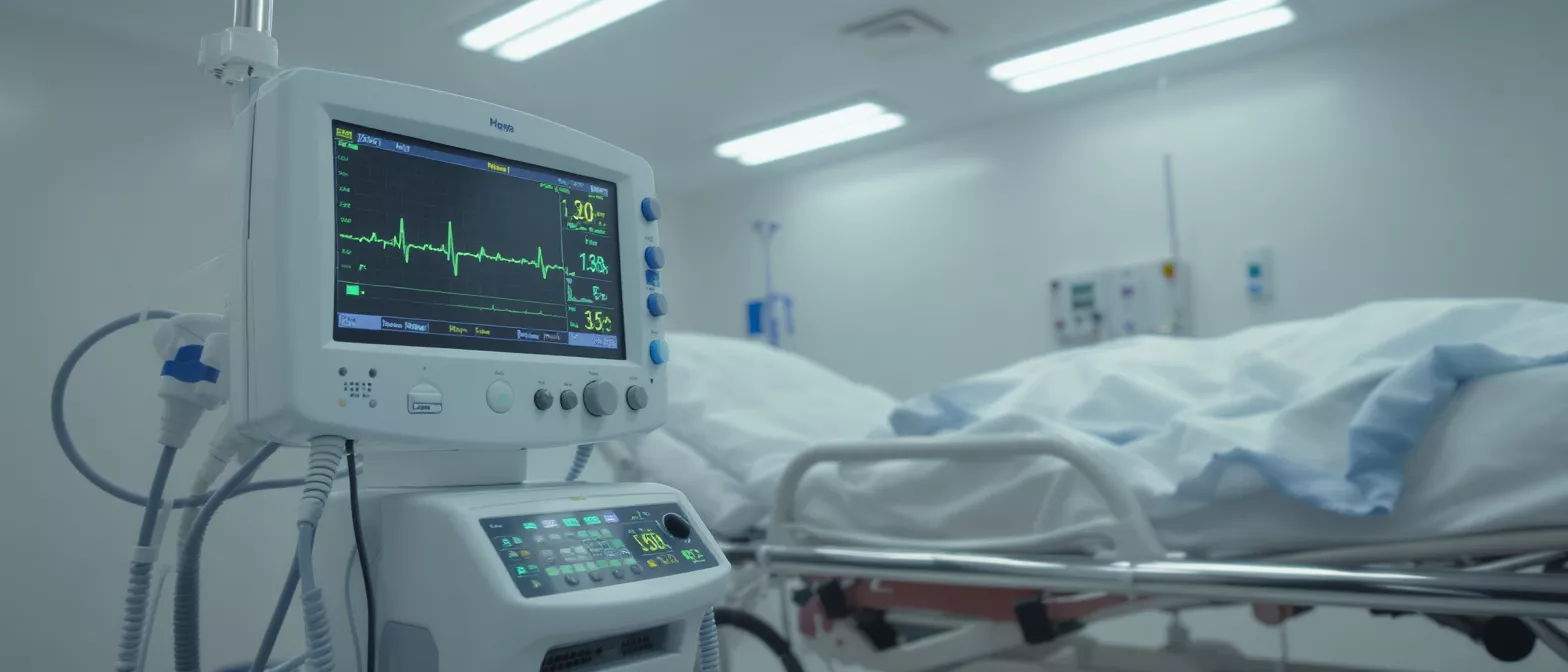
Emergency Department
Discover how the emergency department handles cardiac crises.
What Is an Emergency Department?
An emergency department is a specialized, hospital-based medical unit designed to provide immediate, round-the-clock care for people experiencing acute and life-threatening health crises. For a patient facing a cardiac event, this environment serves as the critical first point of intervention before definitive surgical or long-term treatments can begin. It is staffed by highly trained physicians, nurses, and specialists who are uniquely equipped to handle severe organ failures.
Why heart patients need this specific level of care: Cardiac emergencies require rapid diagnostic tools and immediate interventions that standard outpatient clinics simply do not possess. When your heart is in distress, minutes matter, and the emergency department is structured to mobilize life-saving technology and personnel the moment a patient arrives through the doors.
Understanding the role of this fast-paced environment helps alleviate the fear of the unknown. The primary goal of the medical team during your initial arrival is not to cure underlying chronic conditions on the spot, but rather to stabilize your vital signs, prevent further heart muscle damage, and seamlessly transition you to the appropriate cardiac specialists.
How Emergency Department Triage Works
Upon arriving at the hospital, you will encounter the triage process, which is a rapid clinical assessment designed to prioritize patients based on the severity of their condition. The heart emergency triage process specifically focuses on identifying life-threatening cardiovascular issues immediately. A specialized triage nurse will quickly evaluate your vital signs, ask about your symptoms, and attach monitoring devices to record your heart rhythm.
Prioritizing high-risk cardiac patients: Not everyone is seen in the exact order they walk through the door. If your initial assessment suggests a heart attack or severe cardiac distress, the triage system will bump you to the front of the queue. This prioritization ensures that the most critically ill patients receive immediate medical attention first.
It can be frustrating to see other patients taken back before you, but understanding that triage operates on medical severity rather than arrival time is crucial. Rest assured, if you are experiencing a cardiac emergency, the triage team is trained to recognize the signs instantly and will expedite your care to the appropriate treatment bay.
When to Go to ER for Chest Pain
Chest pain is the hallmark symptom of a cardiac emergency, but it can present differently from person to person. Knowing exactly when to go to the ER for chest pain can save your life. If you experience pressure, tightness, or a squeezing sensation in the center of your chest that lasts more than a few minutes, you must seek immediate emergency care. This discomfort may also radiate to your arms, neck, jaw, or back.
Differentiating cardiac pain from other discomfort: While not all chest pain is a heart attack, it is impossible to definitively rule out a cardiac event without an electrocardiogram (ECG) and blood tests. Discomfort that worsens with deep breathing or coughing might be lung-related, and pain that is sharp and localized could be muscular. However, any sudden, severe, or persistent chest pain warrants an immediate trip to the emergency department.
If your chest pain is accompanied by shortness of breath, cold sweats, dizziness, or nausea, do not attempt to drive yourself to the hospital. Call your local emergency medical services immediately so that paramedics can begin life-saving treatments en route to the facility.
Cardiac Emergency Symptoms to Recognize
Recognizing the full spectrum of cardiac emergency symptoms is vital, as heart attacks do not always present as dramatic chest-clutching pain. Symptoms can be subtle, build gradually over hours, or appear suddenly. For individuals with a history of cardiac issues, being acutely aware of these warning signs is a critical component of post-operative care and long-term survival.
Atypical and silent symptoms: Many patients, particularly women, older adults, and those with diabetes, may experience atypical symptoms without any chest pain at all. These can include sudden, unexplained shortness of breath, extreme fatigue, indigestion-like discomfort, or fainting. Recognizing these silent warning signs is crucial, as delaying care for these symptoms can lead to severe heart muscle damage.
Being vigilant about your body means taking sudden, unexplained changes seriously. If you notice a sudden onset of weakness, a rapid or irregular heartbeat paired with dizziness, or a feeling of impending doom, treat these as medical emergencies and seek help immediately.
Emergency Department vs Urgent Care for Heart Issues
Understanding the difference between an emergency department and an urgent care clinic is essential for making safe healthcare decisions. Emergency department vs urgent care for heart issues comes down to the availability of life-saving diagnostic equipment and specialist interventions. Urgent care centers are excellent for minor fractures, infections, and routine illnesses, but they are fundamentally unequipped to handle acute cardiac arrest or severe heart attacks.
Diagnostic limitations at urgent care: Urgent care clinics typically lack the advanced imaging, continuous cardiac monitoring, and immediate access to specialized cardiac enzymes required to diagnose a heart attack. They do not have cardiologists on standby or the surgical suites necessary for emergency interventions. If you suspect a cardiac event, urgent care is never the appropriate destination.
- Emergency Department: Equipped for heart attacks, severe chest pain, and strokes with 24/7 diagnostic labs and surgical access.
- Urgent Care: Designed for minor injuries, fevers, and non-life-threatening conditions without chest pain or severe shortness of breath.
- Emergency Transport: If you are unsure where to go, call an ambulance; paramedics will transport you to the correct life-saving facility.
Emergency Room Cardiac Procedures
Once you are placed in a treatment bay, the medical team will rapidly initiate emergency room cardiac procedures to assess and stabilize your heart. The most immediate test is an electrocardiogram (ECG), which records the electrical activity of your heart and can quickly identify blockages or rhythm abnormalities. Blood tests are also drawn to check for cardiac enzymes, which leak into the blood when heart muscle is damaged.
Rapid response interventions: Depending on the findings, doctors may administer medications to dissolve blood clots, administer nitroglycerin to improve blood flow, or perform emergency cardioversion to reset an abnormal heart rhythm. These interventions are designed to stabilize your condition and prevent further injury to the heart muscle.
In cases where a severe blockage is identified, the emergency team will prepare you for the cardiac catheterization lab. Here, specialists can perform procedures like angioplasty to physically open blocked arteries and restore critical blood flow to the heart, often preventing the need for more invasive open-heart surgery if caught early enough.
Immediate Cardiac Care and Stabilization
The primary objective of the emergency medical team is immediate cardiac care and stabilization. This means ensuring your heart is pumping effectively, your blood pressure is safe, and your airway is secure. You will likely be attached to continuous monitoring devices, given supplemental oxygen, and have intravenous lines placed so medications can be administered instantly.
Coordinating with cardiology teams: Emergency physicians do not work in a vacuum. The moment a cardiac emergency is identified, they collaborate directly with on-call cardiologists and cardiothoracic surgeons to determine the best course of action. This seamless transition from the emergency room to specialized cardiac care is what ensures the highest possible survival and recovery rates.
During this intense period, family members are usually kept informed by a dedicated liaison or nurse. The communication focuses on the immediate steps being taken to stabilize the patient, ensuring that loved ones understand the gravity of the situation while trusting the expertise of the coordinated medical response.
Emergency Department Wait Times and Expectations
One of the most common sources of anxiety for patients and families is the perception of emergency department wait times. Because the emergency department operates on a triage system—treating the most critical patients first—someone with a less severe condition may experience a longer wait. However, true cardiac emergencies bypass standard wait times entirely.
Understanding the treatment workflow: Even if you appear to be waiting in a hallway for a permanent room, the clinical staff is continuously reviewing your vital signs, monitoring your ECG, and tracking your symptoms. The initial interventions and diagnostic tests often begin the moment you are triaged, well before a formal bed is assigned to you.
- Initial Triage: 5 to 10 minutes for rapid assessment and prioritization upon walking through the doors.
- Active Monitoring: Continuous observation of vital signs and heart rhythm happens immediately, even before a permanent room is assigned.
- Physician Evaluation: Wait times for a doctor depend on the severity of other incoming emergencies, but high-risk cardiac patients are seen first.
Cardiac Emergency Preparedness at Home
For patients with known heart conditions or those recovering from cardiac surgery, being prepared for an emergency at home is a crucial safety measure. Cardiac emergency preparedness involves keeping a readily accessible list of your current medications, your cardiologist's contact information, and a summary of your medical history. Having this information ready to hand to paramedics saves critical minutes.
Recognizing the need for emergency cardiac treatment options: If you have a history of heart issues, consult with your surgical team at Cirugía de Corazón about specific warning signs you should watch for based on your unique cardiac profile. Knowing when to take prescribed rescue medications, such as sublingual nitroglycerin, versus when to immediately call for an ambulance is a conversation you must have before an emergency occurs.
Establish a clear emergency plan with your family.
Partnering With Your Cardiac Team After the ER
Surviving a cardiac emergency and being discharged from the hospital is only the beginning of your recovery journey. Once you are stable, the focus shifts from emergency intervention to long-term management and rehabilitation. This is where the emergency department hands your care back to your primary cardiologist and surgical team to ensure your heart health is continuously monitored and supported.
Transitioning to long-term cardiac care: The emergency physicians will provide you with detailed discharge instructions, which may include new medication regimens, dietary restrictions, and a referral to a cardiac rehabilitation program.
Remember that the emergency department is a safety net, not a substitute for ongoing care.






