Aortic aneurysms: understanding, treating and deciding with confidence
Learn about aortic aneurysms: types, causes, studies, and treatment options.
The types, the causes, the studies that inform the decision, the treatment options, and the acute complications that are an emergency.
Aortic aneurysms: the types, what causes them, the studies needed to decide, the treatment options, and the acute complications that constitute an emergency.
If you are looking for clear and concise information about aortic aneurysms, you have come to the right place. We understand — it is not always easy to find the right information.
Here we explore the different types of aneurysm, the treatment options available, the studies needed to make informed decisions, and the risks and benefits associated with each option. Our aim is to give you the knowledge to make informed decisions together with your doctor, based on your individual needs and circumstances.
What are aneurysms, and how many types are there?
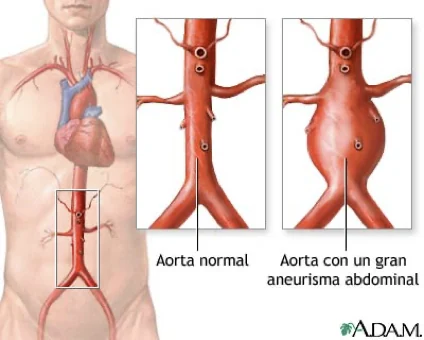
An aortic aneurysm is an abnormal, localised dilatation of the wall of the body's main artery, the aorta.
The two main types are abdominal aortic aneurysms and thoracic aortic aneurysms. Abdominal aneurysms can be classified according to their size and location, while thoracic aneurysms divide into aneurysms of the aortic root, of the aortic arch, and of the descending aorta.

Causes of aortic aneurysms
Aortic aneurysms can have multiple causes, and it is important to understand them in order to prevent them appearing or to detect them in time.
One of the main causes is weakness of the arterial wall, which can be related to conditions such as atherosclerosis, in which deposits of fat and cholesterol accumulate in the arteries.
Other risk factors include smoking, high blood pressure, aortic infections, genetic connective tissue disorders such as Marfan syndrome, and trauma to the aortic area.
It is important to adopt healthy habits, control the risk factors and have regular medical examinations to detect and treat aortic aneurysms at an early stage. If you have been diagnosed with high blood pressure, it is fundamental to keep it properly controlled — ideally below 120/80, which is considered normal — to minimise the risk of serious complications.
Discussing it with your doctor
Before taking any decision about treating an aortic aneurysm, it is extremely important to keep open and frank communication with your doctor. Discussing your concerns and expectations, and understanding the pros and cons of each option, will help you make an informed decision.
Your doctor will carefully assess your general state of health, your medical history, and the size and location of the aneurysm, and will guide you in selecting the most appropriate option for you.
Studies for making the decision
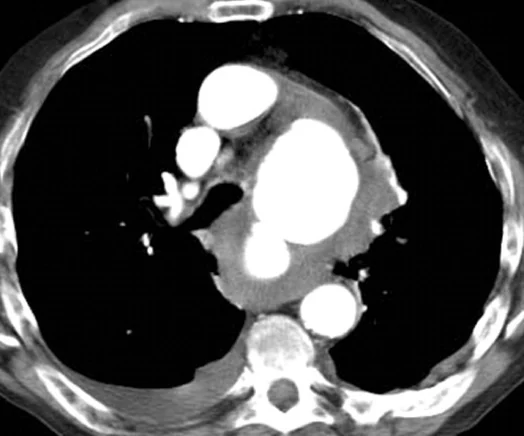
Before deciding on the best therapeutic option, several studies should be carried out to assess the aneurysm and understand its size, shape and characteristics. These can include ultrasound, CT scans or MRI.
These studies provide valuable information for determining whether the aneurysm is large enough to require treatment, and which approach is most appropriate in your case.
Treatment options
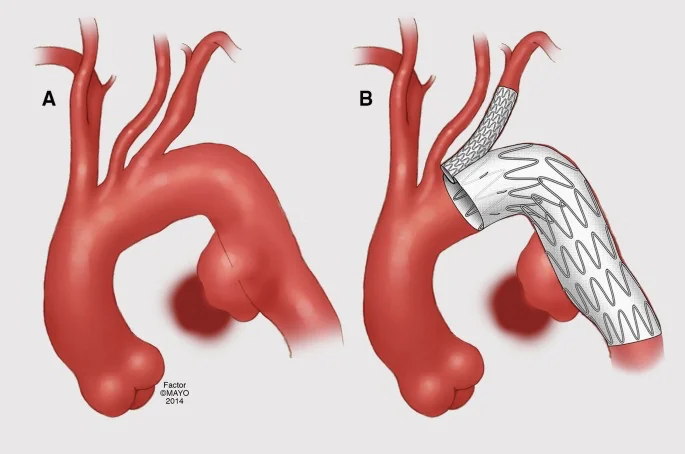
Treatment of aortic aneurysms can include surgical, endovascular or hybrid options, depending on factors such as the size and location of the aneurysm, the patient's general health and the experience of the medical team.
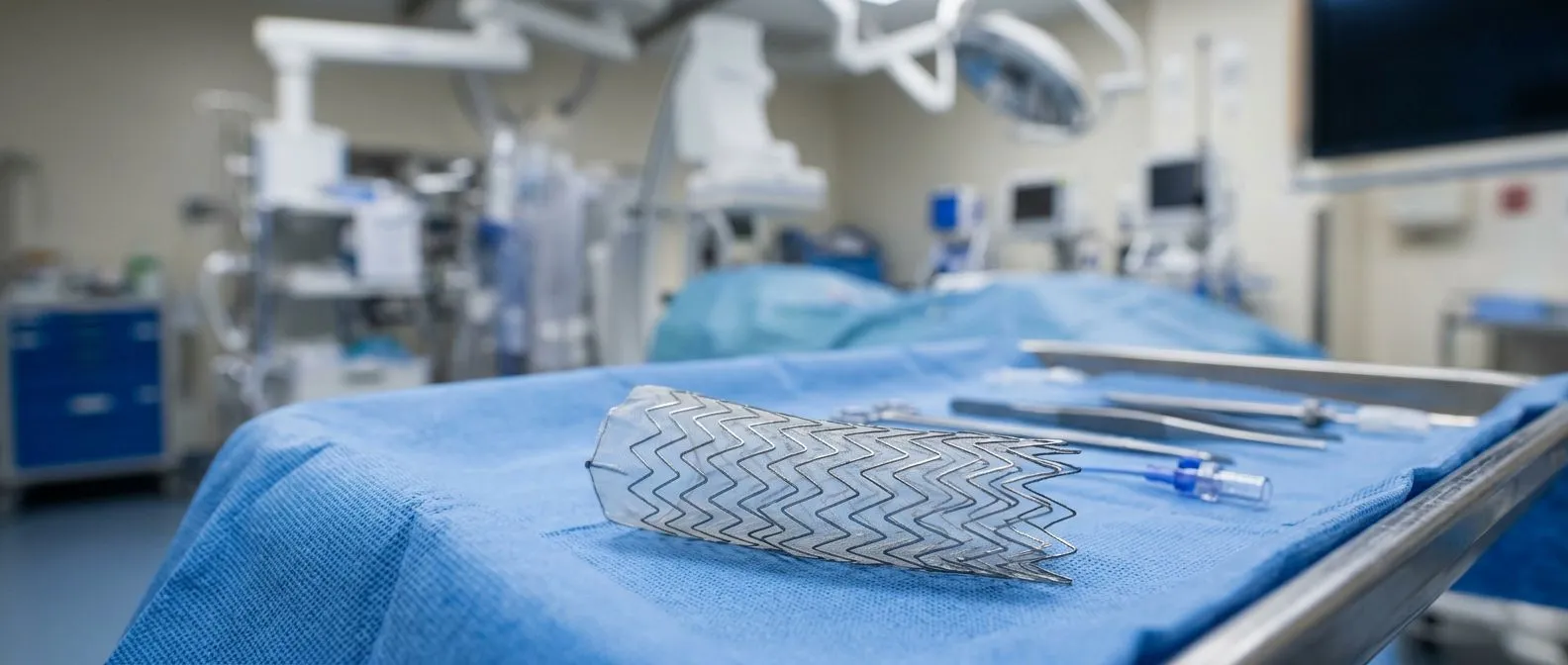
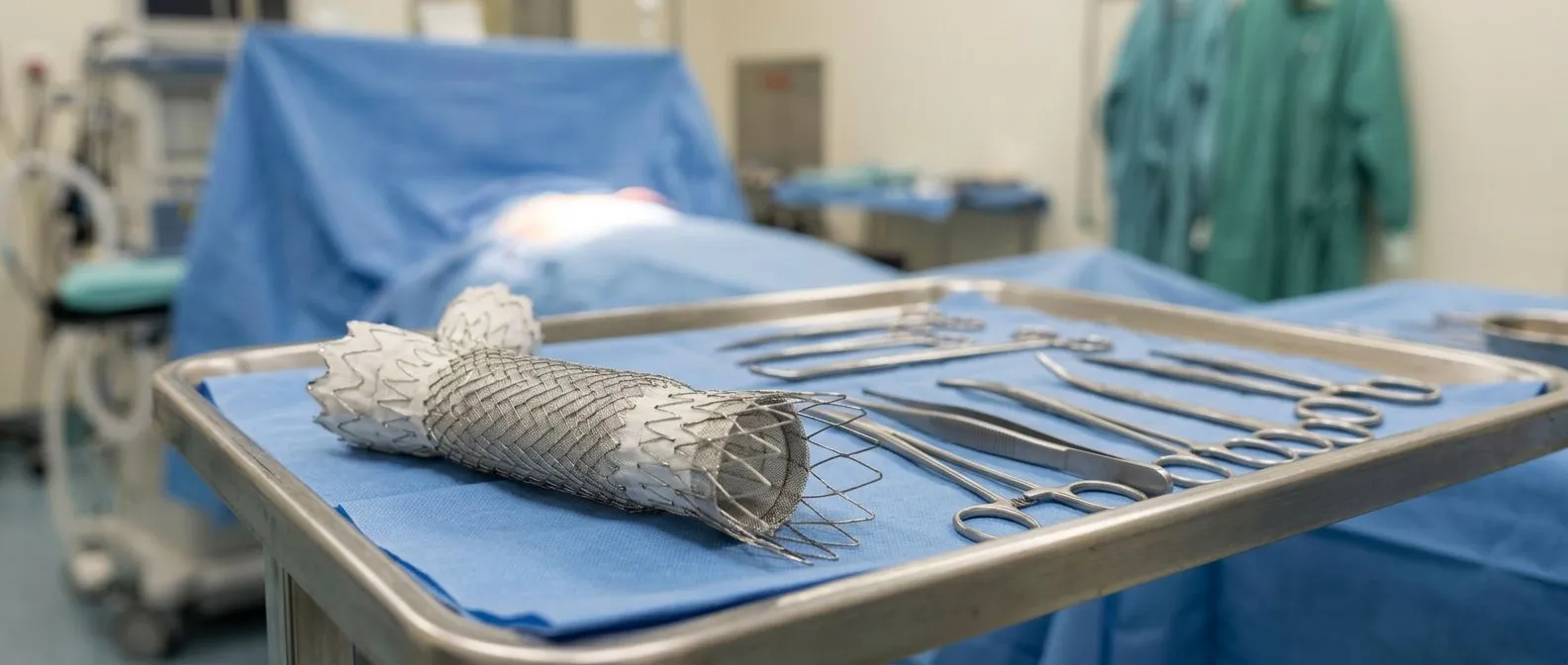
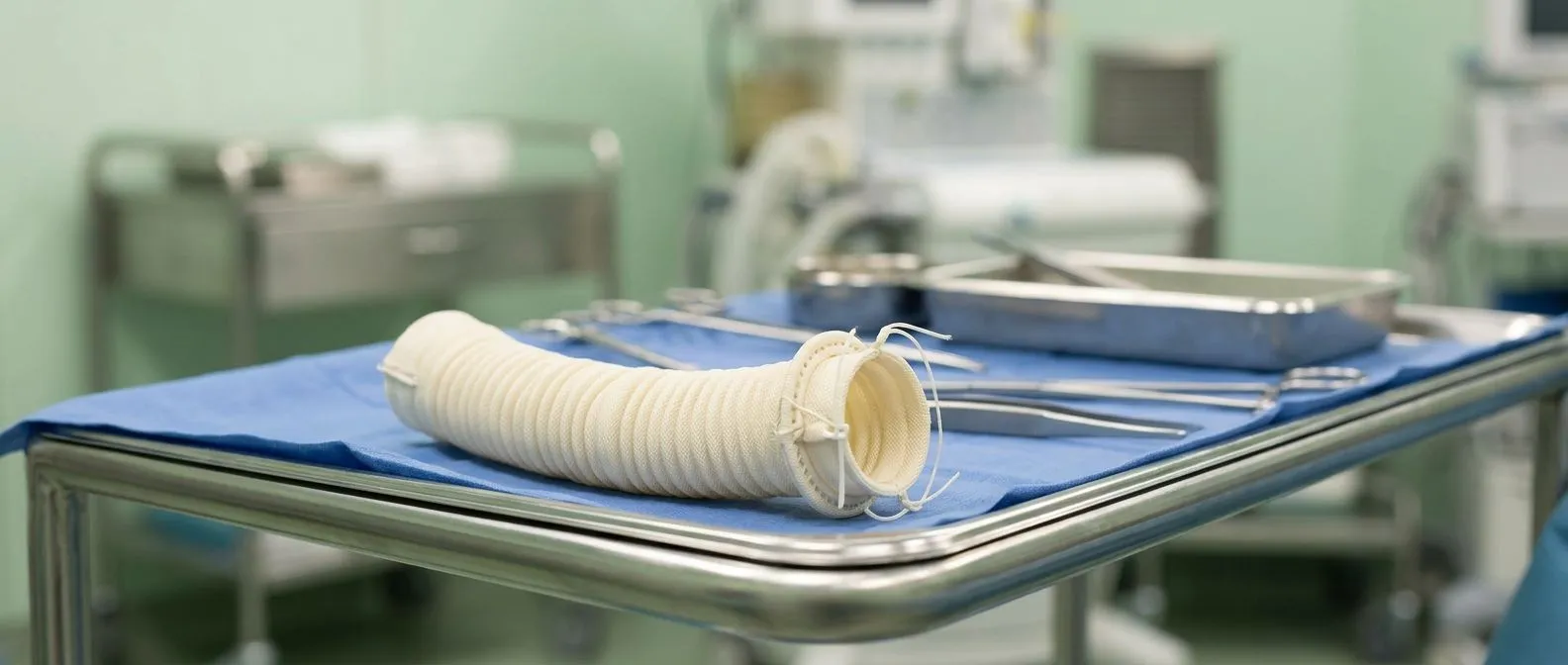
Traditional open surgery has been an effective option for many years, but we now also have less invasive techniques such as endovascular procedures, which involve placing a stent inside the aneurysm through a catheter. The hybrid option combines features of both approaches and is adapted to specific situations.
Risks and benefits
Each treatment option has its own risks and benefits. Traditional open surgery, although effective, involves greater surgical invasion and a more prolonged recovery. Endovascular procedures are less invasive, but can require long-term follow-up and may not be suitable for every patient. The hybrid option seeks to combine the best of both, minimising risks and optimising results.
Remember that every case of aortic aneurysm is unique, and the choice of treatment should be based on a careful assessment of your individual needs and circumstances.
Complications of aortic aneurysms
Besides growth and possible rupture of the aneurysm, there are additional complications to be aware of.
Aortic dissection
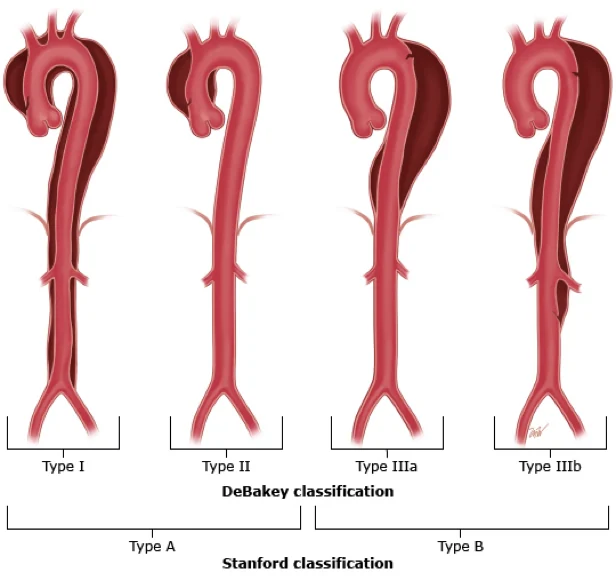
One of the most serious complications is aortic dissection, which occurs when a separation forms in the wall of the aorta, allowing blood to flow between the layers and create a false channel.
This can be extremely dangerous, since it can interrupt normal blood flow and put the patient's life at risk. Aortic dissection is classified into two main types: type A, involving the aortic root and the aortic arch, and type B, affecting the descending aorta.
The risk of aortic dissection increases as the aneurysm grows. Treatment usually involves surgery to replace or repair the aorta, or endovascular therapy with a stent. It is an absolute and very serious emergency.
Intramural haematoma
Another complication is intramural haematoma, characterised by bleeding within the wall of the aorta without a separation of the arterial layers. This can cause weakness in the wall and increase the risk of the aneurysm rupturing.
Treatment can be similar to that for aortic dissection depending on severity and location, but is surgical in many cases. The extent and location of the haematoma set the direction of treatment.
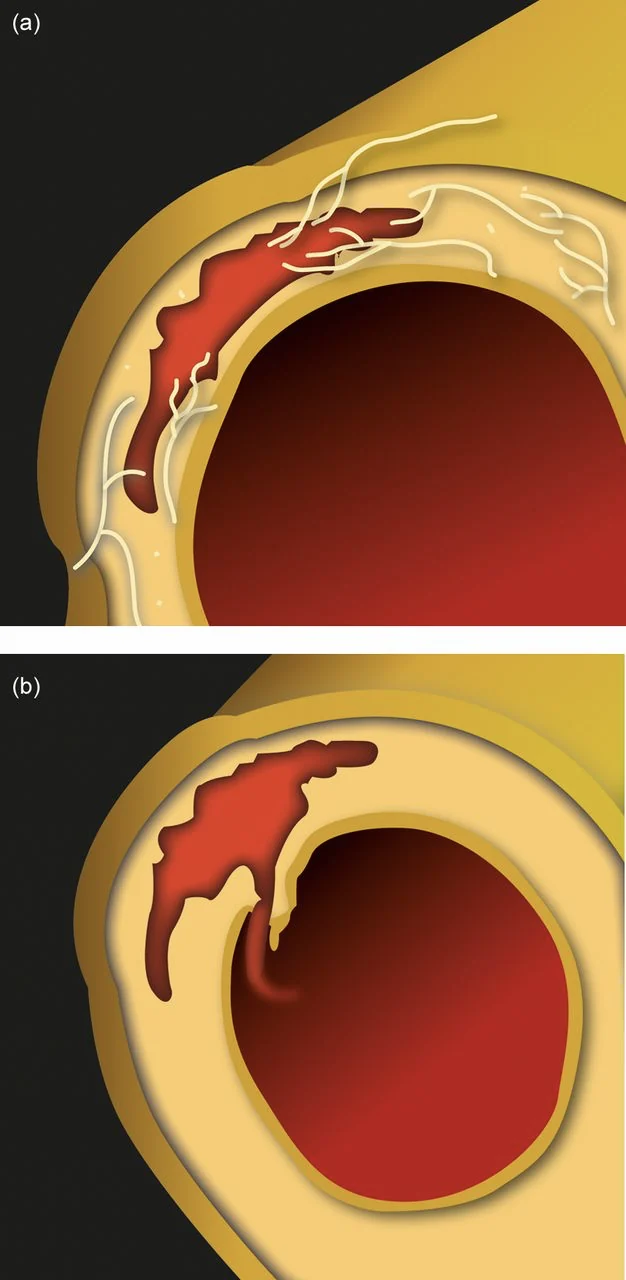
Aortic wall ulcer
A penetrating ulcer is another complication that can arise. It refers to an erosion or ulcer on the inner surface of the aneurysm wall, and can increase the risk of rupture and of blood clots forming.
Treatment can include surgical repair or conservative management with anticoagulant or antiplatelet medication. Again, the extent and location determine whether the approach is surgical, endovascular or conservative.
These complications belong to the group of conditions we know as acute aortic syndrome, and must be taken with great seriousness and urgency.
When to seek emergency attention
It is fundamental to understand that the complications associated with aortic aneurysms can be serious and require immediate medical attention.
If you experience symptoms such as sudden, intense pain in the chest or back, difficulty breathing, fainting or profuse sweating, seek emergency medical attention immediately.
Prevention and early treatment are key to reducing the risk of complications associated with aortic aneurysms. Keep good communication with your doctor, attend regular follow-up examinations and adopt a healthy way of living to minimise the risk factors.
The information in this article is for educational purposes only and does not replace a personalised medical consultation. If you have any concern or symptom relating to aortic aneurysms, we urge you to seek advice.

About the author
Dr Alejandro Molina is a cardiovascular surgeon practising in Guadalajara, Querétaro and Hermosillo. He trained in cardiothoracic surgery at the Universidad de Guadalajara, completed advanced training in cardiac surgery, minimally invasive surgery, robotic surgery and structural interventions at the University of Montreal, and a fellowship in structural cardiology and TAVR at CHU Bordeaux, France. He performed the first robotic mitral valve repair in the Ángeles Health System and the first robotic heart surgery in Guadalajara.
Medical degree: Universidad Autónoma de Guadalajara, Cédula Profesional 5757260 · Cardiothoracic surgery: Universidad de Guadalajara, Cédula de Especialidad 10768871 · Current certification, Consejo Nacional de Cirugía del Tórax, no. 447
Talk to a specialist
Request a free video consultation to clear up your questions and make a better-informed decision.