Yacoub Procedure: Saving Your Own Aortic Valve
Yacoub procedure valve sparing lets you keep your own aortic valve instead of replacing it.
The Yacoub procedure valve sparing operation is a form of aortic root surgery that repairs the aorta while leaving your own aortic valve in place. If you have been told you need surgery for an enlarged aortic root, you may have already heard about valve replacement. What many patients are never told is that, in experienced hands, the valve itself can often be preserved. This guide explains how the procedure works, who qualifies, what recovery really looks like, and how to decide whether it is the lowest-risk option for your situation.
What Is the Yacoub Procedure?
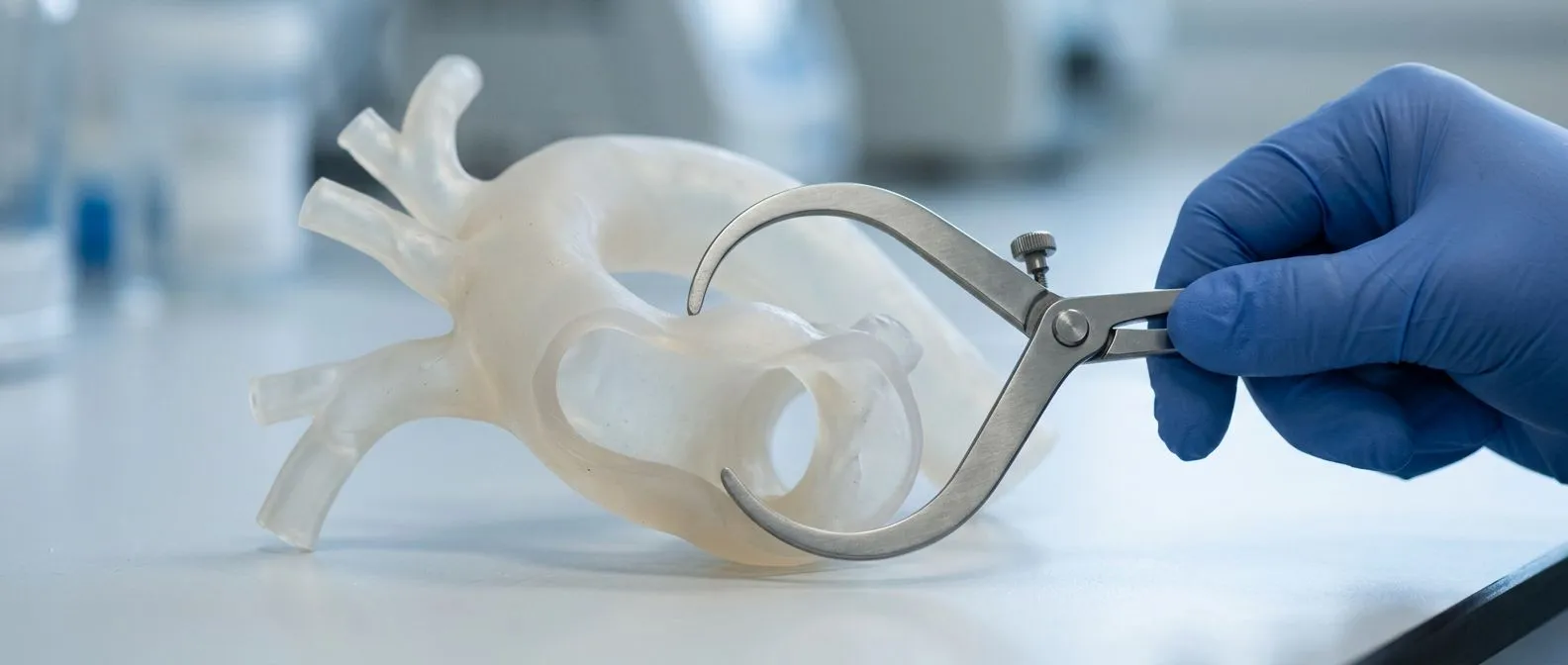
The Yacoub Procedure — also called aortic root remodelling — is an operation developed by Sir Magdi Yacoub. The surgeon replaces the damaged, stretched wall of the aortic root with a polyester tube graft, but keeps the patient's own Aortic Valve working. The valve leaflets, the thin flaps that open and close with every heartbeat, are never removed.
Why keep the native valve at all? A tissue or mechanical replacement valve can work very well, but a preserved valve has no clot risk from the valve itself, so many patients avoid lifelong blood thinners. It also grows with young patients and behaves more like the valve you were born with. That is the whole appeal of aortic valve sparing root replacement: fix the aorta, keep the valve.
What exactly gets replaced? Only the diseased aortic wall. The surgeon reshapes the three bulges at the base of the aorta — the sinuses — and rebuilds them inside the graft. This is why the operation is often described as remodelling aortic root tissue rather than swapping the whole root for a prosthesis, which is what a Bentall procedure does.
How the Yacoub Procedure Valve Sparing Technique Works
The Yacoub technique heart valve approach is done under general anaesthesia with the heart-lung machine, like other open heart operations. The surgeon stops the heart briefly to work on a still, bloodless field. The operative time is similar to other root operations, usually several hours.
The surgical steps, simplified. First the aorta is opened and the coronary arteries — the small vessels feeding the heart muscle — are detached carefully with a cuff of tissue. Then the enlarged aortic wall is cut away, leaving the valve and its supporting ring, the aortic annulus, intact. Finally, a tailored polyester graft is shaped to recreate the three sinuses, and the coronary arteries are reattached to the graft.
Where the Yacoub operation valve sparing surgery differs. The Yacoub remodelling technique resuspends the valve inside a newly shaped graft. A closely related operation, the David procedure, places the valve inside a straight tube instead. Both belong to the family of valve-sparing Root Replacement operations. In our team's experience, the choice between them depends on the valve's anatomy and the shape of the annulus, and every case is reviewed against international practice guidelines before a recommendation is made.
The goal is always the same: a stable valve that does not leak, inside an aorta that will not dilate further. Heart valve repair without replacement is demanding surgery, and it is one reason the training and volume of the surgical team matter so much.
Yacoub Procedure vs Bentall: What Is the Difference?
The Bentall procedure explained. A Bentall is the classic root operation: the surgeon removes the entire aortic root together with the diseased valve and replaces both with a composite graft — either a mechanical valve or a tissue valve sewn into the tube. It is a well-established, reliable operation with decades of results behind it.
How the two differ for the patient. In a Yacoub procedure vs Bentall comparison, the difference comes down to the valve. A Bentall gives you a manufactured valve; a Yacoub gives you your own. If a mechanical valve is used, you will take warfarin or a similar anticoagulant for life and carry a small but real clotting and bleeding risk. If a tissue valve is used, it will eventually wear out and need redo surgery. A preserved valve avoids both scenarios, at least initially.
Neither is universally better. A damaged or leaking valve may not be suitable for preservation, and a Bentall is then the right answer. The honest trade-off is this: valve-sparing surgery offers better valve physiology but demands more surgical skill and has slightly higher reoperation rates in some series. In our practice the patient receives a clear proposal with the alternatives laid out, and the final decision is always theirs. We encourage a second opinion and treat seeking one as a normal part of deciding about heart surgery.
Valve-Sparing Aortic Root Replacement: Who Is a Candidate?
Yacoub surgery candidacy depends on three things: the state of the valve, the cause of the aortic disease, and the urgency of the operation. The best candidates have an aortic root aneurysm — a balloon-like widening of the aorta just above the valve — with a valve that is structurally intact or only mildly leaking.
Common reasons patients qualify. These patterns come up again and again in consultation:
- Hereditary aortopathy: conditions such as Marfan syndrome stretch the root over years while the valve leaflets stay healthy.
- Bicuspid aortic valve: a valve born with two leaflets instead of three, often accompanied by unique patterns of elastin degradation in the aortic wall — research on ascending aortic aneurysms in bicuspid patients shows the wall tissue weakens differently from normal tricuspid valves (Atlantis Press).
- Diameter thresholds: an aorta reaching roughly 5.5 cm, or smaller in Marfan and familial cases, usually triggers a recommendation for surgery.
When preservation is not advisable. If the Valve Cusp tissue is torn, heavily calcified, or badly degenerated — for example after an Aortic dissection, a true cardiovascular emergency where the aortic wall tears — the valve may be beyond repair. In those settings, Surgical Aortic Valve Replacement or a full root replacement is safer. We only recommend the less invasive or valve-sparing route where the evidence supports it for that specific patient.
What Heart Procedure Did Arnold Schwarzenegger Have?
The answer patients often find reassuring. Arnold Schwarzenegger has undergone several cardiac operations over the years, including replacement of his aortic valve and root, and later further surgery on the aorta. His case is frequently mentioned because it shows that aortic disease is compatible with an active life — he returned to public life and filming after each operation.
It is worth clarifying the terminology here, because patients often ask whether his operation was a valve-sparing one. Some of his procedures involved valve replacement rather than preservation, which illustrates an important point: the right operation depends on the valve's condition at the time of surgery. A valve-sparing approach is chosen when the native valve can be reliably made to work; a replaced valve is chosen when it cannot.
For a patient deciding today, the practical lesson is not about any one celebrity. It is that aortic root disease has several good surgical answers, and a specialist consultation is the only way to know which one applies to your own anatomy.
Yacoub Procedure Recovery Time: What to Expect
The hospital phase. Most patients having a Yacoub procedure recovery wake in the intensive care unit with a breathing tube removed within hours. You can expect one to three days in ICU and roughly five to seven days in hospital before discharge, assuming no complications. Pain is managed with medication; the goal is comfort, not a painless experience — some discomfort around the incision is normal.
The first weeks at home. Walking starts almost immediately, a few minutes at a time, building daily. Most patients need six to twelve weeks before returning to desk work and around three months before heavier activity or driving is fully cleared. Cardiac rehabilitation — a supervised programme of gradual exercise — makes a measurable difference and is worth arranging before surgery.
Longer-term follow-up. Because the preserved valve is your own tissue, it needs monitoring. Echocardiograms — ultrasound scans of the heart — are repeated at regular intervals to confirm the valve continues to work well inside the graft. In our team, recovery milestones are reviewed case by case, and we take the time in consultation to explain in plain words what the studies actually show before any decision. The same applies to recovery from ascending aorta replacement or aortic dissection surgery, which follows a similar timeline but depends heavily on the urgency and extent of the original operation.
Yacoub Procedure Long-Term Results and Risks
What the evidence shows. Long-term series following patients for decades after the David and Yacoub operations report good survival and durable valve function in experienced centres, with a proportion of patients eventually needing valve reintervention (AJTES — Surgical Approaches for Aortic Root Aneurysm). No honest surgeon will tell you a repaired valve is maintenance-free forever; some valves develop leaking over the years and require reoperation.
The risks of the operation itself. These are the risks of major open heart surgery generally: bleeding, infection, stroke, kidney injury, heart rhythm problems, and the possibility that the valve cannot be preserved and a replacement becomes necessary during the same operation. Mortality in elective, planned cases at experienced centres is low, but it is never zero, and you should ask any team to quote their own numbers.
Why durability is realistic. The preserved valve has no sewing ring to wear and no leaflets that calcify on a predictable schedule. When the repair is technically sound and the annulus is stable, the valve can function for decades. This is precisely why aortic valve repair specialist training matters: outcomes in this operation track closely with the surgeon's experience with the technique.
Aortic Root Aneurysm Valve Sparing: When Surgery Is Needed
An aortic root aneurysm often causes no symptoms at all. It is usually discovered on a chest CT, an echocardiogram done for another reason, or a family screening programme. That silence is dangerous, because the dilated aorta can continue to enlarge until it dissects or ruptures — an aortic rupture is a life-threatening emergency.
The guideline thresholds. International practice guidelines generally recommend surgery for an aortic root or ascending aorta at or above 5.5 cm in the general population. The threshold drops to around 4.5–5.0 cm for patients with Marfan syndrome, a bicuspid valve with risk features, or a family history of dissection. Growth rate matters too: an aorta expanding more than about 0.5 cm per year is a warning sign.
Symptoms that should never be ignored. Sudden, severe chest or back pain — often described as tearing — may signal a Type A Aortic Dissection or a Penetrating Aortic Ulcer. These are emergencies; call emergency services immediately. Elective root surgery exists precisely to prevent that emergency, and Aortic Root Aneurysm valve sparing repair is one of the main tools for doing it before disaster strikes.
Our multidisciplinary team reviews every aneurysm case against these international thresholds before recommending anything, so that the decision to operate is driven by evidence rather than by habit.
What Is Life Expectancy After Aortic Root Repair Surgery?
The honest answer. For elective valve-sparing root surgery performed before complications occur, long-term studies show survival close to that of the general population of the same age, particularly in younger patients operated early. The operation, done in time, largely removes the aortic rupture risk that the aneurysm carried. Many patients live full, normal-length lives.
What influences the outlook. Life expectancy after aortic root repair depends on several factors you can discuss with your team:
- Timing: elective repair before dissection carries far better outcomes than emergency surgery after one.
- Underlying condition: Marfan and other connective tissue disorders need lifelong surveillance of the entire aorta, not just the repaired root.
- Modifiable risks: blood pressure control, not smoking, and follow-up imaging all protect the repaired aorta over decades.
What to do with this information. None of these figures should be read as a personal prediction. Your age, valve anatomy, and overall health change the picture. An Intra-aortic Balloon Pump or other temporary support devices may be used in higher-risk cases, and your surgical team will explain why if it applies to you. The most valuable next step is a consultation where your own imaging is reviewed in front of you.

Yacoub Heart Surgery in Mexico: Cost and Choosing a Team
Why patients consider Yacoub heart surgery in Mexico. For international patients, travel logistics matter: plan for roughly two weeks in the country around surgery, with follow-up arranged before you fly home.
How to evaluate a team. This is a technique-dependent operation, so the questions worth asking are specific. Ask how many valve-sparing root operations the surgeon performs per year, what their valve reoperation rate is, and whether the service offers both the David and Yacoub techniques. A team that can discuss Yacoub procedure cost Mexico openly, together with the clinical reasoning behind each option, is usually a team worth trusting. In our practice, led by Dr Alejandro Molina, we offer a free first video consultation: we get to know the patient, talk through the condition, and identify exactly which studies are still needed so no unnecessary ones are ordered. A face-to-face visit at our consulting rooms in Guadalajara, Querétaro or Hermosillo follows when the patient decides to go ahead.
The importance of a second opinion. Valve-sparing surgery is not offered everywhere, and not every patient with an enlarged aorta is a candidate. If one team tells you your valve cannot be saved, a second opinion from an aortic valve repair specialist is often worthwhile before accepting a replacement. Those conversations either confirm the first recommendation or open a door the patient did not know existed — and either outcome is valuable.
The Yacoub procedure valve sparing operation offers something no replacement valve can: keeping the valve you were born with, inside a rebuilt, safe aorta. It demands an experienced team, careful patient selection, and lifelong follow-up — but for the right patient it is the closest thing heart surgery has to fixing only what is broken. If you have been diagnosed with an aortic root aneurysm or told you need root surgery, bring your imaging to a qualified cardiac team and ask directly whether your valve can be preserved. Book a consultation rather than self-diagnosing; the answer is specific to your anatomy, and it deserves to be discussed in front of you, in plain words, before any decision is made.